World Cup Knockout Soccer Comes to Miami as Hard Rock Stadium Hosts Round of 32
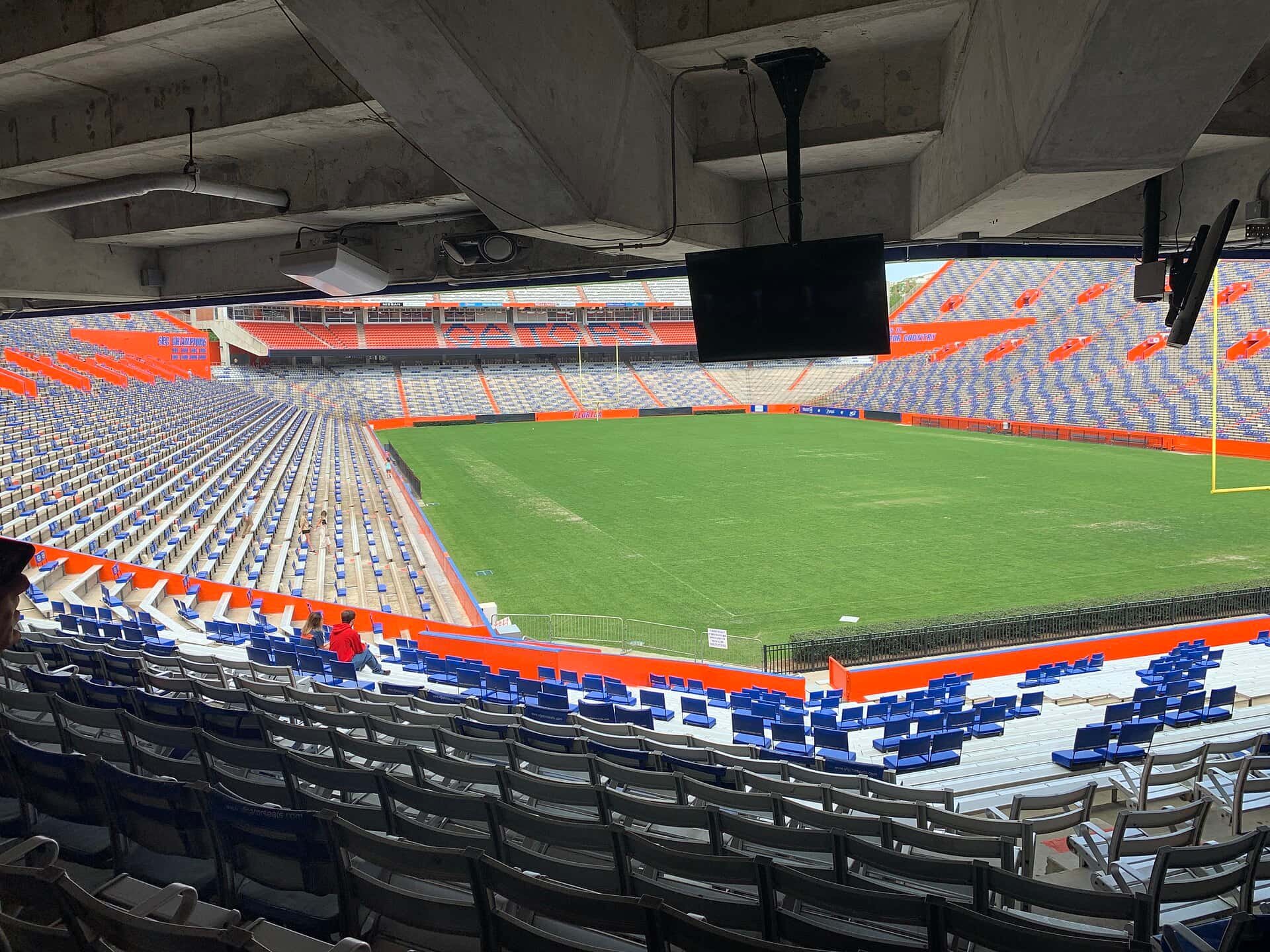
Global soccer's biggest tournament reaches a knockout stage in South Florida this week, with Hard Rock Stadium in Miami Gardens set to host a 2026 FIFA World Cup Round of 32 match on Friday, July 3. The game is one of seven World Cup matches the Miami area is staging across the expanded tournament, placing the region at the center of a sporting event that has drawn fans and attention from around the world to Florida.
The match in Miami
The Round of 32 fixture at Hard Rock Stadium is scheduled for the evening of July 3, with reports pairing Argentina, the reigning World Cup champion and a group winner, against Cabo Verde, which advanced as a group runner-up. Knockout matchups were set once the group stage concluded in late June, locking in the teams that would meet in the tournament's first elimination round at venues across North America, including Miami.
Argentina's presence gives the Miami match significant star power, as the South American side carries one of the sport's most recognizable rosters and a large, passionate fan base with deep ties to South Florida. Cabo Verde, a smaller nation reaching this stage, represents the kind of underdog story that the World Cup regularly produces. Knockout matches carry heightened stakes because a single loss ends a team's tournament.
The contrast between the two sides captures much of what makes elimination soccer compelling. A team with a long tournament pedigree brings expectation and pressure, while a nation making a deeper run than usual plays with the freedom that comes from exceeding predictions. That dynamic tends to produce cautious, tense affairs in which a single moment can decide the outcome, and it is the kind of drama that draws even casual observers to a knockout fixture.
The Round of 32 is a feature of the expanded 2026 World Cup, which enlarged the field and added an additional knockout round compared with previous editions. That expansion increased the total number of matches and spread them across more host cities in the United States, Mexico, and Canada. Miami's slate of games reflects its status as one of the American host cities for the tournament.
Miami's role as a host city
Hard Rock Stadium, home to the Miami Dolphins and a regular host of major events, was selected to stage multiple World Cup matches, and the Miami area's tournament schedule includes group-stage games and several knockout fixtures. Beyond the July 3 Round of 32 match, the venue is slated to host additional high-stakes games later in the tournament, including a quarterfinal and the third-place match, according to the published schedule.
Hosting World Cup matches places Miami among a select group of cities anchoring the tournament in North America. The event brings international visitors, media, and commercial activity to host regions, and stadiums are outfitted to meet the tournament's requirements. For Miami, a city with a strong soccer culture and international profile, the World Cup is a natural fit that showcases the region on a global stage.
A venue accustomed to large crowds and marquee events carries logistical advantages when a global tournament arrives. Hard Rock Stadium has staged professional football, championship-level tennis, motorsport, and major concerts, giving the surrounding area experience in moving large numbers of people and accommodating heightened security and broadcast demands. That familiarity helps a host region absorb the operational scale that comes with a World Cup fixture, from transportation planning to crowd management around the stadium.
The quarterfinal that Miami is scheduled to host stands out as the highest-stakes match on the region's slate, since reaching the final eight represents deep progress in the tournament. The third-place match, contested by the losing semifinalists, is another marquee fixture. Together, Miami's schedule ensures the region remains involved through the tournament's later rounds, not just its early stages.
The Florida angle
South Florida is a natural home for World Cup soccer given its large, diverse population with deep connections to soccer-loving nations across Latin America, the Caribbean, and beyond. Argentina's fan base in the region is especially notable, and a knockout match featuring the reigning champion is likely to draw enthusiastic crowds. The tournament taps into a soccer culture that is deeply embedded in the area's communities.
The region's soccer profile has grown in recent years, reinforced by the presence of Inter Miami and the star power the club has brought to Major League Soccer. That heightened interest provides a receptive audience for the World Cup, and the tournament's arrival builds on the momentum soccer has gained in the market. Miami's identity as an international city aligns closely with the global character of the event.
Soccer has long enjoyed a stronger foothold in South Florida than in many parts of the country, shaped by immigration patterns and by families who follow national teams across generations. Neighborhood pitches, youth leagues, and supporters' clubs tied to overseas sides all contribute to a base of fans who arrive at a tournament already fluent in its rhythms. That existing enthusiasm gives an event like the World Cup a ready-made audience rather than one that has to be built from the ground up.
Economically, hosting World Cup matches can generate activity for hotels, restaurants, transportation, and other sectors that serve the influx of visitors. Major sporting events draw fans who travel and spend, and host cities often point to that activity as a benefit of staging such events. The scale of the World Cup, one of the most-watched sporting events in the world, amplifies that potential impact for the Miami area.
What it means for Florida fans
For local soccer fans, the World Cup offers a rare chance to see international matches of the highest level in their own backyard. Attending a knockout match featuring a team like Argentina is an opportunity that comes to a given city infrequently, since the World Cup rotates among host nations and cities every four years. The July 3 match and Miami's later fixtures give fans multiple chances to be part of the tournament.
The event also creates a communal experience beyond the stadium, as fans gather to watch matches at homes, restaurants, and public venues. Watch parties and viewing events are a hallmark of World Cup summers, and Miami's role as a host adds to the local excitement. The tournament's presence turns the region into a focal point of global sporting attention during the matches it hosts.
For families and casual fans, the World Cup provides an accessible entry point into the sport, with high-profile matches and compelling storylines. The mix of a global superpower like Argentina and an underdog like Cabo Verde captures the drama that makes the tournament appealing to broad audiences. That accessibility helps the event resonate well beyond dedicated soccer followers.
Preparing for the summer heat
An early July match in Miami Gardens also brings the practical realities of a South Florida summer into focus. The region is known for its heat, humidity, and afternoon storms during this stretch of the year, conditions that shape both the fan experience and the way players approach a match. Evening kickoffs can ease some of the midday intensity, while covered seating and modern stadium infrastructure help manage the elements for those in attendance.
Weather is a familiar variable for anyone who follows sports in Florida, where outdoor events routinely account for the possibility of rain and high temperatures. Fans attending the Round of 32 match can expect a summer setting typical of the region, and the emphasis on hydration, sun protection, and flexible timing reflects long-standing habits at large gatherings across the state. For visiting supporters unaccustomed to the climate, the conditions are part of the local character of a Miami World Cup fixture.
The heat can also factor into the soccer itself, since demanding physical output in warm, humid conditions tests players' fitness and can influence the pace of a match. Elite teams prepare for a range of environments, and a summer tournament staged across North America presents a variety of climates. Miami's setting is one of the warmer stops on that map, adding a distinctly Florida dimension to the way the game may unfold.
The tournament's bigger picture
The 2026 World Cup's expanded format and multi-nation hosting represent a significant evolution for the tournament, with more teams, more matches, and more host cities than before. Spreading games across the United States, Mexico, and Canada makes the event accessible to a wider swath of North American fans and distributes its economic and cultural footprint across many regions. Miami is one node in that expansive network.
As the knockout rounds proceed, the tournament narrows toward its later stages and, ultimately, its final. The elimination format means each round removes teams until a champion emerges, raising the stakes with every match. Miami's schedule keeps the region engaged through the quarterfinal and third-place match, ensuring its involvement extends into the tournament's decisive phase.
The presence of a major international tournament can leave a lasting mark on a host region beyond the weeks of competition. Hosting often draws attention to a city's venues, hospitality capacity, and standing as a destination, and it can reinforce interest in the sport among younger fans who experience it firsthand. For a region already invested in soccer, a World Cup summer offers a chance to strengthen that connection and to be associated with the game at its highest level.
For Florida, hosting World Cup soccer is a marquee moment that places the state on the global sporting map during the summer of 2026. The combination of a passionate local fan base, an international city, and a major venue positions Miami to make the most of its role. The July 3 Round of 32 match is the next chapter in that hosting story.
What's next
After the July 3 Round of 32 match, Miami's World Cup schedule continues with additional knockout fixtures, including the quarterfinal and third-place match slated for the venue later in the tournament. Each match brings its own matchups, drama, and influx of fans, sustaining the region's involvement in the event through its later rounds.
The broader tournament advances toward its conclusion as teams are eliminated round by round, building toward the championship match. Fans across Florida will follow the progression, both for the matches hosted locally and for the tournament as a whole. The knockout stage is where the World Cup's tension peaks, and Miami is positioned to be part of that intensity.
For now, attention turns to Hard Rock Stadium and the Round of 32 match on July 3, a chance for South Florida to host elite international soccer and for fans to experience the World Cup up close. The event underscores the region's standing as a host city and its deep connection to the global game.
Spotted an issue with this article?
Have something to say about this story?
Write us a letterComments
No comments yet. Be the first to weigh in.
Related Coverage
Rays await Guardians or White Sox in ALCS after sweeping Yankees; Game 1 Monday at Tropicana Field
3h ago

John Carlson scores twice, Dennis Hildeby makes 34 saves as Lightning hold off Wild 3-2
4h ago
Winless Dolphins host Bengals at Hard Rock Stadium seeking first win under Jeff Hafley
23h ago
Hurricane Isaias Scrambles Florida Sports: FSU Cancels Pensacola Games, FAMU Moves to Friday
1d ago