Alligator Alcatraz Emptied as ICE Moves Detainees Out Before Hurricane Season
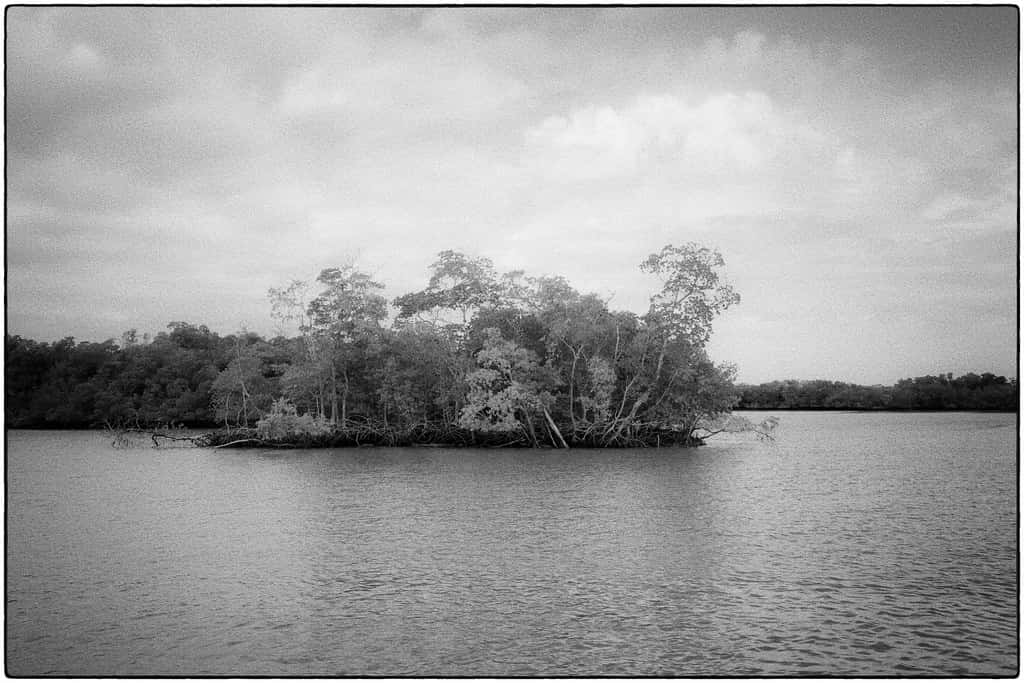
U.S. Immigration and Customs Enforcement and the Department of Homeland Security confirmed on Tuesday, June 18, 2026, that all detainees had been transferred out of the Florida immigration detention center widely known as Alligator Alcatraz, the soft-sided facility built in the Everglades that became one of the most contested symbols of the state's role in federal immigration enforcement. Officials cited the start of the Atlantic hurricane season and detainee safety as reasons for clearing the remote site, which sits deep in Big Cypress National Preserve about 45 miles west of downtown Miami.
For South Florida, the decision closes, at least for now, a chapter that placed the region at the center of a national fight over how and where the federal government detains people facing removal. The facility, officially the South Florida Detention Facility, drew intense scrutiny from the moment it opened in July 2025, both for its location in a fragile wetland and for the conditions imposed by a structure made largely of tents, trailers, and fencing in one of the hottest and most storm-exposed corners of the country.
The transfer of detainees does not yet mean the site is gone. According to officials, the work of demobilization, removing the fencing, trailers, and other structures, is expected to take an additional two to three weeks. After that, the state has said the property will return to its prior use as a small airport for pilot training, the function it served before it was rapidly converted into a detention center.
What Officials Confirmed
ICE and DHS said all detainees had been moved out of the facility as of Tuesday, with officials pointing to the arrival of hurricane season and the safety of those held there as the driving factors. The site's soft-sided construction, which made it possible to stand up quickly, also left it vulnerable to the high winds, heavy rain, and flooding that define the Florida storm season running from June through November.
At its peak, the facility held roughly 1,400 people, according to figures associated with the site. That capacity made it a significant node in the federal detention network during the period it operated, and it concentrated a large detained population in a location far from the urban centers where many immigration attorneys and support services are based.
The decision to empty the facility ahead of the most dangerous stretch of the year reflects the practical reality of operating a temporary structure in the Everglades. A soft-sided compound that can be assembled in weeks is, by the same logic, exposed to the elements in ways that a permanent building is not, and the start of hurricane season sharpened questions about how the site could be safely maintained through the summer and fall.
Officials framed the move as a response to those conditions rather than a retreat from enforcement, and the demobilization timeline of two to three weeks suggests a deliberate wind-down rather than an abrupt shutdown. The detainees who had been held there were transferred elsewhere within the system, though the specific destinations were not detailed in the confirmations from ICE and DHS.
How the Everglades Became a Detention Site
The facility rose on the grounds of the Dade-Collier Training and Transition Airport, an isolated airstrip surrounded by the sawgrass and water of Big Cypress National Preserve. The airport had long served as a training ground for pilots, a quiet use that drew little attention until the property was repurposed in 2025 into a detention center capable of holding well over a thousand people.
The choice of the Everglades as a detention site was striking precisely because of where it sits. Big Cypress is part of a vast and ecologically sensitive wetland system, home to wildlife and shaped by the slow movement of water that defines the region. Building a large, fenced compound with trailers and infrastructure in that setting raised immediate concerns about the environment, and the nickname Alligator Alcatraz captured both the remoteness of the location and the menace its supporters and critics alike associated with it.
Governor Ron DeSantis has said the facility was always intended to be temporary, a characterization consistent with the state's stated plan to return the property to use as a pilot-training airport once the structures are removed. That framing positioned the site as a stopgap rather than a permanent fixture, even as it operated for nearly a year and held large numbers of people during that span.
The speed with which the site was created, and now dismantled, underscores how the soft-sided model works. A facility built from tents, trailers, and fencing can be deployed quickly to expand detention capacity, and it can be taken down on a similar timeline when conditions, including the weather, make continued operation untenable.
The Florida Angle on Immigration Enforcement
Florida has been at the forefront of state involvement in immigration enforcement, and the Everglades facility became one of the most visible expressions of that posture. The state's cooperation with federal authorities to stand up the site placed Florida officials directly in the national debate over detention, a debate that has often centered on conditions, due process, and the appropriate scale of removal operations.
For Floridians, the facility was not an abstraction. It operated in their state, on land within a national preserve that residents and visitors prize, and it drew lawyers, advocates, journalists, and protesters to a remote stretch of road west of Miami. The concentration of roughly 1,400 detainees in a single Everglades compound made the site a focal point for both supporters of stricter enforcement and opponents who challenged the approach.
The political debate around the facility cut along familiar lines. Supporters viewed it as a demonstration of resolve on immigration and a model for rapidly expanding detention capacity, while critics questioned the wisdom and humanity of holding people in a soft-sided structure in the Everglades, especially as hurricane season approached. The governor's insistence that the site was always temporary spoke to that tension, framing the project as a measured response rather than a permanent escalation.
Environmental and Legal Challenges
From the start, the facility drew legal and environmental challenges, reflecting the unusual nature of placing a detention center inside a national preserve. The Everglades setting meant that questions about the site were never confined to immigration policy alone; they also touched on the protection of a wetland ecosystem and the rules governing development and activity on preserved land.
Environmental concerns focused on the impact of a large, fenced compound with trailers, lighting, generators, and supporting infrastructure on the surrounding wetland. Big Cypress is a place where water and wildlife are central to the landscape, and the introduction of a detention facility raised the prospect of disturbance to a setting that conservation efforts have long sought to safeguard.
The legal challenges, meanwhile, reflected broader disputes over immigration detention as well as the specific circumstances of this site. The combination of a remote location, a soft-sided structure, and a large detained population created conditions that opponents argued warranted close judicial and public scrutiny. The facility's prominence in the national conversation ensured that those challenges received attention well beyond Florida.
Now that detainees have been moved out and demobilization is underway, the environmental focus is likely to shift toward the restoration of the site. Returning the property to use as a pilot-training airport will require removing the structures that were added, and the condition in which the land is left will matter to those who raised concerns about the preserve in the first place.
Hurricane-Season Vulnerability
The timing of the decision draws a direct line between the facility and Florida's defining seasonal threat. The Atlantic hurricane season runs from June 1 through November 30, and South Florida sits among the most exposed regions in the country. A soft-sided compound in the open expanse of the Everglades is, by its nature, vulnerable to the wind and water that powerful storms bring.
Officials cited that vulnerability and detainee safety as central to the move, an acknowledgment that holding people in tents and trailers through a Florida storm season carried real risk. Evacuating a remote detention site under the threat of an approaching hurricane would present formidable logistical challenges, and clearing the facility before the height of the season removed that danger.
The episode highlights a broader lesson about temporary detention infrastructure in storm-prone regions. The same qualities that make soft-sided facilities attractive for rapid expansion, their speed and flexibility, also make them ill-suited to weather the conditions that Florida reliably faces every summer and fall. The Everglades location compounded that exposure, placing the facility in open wetland far from sturdy shelter.
What's Next
Over the next two to three weeks, crews are expected to carry out the demobilization of the site, removing the fencing, trailers, and structures that turned the airstrip into a detention center. The state has said the property will then return to its prior role as a small airport for pilot training, completing the reversal of the conversion that took place in 2025.
For the detainees who were held there, the immediate future lies within the broader federal detention system, to which they were transferred. The legal and environmental challenges that surrounded the facility may continue in some form, particularly questions about the condition of the preserve land and the precedents set by standing up such a site in the Everglades.
The larger question is whether Alligator Alcatraz proves to be a one-time experiment or a template that could be revived, in Florida or elsewhere, once hurricane season passes. For now, the Everglades site stands as a vivid example of how quickly immigration enforcement infrastructure can be built and dismantled, and of how Florida's geography, from its wetlands to its storms, shapes what is possible on the ground.
Spotted an issue with this article?
Have something to say about this story?
Write a letter to the editor