Alligator Alcatraz Winds Down as Everglades Detention Site Empties Out
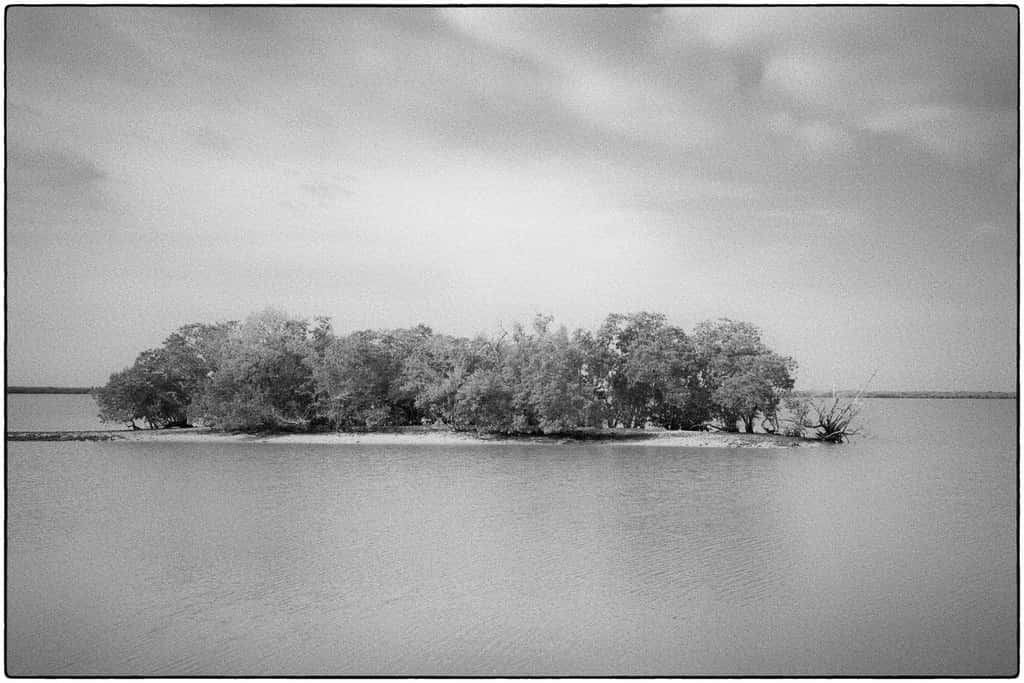
Florida's state-run immigration detention center in the Everglades, widely known as Alligator Alcatraz, is winding down, marking the beginning of the end for one of the most contentious facilities the state has operated. The center currently houses about 655 detainees, down sharply from roughly 1,400 just weeks earlier, as people held there are transferred to other federal facilities or removed from the country. State officials plan to dismantle the site once the population is cleared, returning the remote location to its prior use as a small pilot-training airport.
The facility was built last year on the runway of the Dade-Collier Training and Transition Airport, a sprawling and isolated property deep in the Everglades. Its construction drew immediate national attention, both for the speed with which it was assembled and for the stark imagery of a detention center set amid sawgrass and wetlands. Now, less than a year later, the structures that defined it are slated for removal.
The wind-down follows a sustained period of legal challenges, mounting costs, environmental concerns, and allegations about conditions inside the facility. Reporting indicates that a judge ordered facility operations to wind down, adding a court dimension to the financial and political pressures that had been building around the site. The combination of factors has brought the center to a turning point that few of its supporters or critics could have predicted at its opening.
The speed of the reversal stands in contrast to the speed of the buildup. The facility went from rapid construction on a remote runway to a population peak and then to a sharp decline within roughly a year, a compressed arc that reflects how quickly the circumstances around it shifted. State officials, who once moved swiftly to stand the site up, now face the task of taking it down with similar dispatch, working through the logistics of clearing detainees and removing structures from one of the most isolated locations in the state.
A Population in Sharp Decline
The clearest sign of the wind-down is the falling number of detainees. From roughly 1,400 just weeks ago, the population has dropped to about 655, a decline of more than half in a short span. The reduction reflects a deliberate process of moving people out of the Everglades facility, either by transferring them to other federal detention sites or by carrying out removals from the country.
That trajectory points toward an eventual emptying of the site. State officials have indicated that the dismantling of the facility will follow once the population is fully cleared, making the steady decline a precursor to the physical removal of the structures. The pace of transfers and removals will determine how quickly the location reaches that point.
For the detainees themselves, the transfers mean relocation to other facilities within the federal system, a process that shifts their cases and their custody elsewhere. The mechanics of moving hundreds of people from a remote site add logistical complexity to the wind-down, and the declining count reflects the ongoing nature of that effort.
The reduction also signals a reversal of the facility's original purpose. Built to hold a large population, the center is now being steadily depopulated, a shift that underscores how quickly its role has changed. The numbers tell the story of a site moving from operation toward closure.
Plans to Dismantle the Site
Once the population is cleared, state officials plan to dismantle the facility entirely. The plans call for removing the fencing, trailers, and temporary structures that were erected to create the detention center, returning the runway property to its prior function. The location is slated to revert to use as a small pilot-training airport, the role it served before the facility was built.
The temporary nature of much of the construction makes dismantling feasible. Because the center was assembled quickly from trailers and other temporary structures rather than permanent buildings, removing them is a more straightforward undertaking than demolishing fixed infrastructure. That design choice, made for speed at the outset, now shapes the wind-down.
Restoring the site to its original purpose carries symbolic weight given the environmental scrutiny the facility attracted. The Dade-Collier Training and Transition Airport sits in a sensitive Everglades setting, and the plan to return the location to a low-intensity aviation use addresses, at least in part, the concerns raised about placing a large detention operation in such an environment.
The dismantling represents the final phase of a facility that existed for less than a year. From rapid construction to wind-down to planned removal, the center's life cycle has been compressed into a short and turbulent span, ending with a return to the modest role the property previously held.
The Cost Pressures
Cost has been a central element of the facility's story, and reporting on the expenses helps explain the pressures behind the wind-down. The center was reported to cost more than 1 million dollars a day to operate, a figure that translated to around 850 dollars per bed. Over time, total spending was reported to approach 1 billion dollars, a sum that drew intense scrutiny from critics of the project.
Adding to the financial strain, an estimated 300 million dollars in additional costs were reported to have been incurred while federal reimbursement was held up. The delay in reimbursement meant the state shouldered expenses it had expected to recover, deepening the budgetary questions surrounding the facility and the use of state funds.
Those cost figures, attributed as reported, formed a recurring theme in the debate over the center. The daily operating expense and the per-bed cost became reference points for critics who questioned whether the spending was justified, while the reimbursement holdup highlighted the financial risk of operating ahead of federal support.
The financial dimension intersects with the broader policy debate over how state funds should be deployed in immigration enforcement. With spending reported to approach 1 billion dollars, the facility became a focal point for arguments about the cost effectiveness and fiscal wisdom of the state's approach, arguments that contributed to the momentum toward winding the site down.
Legal and Environmental Challenges
The facility faced nearly a year of legal challenges, and reporting indicates that a judge ordered operations to wind down. The court action added a decisive legal dimension to the pressures already bearing on the site, and it accompanied the financial and political factors that had been accumulating since the center opened.
Environmental concerns ran alongside the legal challenges. The placement of a large detention operation in the Everglades, an ecosystem of national significance, drew objections from those worried about the impact on the surrounding wetlands. The sensitivity of the location made the environmental questions a persistent feature of the controversy.
Allegations of poor conditions inside the facility further intensified the scrutiny. Such allegations, raised over the course of the center's operation, contributed to the legal and public pressure on the site and fed into the broader debate about its viability. Together with the cost and environmental issues, they formed a web of challenges that surrounded the facility throughout its short existence.
The convergence of these factors, the court order, the environmental objections, the cost figures, and the allegations about conditions, created a situation in which winding down became the path forward. Each element reinforced the others, and the cumulative weight moved the facility toward closure.
The Florida Context
The wind-down touches on issues that extend well beyond the single facility. The Everglades setting places the site at the intersection of immigration policy and environmental stewardship, two areas of intense interest in Florida. The decision to return the location to its prior aviation use speaks to the environmental dimension that shaped much of the debate.
The use of state funds for the facility connects the story to broader questions about how Florida deploys its resources in immigration enforcement. With reported spending approaching 1 billion dollars and reimbursement delays adding to the burden, the financial stakes made the center a significant test of the state's approach and its willingness to bear substantial costs.
The facility also became a high-profile example of state involvement in immigration matters, an arena where the roles of state and federal authorities intersect. The transfers of detainees to other federal facilities illustrate that interplay, as people held at the state-run site move into the broader federal system as the center empties.
For Florida residents, the wind-down represents the closing of a chapter that drew national attention to a remote corner of the Everglades. The site's brief and contentious history, from construction to closure, has kept questions of policy, cost, and environment in public view, and its dismantling marks a notable moment in that ongoing conversation.
What's Next
The immediate path forward involves continuing to clear the remaining population. With about 655 detainees still held, the transfers and removals will proceed until the site is empty, a process whose timeline will depend on the pace of those movements. Only once the population is cleared will the dismantling phase begin in earnest.
After that, the focus shifts to physically removing the fencing, trailers, and temporary structures and restoring the property to its role as a small pilot-training airport. The temporary nature of the construction is expected to make that process more manageable than dismantling permanent infrastructure, though the work will still require time and resources.
The legal and financial questions surrounding the facility may continue to draw attention even as the site is taken down. The reported cost figures and the court action that ordered the wind-down are likely to remain points of discussion, particularly regarding the use of state funds and the outcome of the reimbursement issues.
For now, the Everglades site stands as a facility in transition, moving from operation toward removal. The coming weeks and months will determine how swiftly the population clears and how quickly the location returns to the quiet aviation role it held before the detention center was built, closing out one of the most closely watched episodes in the state's recent immigration policy.
Spotted an issue with this article?
Have something to say about this story?
Write a letter to the editorRelated Coverage
Fed Meets Next Week as Mortgage Rates Hit a One-Year High
1h ago

Eleventh Circuit Upholds Whistleblower Suits in Florida Medicare Fraud Case
2h ago

Canada's Retaliatory Tariffs Take Effect, and Florida Seafood Is on the List
8h ago

Supreme Court Term Opens With a Florida Case on Six-Person Juries
18h ago