Orlando Hiring Cools to a Decade Low and Still Leads Florida
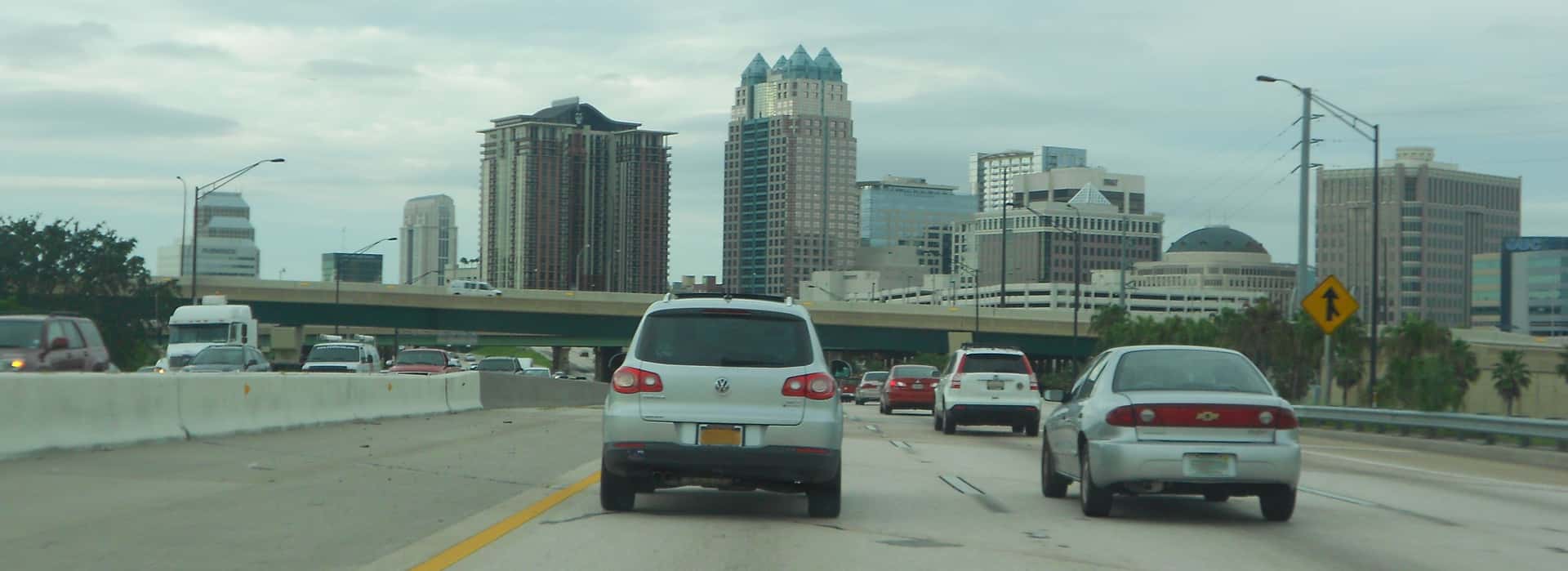
Central Florida's labor market has recorded its weakest year of hiring in more than a decade, and it still outperformed nearly every other large American metropolitan area. That combination, decelerating growth that remains comparatively strong, describes the position Orlando finds itself in as the region absorbs a national slowdown while retaining structural advantages that most metros do not have.
The Orlando metropolitan area, covering Orange, Seminole, Osceola and Lake counties, has been among the fastest-growing large metros in the United States for most of the past decade, driven by tourism, construction, healthcare, simulation and training technology, and steady in-migration. A cooling here signals something about the national picture rather than a local failure.
The slowdown carries consequences for a region whose growth model depends on continuous population increase. Housing construction, retail expansion and local government revenue projections in Central Florida have all been built on assumptions of sustained job growth, and a decade-low hiring year tests those assumptions.
What the slowdown looks like
Labor market cooling generally shows up first in reduced hiring rather than in layoffs. Employers stop filling open positions, extend the time to fill roles they do pursue, and reduce reliance on temporary and seasonal staffing. Unemployment rates can stay low through that phase because people already employed keep their jobs.
That pattern makes the headline unemployment rate a lagging indicator during a transition of this kind. Job openings data, average duration of unemployment and the rate at which workers voluntarily quit are more informative, and all three tend to move well before the unemployment rate does.
For workers, the practical effect is a market with less leverage. The wage growth and job-switching opportunities that characterized 2022 and 2023 have compressed, and workers considering a change face longer searches than they would have two years ago.
Orlando's economic base
Tourism remains the region's largest employment driver, anchored by Walt Disney World Resort, Universal Orlando Resort and SeaWorld Orlando, along with the hotels, restaurants and transportation services that support them. Universal's Epic Universe expansion has added capacity and employment to that base.
The region's second pillar is less visible: Central Florida hosts a substantial modeling, simulation and training industry clustered around the University of Central Florida and military training commands, work that supports defense contracts and produces higher-wage technical employment than tourism does.
Healthcare provides a third leg, with AdventHealth and Orlando Health operating large regional systems and continuing to expand facilities, including new emergency departments and cancer care capacity in surrounding communities. Healthcare employment has been among the most consistent growth sectors nationally and has held up through past downturns.
Why Orlando outperforms even while cooling
Population growth is the mechanism. Florida has continued to add residents through domestic migration, and Central Florida captures a substantial share of that inflow. New residents generate demand for housing, healthcare, retail and services regardless of national economic conditions, which puts a floor under local employment.
The region's cost position relative to South Florida also matters. Housing in Orange, Osceola and Lake counties remains less expensive than Miami-Dade, Broward or Palm Beach counties, and that gap has drawn both residents and employers looking for lower operating costs within Florida.
Tourism has proven more durable than its reputation suggests. Theme park attendance is discretionary spending, and it does fall during recessions, but Central Florida's mix of domestic drive-market visitors, international travelers and convention business diversifies the exposure across segments that do not all decline simultaneously.
The risks ahead
Consumer spending is the vulnerability. A tourism-weighted economy is exposed to household budget pressure in a way a manufacturing or government-employment economy is not. If national consumer spending contracts meaningfully, Central Florida feels it faster than most metros.
Housing costs are the second risk, this time internal. Orlando area home prices and rents have climbed substantially, and reporting indicates the local real estate market cooled in June. If housing costs continue rising while wage growth decelerates, the affordability advantage that has drawn residents and employers erodes.
Insurance costs compound that. Property insurance premiums in Central Florida, while lower than coastal South Florida, have risen enough to affect household budgets and commercial operating costs. Citizens Property Insurance rate reductions this year offer some relief, but the private market varies considerably by county and property type.
What it means for Central Florida
For job seekers, the market still offers opportunity but requires more effort. Healthcare, skilled trades and technical roles tied to simulation and defense work remain the strongest segments. Entry-level hospitality positions, historically the region's most accessible on-ramp, are the most sensitive to a spending slowdown.
For employers, the shift changes the calculation on retention and recruitment. The intense competition for workers that defined the post-pandemic years has eased, which reduces wage pressure but also means employers who cut too aggressively may struggle when conditions improve.
For local governments in Orange, Osceola, Seminole and Lake counties, the implication is budget planning. Property tax revenue follows assessed values with a lag, and sales tax revenue follows consumer spending closely. A hiring slowdown that becomes a spending slowdown reaches county and municipal budgets within a fiscal year.
How Central Florida compares statewide
Florida's major metropolitan economies are structured differently enough that they respond to national conditions on different schedules. Miami-Dade and Broward counties have larger finance, international trade and professional services sectors. Tampa Bay carries substantial financial services, healthcare and defense employment. Jacksonville has logistics, insurance and a significant military presence.
Central Florida is the most tourism-weighted of the four, which makes it the most exposed to discretionary consumer spending and the most responsive to changes in travel behavior. That exposure cuts both ways: the region recovers faster than most when travel rebounds and slows faster when households pull back.
The comparison to other large American metros is where Orlando's position looks strongest. A decade-low hiring year that still outperforms nearly every other large metro describes a national slowdown more than a regional problem, and it reflects population inflow that most metropolitan areas do not have.
What tourism data will show first
Theme park attendance is not publicly reported in real time, but several indicators track ahead of employment data. Hotel occupancy and average daily rate figures for the Orlando market, published by hospitality research firms, move before hiring does. Orlando International Airport passenger counts are another leading measure.
Convention business at the Orange County Convention Center provides a separate signal with a longer lead time, since bookings are made years in advance. A softening in future bookings would indicate expectations of reduced corporate travel spending well before it affects local employment.
Tourist development tax collections, levied on short-term lodging in Orange and Osceola counties, are reported monthly and reflect actual visitor spending on accommodations. Those collections fund convention center operations and tourism marketing, so a decline affects public budgets directly as well as signaling market conditions.
The housing squeeze
Central Florida's affordability advantage relative to South Florida has been a core part of its growth story, and that advantage has narrowed. Home prices and rents across Orange, Osceola, Seminole and Lake counties have risen substantially, and reporting indicates the Orlando real estate market cooled in June after an extended run.
The wage structure makes the squeeze acute. Tourism and hospitality employment, which anchors the regional labor market, pays substantially less than the technical and healthcare sectors. Workers in those roles face housing costs set by a market that includes higher-earning households and investors.
Osceola County has absorbed a significant share of the region's workforce housing demand, with commuting patterns that send workers considerable distances to jobs concentrated in the tourism corridor. Transportation costs compound housing costs for those households, and regional transit options remain limited relative to the geography involved.
Local governments have pursued affordable housing initiatives through the state housing trust fund and local funding sources, but production has not kept pace with demand in a region adding residents continuously.
What would change the trajectory
Several developments could shift Central Florida's outlook in either direction over the next year. On the positive side, continued in-migration, new attraction capacity drawing additional visitors, and expansion in healthcare and technical sectors all support hiring independent of national conditions.
On the negative side, a meaningful contraction in consumer spending would reach the region quickly through tourism. International visitation is a second variable, sensitive to exchange rates, travel policy and global economic conditions in the source markets that send visitors to Orlando.
Construction employment is the swing factor. Central Florida has substantial residential and commercial construction underway, and that activity depends on financing costs and on developer confidence in absorption. A pullback there would remove a significant employment category quickly, since construction hiring adjusts faster than most sectors.
The region's underlying advantage remains population growth. As long as people continue moving to Central Florida, the demand for housing, healthcare, education and services grows regardless of what happens in any single industry.
What's next
Florida's monthly employment data, published by the state's workforce agency using Bureau of Labor Statistics methodology, will show whether the deceleration continues or stabilizes. Metro-level data lags the statewide release slightly.
The Federal Reserve's rate-setting committee meets July 28 and 29, with a decision expected to hold rates steady. Rate policy affects Central Florida through mortgage costs, construction financing and consumer credit, all of which feed back into local hiring.
The Florida Press will continue reporting monthly employment data for Florida metros along with the tourism, healthcare and construction indicators that drive Central Florida's labor market.
Workers navigating the current market should note that Florida's CareerSource network operates regional boards serving Central Florida, providing job placement assistance, training referrals and unemployment claim support at no cost. Those services are funded through federal workforce development programs and are available regardless of employment history.
Employers seeking workers can access the same network for recruitment assistance and, in some cases, funding for on-the-job training. Those programs are more heavily used during expansions than contractions, which means capacity is generally available in a cooling market.
Spotted an issue with this article?
Have something to say about this story?
Write us a letterComments
No comments yet. Be the first to weigh in.
Related Coverage

Miami Cites Club at Brickell Bay Over Short-Term Rentals, Warning of Fines Up to $5,000 a Day
22h ago

Lennar to Buy Boynton Beach Mall, Plans Homes, Shops and Civic Space on 91-Acre Site
22h ago
Florida Supreme Court Rules 2021 Pre-Suit Notice Law Does Not Apply to Older Homeowner Insurance Policies
23h ago

State restores $200 million for Miami-Aventura commuter rail as Levine Cava balks at Brightline deal
1d ago