As TPS Protections Unwind, South Florida's Venezuelan Community Faces Deep Uncertainty
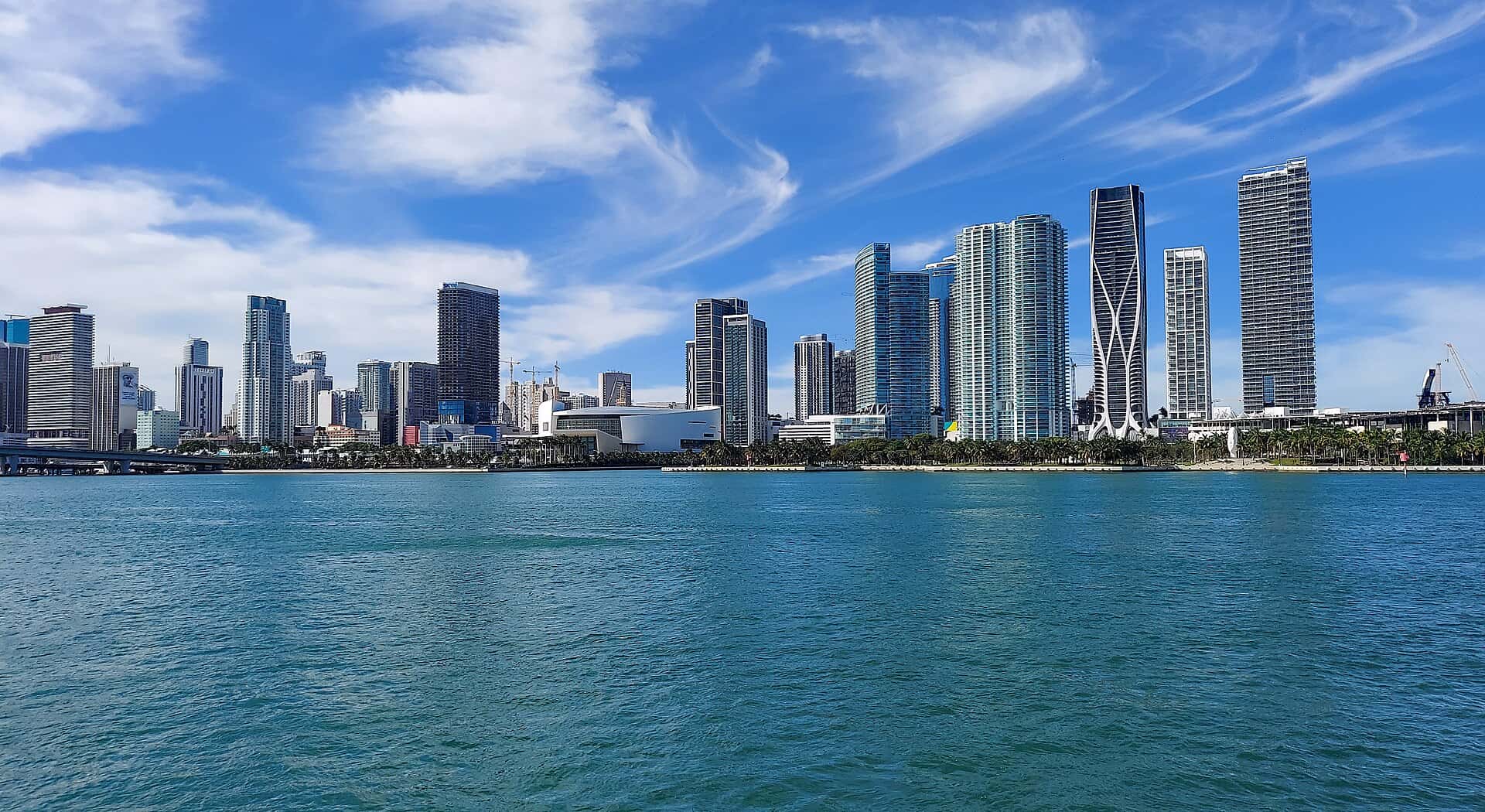
Florida's large Venezuelan community is facing deep uncertainty as federal Temporary Protected Status, the program known as TPS, unwinds for hundreds of thousands of Venezuelans. Earlier actions by the U.S. Supreme Court allowed the federal administration to end TPS for Venezuelans and to suspend a separate humanitarian parole program, leaving many residents who had built lives in the state without clear legal footing. The shift lands hardest in South Florida, home to the largest Venezuelan diaspora in the United States.
Temporary Protected Status is a federal designation that shields people from countries experiencing crisis from deportation and allows them to work legally in the United States for a defined period. For Venezuelans, that protection had become a foundation for daily life, anchoring employment, housing, and family stability. As the designation unwinds, that foundation has grown unstable, and the consequences ripple through neighborhoods, workplaces, and schools across the region.
The stakes for Florida are unusually high because of where the affected population lives. Greater Miami-Dade, and the city of Doral in particular, has become the cultural and economic heart of the Venezuelan community in the United States. The same region is home to large Cuban, Haitian, and Nicaraguan communities, several of which are also touched by the federal decisions. The policy changes therefore reach directly into the lives of hundreds of thousands of residents, families, workers, and business owners.
What TPS Provides and Why It Matters
Temporary Protected Status is granted to nationals of designated countries when conditions there, such as armed conflict or environmental disaster, make safe return difficult. Once designated, eligible individuals can remain in the United States without fear of deportation and can obtain authorization to work for the duration of the protection. The status is temporary by design, subject to renewal or termination by the federal government.
For the Venezuelans who held it, TPS offered a measure of stability that allowed them to participate fully in the economy and community. Work authorization meant they could hold jobs legally, support their families, and contribute to the businesses and industries that rely on their labor. The protection from deportation meant they could plan their lives with some confidence rather than living under constant threat of removal.
The unwinding of that status strips away those assurances. Without TPS, individuals who relied on it lose their work authorization and their shield from deportation, throwing into question their ability to keep their jobs, maintain their housing, and remain with their families. For a community that had organized much of its life around the protection, the change introduces a level of instability that touches nearly every aspect of daily existence.
The Court Actions and the CHNV Program
The legal landscape shifted through earlier actions by the U.S. Supreme Court, which allowed the federal administration to proceed with ending TPS for Venezuelans. Following one court decision, roughly 350,000 Venezuelans under a single TPS designation lost their legal status, a figure that conveys the scale of the disruption. Deportations of Venezuelans have proceeded since then, turning the legal change into a tangible reality for affected families.
The court also permitted the administration to suspend the humanitarian parole program known as CHNV, which covered nationals of Cuba, Haiti, Nicaragua, and Venezuela. That program had offered a separate pathway allowing certain individuals to enter and remain in the country temporarily. Its suspension compounds the uncertainty, affecting not only Venezuelans but members of the Cuban, Haitian, and Nicaraguan communities that are also concentrated in South Florida.
Together, the end of Venezuelan TPS and the suspension of CHNV represent a significant contraction of the legal protections that had covered large portions of South Florida's immigrant population. The Department of Homeland Security has signaled that it intends to continue ending the protections, indicating that the trajectory is toward further reduction rather than reversal. For affected residents, that signal removes much of the hope that the changes might soon be undone.
Why South Florida Bears the Brunt
No region in the country feels these changes more acutely than South Florida. Doral, a city in Miami-Dade County, has earned the informal nickname that reflects its dense Venezuelan population, and the broader Miami-Dade area hosts the largest concentration of Venezuelan immigrants in the nation. The community has shaped the region's restaurants, businesses, media, and civic life over years of growth.
That concentration means the policy changes are not abstract for South Florida. They affect neighbors, coworkers, classmates, and customers. Businesses owned by and employing Venezuelans face workforce disruption as employees lose work authorization. Families confront the prospect of separation as members lose their protected status. Schools and community organizations grapple with the anxiety that spreads when legal footing disappears.
The presence of large Cuban, Haitian, and Nicaraguan communities alongside the Venezuelan diaspora broadens the impact further. Because the CHNV suspension touches all four nationalities, the changes reverberate across a wide swath of South Florida's immigrant population. The region's identity, woven from these overlapping communities, makes it especially sensitive to shifts in federal immigration policy.
The economic dimension adds another layer. Venezuelan-owned businesses and Venezuelan workers contribute to South Florida's economy across sectors, and disruption to their legal status can ripple outward to suppliers, landlords, and local commerce. The community's integration into the regional economy means that uncertainty for individuals translates into uncertainty for the broader local economy as well.
The cultural footprint runs just as deep. Venezuelan bakeries, arepa shops, news outlets, and professional networks have become fixtures of life in Doral and surrounding communities, shaping a distinct identity within the broader Miami-Dade mosaic. That visible presence makes the federal changes feel especially close to home for residents who encounter the community's institutions in their daily routines, from the foods they buy to the neighbors they know. The depth of that integration is part of why the policy shift registers so strongly across the region rather than affecting only a narrow segment of the population.
Florida's Congressional Delegation Responds
The federal decisions have drawn a response from Florida's elected officials. All eight of Florida's U.S. House Democrats, joined by dozens of other House Democrats, have asked the administration to restore TPS for Venezuelans. Their request cites continued instability in Venezuela as grounds for maintaining the protection, arguing that conditions there warrant the safeguard the designation was meant to provide.
The unified stance of Florida's House Democrats reflects the concentration of affected constituents in the state. Lawmakers representing South Florida districts have constituents who are directly impacted, giving them a clear interest in the outcome. Their appeal to the administration represents one of the principal avenues through which the affected community's concerns reach the federal decision-makers who control the program's fate.
The administration, for its part, has signaled through the Department of Homeland Security that it intends to continue ending the protections. That posture sets up a tension between the lawmakers seeking restoration and an administration moving in the opposite direction. The disagreement leaves the affected community caught between competing federal positions, with their legal status hanging on how that tension is resolved.
A Contested Situation in Venezuela
The case for restoring TPS rests in part on conditions in Venezuela, which lawmakers describe as continued instability. The situation in the country has been widely reported as one of ongoing turbulence and contested circumstances, the kind of environment that TPS designations are intended to address. Advocates argue that returning people to such conditions raises humanitarian concerns.
The details of Venezuela's political situation remain a subject of reporting and contention, and characterizations of events there should be treated with care. What is clear is that the question of whether conditions in Venezuela justify continued protection sits at the center of the debate over TPS. Lawmakers seeking restoration point to instability as the basis for their request, while the administration's move to end protections reflects a different assessment.
For South Florida residents, the abstract debate over conditions abroad has intensely personal stakes. Their ability to remain in the country depends on how those conditions are judged and on the policy choices that follow. The contested nature of the situation in Venezuela, combined with the federal government's stated direction, leaves the community navigating a landscape defined by uncertainty rather than resolution.
What's Next
The path forward hinges on decisions yet to be made at the federal level. The Department of Homeland Security has signaled its intent to continue ending the protections, while Florida's House Democrats and their colleagues press for restoration. How that disagreement plays out will determine whether the affected community gains renewed protection or continues to face the loss of legal status and the prospect of deportation.
In the meantime, hundreds of thousands of South Florida residents live with the practical consequences of the unwinding, from lost work authorization to the fear of family separation. Community organizations, legal aid groups, and local leaders are likely to remain focused on helping affected residents understand their options as the situation develops, even as the broader policy direction remains uncertain.
Much will depend on how the legal and political tracks evolve in the coming months. Future court decisions, administrative actions by the Department of Homeland Security, and any response to the appeals from Florida's congressional delegation could each shift the picture. For now, affected residents face a landscape in which the protections they relied on are receding and the prospect of their restoration remains unsettled, leaving them to weigh difficult choices about work, housing, and family with limited clarity about what comes next.
For Florida, a state whose identity is bound up with its immigrant communities, the outcome carries weight far beyond any single program. The unwinding of TPS and the suspension of CHNV touch the economic, social, and civic fabric of South Florida. Whether the protections are restored, further reduced, or left in their current state, the months ahead will shape the lives of the families, workers, and businesses that make the region the heart of the Venezuelan diaspora in the United States.
Spotted an issue with this article?
Have something to say about this story?
Write us a letterComments
No comments yet. Be the first to weigh in.
Related Coverage
Miami magistrate orders Trump to sit for BBC deposition by Dec. 11 or risk losing his $10 billion lawsuit
1h ago
Advocates Say ICE Plans to Deport Gravely Ill Krome and Broward Detainees to Africa; DHS Denies It
4h ago
ACA Open Enrollment for 2027 Opens Nov. 1: What Florida, the Nation's Largest Marketplace, Faces
4h ago
Trump Revives Cuba Intervention Talk at Florida Rally, Saying Warships Returning From Iran Could Stop Off the Island
22h ago