Dangerous Heat Grips Florida With Advisories Statewide Ahead of July Fourth Weekend
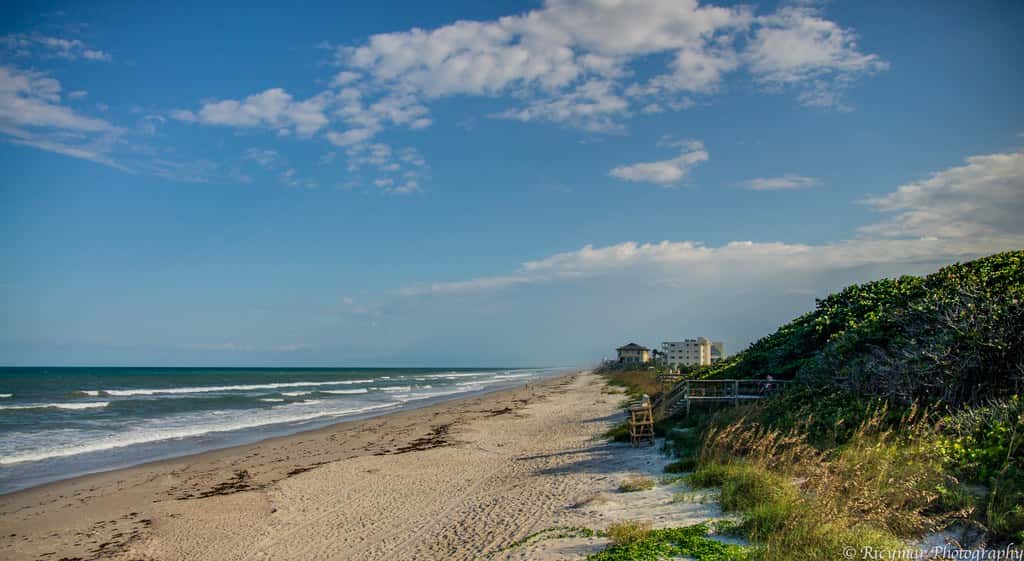
Dangerous heat settled over much of Florida in the final days of June, with the National Weather Service posting heat advisories across the state as feels-like temperatures climbed into the triple digits. Forecasters warned that an intense and prolonged heat wave building across the central and eastern United States could push temperatures to record-challenging levels around the July Fourth holiday, raising health risks for residents and the millions of visitors expected during the busy travel weekend.
Florida's summers are reliably hot and humid, but the combination of high temperatures and oppressive humidity can drive heat index values well above the actual air temperature, creating conditions that strain the body's ability to cool itself. With outdoor celebrations, beach trips, and theme-park visits all peaking over the holiday, officials and weather experts urged residents to take the heat seriously.
The convergence of extreme heat and a major holiday is what makes this particular stretch notable. On an ordinary summer day, Floridians can adjust their routines around the worst of the afternoon heat, but a holiday weekend draws large numbers of people outdoors for extended periods at exactly the time of day when conditions are most punishing. That overlap is part of why forecasters emphasized planning ahead rather than simply reacting to the temperature.
The current conditions
Heat advisories were in effect across North and North-Central Florida in late June, with forecast afternoon feels-like temperatures reaching into the middle to upper 100s in many areas. Earlier in the month, South Florida had already experienced heat index values in the range of 105 to 110 degrees, prompting local efforts to help vulnerable residents stay safe.
The heat index, which combines air temperature and humidity, is the key measure during Florida summers because the state's high moisture levels make hot days feel even hotter. When the heat index climbs into the triple digits, the risk of heat-related illness rises sharply, particularly for people working or exercising outdoors and for those without access to air conditioning.
Weather forecasts pointed to a broader heat wave intensifying across much of the country ahead of Independence Day, with highs across the East and Southeast running well above normal. In Florida, that pattern raised the possibility of record or near-record temperatures in cities including Miami, Orlando, Tampa, and Key West around the holiday.
Humidity is the factor that sets Florida's heat apart from drier parts of the country. The body cools itself primarily through the evaporation of sweat, and when the air is already saturated with moisture, that cooling mechanism becomes less effective. The result is that the same air temperature feels far more dangerous in Florida than it might elsewhere, which is why the heat index, rather than the thermometer reading alone, drives the advisories.
The Florida context
Florida's geography and climate make extreme heat a recurring summer hazard, but the danger is sometimes underestimated because hot weather is so routine. Heat is among the leading weather-related causes of illness and death nationally, and prolonged stretches of high temperatures and humidity compound the risk by giving the body little chance to recover overnight when temperatures stay elevated.
The state's large populations of older residents, outdoor workers, and people experiencing homelessness face heightened vulnerability. In urban areas, the heat-island effect can make city neighborhoods even hotter than surrounding areas, intensifying exposure for residents in dense communities. Local governments and nonprofits often respond by distributing water and directing people to cooling centers during severe heat events.
Extreme heat also intersects with Florida's energy system, since soaring temperatures drive up demand for air conditioning and strain the electrical grid. High usage during heat waves tests the capacity of utilities to meet demand, making reliable power especially important when temperatures spike.
The routine nature of Florida heat can itself be a hazard, because familiarity can breed complacency. Residents accustomed to hot summers may not register when conditions have crossed from merely uncomfortable into genuinely dangerous, and that gap between perception and risk is part of what public messaging during a heat wave aims to close. Advisories serve to mark when the heat warrants extra caution rather than business as usual.
Health risks and precautions
Heat-related illnesses range from heat cramps and heat exhaustion to heat stroke, a life-threatening condition that requires emergency care. Warning signs of heat exhaustion can include heavy sweating, weakness, dizziness, nausea, and headache, while heat stroke can involve confusion, a high body temperature, and the absence of sweating despite the heat. Recognizing these signs early can be critical.
Health experts generally advise people to stay hydrated, limit strenuous outdoor activity during the hottest parts of the day, seek air-conditioned spaces, and check on elderly neighbors and others at higher risk. Children and pets should never be left in parked vehicles, where temperatures can rise to deadly levels within minutes even on days that feel less extreme.
For the July Fourth weekend specifically, the convergence of extreme heat with outdoor festivities raises the stakes. Crowds at parades, fireworks displays, beaches, and theme parks will be exposed to the heat for extended periods, making shade, hydration, and breaks important for avoiding heat-related emergencies.
The body also needs time to adjust to extreme heat, and a sudden, prolonged spike can be especially taxing because it allows little opportunity to acclimate. When nighttime temperatures stay high, the usual overnight relief that lets the body recover is diminished, compounding the strain of consecutive hot days. That is one reason a multi-day heat wave can be more hazardous than a single hot afternoon.
What it means for Floridians
For residents and visitors, the immediate message from forecasters is to plan holiday activities with the heat in mind. That means scheduling outdoor events for cooler parts of the day where possible, carrying water, dressing for the conditions, and watching for signs of heat illness in themselves and others. The advisories are a signal that the conditions warrant genuine caution.
The heat also carries economic and logistical implications. Outdoor workers in construction, agriculture, and other sectors face difficult and potentially dangerous conditions, and employers are often urged to provide water, rest, and shade. Event organizers and venues managing large holiday crowds must account for the heat in their planning and emergency response.
For the tourism industry, which peaks during the holiday weekend, extreme heat is a familiar but serious factor. Theme parks, beaches, and attractions draw enormous crowds, and keeping visitors safe in the heat is part of operating during a Florida summer. The combination of record-challenging temperatures and holiday volume puts a premium on preparation.
Staying safe in the heat
The core advice from health and weather officials during dangerous heat tends to be straightforward but easy to neglect in the excitement of a holiday. Drinking water regularly, rather than waiting until thirst sets in, helps the body keep pace with the fluids lost to sweating. Lightweight, light-colored clothing and frequent breaks in shade or air conditioning can reduce the cumulative strain of time spent outdoors.
Planning around the clock matters as well. The hours surrounding midday and early afternoon are typically the most intense, so shifting strenuous activity to the morning or evening can meaningfully lower the risk. For those attending fireworks or other evening events, the heat can persist well after sunset, particularly when humidity keeps temperatures from dropping, so caution does not end when the sun goes down.
Looking out for others is a recurring theme in heat guidance. The people most at risk, including older adults, young children, and those with health conditions, may not recognize or communicate the early signs of heat illness. Checking on neighbors, keeping an eye on companions during outdoor gatherings, and knowing the warning signs of heat exhaustion and heat stroke can make the difference in catching a problem before it becomes an emergency.
What's next
Forecasters will continue to monitor the heat wave's intensity and duration through the holiday period, updating advisories as conditions evolve. Whether records fall will depend on the specifics of the pattern, but the broad expectation of well-above-normal temperatures across Florida and the eastern United States points to a hot and potentially hazardous stretch.
Local governments are likely to maintain cooling resources and public messaging as long as the advisories remain in effect, and utilities will be watching demand closely. Residents can stay informed by following National Weather Service updates for their area, which provide the most reliable guidance on heat-index levels and advisory timing.
The duration of a heat wave often matters as much as its peak intensity. A prolonged stretch of elevated temperatures, especially when overnight lows offer little relief, can wear on people, infrastructure, and emergency services in ways that a single hot day does not. As the advisories persist, the cumulative effect on vulnerable residents and on systems like the power grid tends to grow, which is why officials watch not only how hot it gets but how long the conditions last.
Public response can also influence how a heat wave plays out. When residents heed advisories, adjust their plans, and look after those at higher risk, the human toll of extreme heat can be reduced even when temperatures remain severe. That is part of why forecasters and local officials emphasize communication during these events, treating clear and repeated messaging as one of the most effective tools available for limiting heat-related illness and keeping the holiday weekend safe.
For now, the heat is a reminder that summer in Florida carries real risks alongside its appeal. As the state heads into the July Fourth weekend, the safest celebrations will be the ones that respect the temperature, prioritize hydration and shade, and keep an eye on the most vulnerable members of the community.
Spotted an issue with this article?
Have something to say about this story?
Write a letter to the editor