DeSantis Says 'Alligator Alcatraz' Immigration Detention Site Will Close
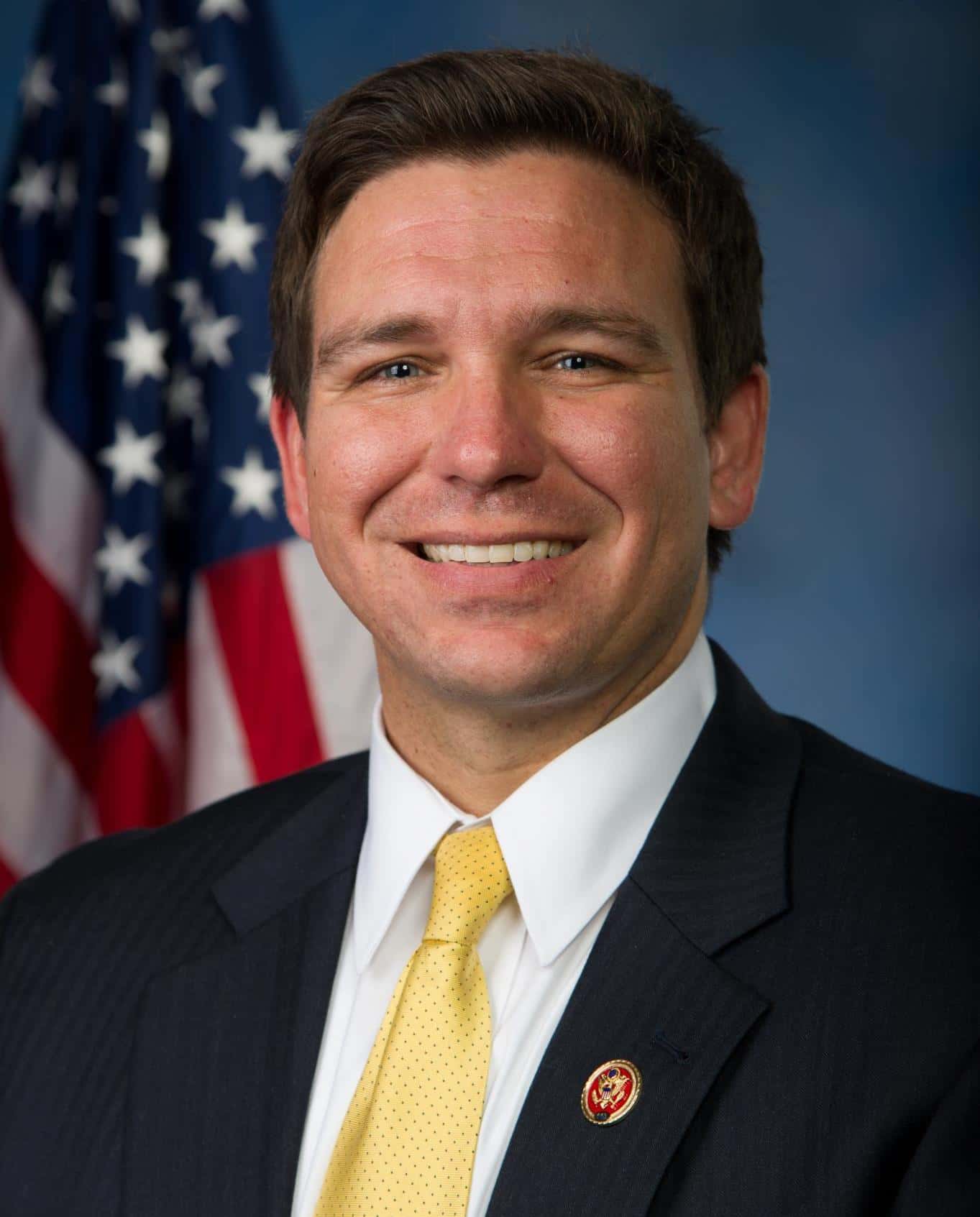
Governor Ron DeSantis said the state-backed immigration detention facility in the Everglades that became widely known as "Alligator Alcatraz" will be closed, according to public comments the governor made in late June. The announcement marks a turning point for a site that drew intense national attention, legal scrutiny, and protests over its remote location and conditions since it opened as part of Florida's expanded role in immigration enforcement.
What was announced
DeSantis indicated that the facility would be shut down, according to reporting on his remarks. The nickname "Alligator Alcatraz" attached itself to the site because of its isolated Everglades setting, surrounded by wetlands and wildlife, which supporters cast as a security feature and critics described as inhumane. The governor's comments signaled a wind-down of a project that Florida officials had promoted as a centerpiece of the state's immigration posture.
State officials had presented the facility as part of Florida's effort to support stepped-up federal immigration enforcement, positioning the state as a partner in detention and removal operations. The site's remote location was central to how officials described it, with the surrounding Everglades framed as a natural barrier. That same imagery fueled the nickname that quickly spread through national media coverage.
The specifics of the closure timeline, the handling of anyone held at the site, and the disposition of the facility itself are the kinds of operational details that typically follow such an announcement. As of the governor's remarks, the headline development was the decision to close, with the practical steps expected to be spelled out by state agencies involved in running the site.
The Florida context
Florida has taken an assertive posture on immigration in recent years, enacting state laws and directing state resources toward enforcement that has traditionally been a federal responsibility. That approach has repeatedly landed the state in court, where judges have weighed whether Florida's measures conflict with federal authority over immigration. The detention facility fit into that broader strategy of state involvement in an area dominated by Washington.
The Everglades setting placed the facility in one of Florida's most environmentally sensitive regions, a vast wetland system that the state and federal governments have spent billions of dollars trying to restore. Locating a detention operation in or near that landscape drew objections from environmental advocates as well as immigration critics, layering ecological concerns on top of the human rights and legal questions the site already raised.
The project also became a national symbol in the larger debate over immigration enforcement, drawing coverage far beyond Florida. Its nickname, its imagery, and its association with aggressive enforcement made it a reference point for both supporters who wanted to project toughness and opponents who saw it as emblematic of overreach. The decision to close it therefore carries symbolic weight beyond the specific site.
The tension between state and federal roles has been a recurring theme in Florida politics, and the facility sat squarely within that dynamic. States generally lack independent authority over immigration matters, which remain primarily the domain of the federal government, so Florida's decision to build and operate a detention site of its own tested the boundaries of what a state can do on its own initiative. How the closure is framed by officials may offer clues about how the state reads those boundaries going forward.
Reaction and scrutiny
The facility faced sustained criticism from immigration advocates, civil rights organizations, and some local officials, who raised concerns about conditions, access to legal counsel, and the appropriateness of the remote location. Those concerns generated protests and legal attention throughout the period the site was in use. Supporters, meanwhile, defended the facility as a legitimate tool in enforcing immigration law and backing federal operations.
Because immigration enforcement touches deeply held views across the political spectrum, the site became a flashpoint. Advocacy groups documented conditions and pressed legal and public-relations campaigns, while state officials defended the operation as lawful and necessary. The closure announcement is likely to be read by critics as a vindication of their objections and by supporters as a shift in strategy rather than a repudiation of the underlying enforcement goals.
The full record of legal challenges tied to the site, and how the closure affects any pending litigation, will come into focus as courts and agencies respond. Detention operations frequently generate lawsuits over conditions and due process, and the resolution of a facility does not automatically end related legal claims. Those cases can continue even after a site stops operating.
What it means for Floridians
For Florida taxpayers, the closure raises questions about the costs already incurred to stand up and run the facility and what happens to the resources committed to it. State-backed detention operations require funding for staffing, security, and infrastructure, and a shutdown prompts scrutiny of how much was spent and whether the investment achieved its stated goals. Those fiscal questions often surface in the aftermath of high-profile projects.
For Florida's large immigrant communities, the announcement lands amid ongoing uncertainty about the state's enforcement approach. Florida is home to millions of residents with ties to Latin America, the Caribbean, and beyond, and immigration policy decisions reverberate through neighborhoods, workplaces, and families across South Florida and other regions. The closure of one facility does not by itself resolve the broader questions about how the state will pursue enforcement.
For the Everglades region, the decision removes a detention operation from an ecologically sensitive area that has been the focus of major restoration efforts. Environmental advocates who objected to the site's location are likely to welcome its closure, though the long-term condition of the site and any restoration of the land would depend on subsequent decisions by the state and its partners.
Local impact and the Everglades
The facility's Everglades location tied it to a region that carries outsized importance for Florida's water supply, wildlife, and identity. The Everglades system feeds aquifers that supply drinking water to millions of South Florida residents, and its health is a recurring subject of state and federal policy. Placing and then removing a detention operation there intersects with that ongoing stewardship effort.
Nearby communities and local officials who weighed in on the site will watch how the closure is carried out, including any environmental remediation and the future use of the land and structures. Remote-site operations can leave behind infrastructure that must be dismantled or repurposed, and those steps involve their own costs and permitting considerations in a sensitive landscape.
The episode also feeds into the long-running conversation about balancing security and enforcement priorities against environmental protection in Florida. The state's willingness to site a facility in the Everglades, and its subsequent decision to close it, will inform how future proposals in sensitive areas are received by residents, advocates, and regulators.
A test case for state-run detention
Beyond its Florida-specific details, the site served as an early test of whether a state could stand up and sustain a detention operation of this kind on its own footing. Detention is a demanding undertaking that involves staffing, medical care, transportation, recordkeeping, and legal access, functions that the federal government and its contractors have built out over decades. A state venturing into that space takes on responsibilities and liabilities that are unfamiliar to most state agencies, and the difficulty of meeting them can shape whether such projects endure.
Other states weighing similar moves may study Florida's experience, from the initial rollout to the announced closure, as they consider the practical and political costs of direct involvement in detention. The Florida case suggests that ambition in this arena can collide with logistical, legal, and reputational hurdles that are hard to anticipate at the outset. Whether the closure is remembered as a cautionary example or a temporary setback will depend on what the state does next and how other officials interpret the outcome.
The site's short and turbulent history also underscores how quickly a single facility can become a national talking point. A location chosen partly for its remoteness ended up drawing sustained attention precisely because of that remoteness, illustrating how symbolic factors can overtake operational ones in the public debate over immigration. For Florida, the lesson may be that highly visible enforcement projects invite scrutiny that extends well beyond the state's borders.
The road ahead for Florida policy
The closure arrives at a moment when immigration remains a defining issue in Florida politics, and how state leaders characterize the decision could set the tone for the debates that follow. If officials present the shutdown as a routine adjustment, it may signal continuity in the state's broader enforcement goals even as the specific facility disappears. If it is framed as a response to the criticism the site attracted, that could indicate a greater willingness to reassess high-profile ventures.
Lawmakers, advocates, and residents will likely press for clarity on what the state learned and what comes next. Legislative oversight, budget reviews, and continued advocacy could keep the underlying questions alive well after the facility is gone. In a state where immigration policy carries significant weight for both governance and daily life, the direction Florida chooses from here may matter more than the fate of any single site.
What's next
The immediate questions center on the timeline and mechanics of the closure: when operations cease, how any individuals held there are handled, and what becomes of the site. State agencies involved in the facility are the natural source for those operational details, which typically follow a high-level announcement of this kind.
Beyond the site itself, the closure prompts a broader question about the direction of Florida's immigration enforcement strategy. The state has invested political capital and resources in an assertive approach, and observers will look for signals about whether the closure reflects a tactical adjustment or a larger recalibration. That direction will become clearer through subsequent policy decisions and any new initiatives.
Legal and fiscal accountability will also continue. Pending litigation, public records about the facility's costs, and oversight from lawmakers could keep the site in public view even after it stops operating. For Floridians on all sides of the immigration debate, the closure is a significant development, but the underlying policy questions it raised remain very much open.
Spotted an issue with this article?
Have something to say about this story?
Write a letter to the editorComments
No comments yet. Be the first to weigh in.
Related Coverage
Florida's Senate Special Election Tightens as Angie Nixon Pulls Even With Ashley Moody in New Polling
2d ago

Florida's Governor Race Enters the Final Five Weeks With Polls Telling Two Different Stories
3d ago

DeSantis Launches National Election Standards Push as Florida Tops 100 Voter Fraud Prosecutions
4d ago

Volusia County Council Adopts $1.7 Billion Budget at the Rolled-Back Rate
4d ago