Dolphins Close Minicamp on a High Note as Sweeping Rebuild Reshapes the Franchise
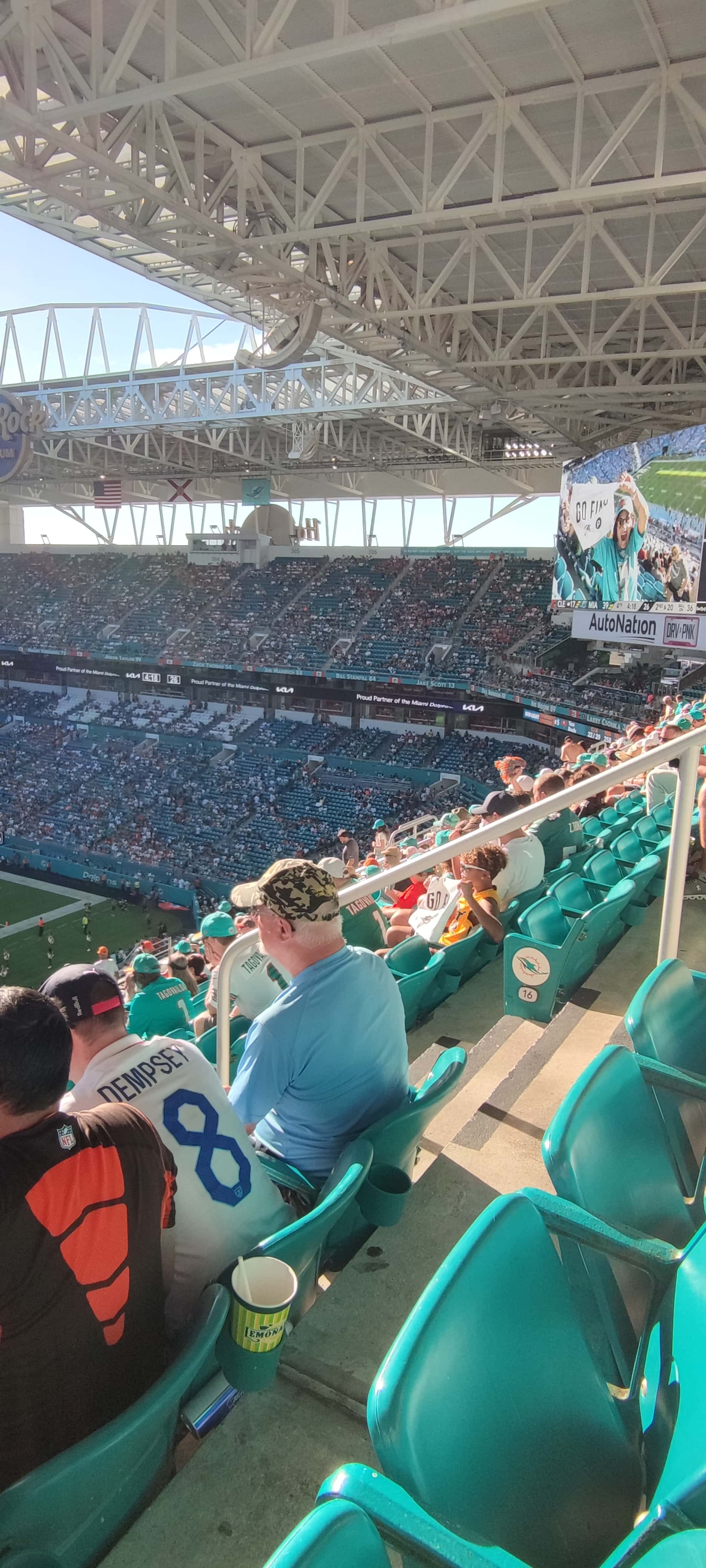
The Miami Dolphins wrapped their mandatory minicamp on Thursday, June 11, 2026, closing out the offseason's most significant on-field gathering in the midst of a sweeping franchise rebuild. Under new general manager Jon-Eric Sullivan and head coach Jeff Hafley, the organization has embraced a no-frills, ego-at-the-door culture change, one that has already produced dramatic roster turnover and a markedly different identity from the team Miami fielded just a year ago. The minicamp offered the first extended look at what that reset is beginning to take shape into.
The scale of the overhaul is hard to overstate. Over the course of the offseason, the Dolphins parted ways with several of the most recognizable names on their roster, reshaping the team's core through releases and trades. The moves signaled a deliberate break from the recent past and a willingness to absorb short-term upheaval in pursuit of a longer-term foundation built around Sullivan and Hafley's stated values.
For a fan base accustomed to building around established stars, the new approach represents a clear pivot. The emphasis on culture over name recognition, on competition over guaranteed roles, has touched nearly every position group. Minicamp served as an early checkpoint, a chance to see how the reshaped roster looks in practice and how the new leadership is setting the tone for the long road back to contention.
A Roster Stripped Down and Rebuilt
The offseason transactions tell the story of a franchise unafraid to start over. The Dolphins released quarterback Tua Tagovailoa, using a post-June-1 designation to manage the financial implications of the move. They also released wide receiver Tyreek Hill and linebacker Bradley Chubb, three departures that alone would have defined most teams' offseasons. The decisions removed established veterans who had been central to the roster's identity.
The changes did not stop there. Miami traded safety Minkah Fitzpatrick and wide receiver Jaylen Waddle, further thinning the ranks of familiar contributors and signaling that no position was insulated from the rebuild. Taken together, the releases and trades amounted to a near-total reshaping of the team's most visible talent, the kind of turnover that resets expectations and forces a roster to rebuild its chemistry from the ground up.
Moves of this magnitude carry both risk and intent. Clearing out established players creates roster space, financial flexibility, and opportunities for younger or newly acquired talent, but it also strips away continuity and proven production. The Dolphins' leadership has framed the changes as a deliberate cultural and structural reset rather than a teardown for its own sake, with the no-frills, ego-at-the-door philosophy guiding which players fit the vision.
The result heading into minicamp was a roster in transition, one searching for its new identity on the field. The departures created openings throughout the depth chart and placed a premium on the new arrivals and returning players to establish roles in a reshaped locker room.
The Quarterback Question
No position underwent a more consequential change than quarterback. With Tagovailoa released, the Dolphins signed Malik Willis to compete for the starting job. Willis arrives with an opportunity to seize the role, but he is still working to establish himself as the clear QB1, and the position remains one of the central storylines of the rebuild as the team moves toward training camp.
The transition from an established starter to an open competition reshapes the offense in fundamental ways. A new quarterback brings a different skill set, a different rhythm, and a different relationship with the receivers and coaches around him. For Willis, minicamp represented an early proving ground, a chance to build chemistry with his targets and demonstrate command of the offense Hafley and his staff are installing.
The quarterback situation also reflects the broader philosophy of the rebuild. Rather than committing to a high-priced, established option, the Dolphins have opted for competition and development, betting on growth within their new culture. That approach places significant weight on Willis's ability to take hold of the job and on the coaching staff's capacity to develop the position over the coming weeks and months.
How that competition resolves will shape much of Miami's outlook. A quarterback who establishes himself as a confident, reliable starter would give the rebuild a foundation to build around, while continued uncertainty at the position would leave a central question unanswered as the regular season approaches. For now, the role remains open, and the work of settling it continues.
Fresh Faces and Late Additions
The rebuild has also brought a wave of new arrivals, several of them announced in the days surrounding minicamp. The Dolphins signed first-round cornerback Chris Johnson, adding a high draft investment to the secondary. They brought in fifth-round tight end Seydou Traore, deepening a position group, and signed wide receiver Jalen Reagor, a veteran addition to a reshaped receiving corps thinned by the departures of Hill and Waddle.
Each addition serves a purpose within the rebuilt roster. Johnson, as a first-round selection, represents a long-term building block in the defensive backfield, particularly meaningful given the trade of Fitzpatrick. Traore and Reagor offer the kind of depth and competition the new staff has emphasized, with roles to be earned rather than assumed. The signings reflect a roster still being assembled, with the coaching staff sorting through options at multiple positions.
Not every move added to the roster. The Dolphins waived safety/linebacker Jordan Colbert with a failed-physical designation, a transaction that underscores the constant churn of an offseason roster. Such moves are routine in the construction of a team, but they also illustrate how fluid the depth chart remains as Miami works toward its final composition.
The volume of recent transactions speaks to a roster still in flux. With established veterans gone and a mix of draft picks, signings, and competitions filling the gaps, the Dolphins enter the summer with many roles undecided. Minicamp gave the new arrivals their first meaningful reps within the system, an early step in determining where each fits.
A Culture Change at the Core
At the heart of the rebuild is a deliberate culture change driven by Sullivan and Hafley. The pair have pushed a no-frills, ego-at-the-door approach, emphasizing accountability, competition, and a team-first mentality over individual star power. That philosophy helps explain the willingness to move on from high-profile players whose departures might otherwise seem counterintuitive.
Culture-driven rebuilds prioritize the locker room environment as much as the talent on the field. The idea is that a cohesive, hardworking group with clearly defined values can outperform a more talented but fractured one, and that establishing those standards early creates a foundation for sustained success. For Miami's new leadership, minicamp was an opportunity to reinforce that message through the structure and tone of practice.
The approach demands buy-in from players new and old. Veterans who remain must adapt to the new expectations, while arrivals must absorb the culture from the outset. The ego-at-the-door framing sends a pointed signal that no player is above the team's standards, a message reinforced by an offseason in which even the most prominent names were not guaranteed a place.
Whether the culture change produces results on the field will take time to judge. Cultural foundations are built over months and seasons, not days, and the early offseason work represents only the beginning. The minicamp gave the new staff a chance to set the tone, but the lasting impact of the philosophy will reveal itself across training camp and beyond.
Closing on a Positive Note
For all the upheaval, minicamp ended on an encouraging beat. The final sessions featured red-zone team periods that produced four touchdown passes, a tangible sign of progress in an area where execution often separates competitive offenses from struggling ones. Scoring inside the red zone requires precision and timing, and the productive finish offered the new staff a positive marker to carry into the break.
Red-zone success early in the offseason should be read in context. Minicamp practices are not games, and the conditions differ markedly from regular-season competition. Still, the ability to convert in tight spaces reflects developing chemistry between the quarterbacks and receivers and a grasp of the offensive concepts the staff is teaching. For a reshaped offense searching for cohesion, those touchdowns represented meaningful early reps.
The positive finish also matters for momentum and morale. A rebuild defined by difficult roster decisions benefits from on-field signs of progress, however modest, to validate the direction and energize the group heading into the summer. Ending the team's mandatory work with a flurry of red-zone scores gave players and coaches something constructive to build on.
It would be a mistake, however, to draw firm conclusions from a single set of practice periods. The Dolphins remain early in a long process, and the work of integrating new players, settling the quarterback competition, and establishing the new culture is far from complete. The minicamp's strong close is best understood as an encouraging step, not a verdict on where the rebuild stands.
What's Next
With minicamp complete, the Dolphins now turn toward training camp, the next major phase of the offseason and the point at which roster competitions begin to crystallize. The quarterback situation will remain a focal point, as Willis continues working to establish himself as the clear starter and the staff evaluates the position in a more intensive setting. Training camp will bring extended reps and sharper competition across the depth chart.
The reshaped roster will also continue to take form. The new arrivals, from first-round cornerback Chris Johnson to the veterans and late-round picks added in recent weeks, will fight to define their roles, while the departures of established stars leave openings for younger players to claim. The churn of signings, waivers, and adjustments that characterized the offseason is likely to continue as Miami refines its group.
Above all, the rebuild under Sullivan and Hafley remains a long road, and the franchise reset will be measured over time rather than in a single offseason. The minicamp offered early signs of the culture and direction the new leadership intends to establish, capped by a productive red-zone finish, but the meaningful tests lie ahead. For the Dolphins, the work of rebuilding has only just begun, and the months to come will reveal how the foundation laid this spring holds up.
Spotted an issue with this article?
Have something to say about this story?
Write us a letterComments
No comments yet. Be the first to weigh in.
Related Coverage
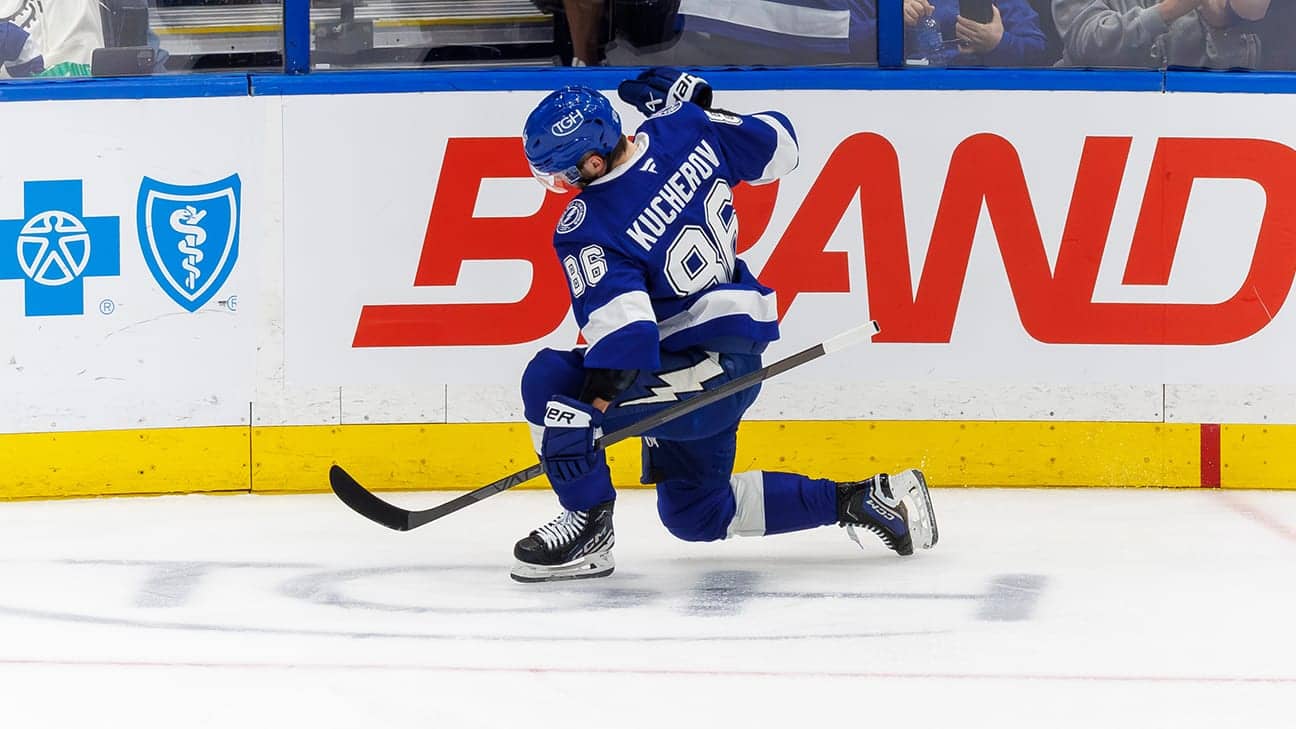
Nikita Kucherov Passes Steven Stamkos as Lightning's All-Time Points Leader in OT Loss to Mammoth
1h ago

Hornets Beat Heat 115-110 as Giannis Antetokounmpo Fouls Out and Miami Falls to 0-3
2h ago

Timberwolves Dominate the Glass, Rout Magic 115-93 at Kia Center as Orlando Falls to 0-2
23h ago

Pistons Beat Heat 128-111 as Giannis Antetokounmpo's 36 Points Can't Fix Miami's Defense in 0-2 Start
1d ago