Fed Holds Rates Steady, Keeping Florida Mortgage Affordability Tight
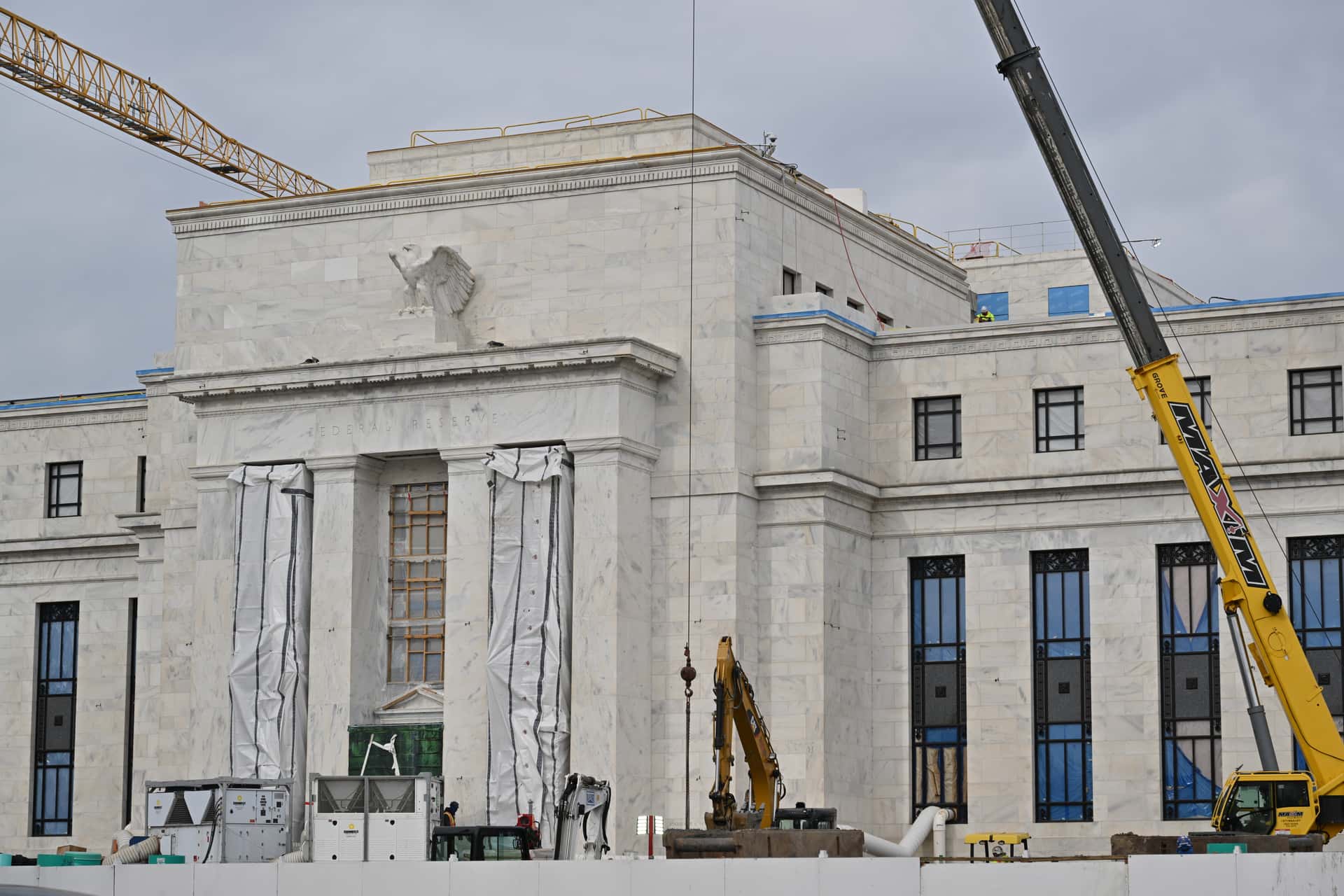
The Federal Reserve held its benchmark interest rate steady at a range of 3.5% to 3.75% at its June 16-17, 2026 meeting, extending a pause it has maintained throughout the year as it tries to balance lingering inflation against a strong labor market. For Florida, where housing affordability has become a defining economic strain, the decision lands first and foremost as a housing story, one that keeps mortgage rates elevated and the dream of homeownership stubbornly out of reach for many.
Mortgage rates currently sit around 6.5% and are expected to stay elevated, a level that continues to squeeze buyers in Miami, Tampa, Orlando and across the state. With the central bank declining to cut, the cost of borrowing to buy a home remains high, slowing sales, freezing existing owners in place and compounding the affordability pressures that have come to define Florida's housing market. The Fed's caution in Washington translates directly into tight conditions on Florida's front porches.
The meeting reportedly came early in the tenure of the central bank's new leadership, which inherited a delicate balancing act between an economy that is not slowing enough to justify cuts and inflation that has not fully cooled. The updated projections released alongside the decision revealed a divided committee, with the path for the rest of the year far from settled. For Florida buyers and sellers, that uncertainty only adds to the difficulty of planning a move.
The decision to hold
By keeping its benchmark rate in the 3.5% to 3.75% range, the Fed signaled that it is not yet convinced the time is right to ease. The pause, which the central bank has maintained through 2026, reflects a judgment that the risks of cutting too soon, potentially reigniting inflation, outweigh the costs of holding steady a while longer. It is a cautious posture from policymakers wary of declaring victory prematurely.
The central bank's reasoning centers on a familiar tension. Inflation, while off its peaks, has not fully returned to the Fed's comfort zone, and a strong labor market gives officials little urgency to stimulate the economy with lower rates. When employment is solid, the case for cutting weakens, because cuts are typically deployed to support a faltering economy rather than a resilient one. The Fed is essentially waiting for clearer evidence before changing course.
The decision reportedly came early in the tenure of the central bank's new leadership, which is navigating these crosscurrents in its first major meetings. New leadership at the Fed inevitably draws scrutiny, as markets and the public look for signals about how its priorities might differ from the past. In this case, the choice to hold suggests continuity with the cautious approach that has characterized the year, at least for now.
For ordinary Americans, and Floridians in particular, the practical upshot of the hold is that borrowing costs are not coming down. The Fed's benchmark rate influences a wide range of lending, and its decision to keep that rate elevated means the high-cost environment that has defined the housing market persists. Nothing about the June meeting offered relief to buyers hoping for cheaper credit.
A divided committee and the dot plot
Alongside the rate decision, the Fed released an updated "dot plot," the chart that shows where individual policymakers expect rates to head. This time, the dots revealed a notably split committee. Several officials projected a possible hike before year-end, an outcome that would push borrowing costs even higher, while others leaned toward holding or eventually easing. The lack of consensus is itself a signal of how uncertain the economic picture has become.
Most officials now see the year-end rate landing somewhere between roughly 3.6% and 4.1%, a range that spans from essentially the current level to a meaningful increase. That spread captures the genuine disagreement on the committee about whether inflation or labor-market strength should dominate the policy outlook. For markets and households trying to plan, the wide range underscores that the direction of rates over the second half of the year is not locked in.
The possibility of a hike is particularly significant for housing. While buyers had at various points hoped for cuts that might ease mortgage costs, the dot plot's hint at potential increases points in the opposite direction. If the Fed were to raise rates before year-end, the pressure on mortgage costs could intensify rather than relax, a prospect that complicates the calculations of anyone weighing a home purchase in Florida.
The division on the committee reflects the broader difficulty of the moment. With inflation not fully tamed and the labor market still strong, reasonable policymakers can disagree about the right path, and the dot plot makes that disagreement visible. For Florida's housing market, the takeaway is that relief is far from guaranteed, and the risk of higher rates remains very much alive.
Why this is a Florida housing story
For Florida, the Fed's decision is overwhelmingly a housing story. Mortgage rates around 6.5%, expected to stay elevated, sit at the center of the state's affordability crunch, and the central bank's refusal to cut keeps those rates from falling. In a state where housing costs have surged and where many residents have been priced out of the market, the connection between the Fed's pause and the strain on buyers could hardly be more direct.
Elevated mortgage rates make homeownership more expensive in the most basic way: they raise the monthly cost of carrying a loan. A buyer in Miami, Tampa or Orlando faces dramatically higher payments at 6.5% than they would at the low rates of a few years ago, even for the same home at the same price. That math keeps affordability tight across Florida's major metros, where prices were already high before borrowing costs climbed.
The result is a market that has cooled without becoming affordable. High rates have slowed home sales, as fewer buyers can qualify or stomach the monthly cost, but they have not necessarily brought prices down to levels that restore affordability. Florida finds itself in an uncomfortable middle ground: a cooling market that remains pricey, where transactions have slowed but the dream of homeownership stays out of reach for many.
This dynamic is felt unevenly but widely. Across the state's major population centers, the combination of high prices and high rates has reshaped who can buy, when, and where. For a state that has long marketed itself as a destination for newcomers and retirees alike, the affordability squeeze poses a real challenge, touching everyone from first-time buyers to families hoping to move up.
The lock-in effect and frozen sales
One of the most consequential effects of elevated rates is the so-called lock-in phenomenon. Many existing Florida homeowners secured mortgages at much lower rates during earlier periods, and with current rates around 6.5%, they have little incentive to sell and take on a new, far more expensive loan. The result is that homeowners stay put, locked in by the low rates they already hold, which keeps homes off the market and constrains supply.
That dynamic creates a self-reinforcing squeeze. When existing owners decline to sell, fewer homes are listed, which limits the options available to buyers and helps keep prices elevated even as demand cools. The lock-in effect therefore works against affordability from the supply side, even as high rates work against it from the cost side. Buyers face both fewer choices and higher financing costs at the same time.
For sellers who do want or need to move, the calculation is fraught. Trading a low-rate mortgage for one at 6.5% can mean a substantial jump in monthly payments, even when moving to a comparable home, which discourages the kind of routine turnover that keeps a housing market fluid. The friction this introduces slows the entire system, contributing to the frozen feel of a market where many would-be transactions simply do not happen.
The practical effect across Florida is a market that has lost some of its dynamism. Sales have slowed, inventory remains constrained in many areas, and the natural churn of people buying and selling has been dampened by the rate environment. Until borrowing costs ease, the lock-in effect is likely to persist, keeping a lid on the supply of homes and reinforcing the affordability pressures buyers already face.
Insurance and property-tax pressures compound the strain
Mortgage rates are only one piece of Florida's affordability puzzle. The state's well-documented insurance-cost pressures interact with elevated borrowing costs to strain buyers further. Homeowners in Florida have faced significant increases in property insurance, and those costs add directly to the expense of owning a home, layering onto an already-high mortgage payment to make the overall cost of homeownership even more daunting.
Property taxes add another layer. As home values have risen across the state, the property-tax burden has grown for many owners, contributing to the total cost of carrying a home alongside the mortgage and insurance. For buyers calculating whether they can afford a purchase, these recurring costs matter as much as the loan itself, and in Florida they have been climbing in ways that compound the rate-driven squeeze.
Taken together, high mortgage rates, elevated insurance costs and rising property taxes form a triple pressure on Florida buyers. Each factor alone would strain affordability; combined, they create a particularly difficult environment, especially for first-time buyers and those on fixed or modest incomes. The Fed's decision to hold rates does nothing to relieve the insurance and tax pressures, and by keeping mortgage costs high it leaves all three burdens firmly in place.
This combination helps explain why Florida's affordability challenge feels especially acute. In some markets, the cost of credit is the dominant concern; in Florida, it joins a stack of other rising costs unique to the state's risk profile and growth. The Fed's pause is one input into that broader squeeze, and an important one, but it operates alongside forces that are distinctly Floridian.
What's next
Looking ahead, the central question is whether the Fed will hold, cut or hike as the year unfolds. The divided dot plot, with most officials seeing a year-end rate between roughly 3.6% and 4.1% and several projecting a possible increase, leaves the path genuinely uncertain. For Florida's housing market, that uncertainty means buyers and sellers cannot count on relief, and may even need to brace for higher rates before any easing arrives.
Mortgage rates around 6.5% are expected to stay elevated in the near term, which suggests the affordability squeeze, the lock-in effect, slowed sales and the layering of insurance and tax costs will persist. Until the Fed signals a clear move toward cuts, Florida's cooling-but-pricey market is likely to remain stuck in its current pattern: expensive, slow and difficult for many would-be buyers to enter.
For Floridians weighing a move, the message from the June meeting is one of patience and caution. The forces shaping the state's housing market, from the Fed's benchmark rate to the unique pressures of insurance and property taxes, are not poised to ease overnight. How the central bank's new leadership navigates the months ahead will help determine whether Florida's affordability strain begins to loosen or simply settles in for the long haul.
Spotted an issue with this article?
Have something to say about this story?
Write a letter to the editor