Federal Reserve Holds Rates and Signals Hawkish Turn Squeezing Florida Buyers
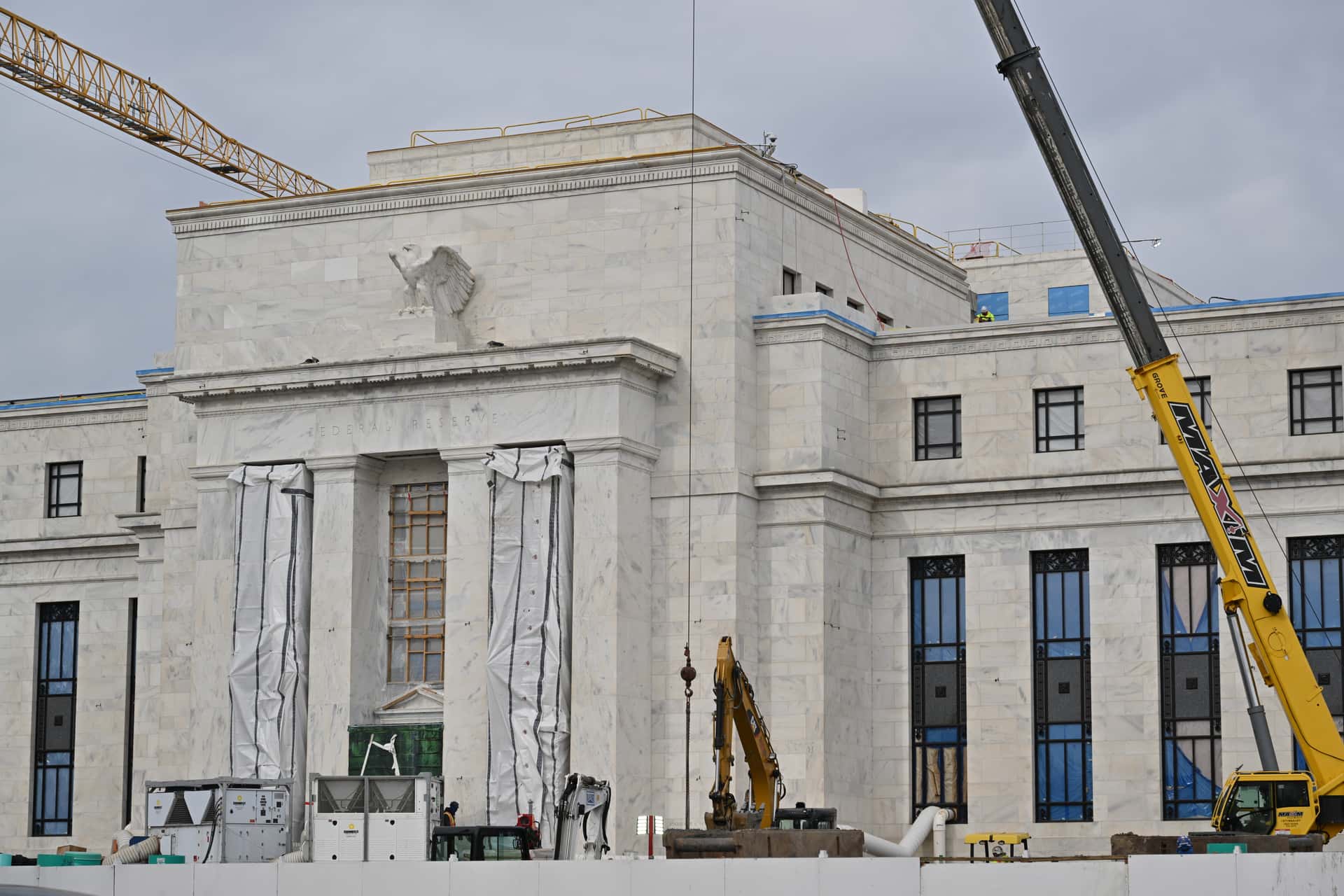
The Federal Reserve held its benchmark interest rate steady on June 17, 2026, keeping the federal funds rate in a range of 3.5% to 3.75% in a unanimous 12-0 vote, while signaling a more hawkish path ahead that threatens to keep borrowing costs elevated for Florida homebuyers. The decision, the first meeting chaired by new Fed Chair Kevin Warsh, leaves rates where they have been while pointing toward the possibility of at least one increase later this year. For Floridians, the implications land squarely on the cost of mortgages, the affordability of homes, and the financing that underpins rate-sensitive industries across the state.
A Hawkish Hold
While the Fed's decision to leave rates unchanged was unanimous, the accompanying projections told a more aggressive story. The median projection for the federal funds rate at the end of 2026 rose to 3.8%, up from 3.4% in March. That upward revision implies that at least one rate hike could be needed before the year is out, a notable shift in tone from earlier in the year and a signal that the central bank sees more risk of persistent inflation than it did a few months ago.
The committee itself was split on the path forward. Of the projections submitted, nine officials anticipated at least one rate hike this year, eight expected no change, and one foresaw a cut. That division reflects genuine uncertainty among policymakers about how the economy will evolve, but the tilt toward those expecting increases is what gives the meeting its hawkish character. The balance of opinion leaned toward tighter policy rather than easier.
The Fed also raised its inflation outlook. The committee lifted its year-end projection for PCE inflation, its preferred gauge, to 3.6%, up sharply from 2.7% in March. Officials cited uncertainty tied in part to conflict in the Middle East, a factor that can drive up energy prices and complicate the inflation picture. A higher inflation forecast helps explain the more hawkish rate path, since persistent price pressures typically call for tighter monetary policy.
A New Chair Takes the Helm
The June meeting marked the first chaired by Kevin Warsh as the new leader of the Federal Reserve. A change at the top of the central bank always draws attention, as markets and observers look for signals about how a new chair will approach policy. The unanimous vote to hold, paired with a hawkish set of projections, offered an early indication of the committee's posture under the new leadership.
For Florida, the identity of the Fed chair matters because the central bank's decisions reverberate through the state's economy. Interest rates set in Washington shape the cost of mortgages in Miami, the financing of new homes in Orlando, and the loans that support businesses across the state. A new chair signaling vigilance on inflation suggests that relief from high borrowing costs may not come quickly.
The hawkish framing also sets expectations for the meetings ahead. With the committee divided but leaning toward at least one hike, Florida borrowers face the prospect of continued or even higher rates rather than the cuts that would ease their costs. The new chair's approach will be tested in the months to come as the economy delivers more data on inflation and growth.
Mortgage Costs Stay High for Florida Buyers
The most direct effect of the Fed's stance on everyday Floridians runs through mortgage rates. Elevated benchmark rates keep 30-year mortgage costs high, raising the monthly payment required to finance a home. For Florida buyers already navigating a challenging market, the Fed's signal that rates could move higher rather than lower compounds the affordability pressure they face.
A higher mortgage rate increases the cost of every home purchase, regardless of the sale price. A buyer financing a typical Florida home pays substantially more each month at current rates than they would have at the lower rates of recent years. That added cost reduces how much house buyers can afford and pushes some prospective purchasers out of the market entirely, dampening demand even as the state's population continues to grow.
The Fed's hawkish projections suggest that the relief many buyers have hoped for may remain out of reach for now. With the median projection pointing toward 3.8% by year-end and a meaningful share of officials anticipating a hike, the prospect of falling mortgage rates appears more distant. For Florida buyers, that means continuing to plan around elevated financing costs rather than counting on imminent reductions.
The Florida Affordability Squeeze
Mortgage costs are only one part of the affordability equation in Florida, where homebuyers face a distinctive double burden. The state's homeowners contend with high property-insurance premiums on top of their mortgage payments, a combination that makes the true cost of ownership especially steep. When elevated interest rates meet high insurance costs, the squeeze on Florida households intensifies.
The interplay of these two forces is what makes the Fed's decision particularly consequential for Florida. A buyer evaluating a purchase must account for both the monthly mortgage payment, inflated by high rates, and the annual insurance premium, which in many parts of the state runs into the thousands of dollars. Together, these expenses can push the cost of ownership beyond what many families can manage, even when home prices themselves have stabilized.
The Fed's hawkish turn does nothing to ease that burden and may deepen it if rates rise further. While insurance costs are driven by factors specific to Florida's hurricane exposure and its insurance market, mortgage costs flow directly from monetary policy set in Washington. The June decision keeps one half of the affordability squeeze firmly in place, leaving Florida buyers to absorb the combined pressure.
Rate-Sensitive Sectors Feel the Pressure
Beyond individual buyers, the Fed's policy reaches deep into Florida's rate-sensitive industries. Real estate, homebuilding, and tourism financing all depend on the cost of borrowing, and elevated rates raise costs across each of these sectors. As pillars of the state's economy, their health is closely tied to the trajectory of interest rates.
For homebuilders, higher rates raise the cost of construction financing and dampen buyer demand, a combination that can slow new development. When buyers struggle to afford mortgages, builders see weaker sales, which can lead to fewer housing starts and reduced activity in a sector that employs many Floridians. The Fed's signal that rates could stay high or rise further casts a shadow over the outlook for new construction.
Tourism, a cornerstone of Florida's economy, also feels the effects through financing. The hotels, attractions, and hospitality businesses that draw visitors to the state rely on credit to operate and expand, and higher rates increase those costs. Real estate more broadly, from residential transactions to commercial development, responds to the cost of money. With the Fed leaning hawkish, these rate-sensitive sectors face continued headwinds that shape employment and growth across Florida.
Inflation and Global Uncertainty
The Fed's decision to lift its inflation projection reflects concerns that price pressures may prove more stubborn than earlier forecasts suggested. By raising its year-end PCE inflation projection to 3.6% from 2.7% in March, the committee acknowledged that the path back to its target has grown more difficult. That revision is significant, because inflation expectations heavily influence how the central bank sets policy and how long it keeps rates elevated.
Officials cited uncertainty tied in part to conflict in the Middle East as a factor clouding the outlook. Geopolitical tensions in the region can disrupt energy markets and push up oil prices, which feed through to inflation across the broader economy. For Florida, a state where driving distances are long and energy costs touch everything from transportation to air conditioning, higher energy prices carry a direct effect on household budgets already stretched by housing costs.
The interplay between global events and domestic monetary policy underscores how forces far beyond Florida's borders shape conditions within the state. A conflict thousands of miles away can influence the inflation data the Fed watches, which in turn affects the interest rates that determine Florida mortgage costs. The June projections made that connection explicit, linking international uncertainty to the central bank's more cautious, hawkish posture and, by extension, to the financial pressures facing Florida residents.
Shaping Florida's Housing Future
Taken together, the Fed's decision and projections help define the contours of Florida's housing affordability for the months ahead. Elevated mortgage costs, layered atop high insurance premiums, set the boundaries within which buyers, sellers, and builders operate. The June meeting reinforced those boundaries rather than loosening them, keeping affordability a central challenge for the state.
The path of interest rates will continue to be a decisive factor in how Florida's housing market evolves. If the Fed follows through on the hawkish path its projections imply, mortgage costs could climb higher, further constraining demand and pressuring prices. If, instead, inflation cools and the committee shifts toward easing, the relief could revive buyer activity and improve affordability. For now, the central bank's signal points toward the former rather than the latter.
Floridians watching their household budgets and the broader market will be attuned to every signal from the central bank. Because the state's affordability picture is so closely linked to the cost of borrowing, the Fed's decisions carry outsized weight for Florida. The June meeting underscored that link, tying the fortunes of Florida buyers and the industries that serve them to the deliberations of policymakers in Washington.
What's Next
With rates held at 3.5% to 3.75% and the committee signaling a possible hike, attention turns to the Fed's upcoming meetings and the inflation data that will guide them. The median projection of 3.8% by year-end and the division among officials, with nine anticipating a hike, eight no change, and one a cut, leave the path genuinely uncertain. Developments in the Middle East and their effect on energy prices and inflation will weigh heavily on the committee's decisions, as the raised PCE projection of 3.6% makes clear. For Florida, the stakes are high, since the trajectory of rates will shape mortgage costs, the affordability squeeze facing buyers, and the health of rate-sensitive sectors from real estate to tourism. As the new Fed chair charts his course, Floridians will be watching closely for any sign of whether relief or further tightening lies ahead.
Spotted an issue with this article?
Have something to say about this story?
Write a letter to the editor