FEMA Approves Another $89 Million for Florida Storm Recovery and Mitigation Projects
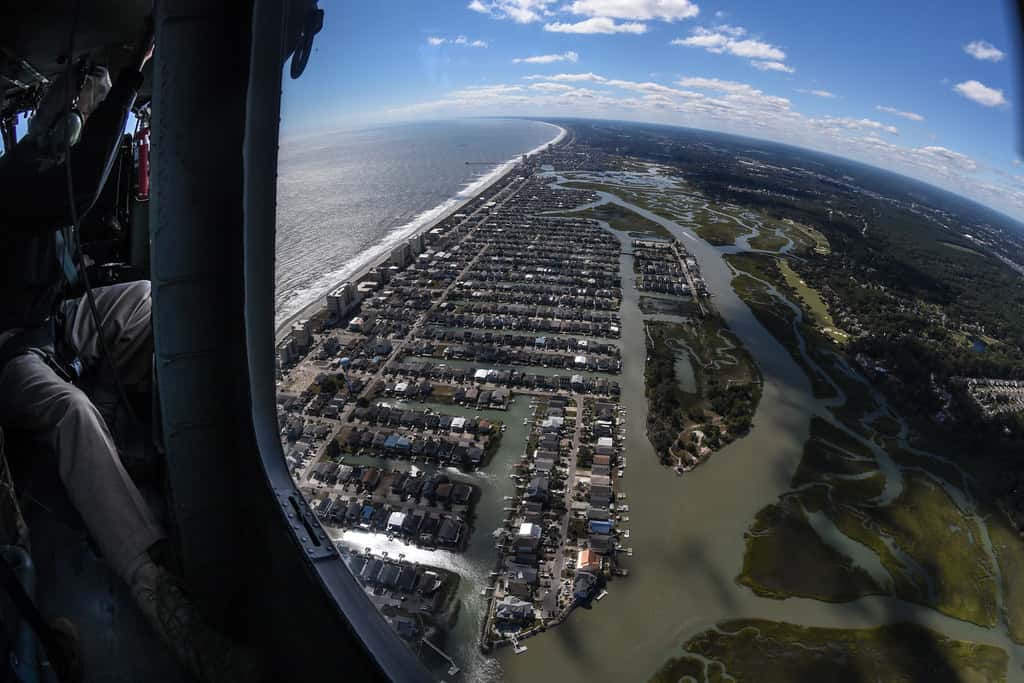
The Federal Emergency Management Agency has approved more than $89 million in funding for Florida recovery and hazard mitigation projects tied to recent hurricanes, part of a larger stream of federal disaster aid that has directed hundreds of millions of dollars to the state. The funding, announced in mid-June, supports debris removal, protective measures, home elevation, and other work across communities still recovering from a series of damaging storms.
What the funding covers
According to FEMA, the more than $89 million supports over 70 recovery and hazard mitigation projects in Florida communities affected by Hurricanes Debby, Helene, Milton, and other past disasters. The funding is divided among several federal programs, each addressing a different aspect of recovery, from immediate cleanup to longer-term efforts to reduce future damage. The projects span multiple communities across the state.
A portion of the funding, more than $14 million, flows through the Hazard Mitigation Grant Program to support the state's home-hardening initiative, including money to help homeowners raise existing properties, rebuild more resiliently, or take other protective steps. Elevating homes in flood-prone areas is a proven way to reduce future losses, and the mitigation funding is designed to lessen the damage from storms yet to come.
The largest share, more than $69 million, comes through FEMA's Public Assistance program, which reimburses state and local governments for eligible recovery costs. That includes a substantial award for debris removal, emergency protective measures, and recovery of state parks and beaches following multiple disasters. Additional funds support disaster unemployment and case management programs that help survivors rebuild their lives.
The distribution of the funding across these separate programs illustrates how federal disaster aid is structured to match different stages of recovery. Public Assistance dollars tend to move first, addressing the visible cleanup and restoration that communities need in the weeks and months after a storm. Mitigation dollars, by contrast, look ahead, funding the structural improvements that can spare a home or a public building from the next flood. Survivor-focused programs sit alongside both, filling the gaps that repair budgets alone cannot cover.
How federal disaster programs work
Federal disaster assistance is not a single fund but a layered system of programs, each with its own eligibility rules and cost-share arrangements. Public Assistance generally reimburses governments and certain nonprofit entities for a share of eligible recovery costs, with the federal government covering the majority and state and local partners contributing the balance. That arrangement is meant to spread the financial burden of large-scale recovery so that no single level of government bears it alone.
The Hazard Mitigation Grant Program operates on a longer horizon. Rather than restoring what a storm destroyed, it funds projects intended to reduce the risk of damage in future events, such as elevating flood-prone homes, strengthening roofs and openings, and improving drainage. Because major disasters trigger additional mitigation dollars, each storm that brings destruction also opens a window to invest in resilience, giving communities a chance to rebuild in a way that is less likely to fail when the next hurricane arrives.
For Florida, understanding this structure matters because the state draws on all of these programs, often simultaneously and often for several storms at once. A community recovering from one hurricane may still be closing out projects from an earlier one while beginning mitigation work meant to blunt the impact of a storm that has not yet formed. That overlapping activity is a defining feature of disaster recovery in a state where hurricane seasons arrive in close succession.
The scale of federal aid to Florida
The $89 million announcement is one piece of a much larger federal commitment to Florida's recovery. FEMA figures indicate the agency provided nearly $371 million to the state from post-disaster grant programs over the roughly 90 days preceding the mid-June announcement. That pace of funding reflects the extent of the damage Florida has sustained from recent hurricane seasons and the ongoing nature of recovery.
Federal disaster aid is a critical resource for states hit by major storms, covering costs that would otherwise strain state and local budgets. The programs are designed to help communities clean up, restore public infrastructure, assist affected residents, and reduce vulnerability to future events. For a state as exposed to hurricanes as Florida, that federal support is a recurring and essential component of recovery.
The multiple storms referenced in the funding, including Hurricanes Debby, Helene, and Milton, underscore the cumulative toll recent seasons have taken on Florida. Recovery from major hurricanes extends well beyond the immediate aftermath, often continuing for months or years as communities rebuild infrastructure, restore public facilities, and help residents return to normalcy. The ongoing funding reflects that extended timeline.
Viewed against that backdrop, the nearly $371 million figure is best understood not as a one-time infusion but as the running total of a sustained relationship between the state and its federal partners. Money approved in one announcement funds work that may continue long after the headlines fade, and each new tranche layers onto obligations already in motion. The steady cadence of these approvals suggests that Florida's recovery is measured less in single events than in the accumulation of many overlapping efforts.
The Florida context
No state relies on federal disaster assistance more consistently than Florida, whose geography exposes it to hurricanes along both its Atlantic and Gulf coasts as well as inland flooding. Recent seasons have delivered costly storms that damaged homes, businesses, public infrastructure, and natural areas, generating extensive recovery needs. The federal funding helps the state and its communities address those needs.
Florida's vulnerability is rooted in a combination of factors that few other states share to the same degree. Its long, low-lying coastline places millions of residents within reach of storm surge, while its warm surrounding waters can fuel rapid intensification of tropical systems. A large and growing population, much of it concentrated in coastal counties, means that even a single storm can affect an enormous number of homes and businesses. Together, these conditions make the state a near-constant focus of federal disaster planning and spending.
The mitigation component of the funding, including support for elevating homes, reflects a growing emphasis on reducing future damage rather than simply repairing what storms destroy. Investing in resilience can lower the costs of future disasters, a priority in a state that faces repeated hurricane threats. Home-hardening and elevation programs are among the tools used to make communities more resistant to storm damage.
The funding also intersects with Florida's broader challenges, including the property insurance market and the affordability of living in storm-prone areas. Reducing vulnerability through mitigation can, over time, ease some of the pressures that repeated disasters place on insurers and homeowners. The connection between federal recovery efforts and the state's insurance and housing landscape is a recurring theme.
Resilience as a long-term strategy
The steady inclusion of mitigation dollars in recent funding rounds points to a shift in how disaster recovery is approached in Florida and across the country. For much of the history of federal disaster policy, the emphasis fell on response and repair, restoring communities to the condition they were in before a storm. In recent years, more attention has gone to building back in ways that can withstand the next event, an approach that treats each recovery as an opportunity to reduce future risk.
Home elevation illustrates the logic of that strategy. A house raised above the level of expected flooding is far less likely to sustain the kind of damage that forces families out and drives up recovery costs. Multiply that protection across many homes and communities, and the potential savings over a series of storm seasons can be substantial. The same principle applies to hardened roofs, reinforced openings, and improved public drainage, each of which lowers the odds of catastrophic loss.
For a state that can expect to face hurricanes year after year, resilience investment carries an appeal that goes beyond any single storm. Every dollar spent making a home or a public facility more storm-resistant is a dollar that may reduce the scale of future recovery, easing the demands placed on both public budgets and private households. That calculus helps explain why mitigation has become a durable feature of Florida's disaster funding rather than an afterthought.
What it means for Floridians
For residents in affected communities, the federal funding translates into tangible recovery work: debris cleared, public facilities restored, and support for those who lost income or need help navigating recovery. The Public Assistance funding that reimburses local governments helps communities restore the infrastructure and services residents depend on, from roads to parks to emergency operations.
Homeowners in flood-prone areas stand to benefit from the mitigation funding that supports elevating and hardening properties. Those measures can reduce the risk of future damage and, in some cases, lower flood insurance costs. Programs that help homeowners make their properties more resilient offer a path to greater security in a state where storms are a persistent threat.
The disaster unemployment and case management support addresses the human dimension of recovery, helping survivors who lost work and guiding them through the process of rebuilding. Recovery is not only about infrastructure but also about people, and those programs provide assistance to individuals and families working to recover from the disruption that major storms cause.
Preparing for the next storm
The timing of the funding, in the early part of the 2026 hurricane season, underscores that recovery from past storms overlaps with preparation for future ones. Florida is perennially in a cycle of responding to, recovering from, and bracing for hurricanes, and federal funding supports multiple points in that cycle. Mitigation work, in particular, aims to lessen the impact of storms still to come.
The emphasis on hazard mitigation reflects a strategic effort to break the cycle of repeated damage by making communities and homes more resilient before disasters strike. Elevating homes, hardening structures, and taking other protective steps can reduce the losses from future storms, potentially lowering the cost of future recovery. That forward-looking investment complements the backward-looking work of repairing past damage.
As the season progresses, the state and its federal partners will continue managing recovery from past storms while standing ready to respond to any new threats. The funding announced in June is part of that ongoing effort, supporting communities as they rebuild and prepare. Florida's exposure to hurricanes ensures that disaster recovery and preparation remain constant priorities.
What's next
The approved projects will proceed as communities and state agencies put the funding to work on debris removal, infrastructure restoration, home elevation, and survivor support. The implementation of those projects turns federal dollars into concrete recovery outcomes across affected areas. Progress will unfold over the coming months as the work is carried out.
Additional federal funding is likely as recovery from recent storms continues and as the state pursues further mitigation efforts. The pace of aid over recent months suggests an ongoing commitment to supporting Florida's recovery. Future announcements will add to the cumulative federal investment in the state's rebuilding and resilience.
For Floridians, the funding represents both immediate help and a longer-term investment in resilience. As the state navigates recovery from past hurricanes while preparing for future ones, federal support remains a key resource. The mid-June announcement is one chapter in Florida's continuing effort to recover, rebuild, and reduce its vulnerability to the storms that repeatedly test the state.
Spotted an issue with this article?
Have something to say about this story?
Write us a letterComments
No comments yet. Be the first to weigh in.
Related Coverage

Isaias Shuts Pensacola and Okaloosa Airports as Airlines Waive Fees and Tolls Lift on Panhandle Bridges
4h ago

Ex-CIA official pleads guilty in $194 million fraud, will forfeit $102 million in Palm Beach and Hobe Sound real estate
5h ago

11th Circuit voids septic permit ban in Indian River Lagoon manatee case after federal 'harm' rule rollback
5h ago

Trump ties disaster aid to midterm campaign as Hurricane Isaias nears Florida Panhandle
1d ago