Florida Anglers Get a Longer Red Snapper Season as State Management Wins Federal Approval
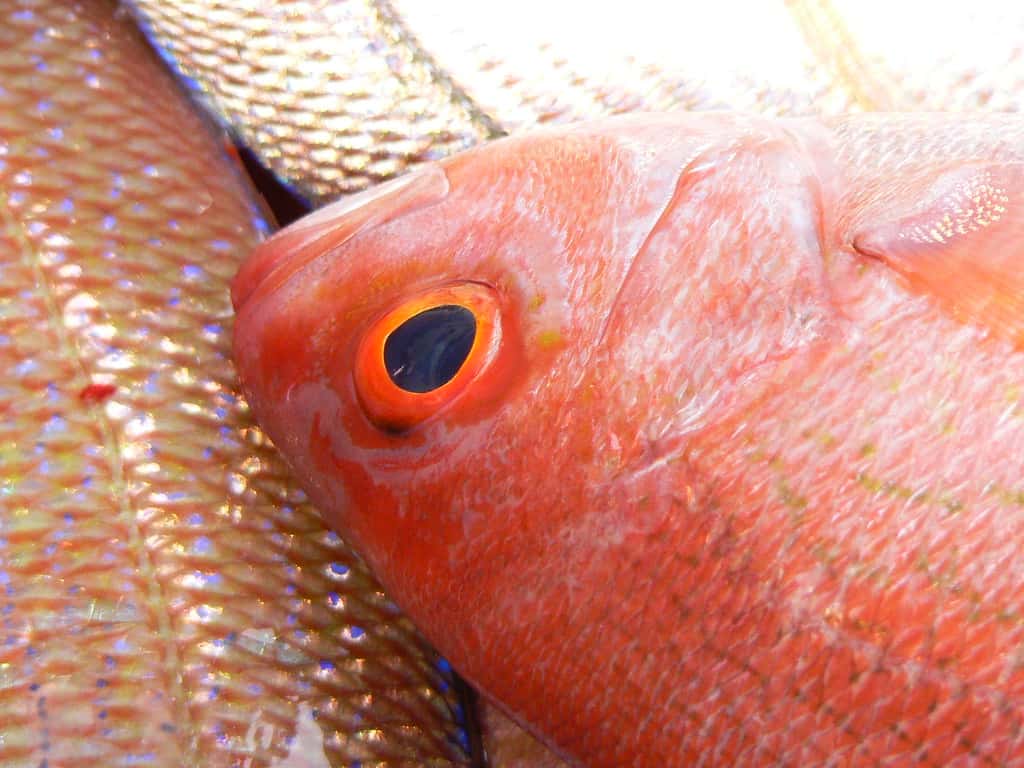
Florida's recreational anglers have something to celebrate heading deeper into the summer. Gov. Ron DeSantis announced expanded 2026 red snapper seasons and applauded federal approval of state management for Atlantic red snapper, a move that hands Florida more authority over how it sets recreational seasons in both Gulf and Atlantic waters. For the state's vast community of weekend fishermen, charter captains, and coastal businesses, the change generally points toward longer and more flexible fishing opportunities than they have had under federal management.
Red snapper is among the most prized and economically important recreational species in Florida. The prospect of more days on the water carries real weight for families who plan summer trips around the season and for the businesses that depend on those anglers. The announcement reflects a long-running push by recreational fishing interests to move more decision-making authority from federal regulators to the state.
The Florida Fish and Wildlife Conservation Commission, known as the FWC, is the agency that manages fishing seasons in state waters. With expanded authority over Atlantic red snapper to match the role it has played in the Gulf, Florida gains a larger hand in tailoring seasons to its own waters and its own data, something coastal communities have sought for years.
What Changed and Why It Matters
For years, the rhythm of red snapper fishing in Florida was set in large part by federal rules. Recreational anglers and the charter industry frequently argued that those rules produced short, rigid seasons that did not reflect what they observed on the water, where red snapper populations have appeared healthy and abundant in many areas.
State management changes that dynamic. When a state takes on management responsibility for a species in its waters, it generally gains the ability to set season dates and structures with more flexibility, often resulting in longer or more strategically timed seasons. Florida has already exercised this kind of authority over Gulf red snapper in recent years, and the federal approval for Atlantic state management extends a similar framework to the state's east coast.
The practical upshot, in general terms, is more fishing days and more local control. Rather than waiting on a season structure designed for the broader region, Florida can work through the FWC to align seasons with conditions in its own waters. The Florida Press is not assigning specific dates or day counts to the 2026 seasons here, but the direction is toward expansion rather than contraction.
That shift resonates because red snapper is not a niche pursuit in Florida. It is a marquee target for recreational anglers up and down both coasts, and the opening of the season is an event that coastal towns plan around much as they would a holiday weekend.
A Coastal Economy Built on Fishing
Recreational fishing is woven into the fabric of Florida's coastal economy. The state's reputation as a fishing destination draws visitors from across the country and around the world, and red snapper season is one of the calendar's bigger draws. When the season opens, boat ramps fill up, charter calendars book out, and tackle shops see a rush of customers.
Charter operators are among the most direct beneficiaries of a longer season. Their businesses depend on the number of days they can legally put paying customers on red snapper, and additional fishing days translate fairly directly into additional revenue. For captains who have weathered fuel costs, insurance, and the unpredictability of weather, more season days provide a steadier footing.
The ripple effects extend well beyond the boats. Marinas, bait and tackle retailers, hotels, restaurants, and gas stations in coastal communities all see business tied to fishing activity. A robust red snapper season acts as a seasonal economic boost for towns along the Gulf and the Atlantic, where tourism and the water are central to local livelihoods.
For everyday Florida families, the season is also simply a tradition. Many residents grew up fishing these waters, and the chance to bring home red snapper is part of the appeal of living in a state surrounded by productive fishing grounds.
The Long Fight Over State Versus Federal Management
The announcement is the latest chapter in a long-running debate over who should manage popular fisheries: the federal government or the states. Recreational anglers and charter operators have argued for years that decision-making closer to home produces seasons that better match local conditions and that respond more nimbly to what fishermen are seeing.
Supporters of state management contend that states have strong incentives to keep their fisheries healthy and the data and local knowledge to manage them well. They point to Florida's experience with Gulf red snapper as evidence that the state can run seasons responsibly while giving anglers more access. The expansion of state authority to Atlantic red snapper is, in their view, a continuation of a system that has worked.
This kind of policy shift requires coordination between state and federal authorities, since fisheries management involves overlapping jurisdictions and shared stocks. Federal approval of Atlantic state management indicates that the framework cleared the necessary review, allowing Florida to take on the expanded role the governor highlighted.
The debate is not purely technical. For coastal communities, access to red snapper is tied to livelihoods and a way of life, which has given the push for state management a strong grassroots dimension. Anglers, captains, and fishing organizations have made their case to officials over many seasons, framing local control as a matter of fairness for the people who know these waters best. The expansion to Atlantic state management is, in that sense, a response to years of advocacy from Florida's fishing community.
Keeping Conservation in the Picture
More fishing days bring an obligation to keep the fishery sustainable over the long term. Fisheries management at its core is about balancing access for anglers with the need to maintain healthy populations for future seasons. A longer season is only a benefit if the underlying stock remains robust.
State management does not remove that responsibility. The FWC sets seasons within a framework intended to keep harvest at sustainable levels, relying on monitoring, catch data, and stock assessments to inform decisions. The goal of flexible state seasons is to expand access where the data support it, not to ignore the limits that keep a fishery viable.
Conservation-minded observers generally caution that even popular and currently healthy fisheries require ongoing attention. Environmental conditions, fishing pressure, and habitat changes can all affect fish populations over time. The Florida Press notes these considerations in general terms: the expanded season reflects current management decisions, and the long-term health of red snapper will depend on continued, data-driven oversight.
For anglers, that means following the rules that come with the expanded access, including size and bag limits and the specific season dates set by the FWC. Responsible participation by the fishing community is part of what keeps a popular fishery open year after year.
What Anglers Should Do
With expanded seasons announced, the most important step for Florida anglers is to confirm the specific rules before heading out. Season dates, bag limits, and size requirements are set by the FWC, and the agency is the authoritative source for the precise details that apply in any given year and in any given set of waters.
Anglers planning trips should check the current regulations for the area they intend to fish, since Gulf and Atlantic seasons can differ. Booking charters early is also prudent during a popular season, as operators tend to fill their calendars quickly when fishing days are in demand.
Beyond the regulations, the basics of safe and responsible boating remain as important as ever. Florida's waters can change quickly with summer weather, and a successful season depends on anglers getting out and back safely. Following the established guidelines also helps ensure the fishery stays open and productive in future years.
Ripple Effects for Tourism and Small Towns
Red snapper season is more than a recreation calendar entry for many Florida coastal towns. It is a seasonal driver of visitor traffic that small communities count on. When word spreads that the season is expanding, anglers from out of state and across Florida begin planning trips, and that planning translates into bookings, reservations, and spending well before a single line hits the water.
The visitor economy that fishing supports is broad. A family traveling for a weekend of red snapper fishing may book a charter or rent a boat, stay in a hotel or rental, eat at local restaurants, and shop for gear and supplies. Each of those transactions supports jobs in towns where tourism and the water are central to the economy. A longer season widens the window for that activity.
For the smallest coastal communities, the difference between a short season and an expanded one can be meaningful. These towns often lack the diversified economies of larger cities, which makes seasonal draws like red snapper fishing all the more important to local businesses. A few additional weeks of strong fishing traffic can make a measurable difference over the course of a summer.
That economic dimension is a large part of why state officials have promoted the expanded seasons and the move to state management. Tying more fishing days to the health of coastal economies has been a consistent theme in the long campaign for local control, and the 2026 expansion gives those communities more of the access they have sought.
What's Next
The expanded 2026 seasons and the federal approval for Atlantic state management set the stage for what could be a busy summer on Florida's waters. Coastal communities will be watching to see how the longer seasons translate into activity at the ramps, on the charters, and in the shops that depend on fishing traffic.
Over the longer term, the move strengthens Florida's role in managing one of its signature fisheries. If state management of Gulf red snapper is any guide, the FWC will continue to refine seasons based on data and conditions, balancing access with sustainability as it goes.
For now, the message from the state is that Florida anglers can expect more time on the water for red snapper in 2026. Whether they fish the Gulf, the Atlantic, or both, the season ahead reflects a long-sought shift toward state control, and the coastal economy that depends on fishing stands to feel the benefits. The Florida Press will continue to track how the seasons unfold.
Spotted an issue with this article?
Have something to say about this story?
Write a letter to the editor