Florida Carries Out Seventh Execution of 2026 as Pace Accelerates
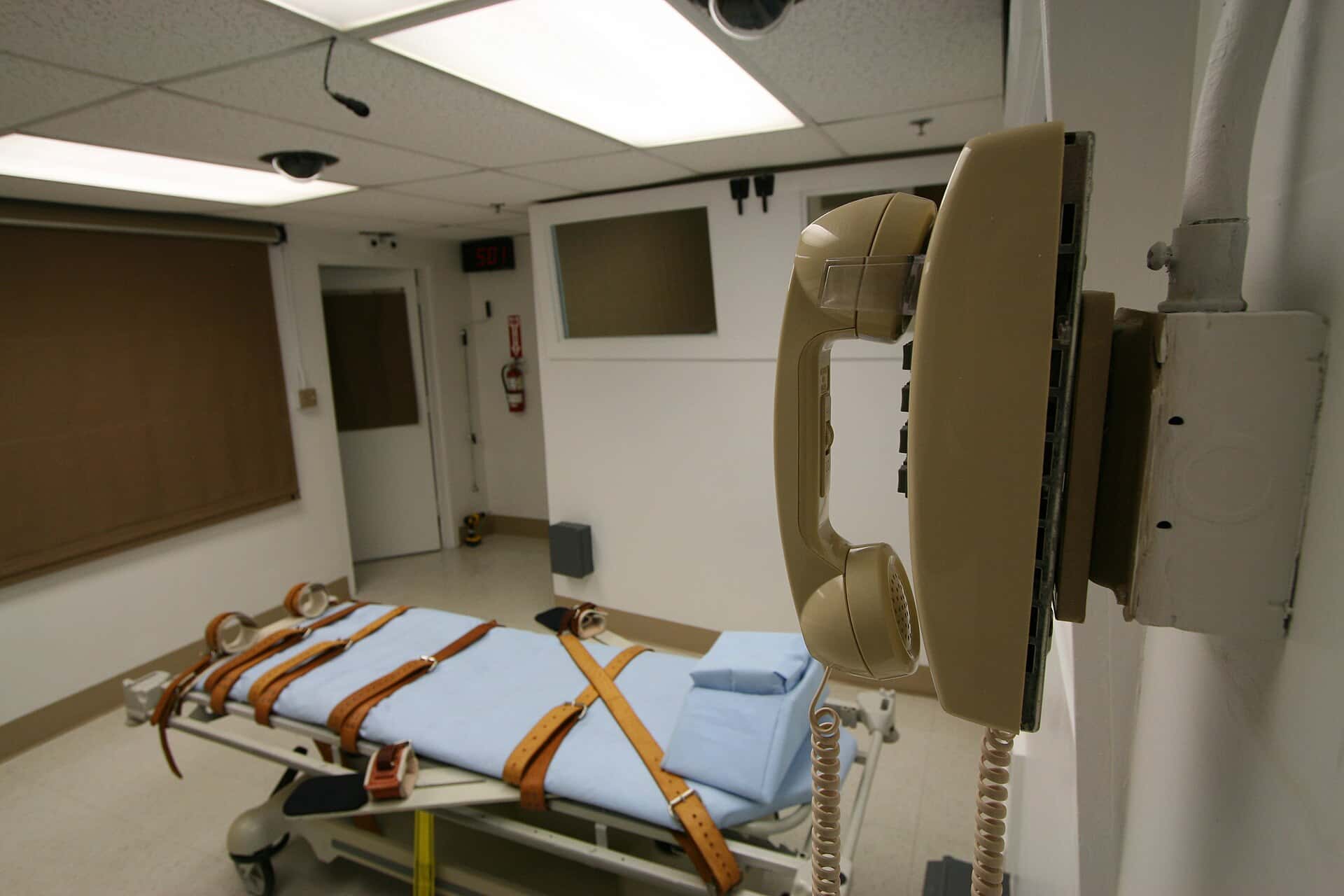
Florida carried out its seventh execution of 2026 with the death of Richard Knight, who was put to death at Florida State Prison for the 2002 murders of a woman and her young daughter. The execution continues an unusually rapid pace of capital punishment in the state, following a record number of executions the previous year. Knight, 47, was pronounced dead in the evening after a lethal injection, capping a case that had moved through Florida's courts for more than two decades.
The execution
Knight was executed at Florida State Prison near Starke, the facility in north Florida where the state carries out its death sentences. He was pronounced dead in the early evening following a three-drug lethal injection protocol, the method Florida uses for capital punishment.
The execution proceeded after the customary final reviews of the case wound through the legal system. Knight had been convicted of two counts of first-degree murder, and his sentence had been upheld through the appeals process before the death warrant was carried out.
His death marked the seventh execution in Florida in 2026, a notably brisk cadence that has drawn attention from legal observers and advocates on both sides of the death-penalty debate. The pace puts the state on track for another high annual total.
Executions in Florida follow a defined process that includes the signing of a death warrant, a series of final legal reviews, and the scheduling of the execution date. The completion of that process in Knight's case added another name to a growing list for the year.
The crime that led to the sentence
Knight was convicted in connection with the 2002 killings of a woman and her four-year-old daughter, a case that involved a fatal stabbing. The brutality of the crime, including the killing of a young child, weighed heavily in the prosecution and the imposition of the death sentence.
The murders occurred more than two decades before the execution was carried out, a span that reflects the lengthy review process that capital cases undergo in Florida and nationally. During that time, the conviction and sentence were subject to direct appeal and additional rounds of legal challenge.
Cases involving the death of a child often draw particular public attention and frequently feature among those that reach the execution stage. The details of the crime were central to how courts treated the case over the years.
The long interval between the crime and the execution is typical of capital cases, which move through multiple layers of review intended to guard against error. That extended timeline is a defining feature of how the death penalty is administered in the United States.
The Florida context
Florida has emerged as one of the most active death-penalty states in the country. The seven executions carried out so far in 2026 follow a year in which the state set a modern record for executions, signaling a sustained acceleration in how quickly death warrants are being signed and carried out.
The pace reflects policy choices at the state level, including how aggressively death warrants are issued. Florida's capital punishment system has also been the subject of significant legal debate, including over the rules governing how juries recommend death sentences.
That legal backdrop includes a state Supreme Court that has upheld Florida's framework for capital sentencing, including provisions that allow death recommendations without unanimous juries, a feature that civil-liberties groups have sharply criticized. The combination of legal latitude and executive action has produced the current rapid tempo.
Florida's death row remains among the largest in the nation, and the accelerated pace of executions has implications for how quickly that population is processed. The state's approach has placed it at the center of national debates over capital punishment.
The broader debate
The accelerating pace of executions has reignited debate over capital punishment in Florida. Supporters argue that carrying out lawful sentences delivers justice for victims and their families, particularly in cases involving especially heinous crimes such as the murder of a child.
Opponents, including civil-liberties organizations, have raised concerns about the speed of executions and about features of Florida's system, such as the allowance for non-unanimous jury recommendations in death cases. They argue that the framework increases the risk of error and falls out of step with practices in many other states.
The tension between these viewpoints has sharpened as the annual execution totals have climbed. Each death warrant becomes a focal point for the larger argument over how, and how often, the state should impose its ultimate punishment.
Religious organizations, anti-death-penalty advocates and some legal scholars have voiced opposition to the pace, while victims' advocates and many prosecutors defend the practice as the lawful conclusion of the justice process. The debate reflects deep and longstanding divisions over capital punishment.
What it means for Floridians
For Floridians, the rapid pace of executions reflects state policy on one of the most consequential powers government holds. The trend has practical implications for the courts, the prison system and the legal community that handles capital cases, which face a heavier and faster-moving workload.
For victims' families, executions can represent a long-awaited conclusion to cases that have stretched on for decades. The lengthy interval between crime and execution underscores how protracted the capital process is even when a sentence is ultimately carried out.
For the broader public, the cadence of executions has made Florida a focal point in the national conversation about the death penalty, drawing scrutiny from advocates, attorneys and policymakers far beyond the state's borders.
The issue also touches the resources of the state's legal and correctional systems, which must manage the appeals, reviews and procedures that each capital case entails. The pace of executions affects the workload across that system.
How Florida compares
Florida's activity stands out against a national landscape in which many states have slowed or halted executions. Some states have moratoriums or have struggled to obtain the drugs used in lethal injections, while Florida has continued to carry out sentences at a steady and rapid clip.
The state's modern record total the prior year placed it among the national leaders in executions, and the 2026 pace suggests that position is being maintained. That distinction has reinforced Florida's prominence in debates over capital punishment policy.
The contrast with other states highlights how much execution practices vary across the country, shaped by differing laws, court rulings and the decisions of governors and prosecutors. Florida sits firmly on the more active end of that spectrum.
The divergence among states reflects the patchwork nature of the death penalty in the United States, where its use depends heavily on the policies of individual states. Florida's high level of activity makes it a leading example of a state that continues to carry out capital sentences.
The cost and process of capital cases
Capital cases are among the most resource-intensive in the justice system, involving extensive trial proceedings, automatic appeals and years of post-conviction review. The process is designed to provide multiple layers of scrutiny before an irreversible sentence is carried out.
That extended review explains the long interval between a crime and an eventual execution, which can span decades. During that time, courts examine the conviction and sentence through direct appeals and additional challenges, a process intended to guard against error.
The accelerating pace of executions in Florida places added demands on the courts, the prison system and the attorneys who handle capital cases. Each death warrant sets in motion a series of final reviews and procedures that the system must manage.
Supporters of the death penalty argue that the lengthy process, while costly, reflects the care required before carrying out the ultimate punishment. Opponents contend that the same process highlights the risk of error and the burden the system imposes.
The debate over the cost and administration of capital punishment is part of the broader argument over the death penalty itself. In Florida, the rapid pace has brought renewed attention to how the system functions and how it is resourced.
The administration of the death penalty also involves the corrections system, which carries out the executions and manages the death row population. The procedures surrounding each execution are detailed and tightly controlled, reflecting the gravity of the act.
Legal representation in capital cases is another significant component, with attorneys handling the appeals and post-conviction challenges that can span years. The resources required to litigate these cases on both sides add to the overall cost of capital punishment.
As Florida continues at its current pace, the demands on every part of that system grow. The sustained activity has made the state a focal point for those studying how capital punishment functions in practice.
What is next
With seven executions already carried out in 2026, attention turns to whether the state will continue signing death warrants at the current rate through the remainder of the year. The trajectory suggests Florida could approach or match its recent high totals.
Legal challenges to aspects of the state's capital system are likely to persist, including arguments over jury rules and the broader administration of the death penalty. Those cases will continue to shape the framework within which executions proceed.
For now, the execution of Richard Knight adds to a year that has already underscored Florida's leading role in American capital punishment. The pace ensures that the death penalty will remain a prominent and contested issue in the state through 2026 and beyond.
The coming months will reveal whether the state sustains its rapid cadence, and the issue is certain to remain a subject of intense debate among supporters and opponents alike. Florida's prominent role in capital punishment shows no sign of diminishing.
Spotted an issue with this article?
Have something to say about this story?
Write us a letterComments
No comments yet. Be the first to weigh in.
Related Coverage
Brevard Sheriff's Homicide Agent Kevin Morris Killed by Wrong-Way Driver on I-95 While Heading to Mims Shooting Scene
3h ago
Jury Convicts Man of First-Degree Murder in Shooting Outside North Marion Middle School Awards Ceremony; Judge Imposes Life
1d ago

Jacksonville Man Gets Life for Killing Neighbor Who Lived on a Boat, Then Burning and Burying His Remains
1d ago

Judge Weighs Whether Jurors Can Hear About Jeff Knight's 2019 Boat Crash in Clearwater Ferry Case
2d ago