Marlins Plan to Buy and Keep Sandy Alcantara as a Surprise Wild-Card Run Heats Up
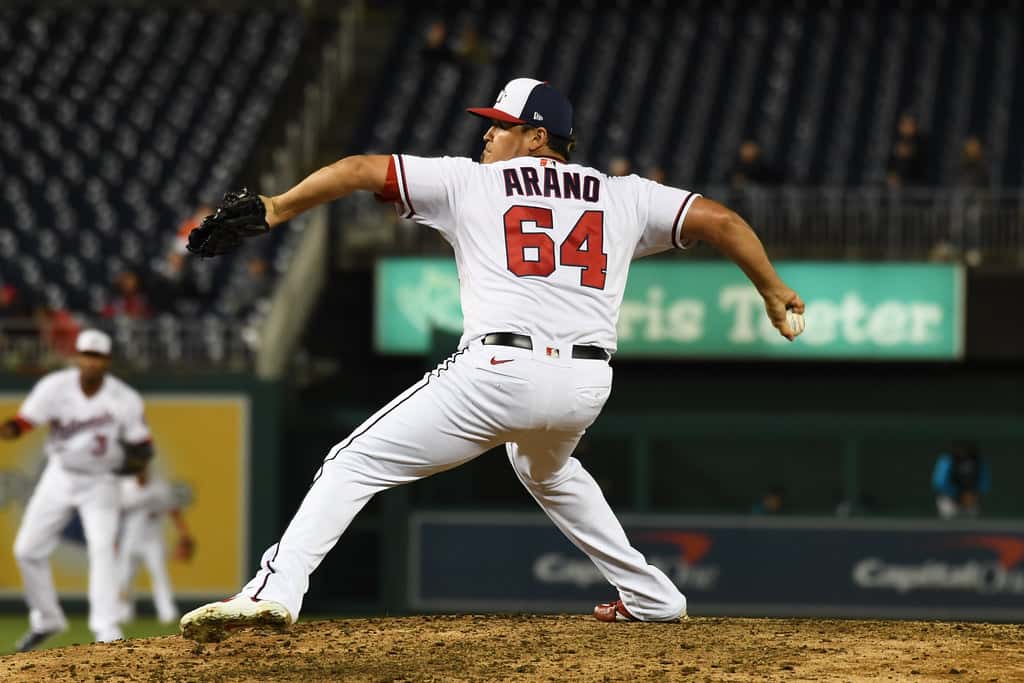
The Miami Marlins have turned one of baseball's most unexpected first halves into a genuine playoff push, and the front office appears ready to lean in. According to reporting on the team's plans, the Marlins are likely to be buyers at the trade deadline and intend to keep ace right-hander Sandy Alcantara rather than trade him, a decision that signals real belief in a club few expected to contend.
Miami entered the second half at 52-42, riding one of the hottest stretches in the sport. A 16-4 run over its last 20 games matched the best 20-game stretch in franchise history, and the surge lifted the Marlins into control of a National League wild-card spot, transforming the season's outlook from rebuilding to relevant.
For a franchise that has often been a seller at the deadline, shipping away veterans for prospects, the reported plan to add rather than subtract marks a notable shift. It reflects both the team's surprising position in the standings and a calculation that this window is worth pressing.
A franchise-altering surge
The Marlins' rise has been built on sustained hot play rather than a single hot week. The 16-4 stretch over 20 games represents elite baseball, and matching the best such run in franchise history underscores how far the team has exceeded expectations. That kind of momentum can redefine a season and a clubhouse.
The results have translated directly into the standings. At 52-42 and holding a wild-card position, the Marlins are not lurking on the fringes of the race but sitting inside the playoff picture at the break. For a team picked by many to finish near the bottom of its division, that is a dramatic reversal.
The surge has energized a fan base accustomed to rebuilding cycles and midseason sell-offs. A contending Marlins team in the second half changes the emotional stakes of the season in Miami, giving the city a summer pennant race to follow rather than a countdown to the deadline fire sale.
The Alcantara decision
No player embodies the shift more than Sandy Alcantara. A former Cy Young Award winner, Alcantara is exactly the kind of established, controllable ace that contending teams covet at the deadline, and in a typical Marlins season he might have been the centerpiece of trade speculation. Instead, the team reportedly plans to keep him.
Alcantara has been central to the Marlins' surge, posting a solid record and serving as a leader in the clubhouse. Reporting indicated that he is a favorite of the team's ownership and a respected veteran presence, factors that reinforce the case for keeping him as the rotation's anchor through a playoff push.
Holding onto Alcantara rather than cashing him in for prospects is a statement of intent. It tells the roster and the fan base that the front office views this season as a real opportunity, not a chance to restock the farm system. That message can matter as much as the on-field decision itself.
Where the Marlins could add
Being buyers means identifying needs, and reporting pointed to several areas where Miami could look to strengthen: third base, the starting rotation and the bullpen. Those are common targets for a contender, positions where an upgrade can meaningfully improve a playoff-caliber roster.
Potential third-base additions floated in trade chatter included established major leaguers who could bolster the infield, the kind of veteran bats that contenders pursue to deepen their lineups. Adding rotation and bullpen depth, meanwhile, would guard against the wear of a long season and the demands of a postseason chase.
The deadline gives the front office a window to act, and the Marlins' position in the standings justifies aggressiveness. How far the team is willing to go, and what it is willing to give up, will reveal how strongly it believes in this year's group. The choices made in the coming weeks will shape the roster for the stretch run.
A young core steps up
The Marlins' success has not rested on Alcantara alone. Contributions across the roster, including breakout performances from players who have emerged this season, have powered the offense and complemented the pitching. Depth and unexpected production have been hallmarks of the run.
Among the surprises has been strong play from an infield that has produced above expectations, with contributors hitting for average and providing steady offense. That kind of unexpected output is often the difference between a rebuilding team and a contender, and it has helped fuel Miami's climb.
The blend of a veteran ace, ownership commitment and emerging talent gives the Marlins a foundation that extends beyond a single hot streak. Whether that foundation can sustain a full playoff push is the question the second half will answer, but the ingredients of a legitimate contender are present.
A break from the sell-off script
To appreciate how unusual the Marlins' posture is, consider the franchise's recent history. Miami has repeatedly been a seller at the trade deadline, dealing established veterans for prospects in a cycle of rebuilding that has tested the patience of its fan base. Star players have been traded away just as they became expensive, a pattern that became almost synonymous with the organization. The reported plan to buy this year, and specifically to keep a marquee arm rather than cash him in, breaks sharply with that script.
The decision signals a shift in how ownership and the front office view this particular window. Choosing to add rather than subtract reflects a judgment that the current roster is good enough to justify investment, a rare vote of confidence for a club more accustomed to playing for the future. It also carries a message to the clubhouse and the fan base, that the team intends to compete now rather than defer contention to some later season.
Whether the shift proves lasting or is specific to this surprising season remains to be seen. One strong first half does not permanently rewrite an organization's philosophy, and the pressures that have driven past sell-offs, including financial constraints, have not vanished. But for this summer at least, the Marlins are choosing to press their advantage, and that choice alone marks a notable departure from years of deadline retreats.
What a playoff push means for Miami
A genuine playoff race changes the emotional stakes of a Marlins season in ways that ripple through the fan base and the city. For a market that has often watched its team dismantled by midsummer, a club fighting for a postseason spot in the second half offers a rare reason to stay engaged deep into the season. Meaningful summer baseball can rebuild the connection between a franchise and a fan base worn down by rebuilding cycles.
The competitive context makes the task difficult. Wild-card positions are inherently precarious, contested by multiple teams in a crowded National League field, and holding one requires sustained winning against opponents fighting for the same prize. The Marlins will need their surge to continue rather than fade, and the margin for error in a wild-card chase is thin. Any prolonged slump could quickly erase the cushion the hot streak has provided.
Still, the ingredients of a legitimate contender are present, from a veteran ace and committed ownership to emerging talent that has produced beyond expectations. If the front office adds effectively at the deadline and the roster sustains its play, the Marlins have a real chance to play October baseball, an outcome that would validate the decision to buy and cap one of the more surprising seasons in recent franchise memory. The second half will determine whether the summer's promise becomes a playoff berth.
Part of a statewide baseball surge
The Marlins' resurgence is not happening in isolation. On the other side of Florida, the Tampa Bay Rays have posted the best record in the American League, giving the state two Major League Baseball teams in contention at the All-Star break. That dual success is a rare and welcome development for Florida baseball, drawing attention to a sport that often competes for the spotlight in a state with a crowded sports landscape and passionate followings for football and other pursuits.
For Miami specifically, contending alongside the Rays adds a dimension of statewide excitement and pride. Two competitive Florida teams elevate interest in the sport across the state and raise the possibility of a memorable second half featuring both clubs. If the Marlins can sustain their wild-card push while the Rays hold their position, Florida could see an October in which baseball, not just football, commands the attention of fans from Miami to Tampa Bay, a scenario that would cap an unexpectedly bright season for the sport in the state.
What's next in Miami
The trade deadline is the immediate focus. As buyers, the Marlins will look to add without gutting the future, a balance that front offices navigate carefully. The moves they make, or decline to make, will set the tone for the second half and signal how they weigh the present against the long term.
On the field, the challenge is sustaining the pace that vaulted them into the race. Wild-card positions are precarious, and a crowded National League field means the Marlins will have to keep winning to stay in the picture. The margin for error in a wild-card chase is thin.
For Miami, though, the mere fact of a meaningful summer is a reward in itself. A franchise long defined by deadline sell-offs is instead preparing to buy, keeping its ace and chasing October. However the season ends, the Marlins have given their fans a playoff race to believe in, and that is a rare and welcome development in South Florida baseball.
Spotted an issue with this article?
Have something to say about this story?
Write us a letterComments
No comments yet. Be the first to weigh in.
Related Coverage

Orlando City Edges Columbus Crew 3-2 on Iván Angulo's Late Winner and Maxime Crépeau's Record 12 Saves
11h ago

Inter Miami Routs D.C. United 4-0 as Messi and Suárez Score Twice Each, Climbs to Second in the East
12h ago
Brandon Hagel Scores Twice in Final Two Minutes for Hat Trick as Lightning Beat Islanders 5-3
1d ago
Kirill Kaprizov's Hat Trick Spoils Panthers' Home Opener as Wild Win 4-1 in Sunrise
2d ago