Florida's Red Tide Stays Quiet This Summer as Water Managers Push More Flow South
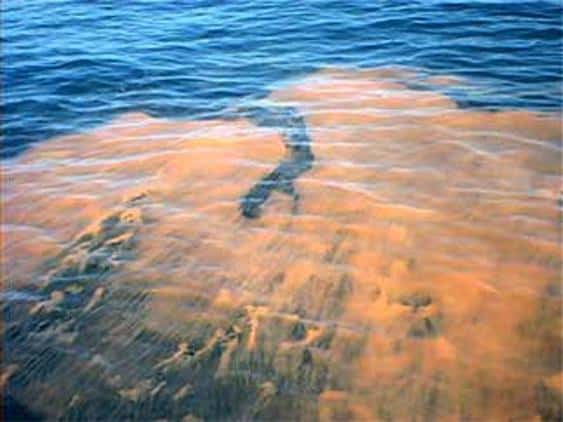
Florida's coastal waters caught a break this summer, with state sampling showing the organism behind red tide largely absent from the peninsula. The Florida Fish and Wildlife Conservation Commission reported that Karenia brevis, the microscopic alga that fuels the state's notorious toxic blooms, was not observed in samples collected statewide over a recent week, with only trace background levels detected in a couple of isolated spots.
The quiet is a welcome reprieve for Southwest Florida in particular, where severe red tide events in past years have killed marine life, fouled beaches, choked the tourism economy and sickened residents with respiratory irritation. It also offers relief for the state's imperiled manatees, which are vulnerable to the toxins that blooms release into the water.
Behind the calm surface lies a longer-running effort to change how Florida manages the water that flows from the interior to the coasts. A shift in how water is released from Lake Okeechobee, aimed at sending more of it south through the Everglades, is intended to reduce the harmful discharges that scientists link to coastal blooms.
What the latest sampling shows
Red tide occurs naturally in the Gulf of Mexico, but its intensity and duration vary enormously from year to year. The state's monitoring program tracks concentrations of Karenia brevis along the coasts, giving officials and the public an early read on whether a bloom is building.
In the most recent reporting, the organism was found only at background concentrations in a small number of samples along the state's coasts, and was not observed in samples collected statewide over the prior week. Background levels are the lowest category the state tracks and generally do not produce the fish kills or respiratory effects associated with active blooms.
Officials caution that conditions can change, since blooms can develop offshore and move toward the coast with winds and currents. For now, though, the data describe an unusually quiet stretch heading into the part of the year when Floridians spend the most time on the water.
Why red tide matters for Florida
When red tide flares, the consequences cascade across the environment and the economy. The blooms produce brevetoxins that can kill fish, sea turtles, dolphins and manatees, and that can become aerosolized in coastal breezes, causing coughing, watery eyes and breathing difficulty for people onshore. Beach towns can see visitors vanish when the air turns acrid and dead fish wash up on the sand.
For Southwest Florida communities from Sarasota to Naples, red tide is not an abstract threat but a recurring economic and public-health event. Hotels, restaurants and charter operators feel the hit when tourists cancel, and local governments spend heavily on cleanup during major blooms. A quiet season is therefore a meaningful boost for the region.
Manatees add an especially poignant dimension. Brevetoxins can trigger seizures that cause the animals to drown, and red tide has contributed to manatee deaths during past blooms. With Florida's manatees already under pressure from boat strikes, habitat loss and cold-related die-offs in recent years, avoiding a toxic bloom removes at least one threat during the summer.
The Lake Okeechobee connection
Scientists have long connected coastal water quality to how Florida manages Lake Okeechobee, the vast lake at the center of the state's plumbing. Historically, water managers released lake water east and west through rivers to the coasts to protect the lake's aging dike, sending nutrient-laden flows toward estuaries where they can feed algae blooms.
A change adopted in recent years reworked that approach, aiming to send more water south through the Everglades while reducing the damaging discharges to the west coast. Federal officials said the shift was designed to cut the nutrient loads, including nitrogen, that can worsen and prolong blooms fed by water from the Caloosahatchee River and the lake.
The Army Corps of Engineers, which controls the lake's releases, has indicated that fewer nutrient-heavy discharges could significantly reduce the duration of red tide blooms originating in that system. While red tide is a natural phenomenon that no policy can eliminate, reducing the nutrient pollution that intensifies it is one of the few levers managers can pull.
Restoration efforts in the background
The water-management shift is part of the broader, decades-long effort to restore the natural flow of water through the Everglades, a project that ranks among the largest environmental undertakings in the country. The core idea is to move water south from Lake Okeechobee toward Florida Bay, closer to the historic pattern, rather than dumping it to the coasts.
Restoration advocates argue that a healthier, more natural flow benefits everything from drinking-water supplies to fisheries to the coastal estuaries that nurture marine life. Improving water quality upstream, in this view, is inseparable from protecting the beaches and wildlife downstream that draw visitors and define Florida's identity.
Progress has been incremental and expensive, and the results play out over years rather than months. A single quiet red tide season cannot be attributed solely to any one project, but the management changes are consistent with the goal of reducing the conditions that make blooms worse.
What causes a bloom to explode
Red tide begins offshore, where Karenia brevis exists at low background levels as a natural part of the Gulf ecosystem. The organism becomes a problem when conditions allow it to multiply explosively and when winds and currents carry the resulting bloom toward the coast. Once near shore, the bloom can feed on the nutrients that human activity delivers to coastal waters, intensifying and prolonging what might otherwise have been a brief natural event.
Those nutrients are the part of the equation people can influence. Runoff from agriculture, lawns, septic systems and stormwater carries nitrogen and phosphorus into rivers and estuaries, and ultimately to the coast, providing fuel that can sustain a bloom. Scientists are careful to note that nutrient pollution does not create red tide, which is natural, but that it can worsen and extend blooms once they reach nutrient-rich coastal waters. That distinction is central to the debate over how much humans can do to blunt the phenomenon.
The releases from Lake Okeechobee are one of the largest and most visible nutrient inputs, which is why water managers focus on them. When lake water laden with nutrients is discharged to the coasts, it can act as a supercharger for algae, including the organisms behind both red tide in salt water and the blue-green algae that plague fresh water. Reducing those discharges, and sending cleaner water south instead, is among the few large-scale levers available to reduce the severity of blooms.
The economic stakes for the coast
The absence of a bloom this summer carries real economic value for Southwest Florida, a region whose economy leans heavily on tourism, waterfront recreation and coastal real estate. Past severe red tide events have emptied beaches, canceled fishing charters and driven visitors away during peak season, inflicting losses that ripple through hotels, restaurants and the many small businesses that depend on a healthy coast. A quiet season lets those businesses operate without the specter of dead fish and acrid air.
Commercial and recreational fishing also benefit when the water stays clean. Severe blooms can kill fish in enormous numbers and disrupt the fisheries that support both the seafood industry and the charter operations that cater to anglers. The health of those fisheries is tied directly to water quality, and a bloom-free stretch gives fish populations and the businesses built around them a reprieve from a recurring threat.
Coastal property values and quality of life are bound up in the same equation. Residents who live along the water experience red tide most acutely, through respiratory irritation and the sight and smell of dead marine life washing ashore. When blooms stay away, the coast delivers the clean beaches and clear water that draw people to the region in the first place, reinforcing why so much effort goes into managing the upstream conditions that make blooms worse.
Manatees at a crossroads
The quiet red tide season is one bright spot for Florida's manatees, but the animals remain under pressure from an array of threats that no single good season resolves. The gentle marine mammals, an iconic symbol of Florida's waters, face dangers from boat strikes, habitat loss, pollution and cold-related die-offs, and hundreds die in the state each year. Red tide is one hazard among many, and its absence this summer removes a threat without addressing the broader vulnerability the species faces.
Wildlife managers have worked to protect manatees through measures ranging from boat-speed zones to habitat restoration and, during past crises, supplemental feeding when their food sources collapsed. The health of the seagrass beds manatees depend on is tied closely to water quality, which links their fate to the same upstream management decisions that influence red tide. A summer free of toxic blooms lets conservationists focus on those other threats without a bloom compounding the losses, but the long-term recovery of the species depends on sustained improvements to the waters they inhabit.
What's next along the coasts
Officials will keep monitoring the coasts closely through the summer and into the fall, the window when blooms have historically intensified. Residents and visitors can check the state's regularly updated red tide status maps before heading to the beach, since conditions can shift from one stretch of coastline to another.
For wildlife managers, the reprieve is a chance to focus on the other threats facing manatees and marine life without a toxic bloom compounding the pressure. Continued attention to water quality, boat-strike prevention and habitat protection remains central to the state's conservation work.
The larger test will come over multiple seasons, as scientists watch whether the changes to Lake Okeechobee releases translate into consistently milder blooms. For this summer at least, Florida's coasts are enjoying clear water and clean air, a reminder of what is at stake in the long effort to fix the state's water flows.
Spotted an issue with this article?
Have something to say about this story?
Write us a letterComments
No comments yet. Be the first to weigh in.
Related Coverage

Record Sargassum Season Fades as Key West and UM Researchers Prepare for the Next Wave
1d ago
Florida's New Stormwater Pollution Credit Rules Draw Fire From Environmentalists and Industry Alike
2d ago
Lead pellets from shot iguanas linked to first known crocodile poisoning death in Florida
5d ago

DeSantis and Cabinet protect more than 10,770 acres, from Putnam County woods to Martin County ranches
Oct 4