Florida Lawmakers Tout $1.8 Billion in FEMA Reimbursements as a Fight Over the Agency's Future Looms
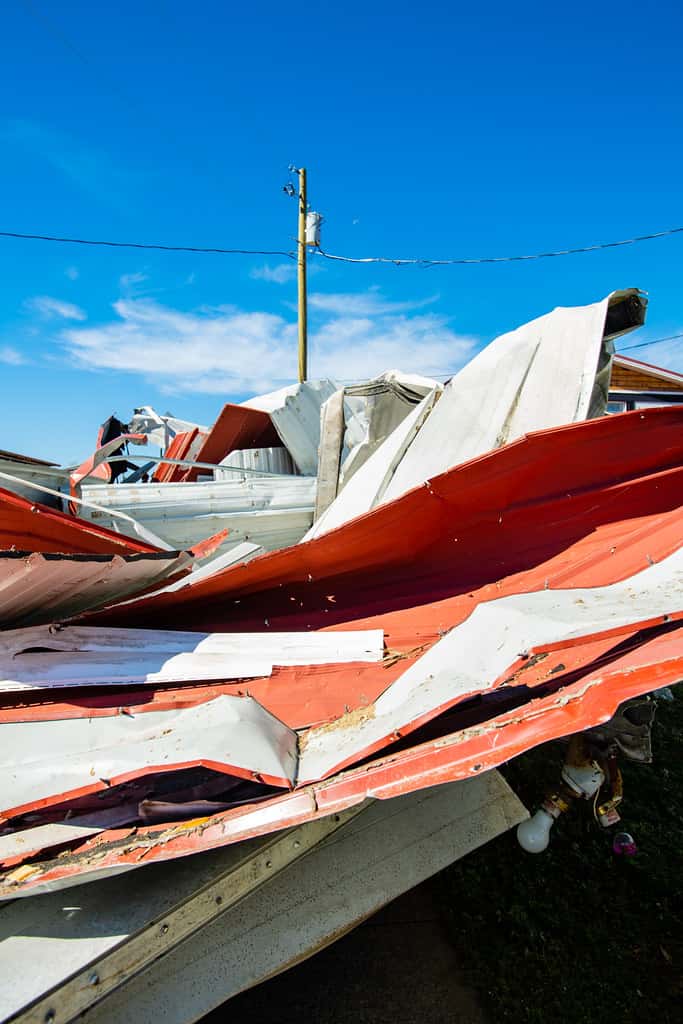
Florida officials have announced the recovery of $1.8 billion in delayed federal disaster reimbursements for the hurricane-battered state, a significant infusion of funds even as a broader fight over the future of the Federal Emergency Management Agency and the national flood-insurance program looms in Washington. Members of Florida's congressional delegation touted the reimbursements, which include tens of millions of dollars directed to a single Gulf Coast county, as relief for communities still recovering from past storms.
The announcement highlights the critical and complicated relationship between Florida and the federal disaster system. As one of the most hurricane-prone states in the nation, Florida depends heavily on FEMA for disaster recovery, and delays in reimbursements have been a persistent source of frustration for state and local governments footing the bills for cleanup and rebuilding. The recovered funds address part of that backlog.
At the same time, larger questions hang over the federal disaster framework. Congress and the administration are weighing changes to how FEMA operates, and a looming deadline to reauthorize the National Flood Insurance Program adds urgency to the debate. For a state as exposed to storms as Florida, the outcome of those discussions carries enormous stakes.
The reimbursements
Florida lawmakers announced that the state had secured $1.8 billion in delayed FEMA reimbursements, funds owed to the state and its communities for disaster-related costs. Included in the total was a substantial sum directed to a Gulf Coast county that has borne the brunt of hurricane damage, providing relief for local recovery efforts. The announcement was made by members of Florida's federal delegation.
Disaster reimbursements are a central part of how the federal system supports recovery. When storms strike, state and local governments incur significant costs for emergency response, debris removal and rebuilding, and FEMA reimburses eligible expenses. Delays in that process can strain local budgets, making the recovery of owed funds a priority for officials.
The reimbursements address a backlog that had left Florida communities waiting for money owed for prior disasters. For local governments that had advanced funds for recovery, the infusion helps replenish budgets and supports the ongoing work of rebuilding after storms. The announcement framed the funds as a tangible benefit for affected communities.
Florida's reliance on FEMA
Few states depend on the federal disaster system as heavily as Florida. The state's exposure to hurricanes makes it a frequent recipient of federal disaster declarations and assistance, and FEMA plays a central role in Florida's recovery from major storms. That reliance makes the efficiency and reliability of the federal system a matter of direct consequence for the state.
The relationship has not been without friction. Delays in reimbursements and disputes over eligible costs have long frustrated state and local officials, who must manage the immediate demands of recovery while awaiting federal funds. The recovery of the delayed reimbursements reflects ongoing efforts by Florida's officials to ensure the state receives the support it is owed.
For Florida residents, the federal disaster system is a lifeline in the aftermath of storms, supporting everything from emergency response to the rebuilding of homes and infrastructure. The functioning of that system is therefore a significant concern, and the delegation's announcement underscored its importance to the state.
The debate over FEMA's future
The reimbursements come as a broader debate unfolds over the future of FEMA itself. Congress and a council appointed by the administration have been weighing different approaches to overhauling the agency, reflecting dissatisfaction with aspects of how the federal disaster system operates. The outcome of that debate could reshape how disaster recovery works for states like Florida.
Proposals to reform FEMA touch on questions of how the agency is structured, how it delivers aid and how responsibilities are divided between the federal government and the states. For Florida, which relies so heavily on federal disaster support, any significant changes to the agency carry direct implications for how the state recovers from future storms.
The debate reflects a recognition that the federal disaster system faces challenges, from the rising costs of increasingly damaging storms to the complexities of delivering aid efficiently. How those challenges are addressed will shape the support available to disaster-prone states in the years ahead, making the discussion especially consequential for Florida.
The flood-insurance question
Adding to the stakes is the looming deadline to reauthorize the National Flood Insurance Program, the federal program that provides flood coverage to millions of property owners. The program requires periodic reauthorization by Congress, and a deadline later in the year has put its future on the legislative agenda. For Florida, with its extensive coastline and flood exposure, the program is vital.
Flood insurance is a critical component of financial protection for Florida property owners, many of whom rely on the federal program for coverage that private insurers have been reluctant to provide. A lapse or significant change in the program could affect the availability and cost of flood coverage, with major consequences for homeowners and the real-estate market in flood-prone areas.
The reauthorization debate intersects with Florida's broader property-insurance challenges, adding another layer of uncertainty for property owners. Ensuring the continuity and stability of the flood-insurance program is a priority for Florida officials, given the state's exposure to flooding from storms and rising seas.
What it means for Floridians
For Florida residents and communities, the developments carry practical significance. The recovered reimbursements support ongoing recovery from past storms, providing funds for the rebuilding and restoration that follow major disasters. That relief is tangible for the communities receiving the money.
The larger debates over FEMA's future and flood-insurance reauthorization, meanwhile, will shape the framework of disaster protection that Floridians depend on. The reliability of federal disaster aid and the availability of flood insurance are fundamental to how the state weathers and recovers from the storms that are an inescapable part of life in Florida.
As hurricane season progresses, the importance of a functioning federal disaster system is never far from mind for Florida residents. The combination of recovered reimbursements and unresolved policy debates captures both the support the state receives and the uncertainty surrounding the system's future.
Preparing for the hurricane season ahead
The developments over the federal disaster system arrive during hurricane season, when the stakes of that system are most immediate for Florida. Even in a season forecast to be quieter than average, the state remains vulnerable to storms, and a single significant hurricane can inflict widespread damage. The reliability of federal disaster aid and the availability of flood insurance are therefore not abstract policy questions but practical concerns for the months ahead.
State and local emergency-management agencies use the season to reinforce preparedness among residents. Officials consistently urge Floridians to have a plan, assemble supply kits, know their evacuation zones and review their insurance coverage before a storm threatens. Those steps are within individual households' control, and they complement the larger governmental systems that respond when disaster strikes.
Insurance is a central element of preparedness in Florida. Beyond the federal flood-insurance program, homeowners must navigate the state's property-insurance market, and understanding what is and is not covered is essential. Flood damage, in particular, is generally not covered by standard homeowners policies, making the federal flood program crucial for many property owners in flood-prone areas.
The recovery of delayed reimbursements underscores the financial dimension of disaster recovery for governments. Local and state agencies bear substantial upfront costs when storms strike, and the federal reimbursement process is how those costs are ultimately shared. Delays can strain budgets, which is why the efficiency of the system matters to the governments responsible for responding to and recovering from disasters.
As the season progresses, the interplay between preparedness, insurance and the federal disaster framework remains at the forefront for Florida. The recovered funds support recovery from past storms, while the debates over FEMA's future and flood-insurance reauthorization will shape the protections available going forward. For a state defined in part by its relationship with hurricanes, those systems are fundamental to how it weathers and rebuilds.
The intersection of federal disaster policy and Florida's property-insurance challenges adds a further layer of complexity. Many Florida property owners must navigate both the private insurance market, which has been through a period of turmoil, and the federal flood-insurance program, which covers a peril that standard policies exclude. The stability of both systems is essential to the financial resilience of Florida households, and uncertainty in either can leave property owners exposed.
Florida's congressional delegation has a direct stake in these debates, given the state's exposure to disasters. Securing reimbursements, shaping any overhaul of the federal disaster agency and ensuring the continuity of the flood-insurance program are priorities that cut across party lines for representatives of a state so frequently in the path of storms. The delegation's advocacy on the recovered reimbursements reflects that shared interest, and the coming debates will test its influence on the systems Florida depends upon.
The developments together capture the dual reality of Florida's relationship with the federal disaster system: the state secures significant support, yet it remains deeply invested in the reliability and future of the programs that provide it. As one of the nation's most disaster-prone states, Florida has an outsized stake in how the federal government structures and funds disaster recovery and flood insurance. The recovered reimbursements offer near-term relief, but the larger questions about the system's design will shape the protection available for years to come, making the ongoing debates in Washington a matter of lasting consequence for the state and its residents.
What's next
The recovered reimbursements will flow to the state and its communities to support recovery, while the debates over FEMA reform and flood-insurance reauthorization continue in Washington. The reauthorization deadline will force congressional action on the flood program, and the broader discussion over the agency's future will unfold over time.
For Florida, the outcomes of those debates will help determine the disaster protection available in the years ahead. The Florida Press will continue to follow the federal disaster and flood-insurance discussions and their implications for a state that depends on them as much as any in the nation.
Spotted an issue with this article?
Have something to say about this story?
Write us a letterComments
No comments yet. Be the first to weigh in.
Related Coverage
Inflation hits 3.7% as gasoline jumps 9.1% in September: what it means for Florida
51m ago
In Miami Gardens, McMahon says new federal school choice tax credit won't drain Florida public schools
1h ago
Coconut Grove art dealer Leslie Roberts gets 46 months for selling fake Warhols
2h ago

Angie Nixon says Trump deported over 13,000 Cubans; available data puts the total near 12,000
3h ago