SpaceX Pushes Falcon 9 Reuse Records From Cape Canaveral as Launch Cadence Soars
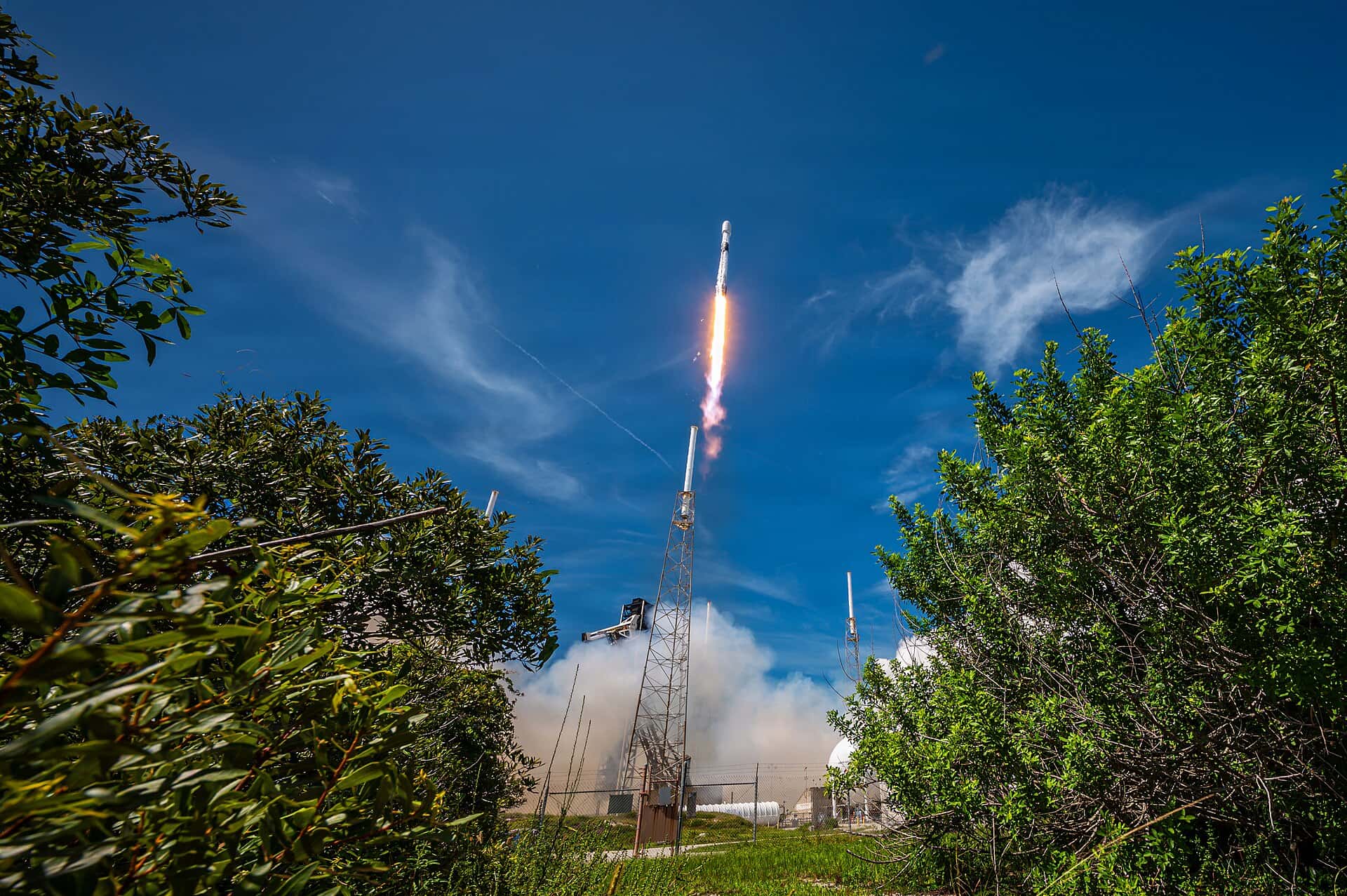
SpaceX has pushed the boundaries of rocket reuse again this month, flying a Falcon 9 booster on a record-setting mission and marking the 600th flight of a reused Falcon, milestones that highlight the extraordinary launch cadence at Florida's Space Coast. The achievements, notched in a rapid series of launches from Cape Canaveral, reinforce the region's status as the busiest gateway to orbit in the country.
The launches added to SpaceX's Starlink constellation and demonstrated the reliability of a reusable rocket program that has transformed the economics of spaceflight. For Florida, the relentless tempo of launches represents far more than a technical feat; it is the engine of a growing aerospace economy centered on Brevard County and the surrounding region.
Each launch from Cape Canaveral Space Force Station and neighboring Kennedy Space Center draws spectators, supports thousands of jobs and reinforces Florida's central role in the modern space age. The recent reuse records are a marker of how routine, and how consequential, the state's launch business has become.
The milestones this month
SpaceX flew a Falcon 9 booster on a record-setting number of missions, extending the reuse of a single first stage further than the company had before. The flight demonstrated the durability of the rocket hardware and the maturity of the refurbishment process that allows boosters to fly again and again with short turnaround times.
In a separate milestone, the company marked the 600th flight of a reused Falcon booster, a cumulative achievement that reflects the scale of SpaceX's reusable rocket program. Reaching that number underscores how thoroughly reuse has become embedded in the company's operations, a shift from the era when rockets were discarded after a single use.
The missions carried batches of Starlink satellites to orbit, adding to the broadband constellation that SpaceX has been building for years. Launches lifted off from the Space Coast, continuing a steady drumbeat of missions that has made Florida the launch capital of the nation and a hub of orbital activity.
Why reuse matters
The core of SpaceX's approach is reusing rocket hardware rather than expending it, a practice that has reshaped the economics of reaching orbit. By recovering and reflying boosters, the company reduces the cost of each launch and increases the frequency at which it can fly, enabling a cadence that was once unimaginable.
Pushing a single booster to a record number of flights, and reaching the 600th reuse across the fleet, demonstrates that the hardware can be flown many times safely. That reliability is the foundation of the high launch rate, since a steady supply of flight-proven boosters allows the company to schedule missions in close succession.
The implications extend beyond SpaceX. Frequent, lower-cost access to orbit has enabled the deployment of large satellite constellations, supported a range of commercial and government missions and lowered barriers for space-based projects. The reuse milestones are markers of a broader transformation in how humanity reaches space.
The Florida impact
For Florida, the surge in launches is an economic and cultural phenomenon centered on the Space Coast. Brevard County and its surroundings have become a magnet for aerospace activity, with SpaceX and other companies operating from Cape Canaveral and Kennedy Space Center, generating jobs and investment across the region.
The launch business supports a workforce that spans engineers, technicians, manufacturing and the many services that surround a thriving industry. The steady tempo of missions sustains that employment and draws additional aerospace investment to Florida, reinforcing a sector that state leaders have championed as a pillar of the economy.
Launches also fuel tourism. Spectators gather along the Space Coast to watch rockets lift off, filling hotels and restaurants and turning each mission into an event. The visibility of the launches strengthens Florida's identity as the nation's spaceport and contributes to the region's appeal for visitors and residents alike.
The Space Coast's central role
Florida's Space Coast has long been at the heart of American spaceflight, from the earliest missions of the space age to the present era of commercial launches. Cape Canaveral Space Force Station and Kennedy Space Center provide the infrastructure and the geographic advantages that make the region ideal for reaching orbit.
The concentration of launch activity in Florida has only intensified with the rise of commercial spaceflight. SpaceX's high cadence, combined with the operations of other companies and government programs, has made the Space Coast busier than ever, with launches occurring at a frequency that reflects the growth of the industry.
That activity cements Florida's position as the country's premier gateway to space. The state's launch sites are the departure points for a large share of American missions, and the records set this month are part of a continuous stream of activity that keeps the Space Coast at the center of the national space enterprise.
An industry in growth
The milestones come amid broad expansion in the space sector, as commercial companies, government agencies and international partners pursue an increasing number of missions. Satellite constellations, crewed spaceflight and a range of scientific and commercial payloads all contribute to rising demand for launches.
SpaceX's ability to fly frequently and reuse its rockets has positioned the company at the forefront of that growth, and its operations from Florida are a major part of the state's aerospace momentum. The pace of launches reflects an industry that continues to scale up, with Florida serving as a primary base.
For the state, the growth translates into opportunity. A thriving space sector brings high-value jobs, technological investment and national prominence, and Florida has actively sought to capitalize on the industry's expansion. The recent records are evidence of the sector's vitality and of the state's central role in it.
A workforce built around launch
The steady cadence of launches has helped cultivate a specialized workforce along Florida's Space Coast, drawing engineers, technicians and skilled workers to the region. The aerospace sector supports high-value jobs that anchor local economies, and the concentration of launch activity has made the area a magnet for talent and for companies seeking proximity to the nation's busiest spaceport.
Educational institutions and training programs in the region have oriented themselves toward the industry, developing the pipeline of workers that a growing aerospace sector requires. That alignment between industry and education strengthens the Space Coast's position, ensuring a supply of skilled labor to sustain the operations that keep the launch schedule full.
The economic ripple extends to the many businesses that serve the industry and its workers, from suppliers to the services that support a thriving community. The launch business, in other words, is not an isolated enterprise but the center of an ecosystem that touches a broad swath of the regional economy, reinforcing Florida's stake in its continued growth.
Competition and collaboration on the coast
While SpaceX has set the pace, it is not the only operator active on Florida's Space Coast. Other companies and government programs conduct launches from the region, contributing to the busy schedule and adding to the diversity of activity. The presence of multiple players reflects the broad expansion of the space sector and the appeal of Florida's launch infrastructure.
That mix of operators creates both competition and a shared reliance on the region's facilities and workforce. Cape Canaveral Space Force Station and Kennedy Space Center provide the infrastructure that supports this range of activity, and the growth of the sector has spurred investment in the capabilities that make frequent launches possible.
For Florida, the breadth of activity is a strength, positioning the state to benefit from the expansion of the industry across multiple companies and programs. As the space sector continues to grow, the Space Coast's role as a hub for a variety of operators reinforces its standing as the center of American spaceflight and a driver of the state's aerospace economy.
A symbol of Florida's future
The Space Coast has become more than an economic engine; it is a symbol of Florida's role in the future of technology and exploration. The frequent launches, visible for miles and drawing crowds of spectators, connect the state to the excitement of the space age and reinforce a sense of Florida as a place where the frontier of human achievement is being pushed.
That identity carries value beyond the immediate jobs and investment. It shapes how the state is perceived and helps attract talent, companies and visitors drawn to the vitality of the industry. As the launch cadence climbs and records fall, Florida's association with the leading edge of spaceflight grows stronger, tying the state's brand to one of the most dynamic sectors of the modern economy.
The steady accumulation of milestones also builds a sense of momentum that feeds on itself, attracting further investment and interest to the region. Each record and each successful mission reinforces the Space Coast's standing and encourages the growth of an industry that has become central to Florida's economic and cultural identity, setting the stage for the achievements still to come.
Looking ahead
The relentless launch cadence shows no sign of slowing, with SpaceX and other operators planning continued missions from the Space Coast. The reuse records set this month are likely to be surpassed as the company flies its boosters ever more frequently and pushes the limits of its hardware further.
For Florida, the trajectory points toward continued growth in aerospace activity, with the accompanying benefits for jobs, investment and tourism. The state's launch sites will remain busy hubs, and each new milestone will add to the Space Coast's legacy as the heart of American spaceflight.
The reuse of a booster for a record number of flights and the 600th Falcon reuse are technical achievements, but their significance for Florida is tangible. They represent the ongoing vitality of an industry that has made the Space Coast a center of the modern space age, and that continues to power a growing sector of the state's economy.
Spotted an issue with this article?
Have something to say about this story?
Write us a letterComments
No comments yet. Be the first to weigh in.
Related Coverage

U.S. Exports to Cuba Hit a Record $202.5 Million in August as Fuel Sold to Private Firms Makes America the Island's Top Supplier
13h ago
Seven Florida Cases Are Part of the Justice Department's Largest Push Yet to Strip Citizenship From Naturalized Americans
13h ago

Proposed 2030 Census Rule Could Cost Florida a House Seat, and Count Snowbirds as Floridians
14h ago
Alligator Alcatraz Is Closed, but Florida Is Still Chasing More Than $500 Million in Federal Reimbursement
18h ago