Rubio Tightens Cuba Sanctions as South Florida's Diaspora Watches Closely
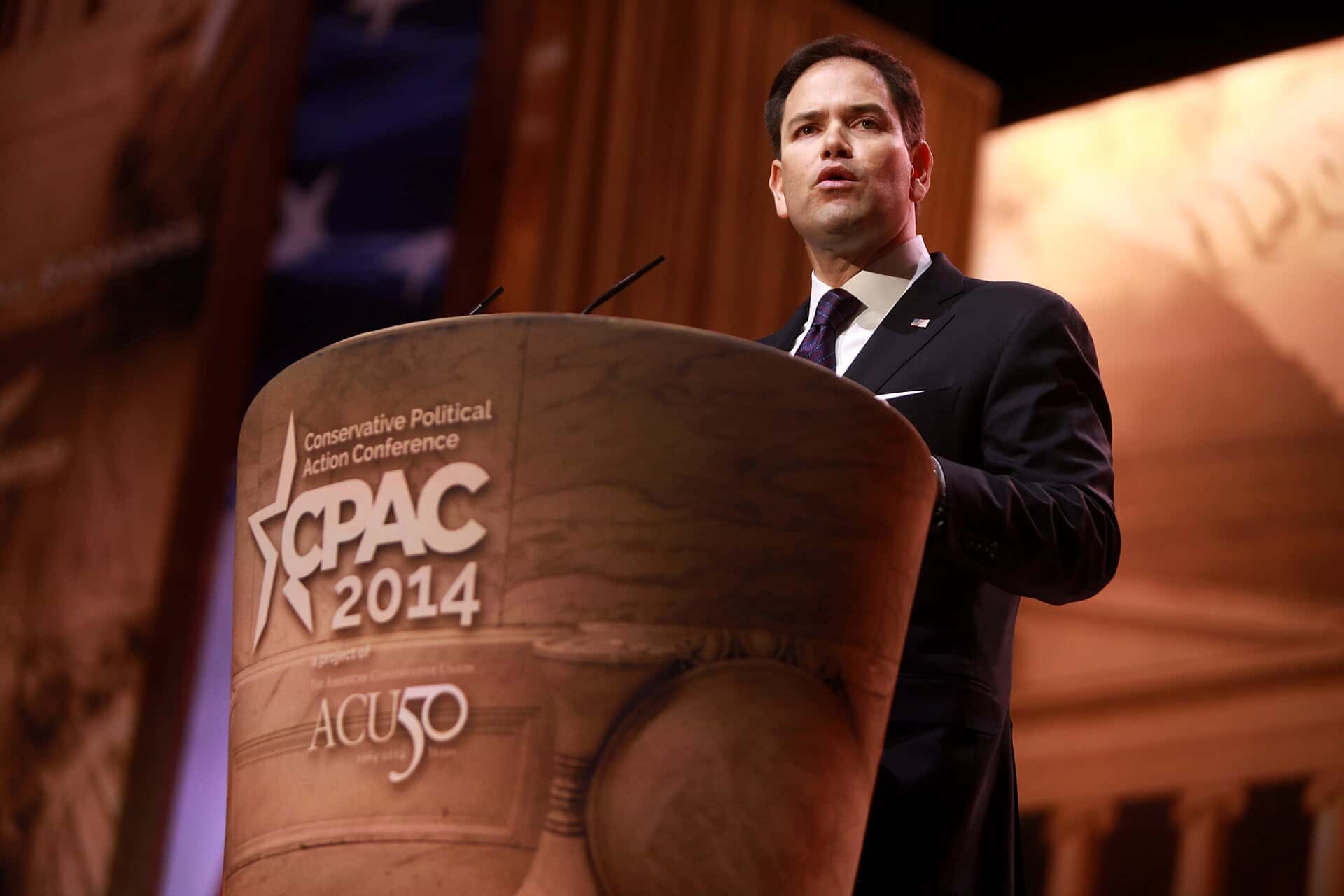
Secretary of State Marco Rubio, a Florida Republican and the son of Cuban immigrants, has escalated the U.S. sanctions campaign against Cuba this year, a policy that resonates powerfully in South Florida, home to the nation's largest Cuban American community. The tightening measures underscore how a debate rooted in Miami's diaspora politics has shaped the direction of U.S. policy toward the island.
Since the start of the year, the administration has layered on a substantial number of new sanctions targeting Cuba, including actions against Cuban entities linked to the island's military-run economy. Rubio, who rose to national prominence as a senator from Florida before becoming the nation's top diplomat, has been a central figure in advancing the hardline approach.
The policy carries a distinctly Florida dimension. South Florida's Cuban American community, concentrated in and around Miami, has long been an influential voice in U.S. policy toward the island, and the intensified sanctions reflect priorities that have deep roots in the region's politics. The stakes are felt directly in a community with family ties to Cuba.
The escalating sanctions
The administration has significantly expanded sanctions on Cuba this year, adding a large number of measures aimed at pressuring the island's government. The actions have targeted entities tied to Cuba's economy, including companies connected to a military-run conglomerate that controls a substantial share of the island's commercial activity.
Among the recent steps, the State Department under Rubio sanctioned several Cuban companies, continuing to apply pressure even as Havana signaled some interest in economic liberalization. The measures leaned toward the coercive side of policy, reflecting a strategy centered on isolation and financial pressure rather than engagement.
The cumulative effect of the sanctions has been to constrain Cuba's economy and its access to resources, part of a longstanding U.S. approach that this administration has intensified. The policy represents a continuation and escalation of the sanctions-based strategy that has defined much of U.S. relations with the island for decades.
Rubio's Florida roots
Rubio's prominence in the Cuba debate is inseparable from his Florida background. The son of Cuban immigrants who settled in the United States, he built his political career in a state where the Cuban American experience is a defining feature of the political landscape, particularly in South Florida.
As a senator, Rubio was among the most vocal advocates for a hardline stance toward the Cuban government, positioning himself as a champion of those who fled the island and their descendants. His elevation to secretary of state placed a leading proponent of that approach at the helm of U.S. foreign policy, giving the perspective long associated with South Florida a powerful platform.
His trajectory illustrates how Florida's diaspora politics can shape national policy. A viewpoint forged in the communities of Miami and its surroundings now informs the direction of U.S. relations with Cuba, carried by a figure whose political identity is rooted in the state.
The South Florida connection
South Florida's Cuban American community is the heart of the diaspora's influence on U.S. policy. Concentrated in the Miami area, the community includes generations of families with personal and political ties to the island, and its voice has long carried weight in shaping how the United States approaches Cuba.
Elected officials from the region, including members of Florida's congressional delegation, have been prominent advocates for a tough line, calling for sustained pressure on the Cuban government. That advocacy reflects sentiment within a community for which the fate of the island is a deeply personal matter, not merely a question of foreign policy.
The diaspora's engagement gives South Florida an outsized role in the national conversation about Cuba. The concentration of Cuban Americans in the region, and their political mobilization, have made Miami a focal point for the policy debate and a base of support for the hardline approach the administration is pursuing.
The human dimension
Behind the policy lies a human reality for the families of South Florida with ties to Cuba. Sanctions and the pressure they exert on the island's economy affect conditions there, and many in the diaspora have relatives who remain on the island and who experience the consequences of economic hardship.
The debate within the community is not monolithic. While many support a hardline stance as a means of pressuring the Cuban government, the effects of economic pressure on ordinary Cubans, including the relatives of South Florida residents, are part of the difficult calculus. The policy touches the community in personal and complicated ways.
For families divided between Florida and the island, developments in U.S. Cuba policy are followed closely, since they bear on the well-being of loved ones and on the prospects for change. The intensity of the diaspora's engagement stems in part from these direct human connections.
A broader hemispheric strategy
The Cuba sanctions are part of a wider U.S. approach to the Western Hemisphere, in which the administration has taken firm stances toward governments it views as adversarial. Cuba's relationships with other governments in the region factor into the strategy, and the pressure on the island fits within a broader posture toward the hemisphere.
South Florida's diaspora communities extend beyond Cuban Americans to include large populations with ties to other countries in the region, and U.S. policy toward those nations also reverberates in the area. The concentration of diaspora communities makes South Florida a significant constituency for hemispheric policy overall.
Rubio's role at the center of that policy amplifies the connection between South Florida and U.S. strategy in the region. As the administration pursues its approach, the perspectives and interests of Florida's diaspora communities remain closely intertwined with the direction of policy.
Decades of a hardline approach
The current sanctions campaign is the latest chapter in a long history of U.S. pressure on Cuba, an approach rooted in the decades since the island's revolution. Successive administrations have employed sanctions and isolation as tools to pressure the Cuban government, and the policy has been sustained in large part by the political influence of the diaspora concentrated in South Florida.
That continuity reflects the durability of the constituency behind it. For generations, Cuban Americans in Florida have advocated for a firm stance, and their electoral and political weight has made the hardline approach a fixture of U.S. policy. The intensification under the current administration builds on that foundation rather than breaking from it.
The persistence of the policy across administrations underscores how deeply the diaspora's perspective is embedded in the national approach to Cuba. Rubio's leadership at the State Department represents a continuation of that tradition at the highest level, carrying forward a stance that has defined U.S. Cuba relations for much of modern history.
A community divided on tactics
While support for pressuring the Cuban government runs deep in South Florida, the community is not uniform in its views on the best tactics or on the effects of sanctions on ordinary Cubans. The debate encompasses a range of perspectives, from those who favor maximum pressure to those who worry about the humanitarian consequences for people on the island.
That diversity of opinion reflects the complexity of a policy that touches families directly. Many in the diaspora have relatives in Cuba who bear the effects of economic hardship, and weighing the goal of pressuring the government against the impact on loved ones is a genuine tension within the community. The policy is felt in personal terms that complicate any simple characterization.
The internal debate is part of what makes South Florida's engagement with Cuba policy so intense and enduring. The community's stake is not abstract but woven into its families and its history, and the conversations about how the United States should approach the island carry emotional as well as political weight, shaping a discourse that remains central to the region.
Florida's outsized voice in foreign policy
The prominence of Cuba policy illustrates how Florida exerts an influence on U.S. foreign affairs that exceeds its role in most other areas of national policy. The state's diaspora communities, concentrated in South Florida, have turned questions about the Western Hemisphere into matters of local political consequence, giving Floridians a distinctive stake in decisions made in Washington.
That influence is amplified when a figure with deep Florida roots occupies a position of national power. The direction of policy toward Cuba and the broader region reflects priorities that have long been championed in Miami, and the connection between the state's politics and the nation's approach to its neighbors is on clear display. For Florida, foreign policy toward the hemisphere is not a distant abstraction but a subject with tangible local dimensions.
As the policy continues to evolve, its intersection with South Florida's politics ensures that it will remain a subject of intense local interest. The region's role as both a source of the policy and a place where its human consequences are felt gives Floridians a vantage point on U.S. Cuba relations that few other communities share, keeping the issue at the forefront of the state's political life.
What comes next
The trajectory of U.S. Cuba policy under Rubio points toward continued pressure, with the sanctions campaign showing no sign of easing. How the Cuban government responds, and how conditions on the island evolve, will shape the next phase of a relationship defined by decades of tension.
For South Florida, the policy will remain a matter of close attention and personal significance. The diaspora's influence ensures that the community's voice continues to figure in the national debate, and developments in U.S. Cuba relations will be felt keenly in Miami and its surroundings.
As a Florida figure at the helm of U.S. foreign policy advances a hardline approach rooted in the state's diaspora politics, the connection between South Florida and the direction of U.S. Cuba policy stands in sharp relief. The sanctions campaign is national in scope but profoundly Floridian in origin, and its consequences resonate throughout the communities that helped shape it.
Spotted an issue with this article?
Have something to say about this story?
Write us a letterComments
No comments yet. Be the first to weigh in.
Related Coverage
U.S. Exports to Cuba Hit a Record $202.5 Million in August as Fuel Sold to Private Firms Makes America the Island's Top Supplier
3h ago
Seven Florida Cases Are Part of the Justice Department's Largest Push Yet to Strip Citizenship From Naturalized Americans
4h ago

Proposed 2030 Census Rule Could Cost Florida a House Seat, and Count Snowbirds as Floridians
4h ago
Alligator Alcatraz Is Closed, but Florida Is Still Chasing More Than $500 Million in Federal Reimbursement
8h ago