Florida Voters Will Decide $250,000 Homestead Exemption After DeSantis Property Tax Push
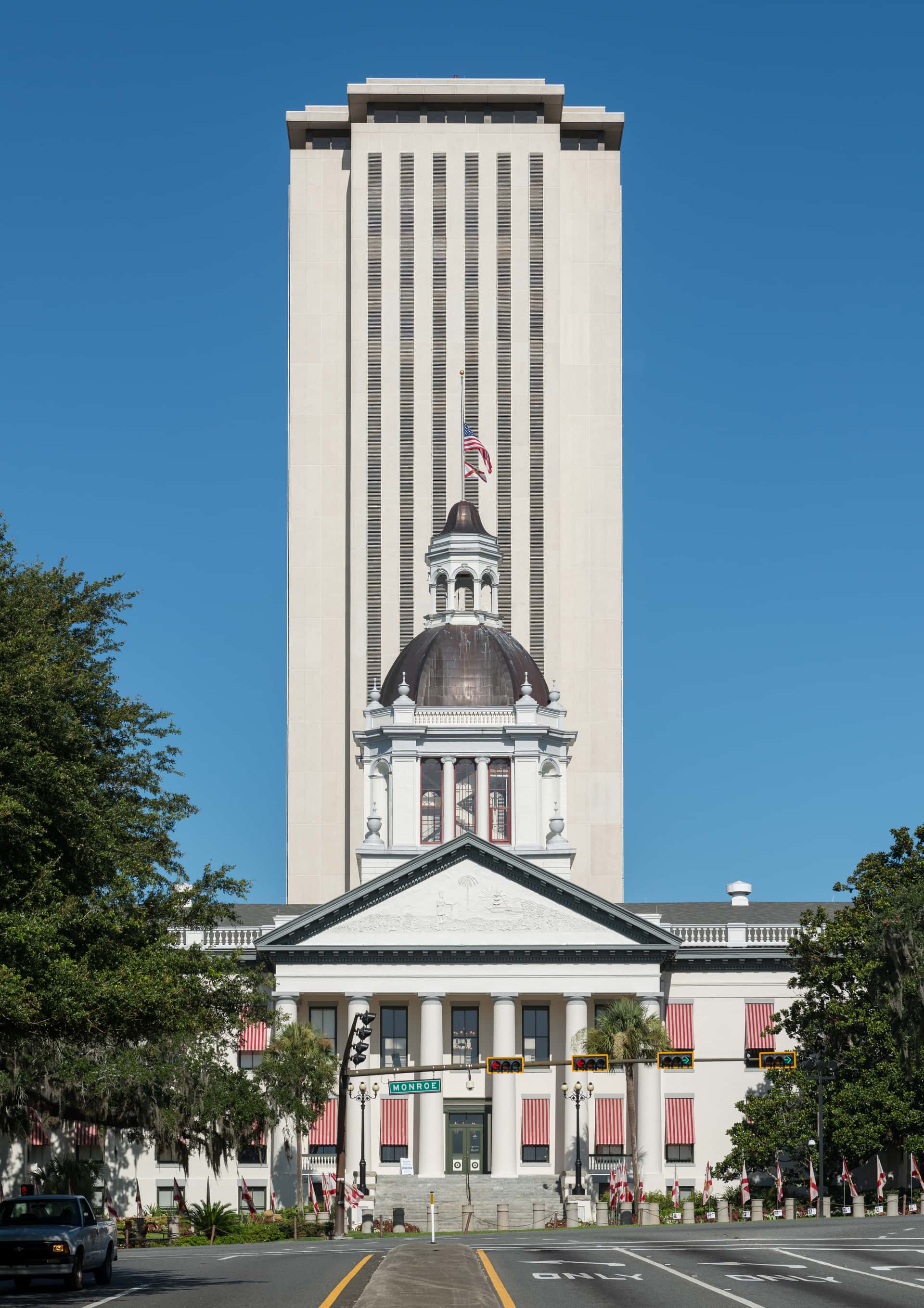
Florida voters will decide in November 2026 whether to exempt the first $250,000 of a homestead's assessed value from property taxes, after Gov. Ron DeSantis pushed a sweeping relief plan through a special legislative session in Tallahassee. The Legislature voted to place a constitutional amendment on the general election ballot, setting up one of the most consequential tax questions Floridians have faced in years.
The measure, titled "Save Our Homes from Excessive Property Taxes," cleared the House by a 75-26 margin and the Senate by 30-9 on June 2, during a session that ran from June 1 to June 3. DeSantis has described the effort as potentially the largest tax cut in state history, framing it as overdue relief for homeowners squeezed by rising property values and the local tax bills that follow them.
If approved by at least 60 percent of voters, the amendment would immediately exempt the first $250,000 of a homestead's assessed value from taxation and direct lawmakers, through general law, to chart a schedule toward fully eliminating taxes on primary residences over time. For many Florida families, the change would represent the single largest adjustment to their annual property tax obligation in a generation.
What the amendment would do
Under current Florida law, homestead exemptions shield the first $25,000 of a property's assessed value, along with the portion of value between $50,000 and $75,000 for non-school taxes. The new proposal would expand that protection dramatically, removing the first $250,000 of assessed value from the tax rolls for qualifying primary residences.
The amendment also leans on an existing pillar of Florida tax policy. The Save Our Homes provision already caps annual increases in the taxable value of homestead property at 3 percent, a guardrail that has helped longtime owners avoid being priced out of their homes as market values surged. The new measure builds on that framework, layering a much larger exemption on top of the assessment cap homeowners already rely on.
Beyond the immediate exemption, the language calls for lawmakers to use general law to move toward full elimination of property taxes on homesteads. That phased approach means the November vote would not be the final word. It would instead set a constitutional direction, leaving future Legislatures to fill in the timing and mechanics of any further reductions.
Supporters argue the structure gives Florida a clear path toward relief while preserving flexibility. Critics counter that the open-ended call for elimination raises hard questions about how local governments would replace revenue they currently collect from homestead properties.
The interplay between the new exemption and existing protections is central to understanding the measure. Florida's homestead rules already reward owner-occupants over investors and seasonal residents, and the expanded exemption would deepen that distinction. A primary residence would carry a far lighter tax burden than a comparably valued second home or rental property, reinforcing a structure that has long favored permanent Florida homeowners.
That design has practical consequences for the state's housing market and tax base. By concentrating relief on homesteads, the amendment would leave non-homestead properties, including commercial buildings and investment housing, carrying a relatively larger share of the local tax load. Whether that shift is desirable is among the questions voters and local officials will weigh as the campaign unfolds.
A key change: school taxes carved out
DeSantis's original plan applied the expanded exemption to all property taxes, including the school portion of homeowners' bills. That changed during the session. A House amendment sponsored by Rep. Sam Garrison, a Republican representing District 11, was adopted by the House State Affairs Committee and excluded school taxes from the exemption.
The distinction matters because school taxes make up a significant share of a typical Florida property tax bill. By carving out school levies, the revised amendment narrows the exemption's reach and limits its potential effect on education funding, a concession that helped shape the final version sent to voters.
The change reflects a recurring tension in Florida tax debates. Lawmakers want to deliver visible savings to homeowners, but they also have to weigh how deep cuts ripple through the budgets of school districts, counties, and cities that depend on property tax revenue to operate. Excluding schools was one way to ease that pressure while still offering homeowners a substantial break on the non-school portion of their bills.
For homeowners, the practical effect is that the $250,000 exemption would apply to county, municipal, and other non-school taxes, while the school portion of the bill would continue to be assessed under existing rules.
What it means for homeowners
For Florida's homeowners, the appeal is straightforward. Removing the first $250,000 of assessed value from non-school taxation would lower annual bills, in some cases substantially, for owners of primary residences. In a state where property values have climbed steeply, the exemption would reach a large share of homesteads.
The savings would be most pronounced for owners whose homes fall at or below the exemption threshold for non-school purposes, where a large portion of taxable value could be erased. Owners of higher-value homes would still see relief on the first $250,000 of value, with taxes continuing to apply above that line.
Because the measure interacts with the existing Save Our Homes assessment cap, the combined effect for longtime owners could be significant. Those who have benefited from years of capped assessments would see a large new exemption stacked on top of an already protected taxable value.
Still, the precise impact on any individual bill would depend on local millage rates, the home's assessed value, and how lawmakers implement the broader push toward elimination. The November vote would establish the framework, but the year-to-year savings would play out through local tax rolls and future legislative action.
For prospective buyers, the prospect of a far larger homestead exemption could also influence decisions about whether and when to purchase a primary residence in Florida. Lower carrying costs on a home can affect affordability calculations, particularly for first-time buyers and retirees weighing a move to the state. The exemption's reach across a wide swath of homesteads means its effects could ripple through the housing market more broadly than a narrow tax tweak would.
The savings would also arrive at a moment when many Floridians are contending with elevated costs across the board. Insurance premiums, utility bills, and the general cost of living have pressured household budgets, and proponents of the amendment have pointed to property tax relief as one lever within the state's control. For supporters, the appeal is that the exemption delivers help directly to homeowners without requiring them to navigate a separate application or rebate process.
Concerns about local and school funding
Not everyone sees the proposal as an unalloyed benefit. Critics, including state Sen. Lori Berman, a Democrat, have raised concerns about the impact on local government and school funding. Their worry is that large exemptions could strain the budgets that pay for services Floridians use every day, from public safety to road maintenance to classrooms.
Property taxes are a primary funding source for counties, cities, and school districts in Florida. When a large share of assessed value is removed from the rolls, local governments face a choice: absorb the loss, raise rates on remaining taxable property, or cut spending. The school carve-out addresses part of that concern, but counties and municipalities would still feel the effect on their non-school revenue.
The debate echoes long-running arguments in Florida over how to balance tax relief with the cost of public services. Homeowners welcome lower bills, but local officials often warn that revenue lost to exemptions has to be made up somewhere, whether through other taxes, fees, or reduced services.
How that tension is resolved would depend heavily on the general law lawmakers write to implement the amendment, including any provisions to backfill local revenue or phase changes in over time.
The road through the special session
The path to the ballot ran through a compressed special session that DeSantis called specifically to address property tax relief. Lawmakers returned to Tallahassee and moved quickly, with the House and Senate both acting within the three-day window.
The votes were not unanimous, reflecting the genuine policy disagreements at play. The House tally of 75-26 and the Senate's 30-9 vote showed broad support but also a bloc of opposition, much of it centered on the questions about local and school funding that critics raised throughout the session.
By placing the question on the November 2026 general election ballot, lawmakers handed the final decision to voters. Constitutional amendments in Florida require 60 percent approval to take effect, a high bar that means the measure will need substantial support beyond a simple majority.
That threshold has shaped Florida ballot campaigns before, turning closely contested measures into hard-fought races for public opinion. The property tax amendment is likely to draw vigorous advocacy on both sides as November approaches.
What's next
The amendment now heads to the November 2026 general election ballot, where it will need 60 percent voter approval to become part of the Florida Constitution. Between now and then, supporters and opponents are expected to make their cases to voters across the state.
DeSantis and the proposal's backers are likely to emphasize the direct savings for homeowners and the broader goal of moving toward eliminating property taxes on primary residences. Opponents, including some Democratic lawmakers, are expected to focus on the potential consequences for local government budgets and the services they fund.
If voters approve the measure, attention would shift back to Tallahassee, where lawmakers would write the general law needed to implement the exemption and to define any schedule toward full elimination. That follow-on legislation would determine much of the real-world impact, including how the change is phased and whether local governments receive help replacing lost revenue.
For now, the question rests with Florida's voters. In November, they will decide whether the first $250,000 of a homestead's value should be exempt from property taxes, a choice that could reshape both household budgets and the finances of local governments across the state.
Spotted an issue with this article?
Have something to say about this story?
Write a letter to the editor