Florida Wildfire Crisis: 2,100 Fires Burn as State Faces Worst Drought in Decades
Florida's Wildfire Emergency in Numbers
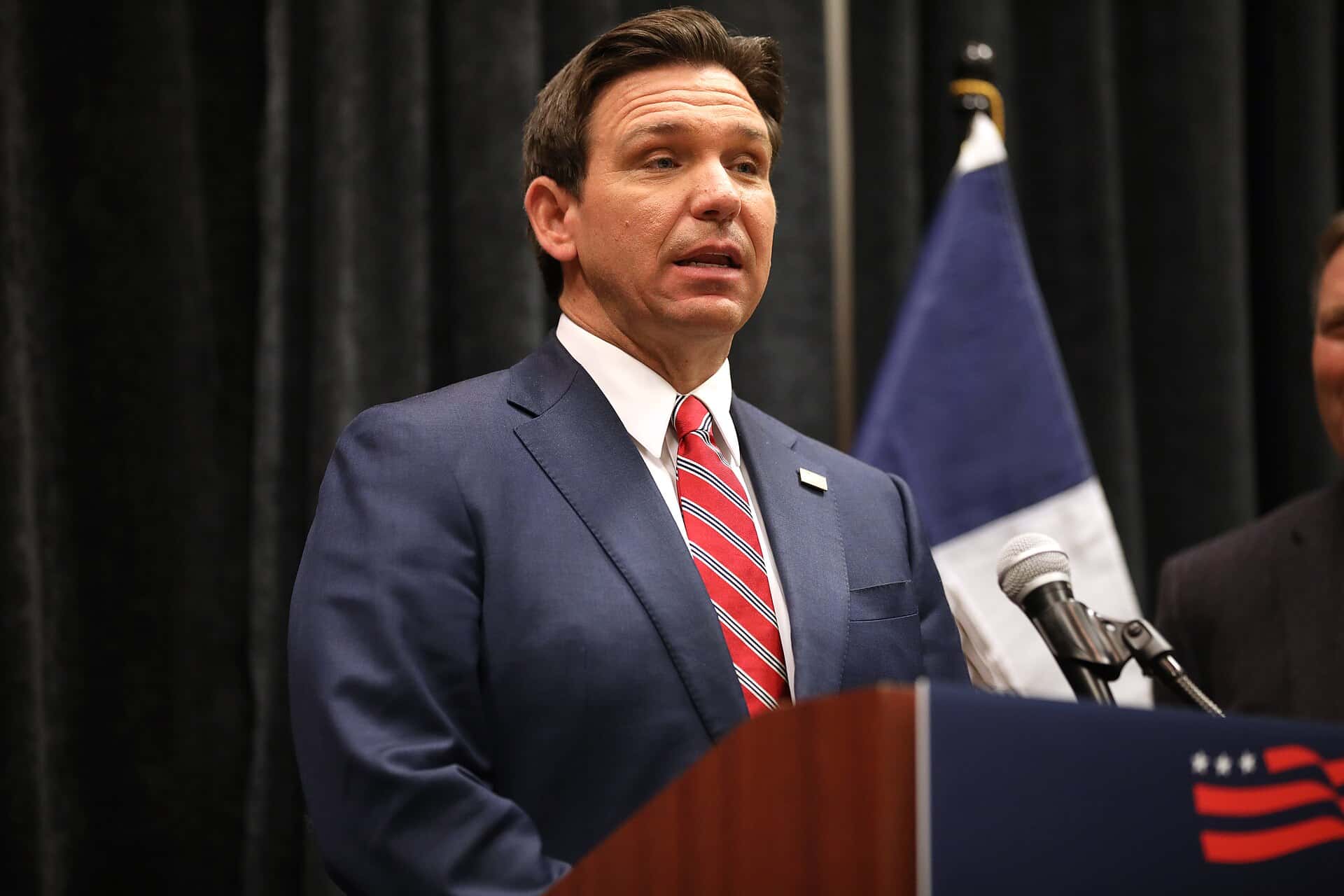
Florida is in the grip of a wildfire emergency that state officials and meteorologists are describing as among the most severe in recent memory. More than 2,100 wildfires have burned approximately 136,000 acres across the state since January 2026, with conditions remaining dangerous as the calendar enters what are historically the most active months for fire in Florida. Governor Ron DeSantis has declared a state of emergency under Executive Order 26-33, a declaration that has been extended through June 9, 2026, to ensure the full resources of the state are available to suppression and recovery efforts.
The fires are being driven by a combination of factors that forecasters say have converged to create the most hazardous fire environment Florida has experienced in decades. Chief among them is a drought of unusual severity and geographic breadth. According to the U.S. Drought Monitor, more than half of Florida's land area is classified as being in extreme drought, the second-highest category on the monitor's five-level scale. Approximately 22 percent of the state is in exceptional drought, the highest and most severe designation, indicating conditions that are expected to have significant short- and long-term ecological and economic impacts.
The numbers alone convey the scale of the crisis: 136,000 acres burned across more than two thousand individual fire events in fewer than five months. That pace reflects not only the drought's severity but also the exceptional atmospheric conditions that allow fires to spread rapidly once ignited. Fire officials and state forestry managers have maintained an elevated alert posture since early spring, pre-positioning resources and coordinating mutual aid agreements with neighboring states.
Atmospheric Conditions Fueling Rapid Spread
Beyond the drought itself, the atmosphere over Florida in the spring of 2026 has presented a combination of conditions that fire scientists describe as near-ideal for dangerous fire behavior. Relative humidity across large portions of the state has dropped below 30 percent on numerous days, sometimes falling into the low 20s during afternoon hours. At those levels, vegetation that is already desiccated by months of below-normal rainfall becomes highly receptive to ignition and burns with intensity that challenges ground-based suppression efforts.
Warm temperatures have compounded the low-humidity problem. Above-normal heat accelerates the evaporation of what little soil moisture remains, keeping ground-level fuels dry even in areas that have received occasional rainfall. Wind patterns that accompany certain weather systems can push fire fronts rapidly across open terrain, pine flatwoods, and palmetto scrub, the vegetation types that dominate much of Florida's interior landscape and that are historically among the state's most fire-prone ecosystems.
The Florida Forest Service and cooperating agencies have noted that relative humidity recovery overnight, a period when conditions typically moderate and allow crews to make progress, has been limited. When humidity fails to recover overnight, firefighters get less of the window they depend on to build containment lines and protect communities at the wildland-urban interface. That pattern has been particularly pronounced during the 2026 fire season.
The Drought's Origins: La Nina, Missing Storms, and Record Heat
Meteorologists and climate scientists have identified a convergence of weather pattern drivers responsible for the extreme drought. The 2025 Atlantic hurricane season, while active in some respects, produced no landfalling tropical cyclones in Florida. Tropical systems are a significant source of rainfall for the peninsula, particularly in the late summer and early fall. The absence of any tropical rainfall from landfalling systems in 2025 left soils across much of the state significantly drier entering the winter than would typically be the case.
La Nina, the climate pattern defined by cooler-than-normal sea surface temperatures in the central and eastern tropical Pacific Ocean, has been a dominant influence on Florida's weather since late 2025. La Nina tends to shift atmospheric circulation patterns in ways that reduce moisture flow into the Gulf of Mexico and suppress the development of frontal rain events that would otherwise deliver winter and early spring rainfall to the Florida peninsula. The pattern has effectively blocked the Atlantic moisture pathways that Florida depends on for sustaining soil moisture through the dry season.
Record heat has added a third dimension to the drought's development. Elevated temperatures throughout the winter and spring months have dramatically accelerated evapotranspiration, the combined process by which water evaporates from soil and transpires through vegetation. Even when rainfall has occurred, the rates of evapotranspiration have outpaced recharge, preventing any meaningful improvement in soil moisture conditions. Scientists have noted that the interaction between persistent La Nina conditions and background warming from longer-term climate trends creates conditions that are becoming more common and more severe.
The Near-Georgia Border Blaze and Other Major Fires
Among the most significant individual fire events of the 2026 season was a major blaze that broke out near the Florida-Georgia state line in the northern part of the state during late April. That fire burned nearly 30,000 acres before containment crews were able to establish effective control lines. The fire prompted evacuation orders and advisories for communities in the affected area, strained state firefighting resources, and drew national media attention to the severity of Florida's drought and fire conditions.
That fire was not isolated. Throughout the season, active fire complexes have occurred in the panhandle, along the central ridge, and in portions of the Big Cypress and Osceola national forests in South Florida. The spatial distribution of the fires reflects the geographic breadth of the drought, which has not been confined to any single region of the state. Fire managers have faced the challenge of responding to simultaneous flare-ups across multiple geographic zones, requiring careful prioritization of aircraft, hand crews, and heavy equipment.
Communities along the wildland-urban interface, areas where residential neighborhoods and commercial development border or intermingle with natural vegetation, have faced elevated risk throughout the season. The Florida Forest Service has worked with county emergency management offices to ensure that evacuation routes are pre-identified and that residents in vulnerable areas are prepared to leave on short notice if fire behavior warrants. Some evacuations were executed during major fire events, and state officials have credited advance preparation with limiting injuries and property losses in the most affected zones.
State of Emergency and Resource Mobilization
Governor DeSantis issued Executive Order 26-33 in response to the fire and drought emergency, invoking the state's emergency management framework to mobilize resources and waive certain regulatory requirements that might otherwise impede rapid response. The declaration allows the Division of Emergency Management to coordinate across agency lines, facilitates the procurement of firefighting supplies and equipment, and positions the state to receive federal assistance if needed.
The emergency order has been extended through June 9, 2026, acknowledging that April, May, and June are historically the three most active wildfire months in Florida. The extension ensures that the elevated resource mobilization and interagency coordination posture remains in place through the heart of the fire season. State forestry officials said the extension was prudent given that drought conditions show no signs of near-term improvement and that critical fire weather patterns are likely to persist for weeks.
The Florida Forest Service has been the primary operational agency managing suppression efforts, working alongside local fire departments, the U.S. Forest Service, the National Park Service, and other federal partners with jurisdiction over national forests and other public lands in the state. Aerial resources including air tankers and helicopters have been essential tools in attacking fires in terrain that is difficult to access on the ground. Mutual aid agreements with other southeastern states have allowed Florida to supplement its organic resources during periods of peak demand.
A Drought Paradox: Implications for Hurricane Season
Climate scientists have noted a counterintuitive dynamic that emerges from Florida's severe drought as the state simultaneously approaches the June 1 start of the Atlantic hurricane season. Under normal circumstances, dry soils would be expected to pose a flooding risk when heavy rainfall arrives, because saturated or hard-crusted ground cannot absorb water quickly. However, in conditions of truly extreme drought, the opposite effect can occur: soils that have been thoroughly depleted of moisture have substantial capacity to absorb rainfall before surface runoff and flooding begin.
Scientists have described this as a drought paradox for hurricane season planning. If a tropical system tracks over Florida while soils remain in extreme or exceptional drought status, the ground may absorb considerably more rainfall than would occur under normal conditions, potentially reducing flash flooding and urban inundation compared to what the same storm would produce in a normally moist year. That does not eliminate the danger from wind, storm surge, or rainfall totals, but it does alter the flooding equation in ways that emergency managers and hydrologists will need to account for in their planning.
Conversely, if the drought breaks before hurricane season produces a landfalling storm, rapid soil recharge could quickly eliminate that absorption buffer. The uncertainty cuts both ways: drought conditions can provide unexpected protection against rainfall flooding while simultaneously creating conditions of extreme ecological stress, elevated fire risk, and water supply strain for communities that depend on surface water and shallow aquifers.
Looking Ahead: When Will the Drought Break?
Long-range forecasters have offered limited optimism for near-term drought relief. La Nina conditions are expected to weaken as the summer progresses, which could eventually allow a return to more typical moisture patterns for Florida. However, the transition from La Nina to neutral or El Nino conditions does not deliver immediate rainfall relief, and the deep soil moisture deficits that have accumulated over months will require sustained above-normal precipitation over an extended period to resolve.
Florida's rainy season, which normally begins in June and runs through September, offers the best natural mechanism for drought recovery. If the summer convective patterns that typically bring daily afternoon thunderstorms develop on schedule and with normal intensity, accumulated rainfall could begin to chip away at soil moisture deficits over the course of the summer. However, if El Nino conditions develop strongly during the summer, as some climate models are projecting for the 2026 hurricane season, those conditions could suppress parts of the rainy season and delay meaningful drought recovery.
In the near term, state officials are urging Floridians to observe any outdoor burning restrictions in effect in their counties, to be vigilant about activities that could spark ignition in dry vegetation, and to follow any evacuation orders promptly if fire activity threatens their communities. The Florida Forest Service and county emergency management agencies have published updated fire risk information on their respective websites, and residents in high-risk areas are encouraged to review their evacuation plans and maintain a preparedness kit in the event that rapid evacuation becomes necessary during the coming weeks.
Spotted an issue with this article?
Have something to say about this story?
Write us a letterComments
No comments yet. Be the first to weigh in.
Related Coverage

Tallahassee and the Big Bend Escape Isaias' Worst, With Downed Trees, Brief Outages and Rising Rivers to Watch
1d ago
Isaias Leaves About 448,000 Florida Accounts Dark as 16,000 Line Workers Fan Out Across the Panhandle
1d ago

Panhandle Evacuations Widen From Perdido Key to St. George Island as Major Hurricane Isaias Nears
2d ago

Soaked Northeast Florida Faces More Flooding as Tropical Storm Isaias Takes Aim at the Gulf Coast
3d ago