Florida's Fourth of July Forecast: Dangerous Heat, Afternoon Storms and Rip Currents Along the Coast
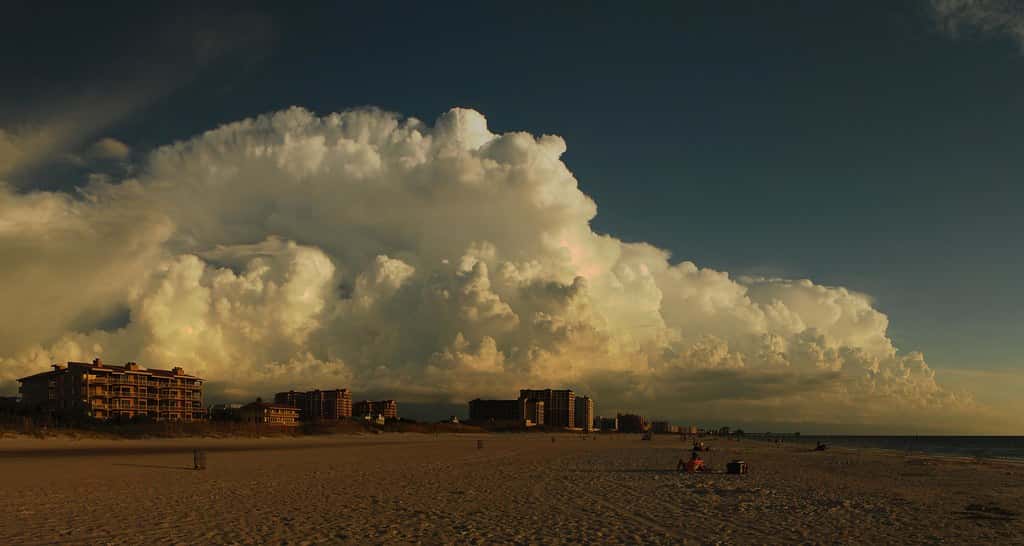
Floridians heading to beaches, parks and backyard cookouts this Fourth of July weekend will contend with dangerous heat, the state's familiar afternoon thunderstorms and a moderate risk of rip currents along parts of the coast. Forecasters expect plenty of summer sunshine, but the combination of high temperatures and tropical humidity will push the heat index into triple digits during the hottest part of the day.
The good news for the holiday is above the water rather than in it: the National Hurricane Center expects no tropical cyclone development in the Atlantic, Caribbean or Gulf over the next seven days, leaving the tropics quiet as the nation celebrates its 250th anniversary. That gives Florida a storm-free holiday from the tropics, even as everyday summer hazards demand attention.
With millions of residents and visitors expected outdoors over the long weekend, safety officials are urging caution against the season's most common threats. Heat, lightning and rip currents each claim lives in Florida every year, and the holiday's crowds heighten the stakes.
Heat is the headline threat
Temperatures across South Florida, including Palm Beach County and the Treasure Coast, are expected to climb into the upper 80s to lower 90s. Combined with Florida's heavy humidity, it will feel more like 100 to 105 degrees at peak. That level of heat can cause heat exhaustion and heat stroke, particularly for children, older adults and anyone exerting themselves outdoors for long stretches.
Heat illness can escalate quickly. Heat exhaustion, marked by heavy sweating, weakness, dizziness and nausea, can progress to heat stroke, a life-threatening emergency in which the body loses its ability to regulate temperature. Officials urge anyone experiencing symptoms to move to a cool place, hydrate and seek medical help if conditions worsen.
Weather officials urge residents and visitors to drink plenty of water throughout the day, take breaks in the shade or air conditioning, and watch for warning signs such as dizziness, nausea and confusion. Sunscreen should be applied and reapplied every two hours to guard against the intense Florida sun.
Parked cars heat rapidly, and officials remind families never to leave children or pets inside a vehicle, even briefly. On a hot Florida day, the interior of a car can reach deadly temperatures within minutes, a danger that persists even with windows cracked.
Afternoon storms in the forecast
Florida's summer pattern of afternoon and evening thunderstorms will be part of the holiday weekend, and planners of outdoor events and fireworks displays will need to keep an eye on the radar. These storms can develop quickly, bringing heavy rain, frequent lightning and gusty winds before moving on, often within an hour.
The timing of the storms, typically peaking in the afternoon and early evening, can collide with holiday plans. Fireworks displays and outdoor gatherings scheduled for the evening may face delays or interruptions, and organizers are advised to monitor conditions and have contingency plans.
Lightning is a serious and often underappreciated danger. Florida consistently ranks among the nation's leaders in lightning strikes, and the state's summer storms produce many of them. The guidance is simple and worth repeating: when thunder roars, go indoors, and wait 30 minutes after the last rumble before returning outside.
Beachgoers, boaters and those at pools or open fields are especially exposed to lightning, which can strike from storms still miles away. Safety officials emphasize that there is no safe place outdoors during a thunderstorm, and that a sturdy building or hard-topped vehicle offers the best protection.
Rip currents along the coast
At the beach, the combination of persistent onshore winds and increasing wave action can create a moderate risk of rip currents, especially along Palm Beach County beaches. Rip currents are fast, narrow channels of water moving away from shore, and they are the leading surf-zone hazard for swimmers.
These currents can pull even strong swimmers away from shore quickly, and panic is often what turns a dangerous situation into a fatal one. Rip currents do not pull swimmers underwater; they pull them away from the beach, and the exhaustion that comes from fighting the current is the primary danger.
Safety officials advise swimming near a staffed lifeguard whenever possible and checking beach warning flags before entering the water. The colored flag system communicates the day's conditions, and a red flag signals high hazard or closed water. Heeding those warnings is one of the simplest ways to stay safe.
Anyone caught in a rip current should stay calm, float rather than fight the pull, and swim parallel to the shoreline until free of the current before heading back to the beach. Bystanders who see a swimmer in trouble should alert a lifeguard or call for help rather than attempting a risky rescue that can endanger both people.
The tropics stay quiet
While summer hazards loom, the tropical Atlantic is offering a reprieve. The National Hurricane Center's outlook shows no development expected over the next week across the Atlantic basin, Caribbean and Gulf. That aligns with a season forecasters have projected to be below normal, with an anticipated El Nino pattern and other factors expected to limit activity.
Florida has already seen its first named system of the year, Tropical Storm Arthur, which formed in June. But the basin has settled into a quiet stretch, and no immediate threat is on the horizon for the holiday. That calm allows residents and visitors to enjoy the weekend without the anxiety of a storm bearing down on the coast.
Emergency managers still encourage residents to use the calm period to review hurricane plans and restock supply kits, because the peak of the season historically arrives in August and September. A quiet early July is precisely the time to prepare, before the rush that accompanies an approaching system.
Staying safe over the holiday
The practical takeaways for Floridians are straightforward. Hydrate, seek shade during the hottest hours, and watch children and older relatives for signs of heat illness. Keep an eye on the sky for building storms, and treat lightning as the deadly hazard it is. At the beach, swim near lifeguards, respect the flags and know how to escape a rip current.
Fireworks safety adds another layer of caution to the holiday. Officials remind residents to follow local rules, keep spectators at a safe distance and never allow children to handle fireworks. Every year, holiday celebrations produce preventable injuries from mishandled fireworks, and simple precautions can avoid them.
For families with young children, the state's recently expanded swimming lesson voucher program is a reminder that water safety is a year-round priority, not just a holiday concern. Drowning remains a leading cause of death for young children in Florida, and constant supervision around pools and open water is essential.
Boating and water safety
The holiday weekend brings heavy boat traffic to Florida's waterways, and with it a heightened risk of accidents. Officials urge boaters to wear life jackets, avoid alcohol while operating a vessel and stay alert to the sudden storms that can develop over open water. Boating under the influence carries the same serious consequences as impaired driving.
Florida consistently ranks among the states with the most boating accidents, a reflection of its extensive coastline, lakes and rivers and its year-round boating culture. The combination of crowded waterways, celebrations and quick-forming afternoon storms makes the Fourth of July a particularly hazardous period on the water.
Simple precautions can prevent tragedy. Checking the forecast before heading out, filing a float plan, keeping safety equipment on board and maintaining a sober operator are all steps that reduce risk. As with the beach, staying aware of changing conditions is essential to a safe day on the water.
Protecting pets and vulnerable residents
The holiday's hazards extend to pets and vulnerable residents. Fireworks can frighten animals, and many pets bolt or become disoriented during displays, leading to a spike in lost animals around the Fourth. Officials advise keeping pets indoors and secured during fireworks and ensuring they have identification.
The heat poses particular dangers to older adults, young children and people with health conditions, who are more susceptible to heat illness. Checking on elderly neighbors and relatives, ensuring access to air conditioning and watching for signs of distress are important during periods of dangerous heat.
Pets left outdoors face their own heat risks, and hot pavement can burn paws. The same caution that protects people from the summer heat applies to animals, and officials remind residents never to leave pets, like children, in parked vehicles even for a short time.
Enjoying the holiday safely
Despite the hazards, the Fourth of July remains one of Florida's most cherished holidays, and with reasonable precautions, families can enjoy it safely. The keys are awareness and preparation: knowing the risks of heat, storms and surf, and taking simple steps to guard against them.
For those heading to public events and fireworks displays, planning ahead helps. Arriving early, staying hydrated, having a plan in case of storms and keeping track of children in large crowds all contribute to a smoother experience. Local authorities often provide guidance on parking, access and safety for major events.
The quiet tropical forecast means the holiday can proceed without the shadow of an approaching storm, allowing Floridians to focus on celebrating. With the everyday hazards of a Florida summer in mind, residents and visitors can make the most of the long weekend while staying safe.
What's next
After the holiday, forecasters will continue monitoring the tropics as the season builds toward its typical late-summer peak. The current quiet is welcome but temporary, and conditions can change as the summer progresses toward the most active months.
Residents can stay updated through the National Weather Service offices serving their region and local emergency management agencies, which issue alerts and guidance as conditions warrant. Signing up for local alert systems and knowing evacuation zones are steps that pay off when a storm does threaten.
A quiet tropical forecast makes for a calmer holiday, but Florida's summer sun and afternoon storms still call for caution as millions head outdoors to celebrate. With awareness and preparation, Floridians can enjoy a safe Fourth of July while respecting the very real hazards the season brings.
Spotted an issue with this article?
Have something to say about this story?
Write a letter to the editorComments
No comments yet. Be the first to weigh in.
Related Coverage

King Tides Set Record at Port Everglades Gauge, Flooding Streets From Fort Lauderdale to Miami Beach
16h ago
Florida's First Fall Cold Front Delivers Cooler Air and Strong Coastal Winds as a Nor'easter Develops Offshore
4d ago
Tropical Storm Hanna Forms Far From Florida as Atlantic Stays Hurricane-Free
6d ago

Hurricane Season Enters Its Final Weeks With Six Named Storms and No Atlantic Hurricanes
Sep 23