Florida's 1.7 Million Flood Policies Hang on Congress as NFIP Faces September Deadline
More than 1.7 million Florida flood insurance policies, the most of any state, hang on whether Congress reauthorizes the National Flood Insurance Program before it expires at 11:59 p.m. on September 30, 2026. With hurricane season already under way and flood coverage required for many mortgaged properties in flood zones, the looming deadline puts a vast share of Florida's homeowners and its real estate market on edge.
The National Flood Insurance Program, run by the Federal Emergency Management Agency, covers more than 5 million policyholders nationwide. Florida's share, exceeding 1.7 million policies, is larger than any other state's, a reflection of the state's low-lying geography, extensive coastline, and exposure to storms and flooding.
On February 3, 2026, the president signed legislation extending the program's authorization to September 30, 2026. That extension bought time, but it also set the next cliff. Unless Congress acts again before the deadline, the program's authority to sell and renew policies would lapse, with consequences that would ripple through Florida's housing and disaster-recovery systems.
What the NFIP does
The National Flood Insurance Program is the primary source of flood coverage for homeowners across the United States. Because standard homeowners insurance policies typically do not cover flood damage, the federal program fills a gap that private insurers have historically been reluctant to take on, particularly in high-risk areas.
FEMA administers the program, which provides flood insurance to property owners, renters, and businesses in participating communities. For many homeowners in flood-prone areas, the NFIP is the only practical option for obtaining flood coverage, making the program central to financial protection against flooding.
Nationwide, the program covers more than 5 million policyholders. That scale makes it one of the largest insurance programs in the country and a critical piece of the nation's approach to managing flood risk. When the program's authorization is in question, the stability of coverage for all of those policyholders comes into focus.
The program's reach is especially pronounced in Florida, where geography and development patterns have produced an enormous concentration of policies. With more than 1.7 million policies in the state, Florida is the program's single largest market.
Why Florida has the most at stake
Florida's outsized role in the National Flood Insurance Program stems from its physical characteristics. The state's flat, low-lying terrain, its lengthy coastline, and its vulnerability to hurricanes and heavy rainfall combine to put a large number of properties in flood zones.
For many of those properties, flood insurance is not optional. Flood coverage is required for many mortgaged properties in designated flood zones, meaning homeowners with federally backed mortgages in those areas generally must carry a policy. That requirement ties the availability of NFIP coverage directly to the ability to buy and finance homes.
The result is a market in which more than 1.7 million Florida policies depend on the program's continued operation. A disruption to the NFIP would therefore be felt acutely in Florida, where so many transactions and so much financial protection rest on the program's coverage.
The timing adds urgency. With hurricane season under way, the period of greatest flood risk overlaps with the run-up to the September 30 deadline. That overlap heightens the stakes for Florida homeowners who rely on flood coverage during the very months when storms are most likely.
Florida's exposure is not limited to coastal counties. Inland flooding from heavy rainfall, swollen rivers, and saturated ground can affect properties well away from the shoreline, broadening the share of homes that fall within mapped flood zones. The combination of a long peninsula, a high water table, and a development pattern that has pushed homes into low-lying areas means flood risk is woven throughout the state. That breadth helps explain why Florida carries so many more policies than any other state, and why a disruption to the program would be felt in communities from the coast to the interior.
What happens if the program lapses
If Congress allows the authorization to lapse, the most immediate effect would be on new and renewing coverage. FEMA would stop selling new policies and stop renewing existing ones, cutting off the flow of fresh coverage during a lapse.
Existing policies, however, would not vanish overnight. Policies already in force would remain in effect until their expiration date, plus a 30-day grace period. That cushion means current policyholders would retain coverage for a time, but those whose policies expire during a lapse could find themselves unable to renew.
Claims would also continue to be paid during a lapse, as long as FEMA has the funds to pay them. That continuity matters for homeowners who suffer flood damage, since it means the program could still respond to losses even while its authority to issue new policies is suspended.
The combination of these rules means a lapse would not instantly strip everyone of coverage, but it would freeze the program's ability to write and renew policies. For a state with more than 1.7 million policies, even a temporary freeze could create significant disruption, particularly for home sales that depend on securing flood coverage.
The ripple effect on real estate
Because flood insurance is required for many mortgaged properties in flood zones, a lapse in the program would reach beyond insurance itself and into the housing market. Buyers seeking to close on homes in flood zones generally need a flood policy in place, and a freeze on new policies could complicate or delay those transactions.
In Florida, where so many properties sit in flood zones, that dynamic could affect a substantial volume of real estate activity. A lapse that prevents new policies from being issued could leave some buyers unable to satisfy the flood-insurance requirements tied to their mortgages, slowing sales.
The effects could extend to disaster recovery as well. Flood insurance is a key mechanism through which homeowners rebuild after flooding, and uncertainty about the program's status could complicate recovery efforts, especially if a lapse coincided with a storm during hurricane season.
For Florida's economy, where real estate and the costs of living near the water are central concerns, the program's stability is closely tied to broader financial confidence. A lapse would inject uncertainty into a market already grappling with elevated insurance costs.
Lenders, too, have a stake in the program's continuity. Because flood insurance is a condition of many mortgages in flood zones, banks and other lenders rely on the availability of NFIP coverage to close loans on affected properties. A freeze on new policies could leave lenders and borrowers alike navigating a transaction that cannot be completed without the required coverage in place.
The interconnection between flood insurance, mortgages, and home sales means a disruption would not stay confined to any single party. Buyers, sellers, lenders, and the broader market would all feel the effects of a freeze on new policies, magnifying the consequences in a state where so many properties depend on the program.
The push to reauthorize
Efforts to keep the program running have drawn bipartisan attention, with Florida lawmakers playing a prominent role. U.S. Representative Jared Moskowitz, a Florida Democrat, has led efforts to extend the program, reflecting the stakes for his home state.
Bipartisan bills have been introduced to address the program's authorization, signaling that lawmakers from both parties recognize the importance of avoiding a lapse. The February 3, 2026 extension that pushed the deadline to September 30 was itself a product of such efforts, providing a temporary reprieve while a longer-term path is sought.
For Florida, the involvement of its congressional delegation is significant given how much of the state depends on the program. With more policies than any other state, Florida has a direct interest in ensuring the NFIP continues to function without interruption.
The bipartisan nature of the bills introduced suggests recognition across party lines that a lapse would carry consequences for homeowners regardless of political affiliation. Flood risk does not respect partisanship, and the broad geographic spread of the program's policyholders, concentrated heavily in Florida, gives lawmakers from across the spectrum reasons to support reauthorization.
The challenge is that short-term extensions, while preventing immediate lapses, leave the program facing recurring deadlines. Each extension sets up the next cliff, keeping the question of the program's future in a state of repeated uncertainty.
A pattern of short-term fixes
The September 30, 2026 deadline fits a broader pattern in which the National Flood Insurance Program has been kept alive through a series of extensions rather than a long-term reauthorization. The February 3 extension is the latest in that sequence.
Short-term extensions provide stability only until the next deadline. They prevent the immediate harms of a lapse but do not resolve the underlying questions about the program's long-term structure and funding. For policyholders, that means living with periodic uncertainty about whether coverage will continue uninterrupted.
For Florida homeowners, the recurring deadlines translate into recurring anxiety. Each time the program approaches an expiration date, the possibility of a lapse, with its effects on coverage, home sales, and recovery, comes back into view.
The current deadline brings that cycle to the fore once again. With more than 1.7 million Florida policies in the balance, the path Congress chooses, whether another extension or a longer-term reauthorization, will determine how much certainty the state's homeowners can count on.
What homeowners can do as the deadline nears
For Florida homeowners watching the September 30 deadline approach, the rules that govern a potential lapse shape what they can do to protect themselves. Because policies already in force remain in effect until their expiration date, plus a 30-day grace period, the timing of a household's renewal matters. Homeowners whose policies are set to expire near the deadline face the most immediate exposure to a freeze on new and renewing coverage, while those with policies running well past the deadline have more cushion.
The interplay with home sales adds another consideration. Because flood insurance is required for many mortgaged properties in flood zones, buyers and sellers in the midst of transactions have reason to track the deadline closely. A purchase that depends on securing a new flood policy could be complicated by a freeze, making the timing of closings a practical concern for those navigating Florida's real estate market in the months ahead.
For the broader population of policyholders, the recurring nature of these deadlines has become a familiar feature of owning property in flood-prone Florida. Each approach to an expiration date prompts attention to coverage status and renewal timing, even as the ultimate question of the program's continuity rests with Congress rather than with individual homeowners.
What's next
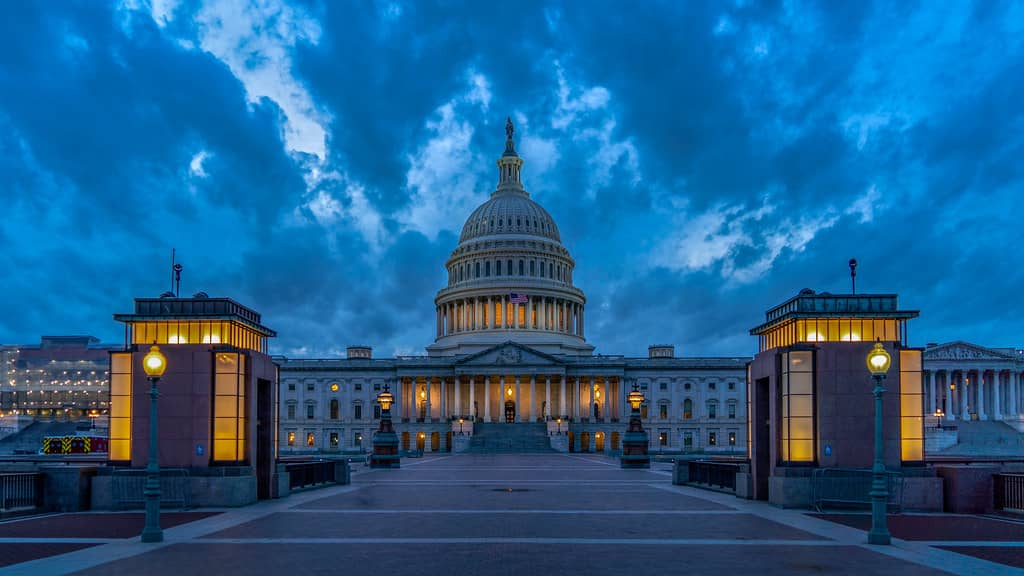
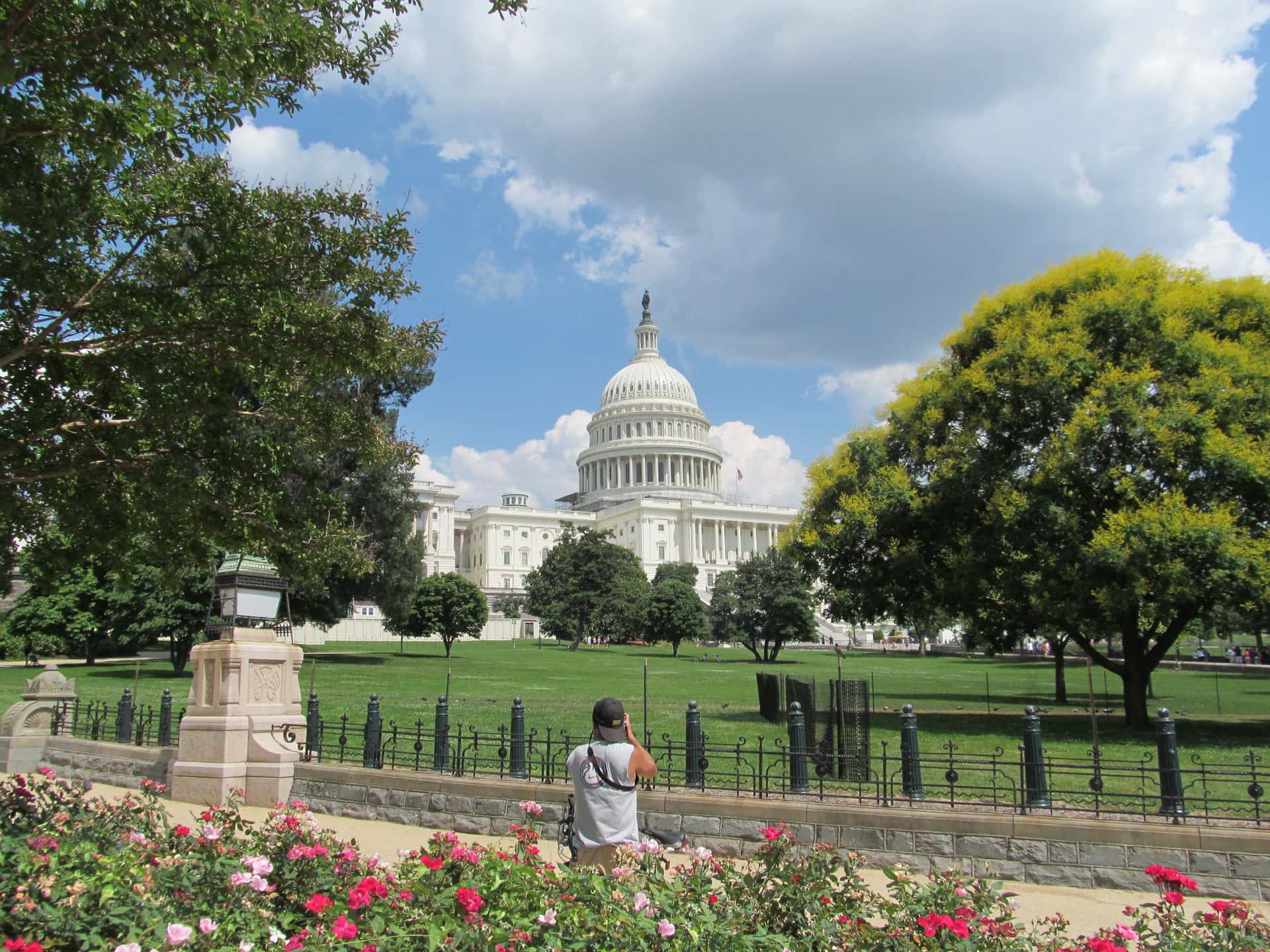
The central question is whether Congress will act before the September 30, 2026 deadline. Lawmakers have until 11:59 p.m. that day to reauthorize the program, and the outcome will determine whether FEMA can continue selling and renewing policies without interruption.
The legislative path remains to be settled. With bipartisan bills introduced and Florida lawmakers including Representative Moskowitz pressing for action, the framework for an extension or reauthorization exists, but the timing and form of any agreement are still open questions as the deadline approaches.
Should a lapse occur, the rules provide some cushion. Existing policies would remain in force until expiration plus a 30-day grace period, and claims would continue to be paid as long as FEMA has funds. But new and renewing coverage would halt, creating immediate pressure on home sales and recovery in flood zones.
For Florida, with more flood policies than any other state and hurricane season already under way, the stakes of the September deadline are especially high. The coming months will reveal whether Congress can avoid a lapse and provide the certainty that more than 1.7 million Florida policyholders are counting on.
Spotted an issue with this article?
Have something to say about this story?
Write a letter to the editor