Florida's 'Alligator Alcatraz' Detention Center Winds Down as Last Detainees Are Removed
The controversial state-run immigration detention facility in Florida's Everglades known as "Alligator Alcatraz" is winding down, and according to reports it could close in June 2026, with the last of its detainees being removed from the remote site in South Florida. The shutdown marks an abrupt reversal for a facility that opened less than a year earlier and quickly became a flashpoint in debates over immigration enforcement and the fragile Everglades ecosystem.
Companies hired by the state to operate the facility were notified on May 12, 2026 that it would shut down, according to reports, and the roughly 1,400 remaining detainees were expected to be removed in the following weeks. Sources indicated that the last detainees would leave in June, bringing an end to operations at a site that sits deep in one of the country's most sensitive natural landscapes.
For South Florida, the closure carries weight far beyond the immigration debate. The facility was built on land in the heart of the Everglades, a region whose ecology has been the subject of decades of restoration efforts and a focus of litigation by conservation groups and the Miccosukee Tribe. The wind-down now sets in motion a separate process of dismantling the site and returning it to its prior use.
How the facility came to be
The detention center opened in July 2025 with the capacity to hold around 3,000 people. Attorney General James Uthmeier announced its construction in June 2025, and the state moved quickly to stand up a large-scale detention operation in a location far from Florida's population centers.
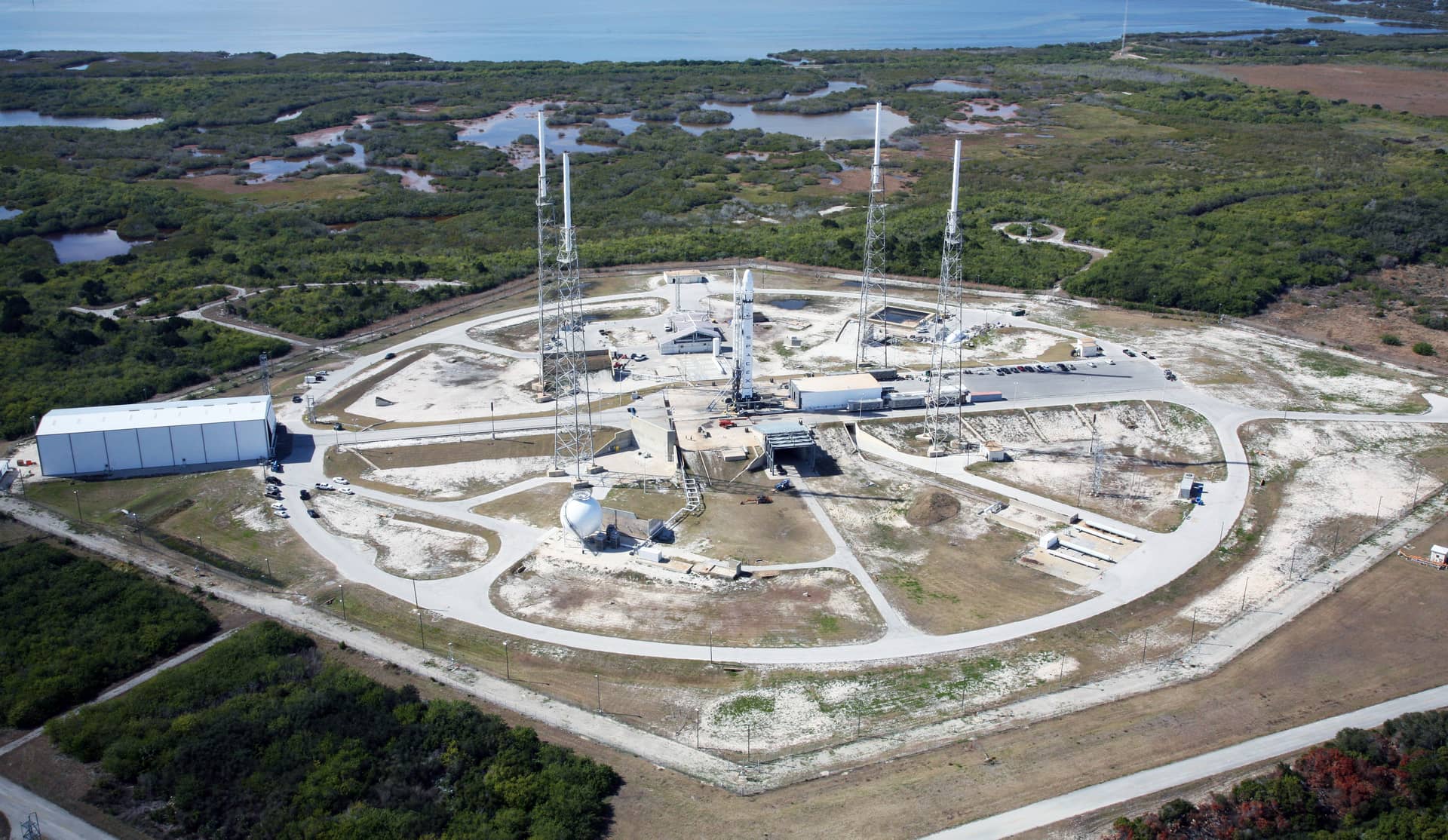
The site chosen was the Dade-Collier Training and Transition Airport, a former airfield in the Everglades that had been used for pilot training. Its remote location and existing airfield infrastructure made it a candidate for rapid conversion into a detention facility, and the nickname "Alligator Alcatraz" reflected both its isolation and the surrounding wetlands.
From the outset, the facility drew intense scrutiny. Its placement in the Everglades raised immediate environmental concerns, and its role in immigration enforcement made it a symbol in a broader political fight. Supporters framed it as a necessary tool for detention capacity, while critics questioned both its location and its cost.
Within months of opening, the facility had become one of the most closely watched detention sites in the state, holding people while their immigration cases proceeded and generating ongoing legal and political controversy.
Escalating costs drove the closure
The decision to wind down the facility was driven in large part by its escalating operating costs, which were reported to total nearly $1 billion. That figure transformed the project from a high-profile enforcement initiative into a fiscal liability that proved difficult to sustain.
The state had issued dozens of no-bid contracts to build and run the facility. Reports put the count at 34 contracts totaling more than $360 million, with annual operating costs projected around $450 million. Those numbers underscored the scale of the commitment required to keep the remote site functioning.
No-bid contracts, awarded without competitive bidding, drew particular attention given the sums involved. The combination of high upfront contracting and steep annual operating expenses created a cost structure that, according to reports, ultimately contributed to the decision to shut the facility down.
For a project that had been launched with speed and fanfare, the financial reckoning came quickly. The reported approach toward nearly $1 billion in total costs made the facility one of the most expensive elements of the state's immigration enforcement effort, and that expense became central to its undoing.
Removing the detainees
With the shutdown decision made, attention turned to the roughly 1,400 detainees still held at the facility. After the operating companies were notified on May 12, 2026, those detainees were expected to be removed over the following weeks, a process that reports indicated would conclude in June.
The removal of detainees from a remote facility involves logistical coordination, as people are transferred elsewhere within the immigration system. The wind-down does not resolve the underlying immigration cases of those held there; it relocates them as the site ceases operations.
The pace of the removals, with the last detainees leaving in June according to sources, set the timeline for the broader closure. Only once the facility was emptied could the next phase, the physical dismantling of the site, begin.
The relatively rapid clearing of a facility built to hold around 3,000 people reflected both the smaller number of detainees remaining and the state's decision to move quickly toward closure. The wind-down compressed into a matter of weeks what had taken months to build.
Demobilizing the Everglades site
After the detainees are removed, the facility enters a phase known as "demobilization," the process of removing the fencing, trailers, and structures that were erected to create the detention center. That work was expected to take two to three weeks.
Demobilization is significant because of where the facility sits. Dismantling the structures is the step that begins to return the Everglades site to its prior condition, peeling back the infrastructure that had been added to the former airfield.
Once demobilization is complete, the site is expected to return to use as a pilot-training airport, resuming the function it served before the detention center was built. The Dade-Collier Training and Transition Airport would again operate as an aviation training facility rather than a detention site.
That planned return to its original use frames the closure as a reversal not only of policy but of the physical transformation the land underwent. The two-to-three-week demobilization timeline sets the schedule for that transition, contingent on the detainees being removed first.
The scale of the demobilization reflects the scale of the original buildout. Converting a former airfield into a facility capable of detaining around 3,000 people required substantial temporary infrastructure, and removing it is a significant undertaking in its own right. The fencing, trailers, and structures that defined the detention center must each be taken apart and hauled away from the remote location.
The remoteness that made the site appealing for detention also complicates its dismantling. Crews must work deep in the Everglades, far from population centers, to clear the infrastructure. The planned two-to-three-week window suggests an effort to complete that work efficiently and return the land to its prior function as quickly as possible.
The environmental and tribal lawsuit
The facility's location in the ecologically sensitive Everglades made it a target of legal challenge from the start. Conservation groups and the Miccosukee Tribe have pressed a lawsuit citing several federal environmental and historic-preservation laws.
The suit invokes the National Environmental Policy Act, the National Historic Preservation Act, the Endangered Species Act, and the Clean Water Act. Together, those statutes govern environmental review, the protection of historic and cultural resources, the safeguarding of threatened and endangered species, and the protection of water quality, all of which the plaintiffs argued were implicated by the facility.
The Miccosukee Tribe's involvement reflects the deep cultural and historical ties between the tribe and the Everglades. For the tribe and for conservation groups, the case has been about more than any single facility; it concerns the broader question of how development in the Everglades is reviewed and authorized.
In early June 2026, an appeals court returned jurisdiction over the case to the trial judge, a procedural step that sends the litigation back to the lower court for further proceedings. That development kept the legal challenge alive even as the facility itself moved toward closure.
The return of jurisdiction to the trial judge means the substantive questions raised by the plaintiffs will be considered at the lower-court level. Even with the facility winding down, the case carries implications for how environmental review is applied to projects in the Everglades, a landscape protected by multiple federal statutes and the subject of extensive restoration efforts over the years.
For the Miccosukee Tribe and the conservation groups, the litigation represents an effort to establish that the laws they cited apply to actions taken in the Everglades, regardless of the facility's closure. The outcome could influence whether similar projects face rigorous review before proceeding, making the case relevant beyond the specific site at issue.
A symbol of a larger fight
Throughout its short existence, the facility served as a symbol in overlapping debates. For supporters of aggressive immigration enforcement, it represented added detention capacity. For environmental advocates and the Miccosukee Tribe, it represented an intrusion into a protected and culturally significant landscape.
The site's nickname captured the public imagination and became shorthand for the controversy. Its remote setting in the Everglades, surrounded by wetlands and wildlife, made it unlike conventional detention facilities and amplified questions about its appropriateness.
The reported costs approaching $1 billion added a fiscal dimension to the debate, prompting questions about whether the expense was justified. As those costs mounted, the facility's critics found additional grounds for opposition beyond the environmental and humanitarian concerns.
Now, with the wind-down under way, the facility's brief history stands as a case study in how quickly a high-profile project can rise and fall. Built in 2025 and closing in 2026, it compressed a full arc of construction, operation, and closure into less than a year.
The Everglades as a contested landscape
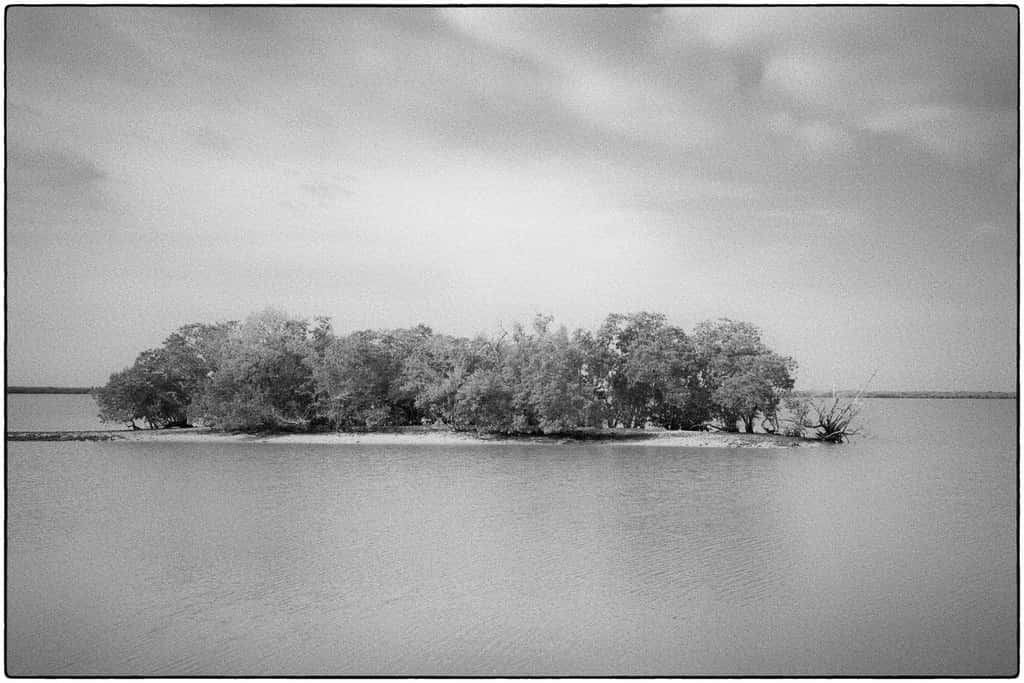
The fight over the facility cannot be separated from the place where it was built. The Everglades is one of the country's most distinctive natural landscapes, a vast system of wetlands, sawgrass marshes, and waterways that has been the focus of large-scale restoration efforts for decades. Those efforts reflect a recognition that the region's water flow, wildlife habitat, and ecological balance are both fragile and nationally significant, qualities that made the placement of a large detention operation there immediately contentious.
For conservation groups, building and operating a facility in such a setting raised questions that the federal environmental statutes cited in their lawsuit are designed to address. Laws governing environmental review, endangered species, water quality, and historic preservation exist in part to ensure that projects affecting sensitive landscapes are studied and authorized through established processes. The plaintiffs' case centered on the argument that those processes applied to the Everglades site, regardless of the speed with which the facility was stood up.
For the Miccosukee Tribe, the stakes ran deeper still. The tribe's cultural and historical ties to the Everglades stretch back generations, and the region remains central to its identity. The placement of a detention facility within that landscape touched on concerns that extend beyond any single project to the broader question of how development in the Everglades is reviewed and how the tribe's connection to the land is respected. Those concerns help explain why the litigation has continued even as the facility itself moves toward closure.
What's next
The immediate next step is the completion of detainee removals, which reports indicated would finish in June 2026. Only after the facility is emptied can the demobilization phase proceed, clearing the way for the physical dismantling of the site.
Demobilization, expected to take two to three weeks, will involve removing the fencing, trailers, and structures that converted the former airfield into a detention center. Once that work is done, the Dade-Collier Training and Transition Airport is expected to return to its prior role as a pilot-training airport.
The litigation, meanwhile, continues. With an appeals court having returned jurisdiction to the trial judge in early June 2026, the case brought by conservation groups and the Miccosukee Tribe will proceed in the lower court. The outcome could shape how future projects in the Everglades are reviewed under the federal laws cited in the suit.
For South Florida, the closure brings to an end a contentious chapter centered on one of the region's most sensitive landscapes. As the detainees depart and the structures come down, attention will turn to the restoration of the site and to the unresolved legal questions that the facility leaves behind.
Spotted an issue with this article?
Have something to say about this story?
Write a letter to the editor