Florida's Hurricane Season Off to a Quiet Start as Saharan Dust and Wind Shear Suppress the Tropics
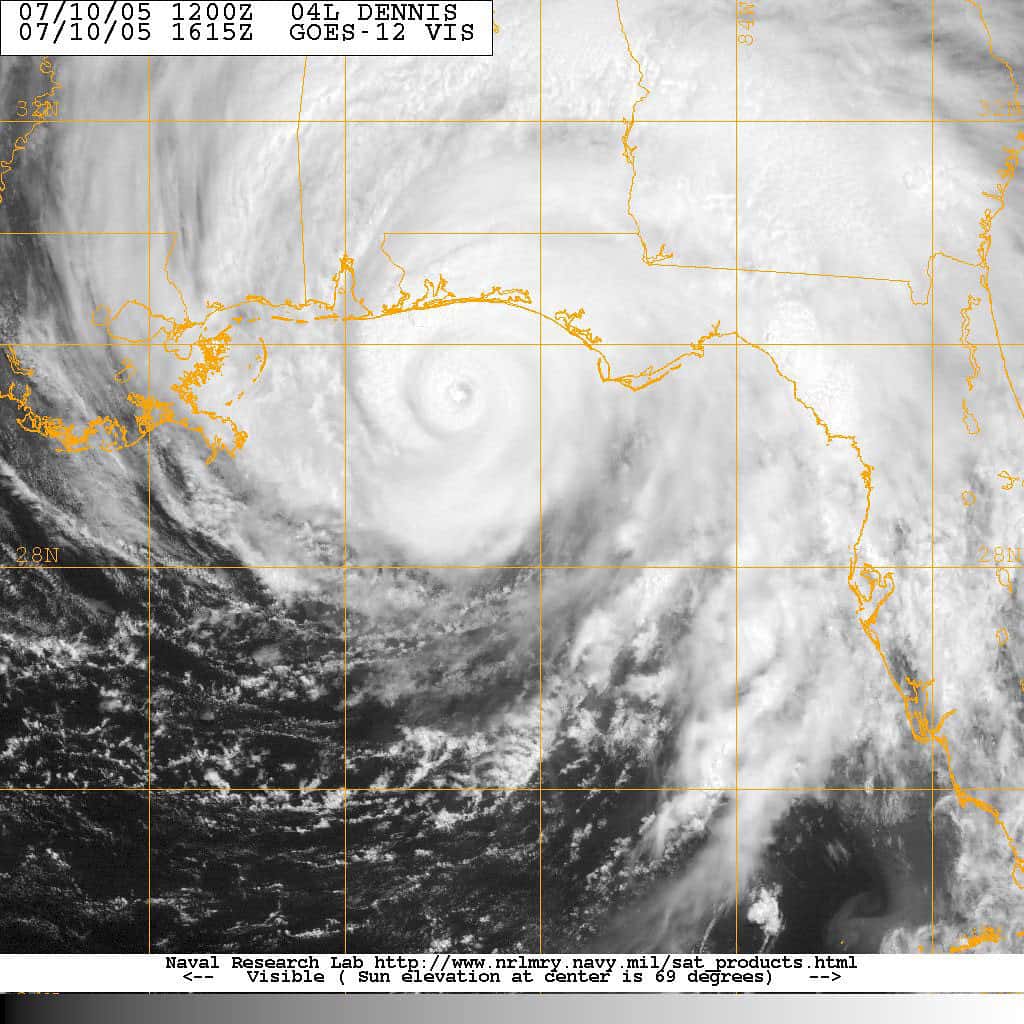
Florida is enjoying an unusually calm opening to the 2026 Atlantic hurricane season, with forecasters reporting that no tropical development is expected across the basin over the coming week. A thick plume of Saharan dust blanketing the deep tropics, combined with hostile wind shear over the Gulf and Caribbean, has effectively shut down storm formation for now, giving the Sunshine State a quiet stretch as the season gets underway.
The lull is welcome news for a state that lives with the threat of tropical weather from June through November. But meteorologists are cautioning Floridians not to mistake a quiet June for a quiet season. The most dangerous months still lie ahead, and the same conditions calming the tropics now can fade quickly as summer deepens.
Why the tropics are quiet
The primary culprit behind the calm is the Saharan Air Layer, a mass of hot, dry, dust-laden air that periodically sweeps off the African continent and across the Atlantic. This dry air starves developing storms of the moisture they need and stabilizes the atmosphere, making it difficult for tropical systems to organize and strengthen.
Working alongside the dust is elevated wind shear, the change in wind speed and direction with height that can tear apart budding storms before they take shape. With strong shear in place over the Gulf and Caribbean, even areas of disturbed weather have struggled to consolidate. Forecasters say the combination has left the Main Development Region, the stretch of the Atlantic where many of the season's strongest hurricanes are born, relatively quiet for the near future.
These early-season suppressants are common in June, when the atmosphere often is not yet primed for robust tropical activity. As the season progresses toward its August-to-October peak, the Saharan dust typically thins, ocean temperatures climb, and conditions grow more favorable for storms.
What forecasters expect this season
NOAA's outlook for the 2026 Atlantic hurricane season calls for a near-normal to below-normal year. Forecasters have placed the odds at a 55 percent chance of a below-normal season, a 35 percent chance of a near-normal season, and a 10 percent chance of an above-normal season.
In terms of numbers, NOAA is predicting between eight and 14 named storms, of which three to six are expected to become hurricanes, with one to three reaching major hurricane status of Category 3 or higher. The outlook reflects a mix of competing factors: an expected El Nino, which tends to suppress Atlantic activity, weighed against slightly warmer-than-normal ocean temperatures and weaker trade winds that can favor development.
It is important to remember that seasonal forecasts describe overall activity, not where storms will go. A below-normal season can still produce a single devastating landfall, as Florida history has repeatedly shown. The number of storms matters far less to any given community than whether one of them comes ashore nearby.
The Florida context
No state has more at stake during hurricane season than Florida. With a long coastline on both the Atlantic and the Gulf, a dense and growing population in vulnerable coastal areas, and a built environment exposed to wind and storm surge, Florida faces the nation's highest cumulative hurricane risk.
The state has invested heavily in preparedness, from building codes strengthened after past disasters to emergency management systems designed to coordinate evacuations and response. Yet the fundamental vulnerability remains, and recent seasons have served as reminders that a single storm can cause catastrophic damage and reshape entire communities.
The early-season calm offers Floridians a valuable window to prepare before the heart of the season arrives. Emergency officials routinely urge residents to use quiet periods to assemble supply kits, review evacuation plans, and confirm insurance coverage rather than waiting until a storm is bearing down.
Preparation during the calm
Forecasters and emergency managers consistently emphasize that the time to prepare for hurricanes is before there is a storm on the map. The current lull is an ideal opportunity for Florida households to take stock of their readiness while there is no immediate threat demanding attention.
That preparation includes building a disaster supply kit with water, non-perishable food, medications, and other essentials sufficient for several days; knowing whether your home lies in an evacuation zone and planning a route accordingly; and securing important documents and insurance information. Reviewing property and flood insurance coverage is particularly important in Florida, where standard homeowners policies do not cover flood damage and where coverage gaps can prove costly after a storm.
Officials also remind residents that inland flooding from heavy rainfall can be just as dangerous as coastal storm surge, and that even weaker tropical systems can cause significant damage. Preparedness, they stress, should not be reserved for major hurricanes alone.
The role of the Saharan Air Layer
The Saharan Air Layer is a recurring feature of the early hurricane season, and its influence illustrates the global nature of the forces shaping Atlantic weather. Vast plumes of dust lifted from the Sahara Desert travel thousands of miles across the ocean, carrying dry, stable air that suppresses the moisture-driven process of storm formation.
These dust outbreaks are most common in the early part of the season, which helps explain why June and early July often see limited tropical activity. As the season progresses, the frequency and extent of the dust plumes typically diminish, removing one of the obstacles to storm development and contributing to the increase in activity during the peak months.
The dust also has effects beyond suppressing storms, including influencing air quality and creating hazy skies and vivid sunsets when the plumes reach Florida and the broader region. For now, the presence of the dust is a welcome ally in keeping the tropics calm, though its seasonal retreat will eventually open the door to greater activity.
What it means for Floridians
For now, the quiet tropics mean Floridians can go about their summer without an immediate storm threat. Beaches, theme parks, and the broader tourism economy that drives much of the state benefit from calm weather during the peak travel months.
But the reprieve is best understood as a chance to get ready rather than a reason to relax. The atmospheric conditions suppressing storms now are temporary, and the season's most active stretch typically begins in August and runs through October. A shift in those conditions can open the door to rapid development with relatively little warning.
Floridians who use this window to prepare will be in a far better position when the tropics inevitably grow more active. The difference between a manageable storm experience and a crisis often comes down to readiness established well in advance.
Understanding the season's forecast factors
The competing influences on the 2026 season illustrate the complexity of hurricane forecasting. On one side, an expected El Nino tends to increase wind shear across the Atlantic, suppressing storm formation and steering the season toward the below-normal outcome NOAA considers most likely. El Nino's influence is one of the most reliable seasonal signals forecasters track.
On the other side, ocean temperatures are expected to run slightly warmer than normal, and trade winds may be weaker than average, both of which can favor tropical development. Warm water provides the energy that fuels storms, and lighter winds reduce the shear that can tear them apart. These factors pull the outlook in the opposite direction from El Nino.
The net result is a forecast that leans toward a quieter season but carries real uncertainty. Seasonal outlooks describe probabilities, not certainties, and the actual outcome depends on how these and other factors evolve over the coming months. Forecasters update their predictions as the season unfolds and the signals become clearer.
Crucially, the seasonal forecast says nothing about where storms will track. A below-normal season can still deliver a catastrophic landfall, and a single storm hitting a populated area matters far more to that community than the basin-wide count. This distinction is why officials stress preparedness regardless of the seasonal outlook.
Lessons from past seasons
Florida's history offers sobering reminders that quiet stretches and low seasonal forecasts provide no guarantee of safety. The state has been struck by devastating hurricanes in seasons that were not expected to be especially active, and even years with few storms have produced individual systems that caused enormous damage.
That history has shaped Florida's approach to hurricane preparedness, from stringent building codes adopted after major disasters to sophisticated emergency management systems. The lessons of past storms are embedded in the state's infrastructure and planning, reflecting hard-won experience with the destructive power of tropical systems.
Recent seasons have reinforced those lessons, with storms that intensified rapidly and tested the readiness of communities and emergency responders. Rapid intensification, in which a storm strengthens dramatically in a short time, has emerged as a particular concern, complicating preparations and underscoring the value of acting early when a threat develops.
For Floridians, the takeaway from this history is consistency in preparation. The quiet start to the 2026 season is no reason for complacency, because the state's experience demonstrates that a single storm can define a season regardless of the broader forecast. Preparedness established during calm periods is what allows communities to weather the storms that do come.
What's next
Meteorologists will continue monitoring the Atlantic for any signs that the suppressing conditions are easing. As the Saharan dust thins and ocean temperatures rise through the summer, the probability of tropical development will increase, and forecasters will be watching the Main Development Region and the Gulf closely.
For Florida, the path forward is the familiar rhythm of hurricane season: vigilance, preparation, and attention to the official forecasts from the National Hurricane Center. The quiet start is a gift of time, and how the state uses it may matter more than the calm itself.
Spotted an issue with this article?
Have something to say about this story?
Write a letter to the editor