Florida's Marco Rubio Defends State Department Budget on Capitol Hill as Secretary of State
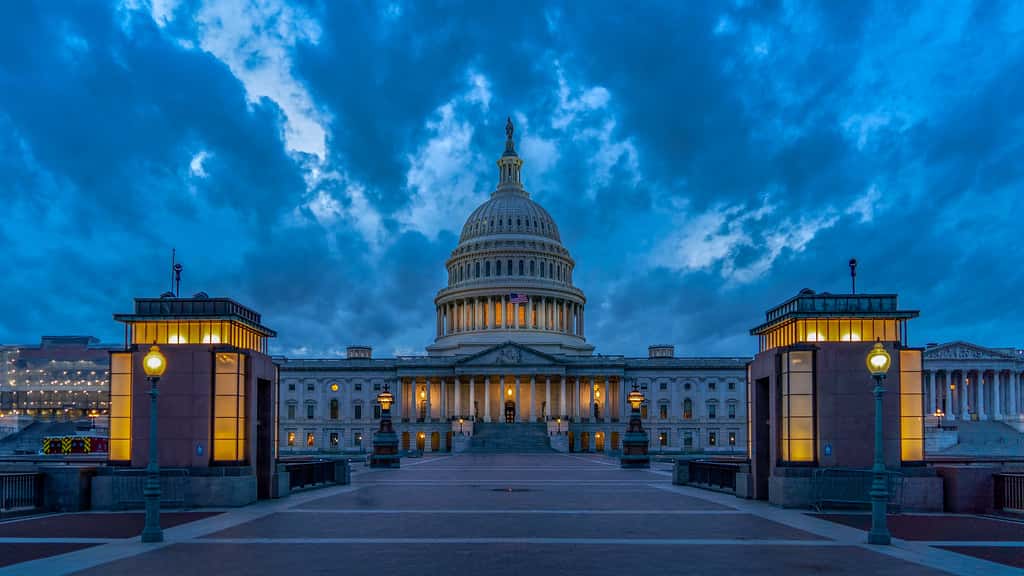
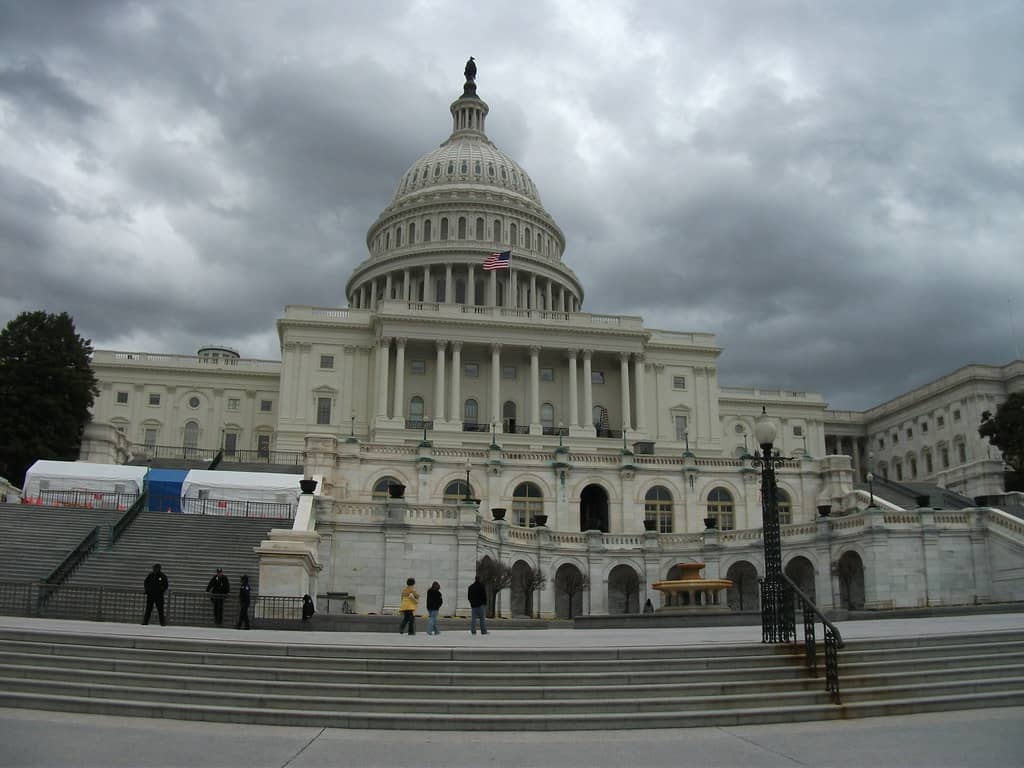
Marco Rubio, the former Florida senator who now serves as Secretary of State, returned to Capitol Hill to defend the administration's foreign affairs budget before congressional committees, testimony that carries particular significance for his home state. Rubio appeared before House and Senate panels to make the case for the proposed State Department budget for the upcoming fiscal year, characterizing his tenure as a mix of successes and ongoing challenges as he answered lawmakers' questions about American foreign policy.
For Florida, the testimony of its highest ranking figure in the federal government touches on issues with deep resonance in the state. Rubio built his political career in part on foreign policy questions central to Florida's large diaspora communities, and his role as the nation's top diplomat keeps those concerns connected to a Floridian at the heart of American foreign affairs.
Rubio on Capitol Hill
The Secretary of State appeared before multiple congressional committees, including foreign affairs and appropriations panels in both the House and Senate, to discuss the administration's foreign affairs budget request for the upcoming fiscal year. Such appearances are a routine but important part of the budget process, requiring the nation's top diplomat to justify spending priorities and answer questions from lawmakers.
In his testimony, Rubio described his time leading the State Department as a period marked by significant accomplishments alongside difficult and continuing challenges. The framing reflected the realities of a job that involves managing a wide range of international relationships and crises, and it set the stage for discussions about how the department's resources should be allocated.
The budget process gives Congress a central role in shaping foreign policy through the power of the purse, and the testimony of the Secretary of State is a key moment in that process. Lawmakers use the hearings to probe the administration's priorities, to raise concerns and to advocate for issues important to their constituents, including those with international dimensions.
The Florida connection
Rubio's path to the State Department ran through Florida, where he represented the state in the U.S. Senate for years before becoming Secretary of State. His background gives Florida an unusually direct connection to the nation's top diplomatic post, and his foreign policy priorities have long reflected concerns prominent in his home state.
Florida is home to large diaspora communities with strong interests in U.S. foreign policy toward their countries of origin. The state's Cuban American community, concentrated in South Florida, has been a powerful voice on U.S. policy toward Cuba, while communities tied to Venezuela, Nicaragua, Haiti and other nations also follow American foreign policy closely. Rubio has historically been a prominent advocate on issues affecting these communities.
The intersection of Rubio's role and Florida's diaspora politics means that decisions made at the State Department can have direct relevance to the state's residents. Policies toward Latin America and the Caribbean, in particular, resonate strongly in Florida, where families maintain close ties to their countries of origin and pay close attention to Washington's approach.
What it means for Floridians
For Florida's diaspora communities, having a Floridian with a long record on hemispheric issues serving as Secretary of State means that the concerns important to them have a familiar voice at the highest level of American diplomacy. The administration's policies toward Cuba, Venezuela and other nations of interest to Florida communities are shaped in part by the department Rubio leads.
The State Department budget itself affects the resources available for diplomacy, foreign assistance and the array of programs the department administers around the world. Decisions about funding levels and priorities can influence American engagement with the regions and issues that matter most to Florida's international communities.
Beyond diaspora politics, foreign policy has broad implications for Florida, a state deeply connected to international trade, travel and commerce. Florida's ports, its tourism industry and its role as a gateway to Latin America all link the state's economy to the conduct of American foreign affairs, making the work of the State Department relevant to Floridians in many ways.
The broader foreign policy context
Rubio's testimony came amid a busy period of diplomatic activity, including travel abroad and engagement on a range of international issues. The job of Secretary of State involves constant attention to global developments, from relationships with allies and adversaries to crises that demand American attention, and the budget hearings offered a window into the administration's priorities.
The questions Rubio fielded from lawmakers reflected the wide scope of American foreign policy and the range of views in Congress about how the United States should engage with the world. The hearings serve as a forum for debate over the direction of foreign policy, with the budget as the practical mechanism through which priorities are funded.
For Florida observers, Rubio's performance and the policies he articulates carry added interest given his deep roots in the state. His evolution from Florida senator to the nation's chief diplomat represents a significant trajectory for a figure whose career has been closely followed in his home state.
Florida's stake in hemispheric policy
Few states have as direct an interest in U.S. policy toward Latin America and the Caribbean as Florida, and few figures have been as associated with that policy as Rubio. Throughout his career, he was a leading voice on relations with Cuba, Venezuela, Nicaragua and other nations in the hemisphere, issues that resonate powerfully with Florida's large and politically engaged diaspora communities. His elevation to Secretary of State placed a Floridian with deep expertise in these matters at the helm of American diplomacy.
The Cuban American community, concentrated in South Florida, has long been one of the most influential voices on U.S. policy toward Cuba, advocating positions that have shaped the American approach for decades. Communities tied to Venezuela and Nicaragua, many of whose members fled political and economic crises, similarly follow U.S. policy toward their countries of origin with intense interest. For these Floridians, the conduct of foreign policy is not abstract but personal.
Rubio's role means that the priorities and concerns of these communities have a familiar advocate at the highest level of the State Department. How the administration approaches the authoritarian governments and humanitarian crises of the hemisphere has direct implications for Florida families with relatives and roots in the affected nations, making the work of American diplomacy a matter of close attention across the state.
Diplomacy and Florida's economy
Foreign policy intersects with Florida's economy in numerous ways beyond diaspora politics. The state is a major hub for international trade and travel, with ports that handle vast volumes of cargo and serve as gateways to Latin America and beyond. The conduct of trade policy, diplomatic relations and international commerce affects the businesses and workers connected to these activities throughout the state.
Florida's tourism industry, a cornerstone of its economy, depends on international visitors as well as domestic travelers, and the broader climate of American foreign relations can influence travel patterns and economic ties. The state's role as a center for international business, with companies serving markets across the Americas, further links its prosperity to the stability and openness that diplomacy aims to support.
The State Department's work, including the programs and priorities funded through the budget Rubio defended, shapes the environment in which these economic connections operate. For Floridians, the relevance of foreign policy extends from the deeply personal concerns of diaspora communities to the practical economic interests of a state whose fortunes are tied to its connections with the wider world. Rubio's tenure keeps those connections under the stewardship of one of Florida's own.
What's next
The budget process will continue as Congress weighs the administration's foreign affairs request and ultimately decides on funding levels for the State Department and related programs. The outcome will shape the resources available for American diplomacy in the year ahead, including efforts in regions of particular interest to Florida.
Rubio's tenure as Secretary of State will continue to involve managing relationships and crises around the world, with decisions that can affect Florida's diaspora communities and the state's international connections. His role keeps a Floridian at the center of American foreign policy, a fact that gives the state a notable stake in the conduct of the nation's diplomacy.
For Floridians, the testimony of their former senator turned Secretary of State is a reminder of the state's outsized role in national affairs and of the connections between Washington's foreign policy and the communities, economy and interests of the Sunshine State. The work of the State Department will continue to touch Florida in ways both direct and indirect in the months ahead.
Rubio's dual identity, as both a national figure leading American diplomacy and a product of Florida politics, gives his tenure a distinctive resonance in his home state. Floridians have followed his career from the state legislature to the U.S. Senate and now to the State Department, and his decisions carry an added layer of interest for constituents who once sent him to Washington. That connection ensures that his conduct as Secretary of State remains closely watched across Florida.
The issues he addresses, from relations with the authoritarian governments of the hemisphere to humanitarian crises that send migrants toward American shores, intersect directly with Florida's communities and concerns. Decisions about how the United States engages with Cuba, Venezuela, Haiti and other nations have tangible effects on Florida families, and Rubio's longstanding involvement in these matters means his approach is scrutinized by communities that care deeply about the outcomes.
As the budget process moves forward and the broader work of diplomacy continues, Floridians will continue to have a notable stake in the actions of the State Department under Rubio's leadership. His role keeps the state connected to the highest levels of American foreign policy, a reminder of Florida's outsized influence in national affairs and of the ways the wider world reaches into the lives of the state's residents.
Spotted an issue with this article?
Have something to say about this story?
Write a letter to the editor