Florida's New Law Aims to Keep AI Data Centers From Raising Your Power Bill
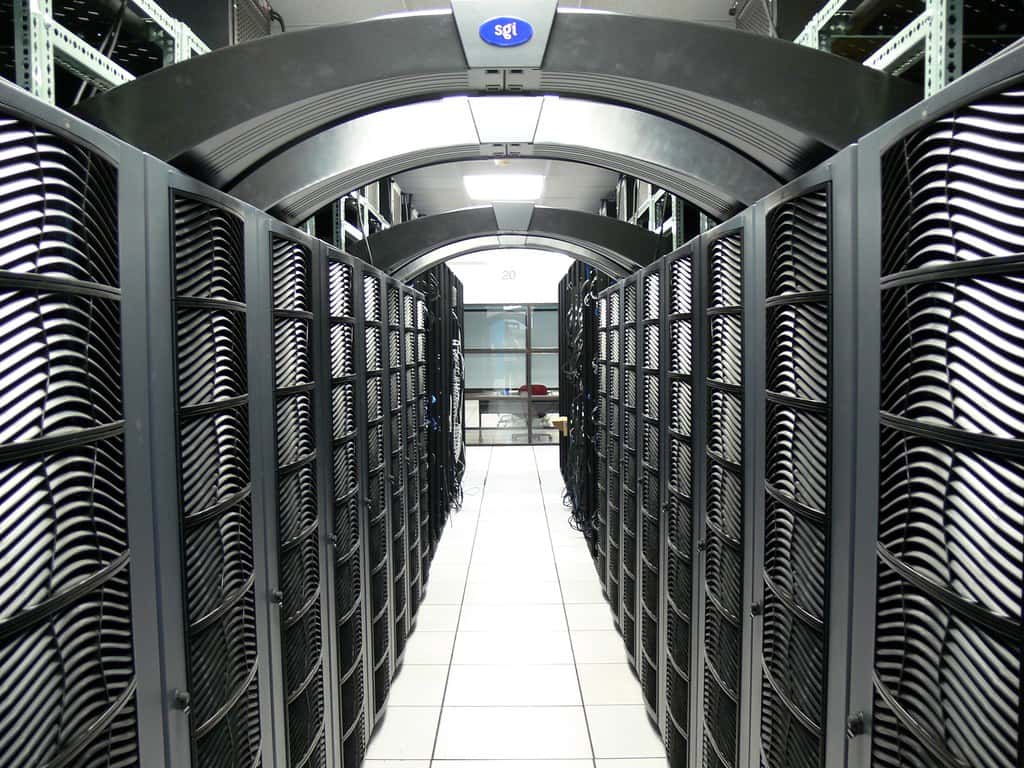
As artificial intelligence drives a nationwide rush to build enormous, power-hungry data centers, Florida has enacted a law designed to keep the cost of that boom off the electric bills of ordinary residents. A measure that took effect July 1 directs the Florida Public Service Commission to develop requirements ensuring that large electricity users, chief among them data centers, bear the full cost of the service they consume. The goal is to prevent a situation in which households and small businesses end up subsidizing the massive energy appetite of the computing facilities powering the AI era.
The problem the law addresses
Data centers are among the fastest-growing sources of electricity demand in the country. The facilities that train and run artificial intelligence models require vast amounts of power, both to operate rows of specialized computer chips and to cool them. A single large data center can consume as much electricity as a small city, and the pace of construction has accelerated as technology companies race to expand AI capacity.
That surge creates a challenge for the utilities and regulators who manage the electric grid. Serving a new data center may require costly upgrades to transmission lines, substations and generation capacity. If those costs are spread across all ratepayers through standard rate structures, ordinary customers could end up paying for infrastructure built primarily to serve a handful of enormous commercial users. Florida's new law is intended to guard against exactly that outcome.
The concern is not hypothetical. Across the country, regulators and consumer advocates have warned that the data center boom could push up electricity prices for everyone if the costs are not carefully allocated. Florida's approach seeks to get ahead of the problem by establishing the principle that large users should pay their own way before the buildout in the state accelerates.
How it is supposed to work
The law tasks the Florida Public Service Commission, the body that regulates the state's investor-owned utilities, with crafting requirements to ensure that each large load customer bears its own full cost of service. In practice, that could mean special rate classes, contracts or tariffs that assign the infrastructure and energy costs of a data center directly to that facility rather than to the general body of ratepayers.
The commission now carries the responsibility of translating the statutory principle into concrete rules. That process typically involves technical proceedings, input from utilities, consumer advocates and industry, and careful analysis of how to fairly measure and assign costs. The details will matter enormously, since the effectiveness of the protection depends on how rigorously the commission defines what it means for a large user to bear its full cost.
Utilities themselves have an interest in the outcome. On one hand, serving data centers can represent significant new revenue and load growth. On the other, mismanaging the cost allocation could expose them to regulatory and political backlash if residential customers feel they are footing the bill. The law effectively channels those tensions into the commission's rulemaking.
Why Florida is a target for data centers
Florida has become an increasingly attractive location for data center development. The state's growing population and economy generate demand for digital services, its business climate has drawn technology investment, and its geography positions it as a hub for connectivity to Latin America and the Caribbean. As AI accelerates the need for computing capacity, developers are eyeing Florida among the states where new facilities could be built.
That interest makes the timing of the law significant. By establishing cost-protection principles before a wave of large projects arrives, the state aims to shape the terms on which data centers connect to the grid. Officials and consumer advocates would rather set the ground rules in advance than try to unwind cost burdens after facilities are already operating and drawing power.
The state's utilities, including its largest electric providers, are already planning for load growth, and how they accommodate data centers will influence the reliability and cost of electricity for everyone. The law inserts a clear consumer-protection objective into that planning.
The consumer protection stakes
For Florida households, the stakes are straightforward: electricity is a major and unavoidable expense, and any policy that affects rates touches family budgets directly. Summer air conditioning already drives high power bills across the state, and residents are sensitive to increases. The prospect that a data center boom could add upward pressure on rates is precisely the kind of issue that resonates with consumers.
Consumer advocates have generally welcomed the law's intent, viewing it as a sensible guardrail that assigns costs to those who create them. They caution, however, that the strength of the protection will depend entirely on the rules the commission ultimately adopts and how vigorously they are enforced. A principle stated in statute means little if the implementing rules contain loopholes or fail to capture the true costs of serving large users.
Industry, for its part, will argue for cost structures that keep Florida competitive as a location for investment. Data center developers weigh electricity costs heavily when choosing where to build, and overly burdensome cost allocation could steer projects to other states. The commission will have to balance consumer protection against the desire to attract high-tech investment and the jobs and tax revenue that can accompany it.
Part of a broader trend
Florida is not alone in grappling with the grid implications of the AI boom. States across the country are wrestling with how to accommodate surging data center demand while protecting ratepayers and maintaining reliability. The policy responses vary, but the underlying question is the same: how to ensure that the enormous energy needs of the digital economy do not shift costs onto ordinary consumers.
Florida's law positions the state among those taking a proactive stance. Because Florida is a large and growing market, the rules its commission develops could influence how utilities and developers approach cost allocation more broadly, and other states may look to the outcome as they craft their own responses.
The strain on the grid
The concern behind the law is grounded in the physical reality of the electric grid. Adding a large data center to a utility's service territory can require substantial new generation and transmission capacity, infrastructure that takes years to build and costs enormous sums. If demand from data centers outpaces the grid's ability to expand, the result can be strain on reliability as well as upward pressure on costs for everyone connected to the system.
Florida's summers already push the grid to its limits, as millions of air conditioners run continuously against the heat. Layering the constant, heavy demand of data centers onto that seasonal peak raises questions about how utilities will maintain reliability while serving both residential customers and large industrial users. Planning for that combined demand is a complex undertaking that requires foresight and investment.
The law's focus on ensuring that large users bear their own costs is partly about fairness and partly about signaling. By requiring data centers to pay the full cost of the infrastructure they require, the state aims to ensure that developers internalize those costs in their decisions about where and whether to build. That price signal could influence the pace and location of data center development in Florida.
Utilities, for their part, must balance the opportunity that data centers represent against the obligation to serve all customers reliably and affordably. The revenue from large users can support the broader system, but only if the costs are allocated properly. The commission's rules will determine how that balance is struck, making the rulemaking a consequential exercise for the future of Florida's grid.
Jobs versus rates
The debate over data centers in Florida reflects a broader tension between the desire to attract high-tech investment and the imperative to protect consumers. Data centers can bring economic benefits, including construction activity, tax revenue and a limited number of high-skilled operational jobs. State and local officials often court such investments as symbols of economic modernization and as additions to the tax base, and the facilities can anchor broader technology ecosystems.
Yet the job numbers associated with data centers are modest relative to their enormous energy footprint. Unlike factories or offices, data centers employ relatively few people once operational, even as they consume electricity on the scale of a small city. That mismatch complicates the economic calculus, raising the question of whether the benefits justify the strain the facilities place on the grid and the potential costs to other ratepayers. The new law reflects an attempt to ensure that the pursuit of investment does not come at the expense of consumers.
Communities weighing data center proposals must balance these considerations, factoring in the economic benefits against the demands on infrastructure and the potential effects on electricity costs and reliability. The law's cost-allocation requirements are intended to remove one element of that tension by ensuring that the facilities pay their own way, allowing communities to welcome investment without saddling residents with the costs. How effectively it achieves that will depend on the implementing rules.
The experience of other states offers cautionary examples, where rapid data center growth has strained grids and raised concerns about rate impacts. Florida's proactive approach seeks to avoid those pitfalls, learning from the challenges that have emerged elsewhere. Whether the state can attract the investment while protecting consumers, striking the balance the law envisions, will be an important test of its strategy as the AI-driven demand for computing capacity continues to grow.
What to watch next
The next phase belongs to the Florida Public Service Commission, which must now develop the specific requirements the law calls for. Interested parties, from consumer groups to utilities to technology companies, are likely to participate in that process, and the resulting rules will determine how well the law achieves its goal. Floridians concerned about their electric bills will want to follow the commission's proceedings, since the technical decisions made there will shape the real-world effect.
For now, the law stands as a statement of principle at the intersection of two powerful trends: the explosive growth of artificial intelligence and the enduring importance of affordable electricity to Florida families. Whether it succeeds in keeping the costs of the data center boom off residential bills will depend on the diligence of the regulators charged with turning that principle into practice.
Spotted an issue with this article?
Have something to say about this story?
Write a letter to the editorComments
No comments yet. Be the first to weigh in.
Related Coverage
Florida's data center law: what SB 484 does as DeSantis touts it
23h ago

FPL, Tampa Electric and Duke File Data Center Plans as Florida's New Ratepayer Protection Law Hits First Deadline
1d ago

USF and Tampa Electric Build Digital Twin of Power Grid With $3.8 Million Grant
4d ago

Orange County Moves Toward a One-Year Pause on AI Data Centers Over Water and Power Concerns
Sep 23