Florida's Space Coast Is on Pace for Another Record Launch Year
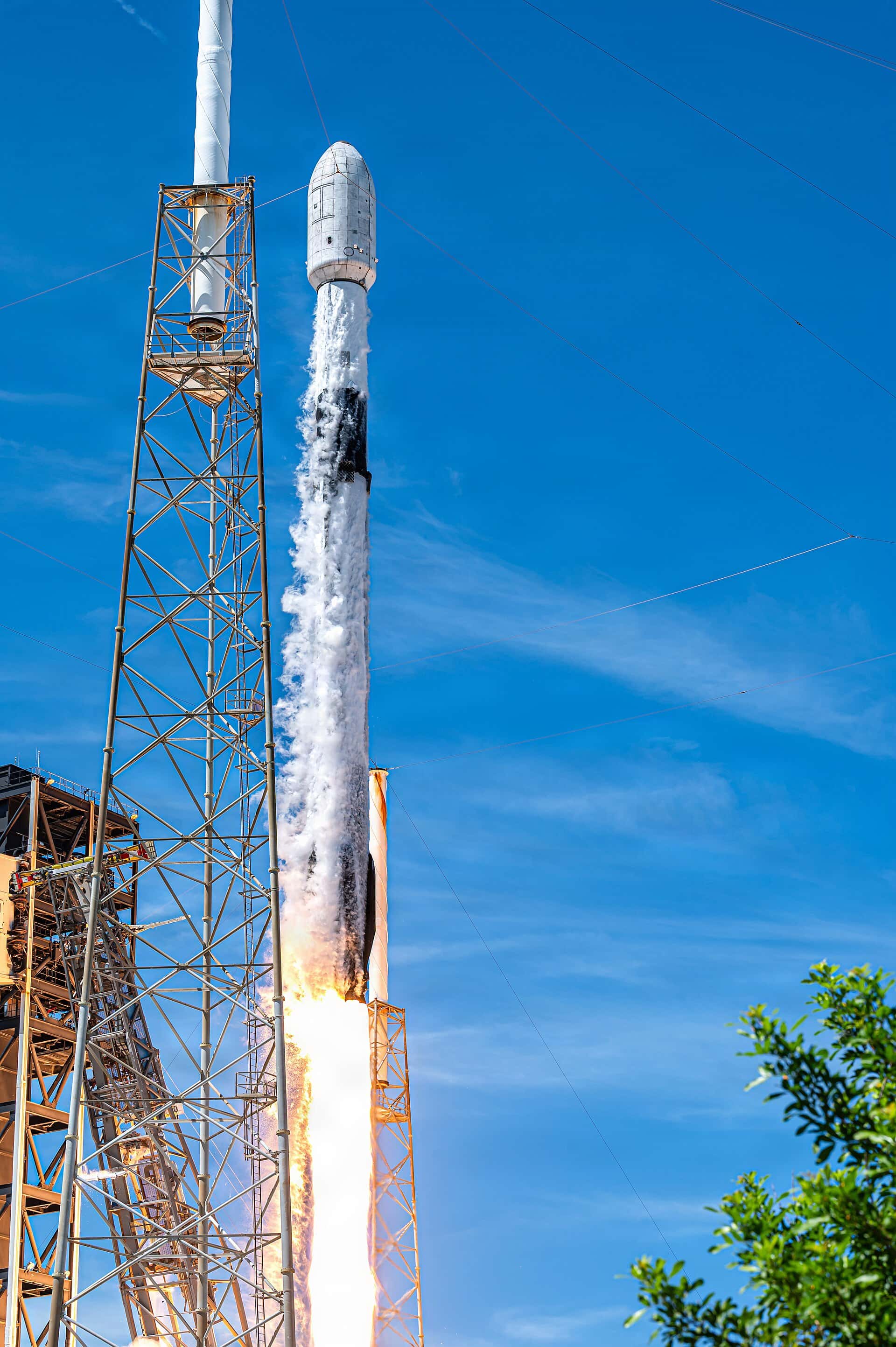
The rockets keep flying, and Florida's Space Coast keeps setting the pace for American spaceflight. A relentless cadence of launches from Cape Canaveral Space Force Station and NASA's Kennedy Space Center has the Brevard County region on track for another record year in 2026, cementing its status as the busiest gateway to orbit in the world. Behind the frequent streaks of fire climbing over the Atlantic lies a booming local economy and a national space enterprise that runs, more than ever, through Florida.
A launch nearly every few days
The dominant driver of the launch surge is SpaceX, whose Falcon 9 rockets lift off from the Space Coast at an extraordinary pace, frequently carrying batches of Starlink satellites to low Earth orbit. In early July alone, the company launched missions deploying its latest Starlink satellites, part of a steady rhythm that has become routine along Florida's Atlantic coast. Reusable boosters, some flying for a dozen or more times, return to landings on drone ships offshore or back at the Cape, a feat that has transformed the economics and frequency of spaceflight.
The frequency is staggering by historical standards. Where launches were once rare and momentous events, the Space Coast now sees them so regularly that many pass with little fanfare. That routine belies the complexity of each mission and the significance of the region's role. The infrastructure, workforce and airspace coordination required to sustain this cadence represent a remarkable operational achievement.
SpaceX is not alone. The Space Coast hosts a growing roster of launch providers and missions, from national security payloads to commercial satellites to crewed flights bound for the International Space Station. The diversity and volume of activity have made Cape Canaveral the epicenter of a new era in spaceflight.
What it means for Brevard County
The launch boom has been an economic engine for Brevard County and the surrounding region. The space industry supports thousands of high-skilled jobs, from engineers and technicians to the many businesses that serve the launch enterprise. The growth has rippled through the local economy, boosting housing demand, retail, dining and the broader business community along the coast.
Tourism has been another beneficiary. Launches draw spectators from across Florida and beyond, filling beaches, causeways and viewing areas on launch days. The Kennedy Space Center Visitor Complex remains a major attraction, and the prospect of witnessing a rocket launch in person has become a draw for visitors to the region. The combination of a working spaceport and a tourism destination is unique to Florida's Space Coast.
The industry's expansion has also spurred investment in facilities and infrastructure. Launch providers have built and upgraded pads, processing facilities and support systems, and the region has worked to accommodate the growth. The economic momentum has made the space sector a cornerstone of Brevard County's identity and prosperity.
Florida's central role in American spaceflight
The Space Coast's record pace underscores Florida's central role in the nation's space ambitions. From the Apollo missions to the Space Shuttle to the current commercial launch boom, Cape Canaveral and Kennedy Space Center have been at the heart of American spaceflight for generations. The current era, defined by frequent commercial launches and renewed government exploration programs, has only deepened that centrality.
The stakes extend beyond commerce. The satellites launched from Florida support communications, navigation, weather forecasting, national security and scientific research, capabilities that underpin modern life. The crewed missions that depart from Kennedy Space Center carry astronauts to orbit and, in the ambitions of the nation's exploration programs, toward the Moon and eventually beyond. Florida is the launching point for these endeavors.
The concentration of launch activity in Florida also gives the state significant influence in the national conversation about space policy, funding and priorities. As the industry grows, Florida's stake in its success grows with it, and the state has worked to position itself as a leader in the commercial space economy.
The demands of a busy spaceport
Sustaining a record launch cadence is not without challenges. Coordinating frequent launches requires careful management of airspace, launch schedules and range safety. Weather, a constant factor in Florida, can delay launches, and the summer brings the added complications of heat and afternoon storms. The infrastructure and workforce must keep pace with the growing volume of activity.
Environmental considerations also accompany the growth. Frequent launches and the expansion of facilities occur in a region rich in natural resources, including protected wildlife habitat adjacent to the launch sites. Balancing the demands of a busy spaceport with environmental stewardship is an ongoing consideration for the agencies and companies involved.
The reliability of the launch enterprise is paramount. Each mission carries valuable payloads, and in the case of crewed flights, human lives. Maintaining safety and success rates amid a high tempo of operations is the constant priority, and the Space Coast's track record reflects the professionalism of the workforce and organizations involved.
A workforce built for launch
Behind every launch stands a workforce of engineers, technicians, planners and support staff whose expertise makes the region's cadence possible. The Space Coast has cultivated a deep pool of talent over decades, drawing on the legacy of the Apollo and Space Shuttle programs and continually training new workers for the demands of the modern launch industry. That workforce is one of the region's most valuable assets.
The concentration of space industry expertise in Brevard County has created a self-reinforcing ecosystem. Companies locate there to tap the talent pool, and the presence of those companies attracts and trains more skilled workers. Educational institutions in the region have developed programs aligned with the industry's needs, feeding a pipeline of engineers and technicians into the workforce. The result is a community whose identity and economy are bound up with spaceflight.
The high-skilled jobs the industry provides pay well and support families throughout the region, contributing to a standard of living that has helped the area grow. The economic benefits extend beyond the launch companies themselves to the many suppliers, contractors and service businesses that support the enterprise. The space industry has become a pillar of the regional economy, and its workforce is central to that role.
Sustaining the workforce is essential to sustaining the launch cadence. As the industry grows and the pace of launches increases, the demand for skilled workers rises accordingly. Ensuring a steady supply of trained talent is an ongoing priority, one that involves education, training and the continued appeal of the region as a place to build a career in space. The Space Coast's future depends on maintaining that human foundation.
Reusability changed everything
The extraordinary launch cadence on Florida's Space Coast would not be possible without the revolution in reusable rockets. For most of the space age, rockets were expendable, used once and then discarded, a practice that made spaceflight enormously expensive and inherently limited in frequency. The development of boosters that can land, be refurbished and fly again transformed the economics of launching payloads to orbit, and it is the primary reason launches have become so frequent.
The sight of a booster returning to a landing, whether on a drone ship offshore or back near the launch site, has become a signature of the modern Space Coast. Some boosters have flown many times, each flight saving the enormous cost of building a new rocket from scratch. That reusability has driven down the cost per launch and enabled the high tempo of operations that now characterizes Cape Canaveral, making possible the deployment of large satellite constellations that would have been impractical in the era of expendable rockets.
The technology has also reshaped the competitive landscape of the space industry. The ability to reuse hardware has become a key differentiator, and it has spurred other companies and nations to pursue their own reusable systems. Florida, as the home of the most active launch operations, sits at the center of this transformation, benefiting from the frequency and economic activity that reusability enables. The state's spaceports have become the proving ground for a new model of spaceflight.
Looking forward, continued advances in reusability and launch technology promise to push the cadence even higher and the costs even lower. New and larger vehicles under development aim to extend the model to heavier payloads and more ambitious missions. As those systems come online, Florida's Space Coast stands to remain at the forefront, its infrastructure and expertise positioning it to capture the next wave of growth in an industry transformed by the ability to fly rockets again and again.
Looking toward the horizon
The trajectory points toward continued growth. The demand for satellite launches shows no sign of slowing, driven by expanding satellite constellations, commercial ventures and government needs. Crewed missions and exploration programs will continue to depart from Florida, and new vehicles and providers are poised to add to the launch manifest. The Space Coast appears set to remain the world's busiest spaceport for the foreseeable future.
For Florida, the space industry represents a source of economic strength, technological prestige and national importance. The record launch pace of 2026 is the latest chapter in a story that stretches back decades and continues to unfold with each rocket that climbs from the Cape. As the year progresses and the launches continue, Florida's Space Coast will keep doing what it has done better than anywhere else in the world: sending humanity's ambitions to the sky.
The steady drumbeat of launches, so frequent now that they blend into the rhythm of coastal life, is a reminder of Florida's singular place in the space age. Each mission carries the region's economy, the nation's capabilities and, increasingly, the future of human exploration. On Florida's Space Coast, the record year underway is business as usual, and business has never been better.
Spotted an issue with this article?
Have something to say about this story?
Write a letter to the editorComments
No comments yet. Be the first to weigh in.
Related Coverage

Coast Guard reveals interdiction of Cuba-bound fuel ship Grace and orders six more C-130J patrol planes
1h ago

Air Force investigators probe death of Eglin airman found in burned vehicle on base range
2h ago
Rick Scott and Ashley Moody file bill to shield Eglin Gulf test range from offshore drilling
18h ago
Miami Federal Judge Rules Federal Ban on Noncitizen Voting Unconstitutional in Broward Case
20h ago