Florida's Operation Tidal Wave Surpasses 25,000 Immigration Arrests as New Statewide Sweep Nets 249 More
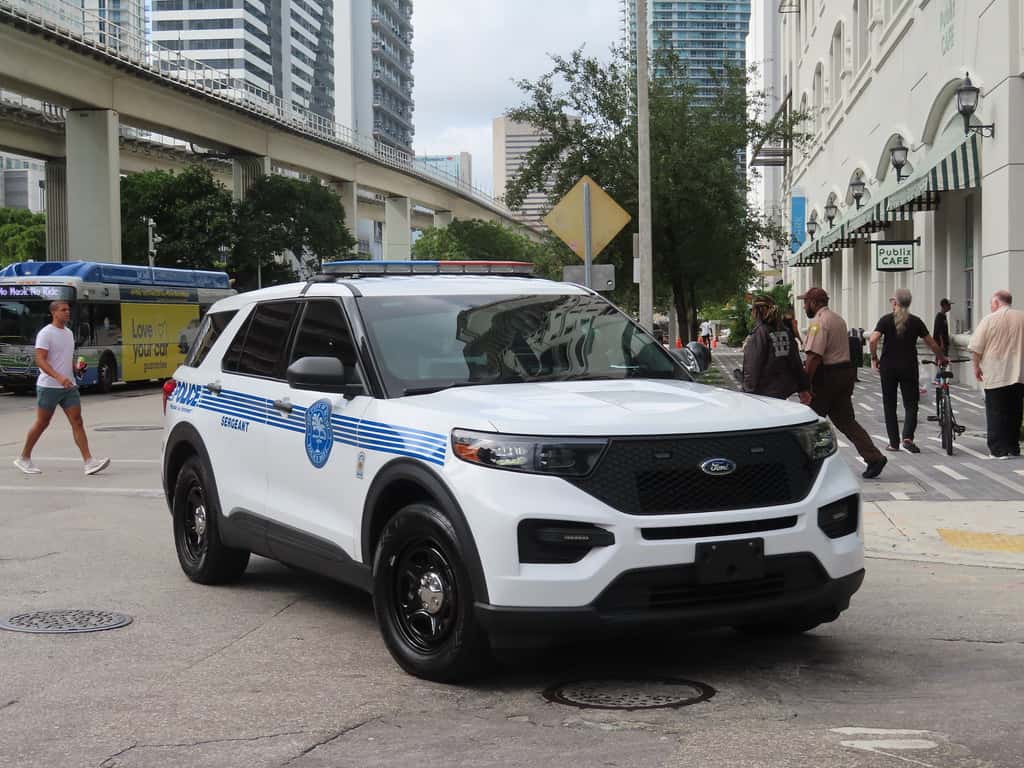
Florida's state-federal immigration enforcement campaign reached a significant milestone this week, with Governor Ron DeSantis announcing that Operation Tidal Wave has surpassed 25,000 total arrests since the initiative began. A new multi-agency sweep, identified as Operation 9, concluded Thursday with 249 additional arrests and transfers to U.S. Immigration and Customs Enforcement custody, adding to the campaign's mounting totals.
The 25,000 Arrest Milestone
Operation Tidal Wave was launched in early 2025 as a partnership between the Florida Department of Law Enforcement, the Florida Highway Patrol, local sheriffs' offices, and federal immigration authorities. The program expanded the use of 287(g) agreements, which authorize state and local law enforcement agencies to perform certain federal immigration enforcement functions under the supervision of ICE.
The campaign has since grown into one of the most extensive state-level immigration enforcement efforts in the country. Governor DeSantis, speaking at a press conference, said the 25,000 arrest figure reflects the depth of the problem and Florida's commitment to working alongside the federal government on enforcement. The governor credited the program's results to the expansion of 287(g) agreements to additional agencies across the state's 67 counties.
Florida's enforcement posture aligns with the Trump administration's emphasis on immigration enforcement as a national priority. The state signed additional cooperation agreements with ICE earlier this year, giving more state troopers and county deputies the authority to question individuals about immigration status, detain suspected illegal entrants, and process paperwork for federal transfer.
Operation 9: The Latest Sweep
The most recent operation, designated Operation 9 by FDLE, concluded this week with 249 arrests conducted across multiple counties. According to the governor's office, more than 100 officers from state, local, and federal agencies participated in the operation, which focused on identifying individuals with prior criminal records in addition to immigration violations.
The arrested individuals were transferred to ICE custody for processing and potential removal proceedings. Officials said the operation targeted people with records including domestic violence charges, drug offenses, driving under the influence, and assault. Some of those arrested had prior removal orders that had not been executed, meaning they had been deported or ordered to leave the country previously but had returned or remained.
Operation 9 is the latest in a series of named enforcement actions under the broader Tidal Wave umbrella. Previous operations in 2026 have included Operation Sandhill Sentinel, which resulted in 250 arrests and specifically targeted foreign nationals with extensive criminal histories, and Operation Criminal Return, a 10-day targeted operation conducted with FDLE and HSI that arrested 230 individuals statewide, including registered sex offenders, sexual predators, convicted felons, and a convicted murderer.
The Role of FDLE and State Agencies
The Florida Department of Law Enforcement has taken a coordinating role in Operation Tidal Wave, working with both federal partners and local agencies to plan and execute operations. FDLE Commissioner Mark Glass has appeared alongside DeSantis at several press conferences to outline operation results, emphasizing that the agency views immigration enforcement as one component of a broader public safety mission.
The Florida Highway Patrol, the Florida Department of Highway Safety and Motor Vehicles, and sheriffs' offices from counties across the state have also contributed personnel and resources to individual operations. The scale of coordination represents a significant departure from how immigration enforcement was conducted in Florida just a few years ago, when most local agencies maintained a policy of limiting involvement in immigration matters.
DeSantis signed legislation in 2023 requiring many local governments and agencies to cooperate with ICE detainer requests, and expanded that framework in subsequent legislative sessions. Critics at the time argued the laws would lead to racial profiling and erode trust between immigrant communities and law enforcement. Supporters said enhanced cooperation was necessary to remove individuals who posed public safety threats.
Impact on Florida Communities
Florida is home to one of the largest immigrant populations in the country, with particularly large communities of Cuban Americans, Venezuelan Americans, Haitian Americans, Puerto Ricans, and Central and South American immigrants concentrated in the Miami metropolitan area, Central Florida, and the Tampa Bay region. The broad reach of Operation Tidal Wave has generated a mix of responses across those communities.
Advocacy organizations representing immigrant rights have raised concerns about due process protections, the conditions under which individuals are detained, and the treatment of people who may have legal claims to remain in the country but are swept up in large-scale operations before those claims can be reviewed. Several organizations have urged anyone encountered by law enforcement to understand their rights and seek legal counsel.
Business associations in agriculture, construction, and hospitality have separately noted that large-scale enforcement operations create workforce disruptions in industries that rely heavily on immigrant labor. Florida's agricultural sector in particular has flagged labor shortages as a consequence of enforcement pressure, though officials have countered that enforcement is directed at those with criminal records rather than the broader workforce.
Federal and State Legal Framework
The 287(g) program that underlies Operation Tidal Wave was created by Congress in 1996 but expanded significantly under the Trump administration's second term beginning in January 2025. Under a 287(g) agreement, state and local officers are trained by ICE and operate within specific parameters, including keeping records of all immigration enforcement actions and reporting them to federal supervisors.
Florida's use of the program is among the most extensive of any state in the country. The state has entered into 287(g) agreements with dozens of county sheriffs and municipal police departments, a level of participation that ICE has cited as a model for federal-state cooperation. The Eleventh U.S. Circuit Court of Appeals has so far upheld Florida's immigration enforcement framework against legal challenges, though additional litigation is ongoing.
What Is Next
DeSantis's office said additional named operations are planned through the summer and fall of 2026. The governor has indicated that enforcement activity will continue regardless of the state's fiscal negotiations over the budget and property tax amendment, treating immigration enforcement as a separate and ongoing priority.
Florida's enforcement totals will likely continue rising as the program expands. For the approximately 772,000 undocumented immigrants estimated to reside in Florida, the intensified environment has prompted many to seek legal advice, reconsider their residence, or reduce their visibility in public settings, according to reports from community organizations tracking the issue across the state.
Spotted an issue with this article?
Have something to say about this story?
Write us a letterComments
No comments yet. Be the first to weigh in.
Related Coverage

Tamarac Man Held Without Bond on First-Degree Murder Charge in Stabbing Death of His Mother
9h ago
Brevard Sheriff's Homicide Agent Kevin Morris Killed by Wrong-Way Driver on I-95 While Heading to Mims Shooting Scene
12h ago
Jury Convicts Man of First-Degree Murder in Shooting Outside North Marion Middle School Awards Ceremony; Judge Imposes Life
1d ago
Jacksonville Man Gets Life for Killing Neighbor Who Lived on a Boat, Then Burning and Burying His Remains
1d ago