Florida's Red Tide Stays at Bay This Summer as Monitoring Continues Along the Gulf Coast
Florida's Gulf coast is enjoying a quiet stretch on one of its most closely watched environmental threats. State wildlife officials report that the harmful algae responsible for red tide is present at only background concentrations along the southwest coast, with no fish kills suspected to be related to red tide reported to the state's hotline in recent weeks and no respiratory irritation reported either. For a region that has suffered through severe blooms in past years, the calm conditions are a notable relief heading into the heart of summer.
Red tide is a recurring feature of Florida's marine environment, caused by blooms of a microscopic organism known as Karenia brevis. When the organism multiplies into dense concentrations, it produces toxins that can kill fish, sicken marine mammals including manatees, and cause respiratory irritation in people along the coast. Severe blooms have at times devastated wildlife and battered the tourism economy of Gulf coast communities, making the current low concentrations a welcome development.
The Florida Fish and Wildlife Conservation Commission and partner institutions monitor red tide continuously, sampling coastal waters and tracking conditions through satellite imagery and field reports. The latest assessments describe a situation in which the organism is present but not blooming, the kind of background state that does not produce the dramatic and damaging effects associated with major events. Officials caution, however, that conditions can change.
What the monitoring shows
Recent sampling found the red tide organism at background concentrations in only a small number of samples from the southwest Florida coast, with the organism not observed in samples from the northwest coast or along the Florida east coast. Background concentrations represent the low end of the scale, far below the levels associated with fish kills and respiratory irritation. At these concentrations, the organism is present in the water but not causing the harmful effects that define a significant bloom.
Crucially, no fish kills suspected to be related to red tide were reported to the state's Fish Kill Hotline over the recent reporting period, and respiratory irritation suspected to be related to red tide was not reported either. Those two indicators, fish kills and respiratory effects, are the most visible signs of a problematic bloom, and their absence reinforces the picture of a coast that is currently spared the worst impacts of the phenomenon.
Monitoring efforts combine water sampling with satellite imagery and modeling from research institutions to track conditions both nearshore and offshore. That layered approach allows officials to detect developing blooms and to provide updates to coastal residents and visitors. The current data reflects a coastline where the organism is being watched closely but is not posing an active threat to wildlife or people.
The threat red tide poses
When Karenia brevis blooms reach high concentrations, the consequences can be severe. The toxins the organism produces can kill large numbers of fish, fouling beaches with dead marine life and disrupting the coastal ecosystem. The same toxins can sicken and kill marine mammals, including the manatees that are an iconic and protected part of Florida's wildlife, and can harm sea turtles, dolphins, and birds.
For people, red tide blooms can cause respiratory irritation when toxins become airborne in sea spray, leading to coughing, sneezing, and discomfort, particularly for those with asthma or other respiratory conditions. During severe blooms, beaches can become unpleasant or unsafe, and the effects ripple through the tourism-dependent economies of Gulf coast communities. Hotels, restaurants, and other businesses can suffer when blooms drive visitors away.
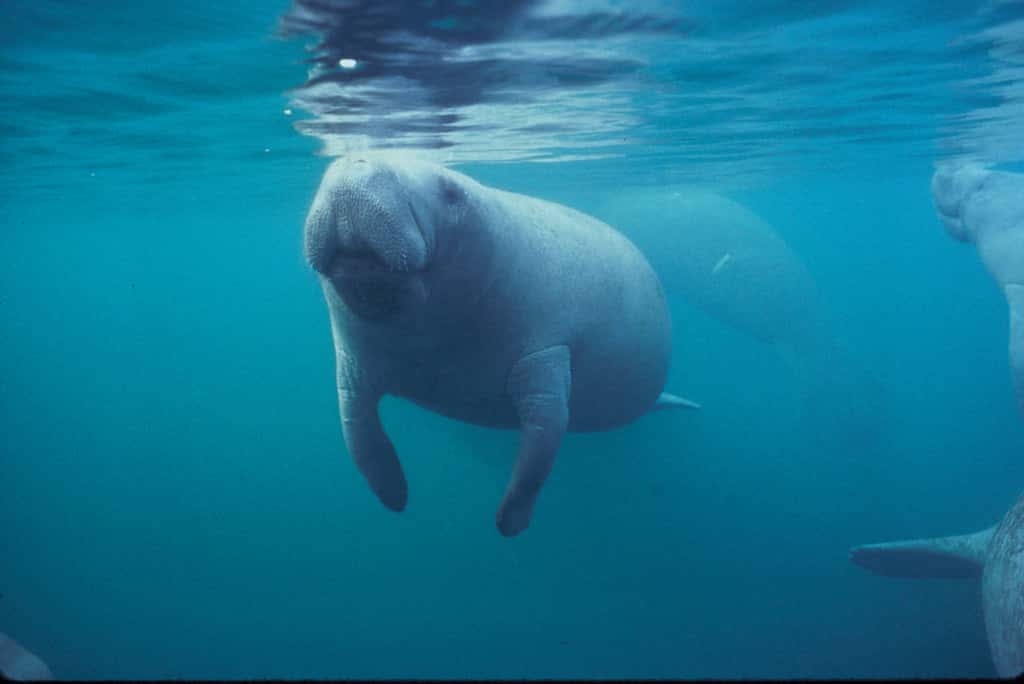
The connection between red tide and manatees is a particular concern for Florida's environmental stewards. Manatees can be poisoned by red tide toxins, and the broader health of the coastal ecosystem on which they depend is affected by major blooms. Nutrient pollution from sources such as fertilizer can feed harmful algae, linking water quality management to the frequency and severity of blooms in a way that connects red tide to broader environmental policy debates.
The Florida context
Red tide has been part of Florida's marine environment for centuries, but the severity and duration of blooms have drawn intensifying attention in recent years. Major blooms have at times stretched on for many months, killing enormous quantities of marine life and prompting calls for stronger action on the water quality issues that scientists believe can intensify the events. The relationship between human activity, nutrient pollution, and bloom severity remains an active area of research and policy.
Florida has invested in research aimed at understanding, predicting, and mitigating red tide. Scientists study the conditions that trigger and sustain blooms, develop tools to forecast their movement, and explore potential methods to reduce their impact. The monitoring network that produces the regular status updates is part of that broader effort, providing the data that informs both public awareness and scientific understanding.
Water quality is central to the policy conversation around red tide. Nutrient runoff from agriculture, lawns, and other sources can feed harmful algae, and managing that runoff is one lever available to reduce the food supply that fuels blooms. Efforts to improve water quality, restore wetlands, and reduce pollution intersect with red tide management, making the issue part of Florida's larger environmental agenda rather than an isolated phenomenon.
What it means for the coast
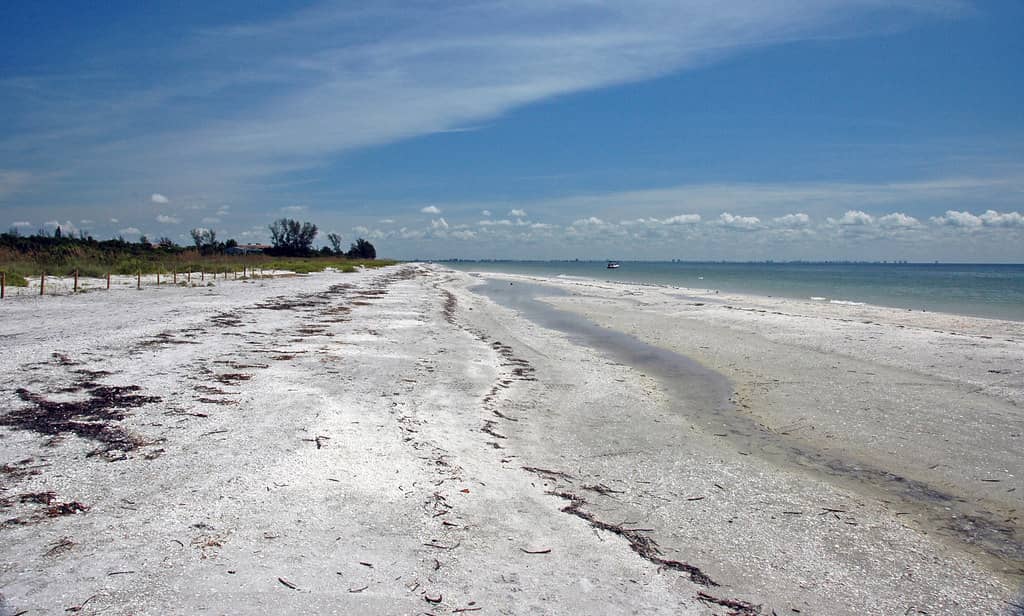
For residents and visitors along the southwest Florida coast, the current low concentrations mean beaches are not experiencing the fish kills and respiratory irritation that accompany significant blooms. That is good news for the summer tourism season, when Gulf coast communities depend on a steady flow of visitors to their beaches, restaurants, and attractions. Clear conditions support the local economy and the quality of life for residents who live near the water.
The absence of an active bloom does not mean the threat has vanished. Red tide conditions can change, and the organism remains present in the water at background levels. Coastal residents and visitors are advised to check the regularly updated status reports before heading to the beach, particularly during the warmer months when conditions can shift. Staying informed allows people to plan around any developing concerns.
For those who encounter sick, injured, or dead wildlife, officials encourage reporting to the appropriate hotlines so that the animals can be documented and, where possible, helped. Reports of dead fish or distressed marine mammals contribute to the monitoring effort and help officials track the health of the coastal ecosystem. Public participation in reporting is a valuable complement to the formal sampling and satellite monitoring.
Why the quiet conditions matter
A summer without a major red tide bloom is a meaningful benefit for Florida's Gulf coast on multiple fronts. Environmentally, it spares marine life from the toxins that can cause mass die-offs and protects vulnerable species like manatees from a known threat. Economically, it supports the tourism and hospitality businesses that suffer when blooms drive visitors away and leave beaches strewn with dead fish.
The quiet also gives the ecosystem a chance to remain healthy and resilient. Severe blooms can have lasting effects on fish populations, seagrass beds, and the broader marine food web, and a period without a major event allows the system to avoid that kind of disruption. The health of seagrass in particular is important for manatees, which depend on it for food, linking the absence of a bloom to the well-being of the species.
At the same time, the favorable conditions offer no guarantee for the rest of the season. Red tide blooms can develop and intensify with changes in conditions, and the southwest coast has experienced damaging events in the past. The current calm is a snapshot of a particular moment, and continued monitoring is what allows officials to detect any shift before it becomes a major problem.
What's next
The Florida Fish and Wildlife Conservation Commission and its research partners will continue their regular monitoring, sampling coastal waters and tracking conditions through satellite imagery and field reports. The status updates that summarize those findings provide ongoing information to the public, and residents can consult them to stay aware of any changes along their stretch of coast. The monitoring cadence ensures that a developing bloom would be detected and reported.
Researchers will also continue their longer-term work on understanding and mitigating red tide, including studies of the conditions that drive blooms and the water quality factors that can intensify them. That research feeds into the policy debates over nutrient pollution and water management that shape Florida's broader environmental agenda, debates that connect red tide to issues ranging from agriculture to coastal development.
For now, the southwest Florida coast can enjoy a summer that has so far been free of the damaging blooms that have marred past years. The low concentrations and the absence of fish kills and respiratory irritation describe a coast in good shape, and the continued monitoring provides the early warning that would alert residents and officials if that picture begins to change.
Spotted an issue with this article?
Have something to say about this story?
Write a letter to the editor