Four Men Sentenced to Life in Tampa Murder of Rapper Julio Foolio
A Florida judge sentenced four men to life in prison without the possibility of parole on June 22, 2026 for the first-degree murder of rapper Charles Andrew Jones II, known by his stage name Julio Foolio, closing a chapter in one of the Tampa Bay area's most closely watched homicide prosecutions. The sentences followed jury convictions handed down weeks earlier.
Jones was shot and killed on June 23, 2024 in a hotel parking lot in Tampa, a killing that prosecutors would later describe as a coordinated and planned attack. The case drew significant attention because of the victim's profile as a recording artist and because of the organized nature of the violence that authorities said led to his death.
The four defendants, identified in court records as Isaiah Chance, 23; Sean Gathright, 20; Rashad Murphy, 32; and Davion Murphy, 29, were found guilty by a jury on May 8, 2026 of first-degree premeditated murder and conspiracy to commit murder. The verdicts came after the jury's deliberations and reflected the panel's conclusion that the killing was deliberate and planned.
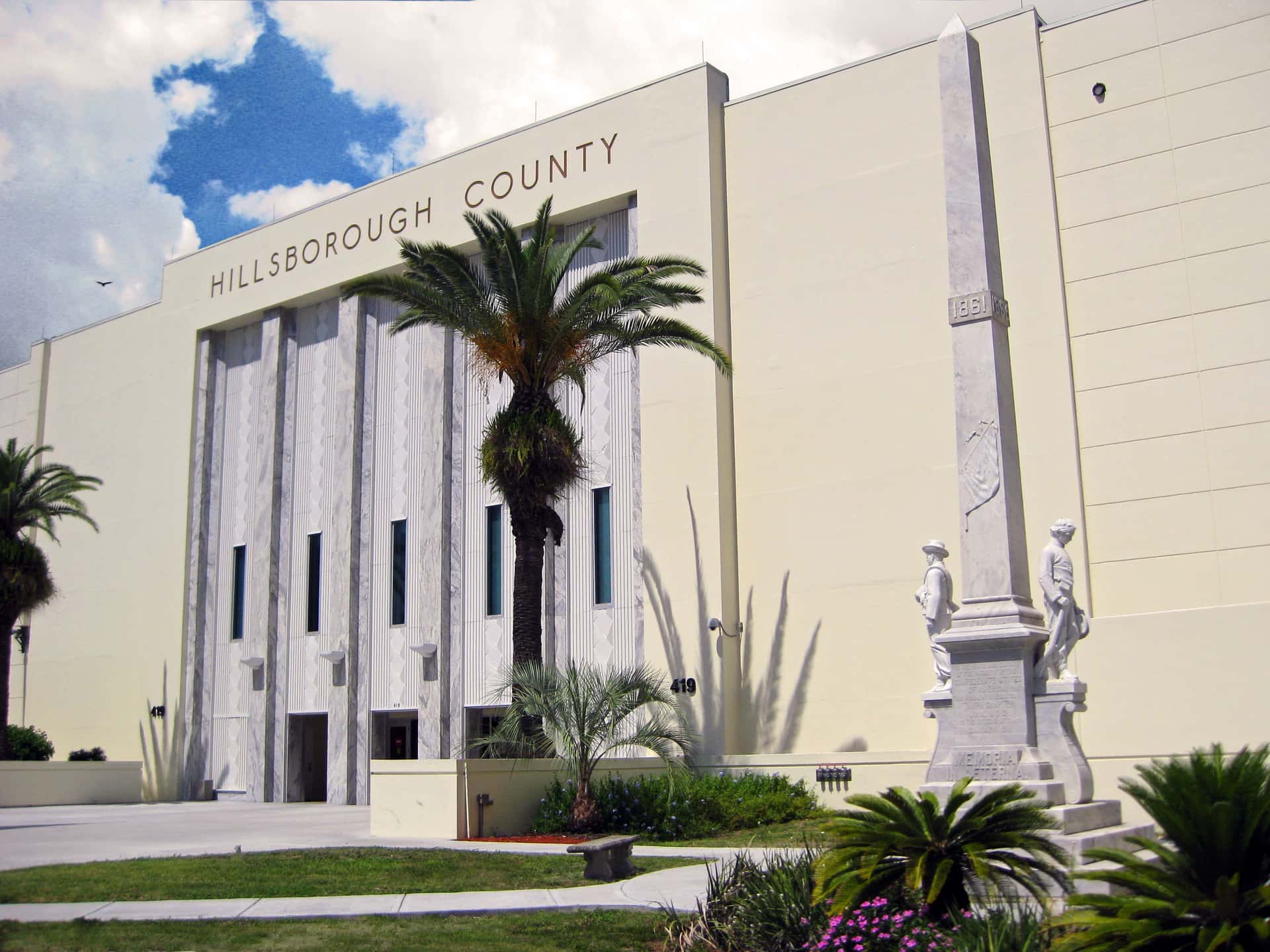
Hillsborough County Circuit Judge Michelle Sisco imposed the life-without-parole sentences, the punishment that follows a first-degree murder conviction in such cases. The sentencing brought to a close the central trial in a prosecution that the State Attorney's Office had pursued as a premeditated act tied to a rivalry between groups.
The killing in a Tampa parking lot
The events at the center of the case unfolded on June 23, 2024, when Jones was shot and killed in a hotel parking lot in Tampa. The location, an ordinary commercial setting, became the scene of a killing that authorities would characterize as anything but random, describing it instead as the result of a deliberate plan.
According to the prosecution's account presented at trial, the attack was coordinated rather than spontaneous. Prosecutors described a planned operation, a framing that shaped how the charges were brought and ultimately how the jury weighed the evidence. The premeditation alleged by the state was central to the first-degree murder counts the defendants faced.
The state also tied the killing to a rivalry between groups, presenting the violence as connected to an ongoing conflict. That context, as laid out by prosecutors, helped explain the motive the state put before the jury and underpinned the conspiracy charge that accompanied the murder count.
For the Tampa Bay community, the killing of a known recording artist in a parking lot underscored the toll of gun violence and the way conflicts can escalate into deadly, planned attacks. The case became a focal point for the region's law-enforcement and judicial system as it moved toward trial.
The jury's verdict and the charges
On May 8, 2026, after deliberations, the jury returned guilty verdicts against all four men on charges of first-degree premeditated murder and conspiracy to commit murder. The combination of charges reflected the state's theory that the defendants not only carried out the killing but planned it together in advance.
First-degree premeditated murder is the most serious homicide charge under Florida law, requiring proof that a killing was both intentional and planned. The conspiracy count added the dimension of coordination, alleging that the defendants agreed and worked together to bring about the death. The jury's verdicts indicated it found those elements satisfied.
The deliberations that preceded the verdicts marked the culmination of a trial in which the prosecution laid out its case that the attack was a premeditated act tied to a rival group. The jury, as the finder of fact, weighed that evidence and reached its conclusions, which then set the stage for sentencing.
With the convictions in place, the legal questions shifted from guilt to punishment. Under the framework governing first-degree murder, the path led toward the life-without-parole sentences that the court would impose the following month, removing the prospect of release for the four convicted men.
Life without parole imposed by the court
On June 22, 2026, Judge Michelle Sisco sentenced the four men to life in prison without the possibility of parole. The sentences represent the practical effect of first-degree murder convictions in cases resolved this way, ensuring that the defendants will not be eligible for release.
The imposition of life without parole carries a particular weight. It signals a judicial determination that the convicted men will spend the remainder of their lives incarcerated, a punishment reserved for the gravest offenses. For the families and community affected by the killing, the sentencing marked the formal conclusion of the central case.
Because a jury had already returned guilty verdicts, the court's role at sentencing was to apply the consequences that follow from those convictions. The findings of guilt, attributed to the jury, and the sentences, imposed by the judge, together represent the system's adjudication of the case against the four defendants.
The sentencing also reflected the seriousness with which the Hillsborough County court and the State Attorney's Office treated the prosecution. Having secured convictions on the most serious charges available, the outcome closed the principal trial with the maximum non-capital punishment under the framework that governed it.
A separate conviction in the case
The prosecution extended beyond the four men sentenced to life. A co-defendant, Alicia Andrews, was sentenced on May 22, 2026 to 15 years in prison following a manslaughter conviction connected to the case. Her resolution stood apart from the first-degree murder convictions and carried a distinct charge and sentence.
Manslaughter, the offense underlying Andrews's conviction, is a different and lesser charge than first-degree murder, reflecting a separate legal determination about her role. The 15-year sentence she received corresponds to that conviction and distinguishes her case from those of the defendants found guilty of premeditated murder.
The presence of a co-defendant resolved on a different charge illustrates how a single incident can produce varied outcomes for those accused of involvement. The court and the jury system treated the participants according to the specific findings applicable to each, resulting in a range of convictions and sentences across the case.
Together, the life-without-parole sentences and the separate manslaughter conviction account for the principal defendants whose cases have been resolved. The combination underscores the breadth of the prosecution that the State Attorney's Office mounted in connection with the 2024 killing.
A high-profile case in Hillsborough County
The prosecution unfolded in Hillsborough County, placing the Tampa Bay region's courts and the State Attorney's Office at the center of a case that attracted attention well beyond the area. The victim's profile as a recording artist amplified public interest, turning the proceedings into a closely followed test of the local justice system.
The case also fit into broader concerns about gun violence in Florida and the way disputes between groups can culminate in deadly, planned attacks. The state's portrayal of a coordinated assault tied to a rivalry framed the killing not as an isolated act but as the product of an ongoing conflict, a narrative that resonated in discussions of community safety.
For the State Attorney's Office, securing first-degree murder convictions against four defendants and a separate manslaughter conviction represented a significant prosecutorial undertaking. The effort required building a case around premeditation and conspiracy, theories that demanded substantial evidence to persuade a jury.
The local nature of the case, rooted in a Tampa parking lot and adjudicated in a Hillsborough County courtroom, kept it firmly within the orbit of Florida's justice system. The outcomes, reached by jury and judge, reflected how that system processed a killing that had drawn national attention to the region.
Premeditation and conspiracy at the heart of the case
The dual nature of the charges, first-degree premeditated murder paired with conspiracy to commit murder, defined the legal architecture of the prosecution. Together they framed the killing not as the act of a lone individual but as a planned undertaking carried out by a group, a theory that the State Attorney's Office advanced and that the jury ultimately endorsed through its verdicts.
Proving premeditation required the state to establish that the killing was intentional and planned in advance, a demanding standard that distinguishes first-degree murder from lesser homicide charges. The jury's conclusion that this standard was met, after its deliberations, reflected the weight of the evidence prosecutors assembled to support the most serious charge available.
The conspiracy count added a layer of shared responsibility, alleging that the defendants agreed and acted together toward the killing. By securing convictions on both counts against all four men, the prosecution affirmed its portrayal of a coordinated attack rather than an isolated act, a characterization tied to the rivalry the state described.
The combination of charges, and the jury's verdicts on them, shaped the life-without-parole sentences that followed. In adjudicating both premeditation and conspiracy, the court system addressed not only the act of the killing but the planning and coordination that prosecutors said preceded it, completing the legal account of the case.
What's next
With the sentencing of the four men to life without parole and the earlier resolution of the co-defendant's case, the central proceedings tied to the killing have concluded. The convictions, as adjudicated by the jury, and the sentences, as imposed by the court, represent the formal end of the principal trial phase.
As with many serious convictions, the possibility of appeals remains a feature of the legal landscape, a standard part of the process following sentences of this magnitude. Any such proceedings would move through the appropriate courts according to established procedure, though the trial-level outcomes stand as the system's adjudication for now.
For the Tampa Bay community and for those touched by the 2024 killing, the sentencing offers a measure of resolution after a prosecution that spanned roughly two years from the death to the final sentences. The case leaves behind a record of how Hillsborough County's courts and prosecutors responded to a high-profile act of gun violence within Florida's justice system.
Spotted an issue with this article?
Have something to say about this story?
Write a letter to the editor