HCA Florida Gainesville Opens $235M Hospital, First New Major Facility in 50 Years
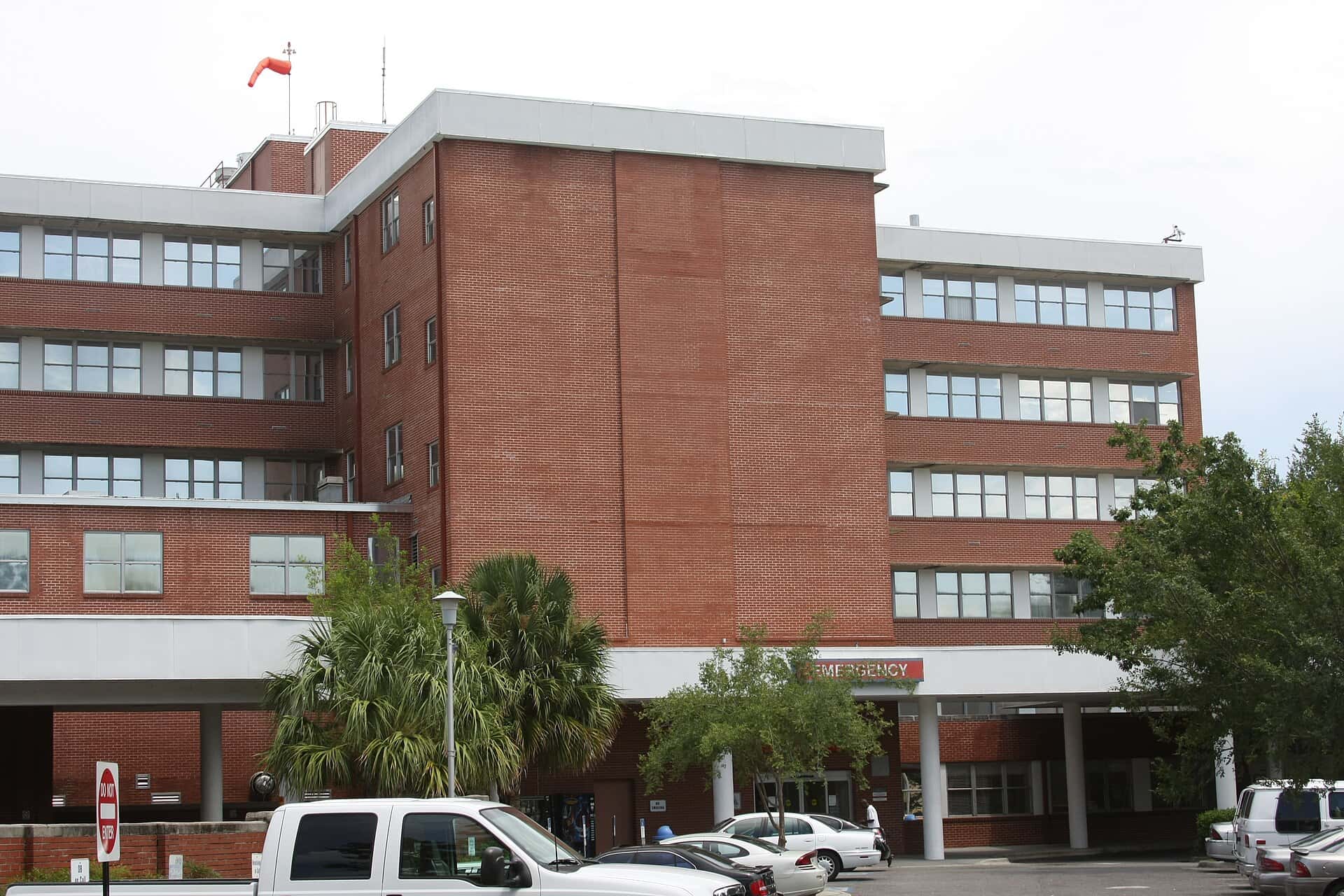
HCA Healthcare opened a new 90-bed, $235 million hospital in Gainesville on May 5, the first new major hospital constructed in north central Florida in more than half a century. The facility, branded HCA Florida Gainesville Hospital, accepted its first patients at an early morning ribbon-cutting attended by Alachua County officials, regional physicians, and HCA executives. The hospital is expected to support 250 permanent jobs at full operation and reshape a regional healthcare market that has long been dominated by the academic medical center at the University of Florida.
What HCA announced
According to a statement from HCA Florida Healthcare, the new Gainesville facility opened with 90 licensed inpatient beds, a 24-hour emergency department, multiple operating rooms, a cardiac catheterization lab, and a 30-bed inpatient rehabilitation unit. The hospital represents the first major hospital construction project in the Gainesville market since the 1970s, when UF Health Shands opened its current main tower. HCA said the campus was designed to allow vertical expansion in the future as patient demand grows, with infrastructure prepared to add additional floors and clinical units.
The hospital said the project totaled approximately $235 million in construction and equipment costs and was built on a site near Interstate 75 selected specifically to draw patients from the surrounding counties as well as from western Alachua County. HCA selected the location after years of analyzing patient travel patterns, which the company said showed that residents of communities including Newberry, Tioga, and Jonesville were driving long distances to reach existing hospital facilities. The new campus reduces travel times for those communities significantly and gives HCA a substantial presence in a market where it previously operated only outpatient facilities.
HCA executives at the opening event framed the project as part of a broader Florida expansion strategy that has seen the for-profit chain invest billions of dollars in new construction and renovations across the state. The company operates roughly four dozen hospitals in Florida and has positioned itself as the state's largest private hospital operator by revenue. The Gainesville opening followed a months-long state regulatory approval process during which HCA had to demonstrate community need under Florida's hospital licensing framework.
Clinical services and capacity
The hospital opened with a broad initial scope of services that include emergency care, general surgery, orthopedic surgery, cardiology, gastroenterology, and inpatient rehabilitation. The 30-bed rehabilitation unit, which the hospital said operates as a distinct cost center under the federal inpatient rehabilitation classification, gives the Gainesville market substantially more capacity for post-acute care following stroke, joint replacement, and major surgery. HCA officials said the rehabilitation beds are likely to fill quickly given the existing capacity constraints at the area's other rehabilitation providers.
The cardiac catheterization lab represents one of the more strategically important services at the new campus, allowing the hospital to perform diagnostic angiography and certain interventional procedures on patients presenting with chest pain or heart attack symptoms. Hospital officials said the cath lab is staffed for 24-hour activation, allowing patients with ST-elevation heart attacks to receive emergency intervention without transfer to a larger facility. That capability is considered a baseline expectation for community hospitals serving a growing suburban population.
The hospital also opened with imaging services that include computed tomography, magnetic resonance imaging, ultrasound, and digital mammography. HCA said the facility will offer outpatient infusion services, sleep studies, and a range of laboratory testing. The hospital does not, at opening, include obstetric services, intensive care beyond an intermediate level, or trauma certification, services that remain concentrated at UF Health Shands across town.
Bed-mix planning at the new campus reflects what HCA officials described as a community-hospital model, with private rooms across all medical-surgical units, a dedicated observation area near the emergency department, and family accommodations built into the rehabilitation wing. The hospital said its emergency department was sized for an annual volume of roughly 35,000 visits at full operation, with the ability to scale staffing seasonally to accommodate winter population swings as part-time residents return to North Central Florida. Hospital administrators said triage workflows were designed in coordination with regional emergency medical services to reduce ambulance offload delays, a metric that has drawn attention from Florida regulators over the past several years.
What it means for Florida patients
For residents of Alachua, Marion, Levy, Gilchrist, and Bradford counties, the new hospital represents an expansion of choice in a market where access has historically been concentrated. UF Health Shands has long anchored regional care as both an academic medical center and the only Level I trauma center in the region. HCA's entry gives patients an alternative for routine inpatient stays, scheduled surgeries, and emergency care that does not require academic medical center resources.
The hospital's location near I-75 is positioned to capture emergency volume from a corridor that has seen steady population growth over the past decade. Communities including the Town of Tioga, Jonesville, and the expanding western Newberry suburbs have added thousands of housing units, with developers continuing to push west of Gainesville. Emergency department visits in the region have been rising in line with population growth, and HCA officials said the new hospital is positioned to absorb some of that volume from the existing emergency rooms, which have at times faced long wait times during peak periods.
For employers and physicians, the new hospital changes contracting dynamics in the regional market. HCA negotiates with insurance carriers and employers as a national chain with bargaining power that smaller independent hospitals cannot match. Local physicians who admit patients to the new hospital will have access to electronic health records integrated across HCA's national network, allowing easier care coordination for patients who travel between Florida regions, particularly Gainesville-area snowbirds who spend part of the year in other HCA markets.
Economic and employment impact
HCA said the hospital will employ approximately 250 staff at full ramp-up, including nurses, technicians, support staff, and administrators. The opening week roster includes roughly 180 employees, with hiring continuing through the summer as inpatient volume grows. The hospital's payroll is expected to add a meaningful chunk to the Alachua County health sector, which already represents one of the largest employment categories in the county thanks to UF Health and the VA Medical Center.
The construction itself supported hundreds of skilled trades jobs across the multi-year build period. General contractor Robins and Morton, which has built numerous HCA facilities, employed mechanical, electrical, and plumbing contractors based primarily in Florida. Tax revenue from the new facility will accrue to Alachua County, although HCA, like other hospital operators, qualifies for some property tax treatment under Florida law that distinguishes between for-profit and nonprofit hospital ownership.
The hospital's opening also brings ancillary economic activity. Medical office construction near the campus is already underway, with several physician groups planning practice locations on adjacent parcels. Restaurants, pharmacies, and retail tenants are expected to follow, replicating the development pattern that has accompanied HCA campus openings in other Florida markets. Local economic development officials have welcomed the project as a meaningful diversification of the county's economic base.
Wage data from the regional labor market suggests the hospital's hiring will pressure pay scales for nursing and allied health roles in Gainesville, where competition for talent has been steady. HCA officials said the hospital will participate in the company's nationwide nurse residency program, which pairs newly licensed registered nurses with structured clinical training, and that the new campus will also serve as a clinical rotation site for local nursing students. Hospital recruiters said they expect a portion of the workforce to come from existing UF Health staff seeking schedule changes, alongside hires from outside the region.
Competitive context in the Gainesville market
UF Health, the dominant healthcare system in north central Florida, operates Shands at the University of Florida along with multiple satellite locations, primary care offices, and specialty centers. The system handles the most complex medical and surgical cases in the region, operates the only Level I trauma center, and serves as the primary teaching hospital for the UF College of Medicine. HCA's new community hospital does not, in scope, compete with that breadth of services, but it does compete for routine and semi-acute volume that has been a meaningful contributor to UF Health revenue.
North Florida Regional Medical Center, which HCA acquired through earlier corporate transactions and which operates as HCA Florida North Florida Hospital, has been the existing HCA flagship in the Gainesville market. That hospital, located in a different part of the city, will continue operating and is expected to handle higher-acuity HCA cases while the new facility focuses on community-level inpatient and emergency care. The two HCA campuses, along with UF Health, give the Gainesville market three significant hospital options for the first time in its history.
The new hospital opens at a time when Florida's hospital regulatory environment has shifted toward less restrictive licensing of new facilities. Reforms to the state's certificate of need program have made it easier for hospital operators to add capacity in growing markets, although the framework still requires demonstration of community benefit. HCA officials said the regulatory environment was supportive of the Gainesville project given the documented growth in the western Alachua County area.
HCA's broader Florida expansion
The Gainesville opening is one of several major construction and expansion projects HCA has undertaken in Florida over the past several years. The chain has invested in new facilities, hospital additions, and outpatient sites in markets including Tampa Bay, Southwest Florida, the Treasure Coast, and Northeast Florida. Company filings indicate that Florida represents one of HCA's most important state markets by revenue contribution, and executives have repeatedly described the state's population growth as a key strategic priority.
HCA's Florida investments come during a period when several other large hospital operators have made similar bets on the state's growth. AdventHealth, Baptist Health, BayCare, and Memorial Healthcare have all announced major capital projects in the past several years. Combined, the hospital construction underway across Florida likely exceeds several billion dollars, reflecting industry expectations that the state's population will continue growing at a pace that outstrips most of the country.
For HCA, Florida represents both a growth opportunity and a competitive battleground. The chain's national scale gives it operational and financial advantages, but local hospital systems, both nonprofit and for-profit, have strong community ties and physician relationships that influence patient choice. The Gainesville opening tests how effectively HCA can build market share in a region where UF Health has long held the dominant brand.
What's next for the campus
HCA officials said the next phase of development at the Gainesville campus will focus on expanding outpatient services adjacent to the hospital, including ambulatory surgery, advanced imaging, and physician offices. The campus master plan accommodates additional buildings on the site over time, with infrastructure including utilities, parking, and access roads sized for future expansion. The hospital tower itself is designed to support additional floors if demand grows.
The hospital is expected to seek certain service-line accreditations over the coming months, including chest pain center designation and certifications related to stroke care and joint replacement. Those credentials carry both clinical and marketing value, signaling to patients and referring physicians that the hospital meets specific quality benchmarks. HCA officials said the certifications align with the patient mix expected at the new campus.
For Florida patients, the opening represents a meaningful capacity addition in a region that has long had limited inpatient choice. The hospital is expected to reach steady-state operations by late summer, with patient volumes likely to grow as physician referral patterns adjust and as marketing reaches the surrounding population. HCA leadership said the Gainesville hospital is among the most important openings in the chain's recent Florida history, signaling continued investment in the state's hospital infrastructure and a deepening commitment to a market that the company expects to keep growing.
Spotted an issue with this article?
Have something to say about this story?
Write us a letterComments
No comments yet. Be the first to weigh in.
Related Coverage

DeSantis Says Florida Has Cut 220 Medicaid Providers and Sent 150 Fraud Referrals as Crackdown Expands
1d ago

Tampa General takes over DeSoto County's only hospital, renaming it TGH DeSoto
2d ago

Florida on pace for record child drownings as families seek swim lessons
6d ago

Florida Attorney General James Uthmeier Sues Pfizer and CEO Albert Bourla Over COVID-19 Vaccine Claims
Oct 2