Florida Measles Cases Climb to Highest Level in Decades as National Outbreak Widens
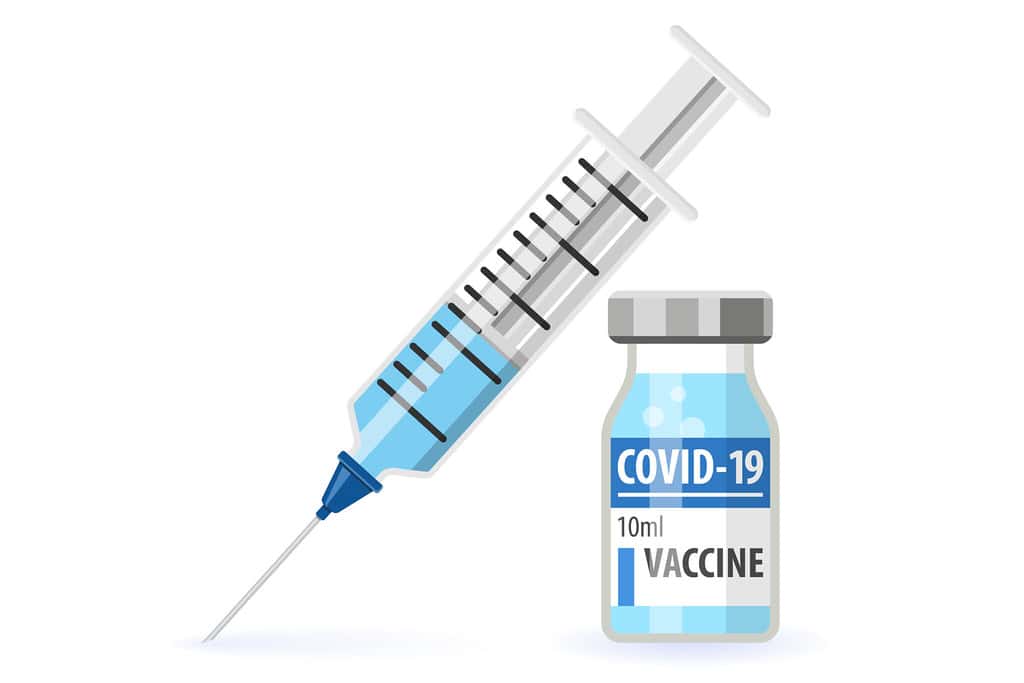
Florida is contending with its worst measles year in a generation, part of a national resurgence of a disease that public health authorities once considered eliminated in the United States. State health data indicate Florida has recorded more measles cases in 2026 than in any single year over the past quarter century, ranking the state among the hardest hit in the country. The surge, concentrated in specific communities but capable of spreading rapidly, has renewed urgent calls from physicians and public health officials for families to confirm that their children are up to date on vaccinations.
How bad the outbreak has become
Nationally, the number of confirmed measles cases in 2026 has climbed into the thousands, spread across dozens of states and jurisdictions, and the overwhelming majority of cases are linked to identifiable outbreaks rather than isolated infections. Florida has been among the states reporting the highest case counts, and the total confirmed here represents the largest annual figure the state has seen in roughly 25 years. The trajectory has alarmed health officials because measles is one of the most contagious diseases known, capable of infecting the vast majority of unprotected people exposed to it.
Much of Florida's case load has been concentrated in specific communities, including an outbreak earlier in the year tied to a university in the southwestern part of the state. Outbreaks tend to cluster where vaccination rates have dipped below the threshold needed for community protection, allowing the virus to spread from person to person before it can be contained. Once measles gains a foothold in an under-vaccinated group, it can be extremely difficult to stop.
The pattern seen in Florida mirrors what epidemiologists have documented elsewhere. A single infected traveler can introduce the virus, and from there it radiates outward through households, schools, gathering places, and workplaces where susceptible people come into close contact. Because the disease can be transmitted before symptoms are obvious, chains of infection often stretch on for weeks before health departments can identify and interrupt them, which is part of why annual totals can climb so sharply once an outbreak takes hold.
Health officials also caution that confirmed case counts may understate the true scope of transmission. Milder cases can go undiagnosed, and some families may not seek testing, meaning the official tally represents the infections that have been formally identified rather than every person affected. That uncertainty reinforces why authorities treat even a modest rise in confirmed cases as a signal that broader circulation may be underway.
Why measles is so dangerous
Measles is far more than a childhood rash. The virus spreads through the air and can linger in a room for up to two hours after an infected person has left, making it possible to catch the disease without ever having direct contact with a sick individual. Symptoms begin with fever, cough, runny nose, and red eyes before the characteristic rash appears, and an infected person can spread the virus before they even know they are sick.
Complications can be severe, particularly for young children, pregnant women, and people with weakened immune systems. Measles can lead to pneumonia, brain swelling, and in rare cases death, and it can also suppress the immune system for an extended period afterward, leaving survivors more vulnerable to other infections. Before widespread vaccination, measles killed and hospitalized large numbers of children each year, which is why its return has been treated as a serious public health failure.
The airborne nature of the virus is what sets it apart from many other illnesses parents worry about. Diseases that require close or prolonged contact are easier to avoid through everyday caution, but measles can spread in a doctor's waiting room, a grocery store aisle, or a classroom simply because an infected person passed through earlier. That characteristic makes personal precautions far less effective than population-wide immunity, and it explains why a small number of cases can seed a much larger outbreak.
The immune-weakening effect that can follow a measles infection is a lesser-known danger that concerns physicians. Research has shown the virus can erase part of the body's existing defenses against other pathogens, a phenomenon sometimes described as immune amnesia. In practical terms, a child who recovers from measles may face heightened risk from unrelated infections for months, compounding the toll of an illness that is already among the most serious preventable diseases of childhood.
The vaccination question
The measles vaccine, typically given as part of the combined measles, mumps, and rubella immunization, is highly effective, with two doses providing strong and lasting protection. Public health experts emphasize that maintaining high vaccination rates is the only reliable way to prevent outbreaks, because the disease needs a pool of susceptible people to spread. When enough of a community is immunized, even those who cannot be vaccinated for medical reasons are indirectly protected.
Declining vaccination rates in some communities have created the conditions for the current resurgence. The reasons are varied, ranging from misinformation to logistical barriers to access, and public health officials have worked to counter false claims while making immunization more available. Physicians across Florida are urging parents to review their children's vaccination records and to consult their pediatricians about any missing doses, particularly before the school year and before any travel.
The concept of community protection, sometimes called herd immunity, depends on keeping the share of vaccinated people above a high threshold, because measles is so contagious that even small gaps can allow it to spread. When coverage slips in a neighborhood, a school, or a congregation, the protective barrier weakens and the virus finds room to circulate. That dynamic means the choices of individual families collectively shape the safety of the entire community, including infants and medically vulnerable people who cannot be vaccinated themselves.
Public health officials also stress that catching up on missed doses is worthwhile at any age. Adults uncertain about their childhood immunizations, along with older children who never completed the recommended schedule, can talk with a provider about verifying their status. Closing those gaps not only protects the individual but also adds to the overall wall of immunity that keeps outbreaks from spreading, an approach that becomes especially important during an active surge.
What Florida families should know
For Florida households, the practical guidance is straightforward. Families should confirm that children have received both recommended doses of the measles vaccine, and adults who are unsure of their status can consult a health care provider. Infants too young for routine vaccination and people with compromised immune systems depend on those around them being immunized, which makes community-wide protection a shared responsibility rather than a purely individual choice.
Parents who suspect their child may have been exposed or who notice symptoms consistent with measles are advised to contact a health care provider before visiting a clinic or emergency room, so that facilities can take precautions to prevent further spread. Early identification and isolation of cases are critical tools in stopping an outbreak from widening, and rapid reporting to local health departments helps officials trace and contain infections.
Families planning travel this year face particular considerations, since measles remains common in many parts of the world and can be carried back into Florida communities. Health providers often recommend that travelers confirm their protection before departure, and in some circumstances infants may be eligible for an earlier dose. Checking well in advance of a trip gives families time to complete any needed immunization, because full protection is not immediate after a dose is given.
The broader public health picture
Florida's outbreak is part of a troubling national and even international trend, with health organizations across the Americas warning of increased measles activity. The resurgence reflects gaps in immunization coverage that have opened in recent years, and it serves as a reminder that diseases considered conquered can return when protective measures erode. Public health systems that had shifted focus to other priorities have had to redirect resources toward measles surveillance and response.
The economic and social costs of outbreaks extend beyond the immediate illnesses. Schools may face closures or exclusion policies for unvaccinated students during outbreaks, health departments must devote staff to contact tracing, and families endure the stress and expense of illness that is largely preventable. Each outbreak also carries the risk of introducing the virus to vulnerable individuals who could suffer the most severe outcomes.
Every confirmed case also demands an intensive investigative response. Public health workers must identify where an infected person went while contagious, notify others who may have been exposed, and follow up to watch for new symptoms, a labor-intensive process that can consume the attention of a local health department for weeks. When cases multiply, those demands strain agencies that are also responsible for a wide range of other duties, from restaurant inspections to chronic disease programs.
How measles was pushed back before
The current alarm is best understood against the history of how the disease was tamed. For much of the last century, measles was a near-universal experience of childhood, sickening large numbers of children and causing regular waves of serious illness. The introduction and widespread adoption of an effective vaccine transformed that reality, driving cases down so dramatically that the disease was eventually declared eliminated from routine circulation in the United States, meaning it no longer spread continuously within the country.
That elimination status was never a guarantee of permanent safety, and public health experts have long warned it could be lost if immunization slipped. The virus continued to circulate in other parts of the world, ready to be reintroduced by travelers, and only sustained high vaccination coverage kept it from taking hold again. The events of 2026 illustrate what officials feared, showing how quickly hard-won progress can unravel when the conditions that made it possible begin to fade.
The lesson public health leaders draw from that history is that vigilance cannot lapse simply because a disease has become rare. The tools that defeated measles remain available and effective, and officials say the path to restoring control runs through the same measures that succeeded before. Rebuilding coverage in the communities where it has fallen is, in their view, both the challenge and the solution.
What comes next
Health officials will continue to monitor case counts closely, particularly as summer travel and the approach of a new school year create additional opportunities for transmission. Containing the outbreak will depend on rapid response to new cases and, more fundamentally, on raising vaccination rates in the communities where they have fallen. The path forward is well understood, even if achieving it has proven difficult.
The coming months are likely to test the state's response, as gatherings, movement, and the return of students to classrooms all raise the potential for the virus to reach new groups. Officials have signaled that sustained attention will be needed rather than a short-term push, since an outbreak of this scale is unlikely to fade on its own without continued effort to close immunity gaps and quickly contain fresh infections.
For Floridians, the message from the medical community is clear and consistent. Measles is preventable, the vaccine is safe and effective, and the surest protection for families and communities is high immunization coverage. As the state works to bring its worst measles year in decades under control, individual decisions about vaccination will collectively determine how quickly the outbreak fades.
Spotted an issue with this article?
Have something to say about this story?
Write a letter to the editorComments
No comments yet. Be the first to weigh in.
Related Coverage
Florida Heads Into Open Enrollment as the Nation's Biggest Test of Expired ACA Subsidies
8h ago
Florida Health Officials Issue Dengue Advisories in Polk and Orange Counties After Locally Acquired Cases
1d ago
Florida Moves to Drop Four Vaccine Requirements in a Year of Record Measles Activity
2d ago
Orange County Raises Dengue Alert After Confirming More Locally Acquired Cases
4d ago