Hurricane Center Watches First Atlantic System as Florida Soaks Up Drought-Easing Rain
The National Hurricane Center is tracking the first disturbance of the 2026 Atlantic season with a chance to develop, an early-season reminder that Florida's most consequential weather window has opened even though the basin has been relatively quiet so far. At the same time, rounds of tropical moisture and downpours have been sweeping across the Florida peninsula, delivering much-needed rain to a state that entered June with significant drought concerns.
The combination captures the dual nature of Florida's summer. The same atmospheric setup that produces beneficial afternoon and tropical rain can also organize into the storms that threaten lives and property. For now, forecasters describe the tracked system as low-probability, but the start of monitoring marks the practical beginning of a hurricane season that runs through November and demands year-round preparation in a state defined by its exposure to the Atlantic and the Gulf.
What forecasters are watching
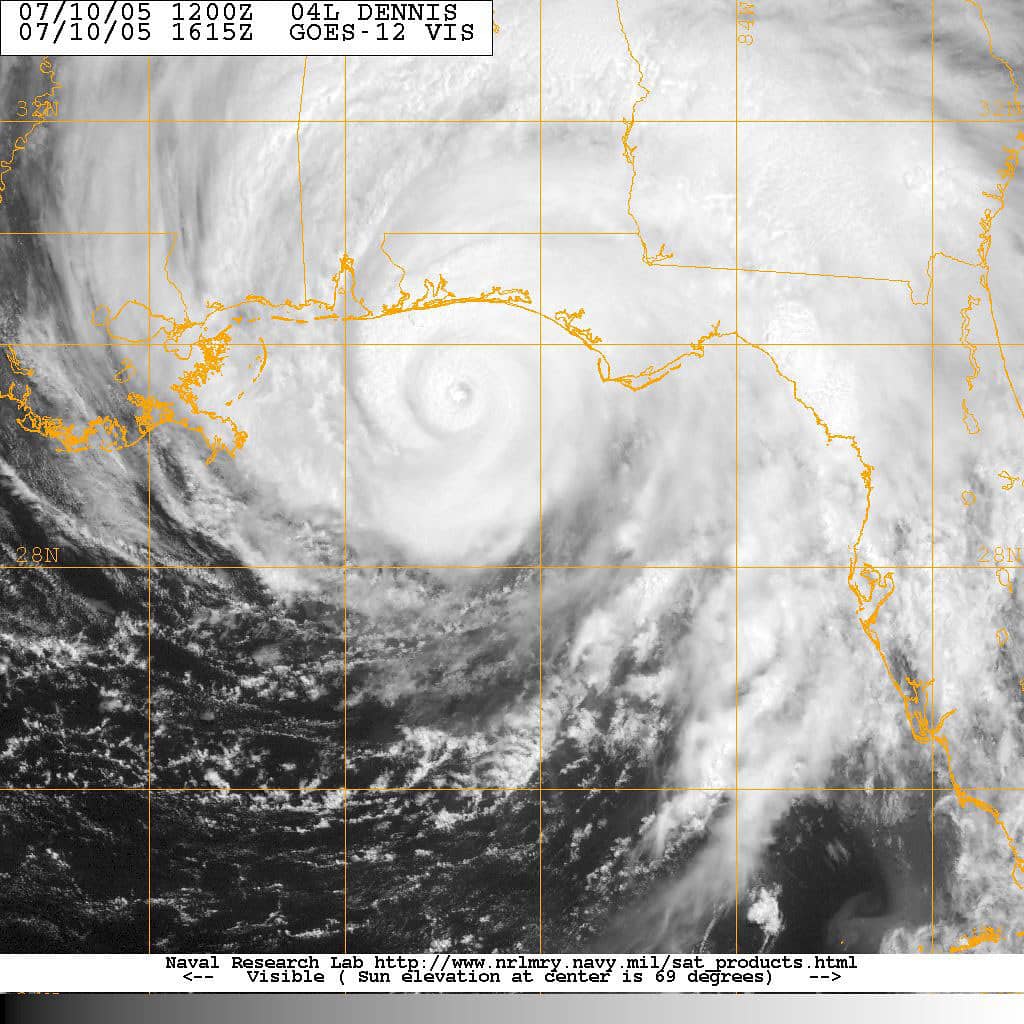
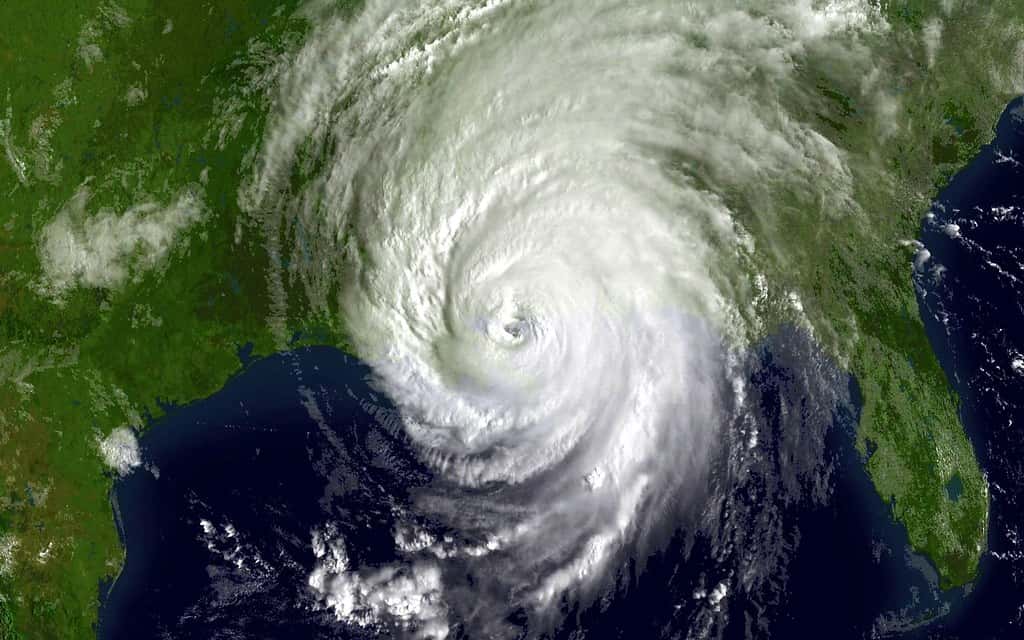
The National Hurricane Center began highlighting the season's first area of interest in the Atlantic basin, assigning it a chance to develop into a tropical depression or storm. Early-season systems often struggle to organize because of unfavorable conditions such as wind shear and dry air, and the agency's framing has emphasized that development, if it occurs, would be gradual rather than explosive.
It is important to understand what a development chance means and what it does not. A low or medium probability of formation indicates the potential for a system to become organized, not a forecast of a Florida landfall. The Hurricane Center issues formal watches and warnings only when a defined threat to land emerges, and those designations carry specific meanings: a watch indicates conditions are possible, while a warning means hazardous conditions are expected, generally within a day and a half.
For residents, the appropriate response to an early-season disturbance with a low development chance is awareness, not alarm. The value of these outlooks is that they give the public and emergency managers lead time to monitor evolving conditions, well before any system would pose a direct threat.
Drought relief from tropical downpours
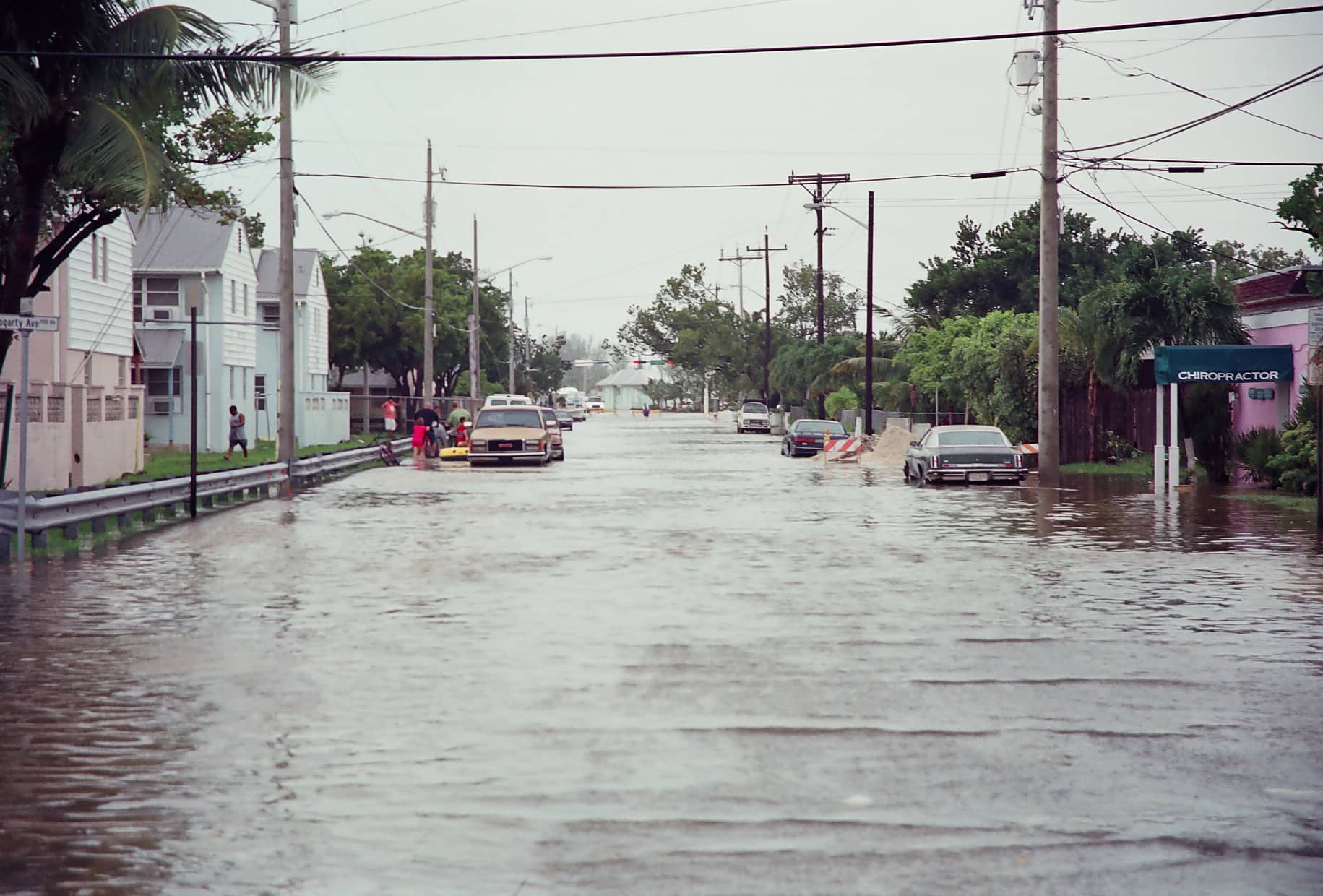
While the tropics stir, the more immediate weather story for many Floridians has been rain. Parts of the state entered June in drought, with rainfall deficits building through the dry season. Rounds of tropical moisture have helped reverse that trend, soaking the peninsula and easing conditions that had raised wildfire risk and stressed water supplies.
The rain is a reminder that Florida's wet season, which typically ramps up in late spring and summer, plays a crucial role in replenishing aquifers, recharging the Everglades and other wetlands, and lowering fire danger. After a dry stretch, the arrival of consistent rainfall is broadly beneficial, even as heavy downpours bring their own hazards in the form of localized flooding, lightning, and gusty winds.
Water managers watch these patterns closely. Florida's water supply depends heavily on seasonal rainfall, and a wet start to summer helps offset the deficits accumulated during the dry months. The same rain that fills retention ponds and recharges aquifers, however, can overwhelm drainage in low-lying urban areas, a recurring challenge in South Florida and other flood-prone regions.
The Florida context
Florida's relationship with hurricane season is unlike that of any other state. No part of the peninsula is far from the coast, and the state has been struck by some of the most damaging storms in American history. That exposure has shaped building codes, insurance markets, emergency management systems, and the rhythms of daily life from June through November.
The 2026 season arrives with forecasts calling for below-normal activity, driven in part by atmospheric conditions expected to suppress storm formation. But Florida emergency officials consistently stress that seasonal forecasts measure the number of storms, not the risk to any particular location. A below-normal season can still produce a single devastating landfall, and it takes only one storm to make a season catastrophic for the communities in its path.
That message, that preparation should not depend on the seasonal outlook, is the throughline of Florida's hurricane readiness messaging. Officials urge residents to know their evacuation zones, prepare supply kits, review insurance coverage, and have a plan well before any specific threat develops, precisely because the lead time on a fast-moving storm can be short.
What it means for Floridians
For residents, the start of Hurricane Center monitoring is a cue to make sure preparations are in place rather than a reason to react to any single disturbance. Early June is an ideal time to assemble or refresh a hurricane kit with water, non-perishable food, medications, batteries, and important documents, and to confirm which evacuation zone a home falls into.
The beneficial rain, meanwhile, calls for everyday caution. Heavy downpours reduce visibility on roads, cause ponding and flash flooding in low areas, and bring frequent lightning, which is a serious hazard in a state that leads the nation in lightning activity. Drivers should slow down in heavy rain, avoid driving through flooded roadways, and seek shelter during thunderstorms.
Homeowners and renters alike benefit from reviewing their insurance now, before any storm threatens. Standard homeowners policies typically do not cover flood damage, which requires separate coverage, and new flood policies often carry a waiting period before they take effect. Addressing those gaps early in the season avoids being caught unprotected when a system finally does threaten.
Regional differences across the state
Florida's size means that weather conditions vary widely across regions. South Florida, with its dense development and low elevation, faces particular flooding challenges during heavy rain and storm surge events. The Gulf Coast and southwest Florida, hit hard by recent hurricanes, remain especially attuned to any tropical development given recovery still underway in some communities.
The Panhandle and northern Florida have their own exposure, particularly to systems that develop in the Gulf, which can intensify quickly and offer less lead time than storms approaching from the open Atlantic. Central Florida, while somewhat buffered by its inland geography, is not immune, as past storms have demonstrated by causing wind and flood damage well inland.
These regional differences underscore why localized forecasts and evacuation guidance matter more than basin-wide statistics. Residents should rely on their local National Weather Service office and county emergency management for guidance specific to their area, rather than drawing conclusions from a single national outlook.
Understanding the season's forecast
The seasonal outlook for 2026 calls for below-normal activity, a projection driven in part by atmospheric and oceanic conditions expected to suppress storm formation. Factors such as wind shear, which can tear apart developing storms, and the state of sea-surface temperatures and large-scale climate patterns all influence how active a season becomes. Forecasters synthesize these factors into the seasonal predictions issued before and during the season.
It is essential to interpret these forecasts correctly. A below-normal season refers to the expected number of named storms, hurricanes, and major hurricanes across the entire Atlantic basin. It says nothing about where any storm will go or whether Florida specifically will be affected. The historical record includes quiet seasons that nonetheless produced a single catastrophic landfall, which is why emergency managers caution against complacency based on seasonal numbers.
The distinction matters because human behavior often tracks the forecast in unhelpful ways. A prediction of a quiet season can lull residents into reducing their preparations, leaving them vulnerable if a storm does form and approach. Conversely, an active-season forecast does not guarantee a Florida hit. The only prudent posture is consistent preparation regardless of the seasonal outlook, treating every season as one that could bring a significant storm.
Forecasters update their outlooks as the season progresses, incorporating new data on conditions in the basin. Mid-season updates can revise expectations up or down, but the core message remains constant: the seasonal forecast is a planning tool for the basin as a whole, not a prediction of risk to any individual location. Floridians are best served by focusing on their own preparedness and on the specific forecasts issued when an actual threat develops.
Technology has improved the tools available for tracking and forecasting storms, giving residents better information than ever before. Satellite imagery, computer models, and an extensive network of observations allow forecasters to monitor developing systems and project their paths with increasing skill. While uncertainty remains an inherent part of any forecast, the lead time and accuracy available to Floridians today represent a significant advantage in preparing for and responding to tropical threats. Making good use of that information, by heeding official guidance and acting early, is the responsibility that accompanies these improved capabilities.
Community preparedness rounds out the picture, as neighborhoods, businesses, and local governments all play a part in resilience. Knowing neighbors, having plans for vulnerable residents, and understanding local emergency resources can make a meaningful difference when a storm threatens. The collective readiness of a community often determines how well it weathers and recovers from a hurricane, complementing the individual preparations that each household undertakes.
What's next
The Hurricane Center will continue updating its tropical outlooks multiple times a day throughout the season, tracking any systems that emerge and issuing watches and warnings if a defined threat develops. The first disturbance of the year may or may not organize, but it will not be the last, and the heart of the season historically falls between August and October.
For Florida, the weeks ahead are about readiness during a quiet stretch. The beneficial rain easing drought is welcome, and the absence of an immediate threat is a chance to prepare rather than a reason to relax. Emergency managers consistently emphasize that the best time to get ready is before a storm is on the map.
Residents can stay informed by monitoring the National Hurricane Center, the National Weather Service, and county emergency management channels, and by signing up for local alert systems. With preparation in place, Floridians can weather both the beneficial rains of summer and whatever storms the season ultimately brings.
Spotted an issue with this article?
Have something to say about this story?
Write a letter to the editor