Lakeland Moves Toward One-Year Moratorium on Large Data Centers as Power Demands Mount
Lakeland city leaders have directed the city attorney to prepare a one-year moratorium ordinance on large-scale data centers, a step that would pause new projects while officials study their impact on the community. The draft ordinance is expected to return for public hearings and possible approval next month, putting the Central Florida city at the center of a growing statewide debate over how to accommodate the energy-hungry facilities driving the artificial intelligence boom.
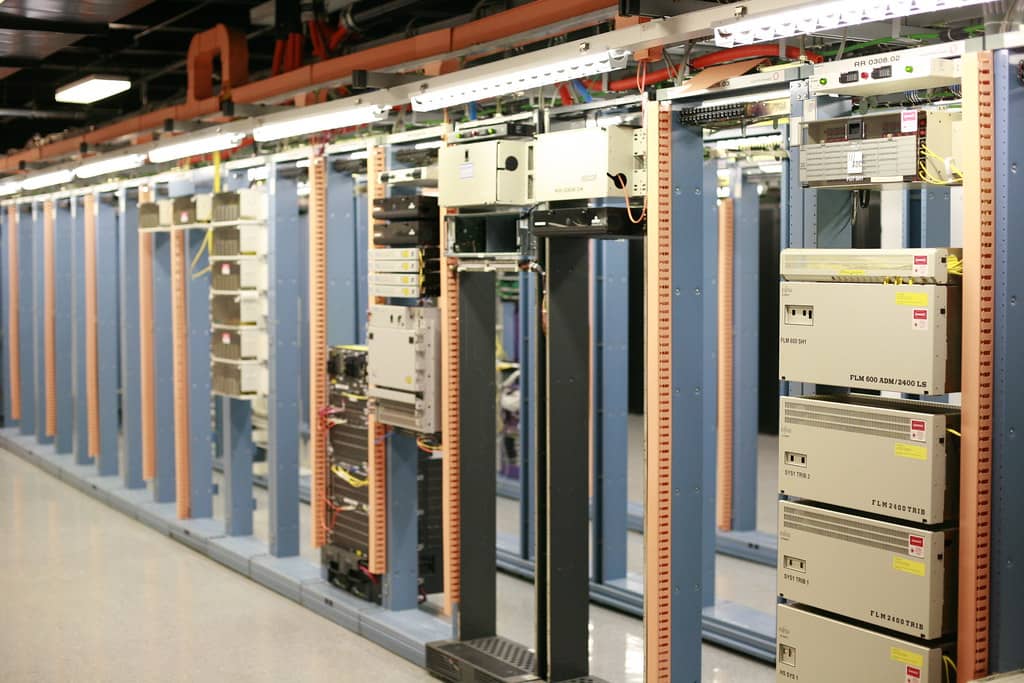
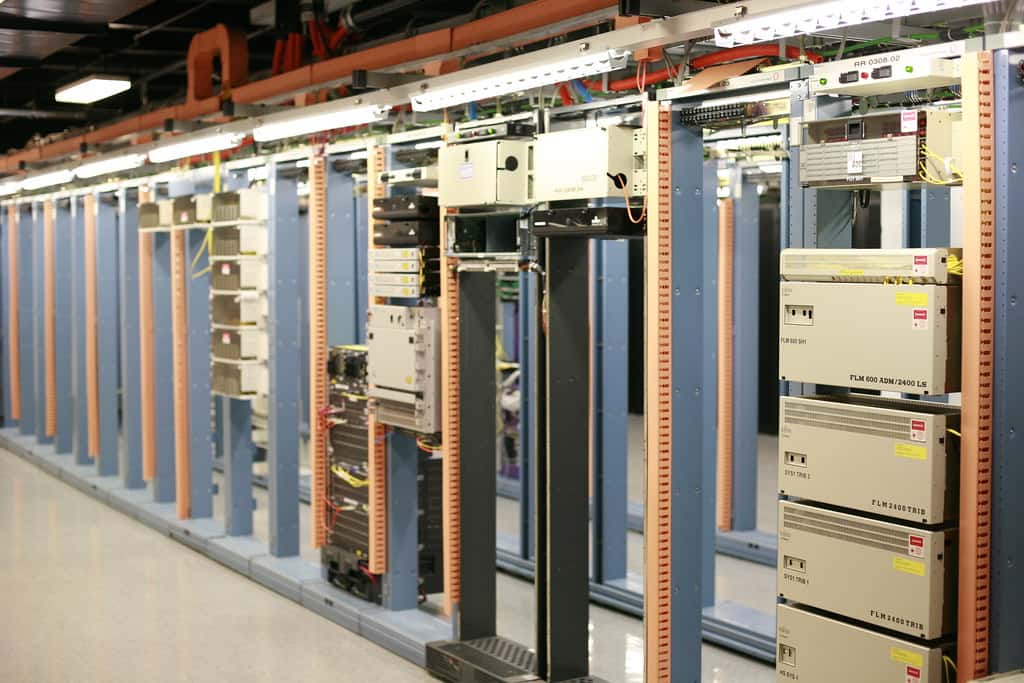
Data centers, the warehouse-sized buildings packed with servers that power cloud computing and AI, have become one of the most sought-after and most scrutinized categories of development in the country. They promise tax revenue and investment but consume enormous amounts of electricity and water, and Lakeland's move reflects a wave of caution rippling through Florida communities weighing whether and how to host them.
What the city directed
City officials instructed the city attorney to draft a one-year moratorium ordinance targeting large-scale data centers. A moratorium would temporarily halt the approval of new projects in that category, giving the city time to evaluate the implications and to craft regulations governing where and how such facilities can be built. The draft is slated to come back before the city for public hearings and a possible vote next month.
Moratoriums are a common land-use tool that local governments use when a fast-moving type of development outpaces their existing rules. By pressing pause, a city can avoid approving projects under outdated standards while it develops a more deliberate framework. The one-year window gives Lakeland room to study power and water demands, zoning, noise, and other factors before deciding how to proceed.
Why data centers draw scrutiny
The appeal of data centers to developers is clear: the explosive growth of AI and cloud services has created surging demand for computing capacity, and Florida's growing population and business base make it an attractive location. For host communities, the facilities can bring capital investment and property tax revenue. But the trade-offs have become increasingly apparent as the industry has expanded.
The central concern is electricity. Large data centers consume power on a scale that can rival small cities, and their appetite is growing as AI workloads intensify. That demand strains electric utilities and raises questions about whether the cost of new generation and grid upgrades will be borne by the data center operators or spread to other ratepayers. Lakeland is in a distinctive position because it operates its own municipal electric utility, meaning the city itself, and its utility customers, would feel the effects of a major new power draw directly.
Lakeland's municipal utility factor
Because Lakeland Electric is a city-owned utility, the prospect of hosting one or more large data centers carries implications that go beyond zoning. A facility with enormous power needs could require significant investment in generation and infrastructure, and city leaders must weigh whether and how to serve that load without burdening existing residential and commercial customers. The moratorium gives officials time to analyze those questions before committing.
Municipal utilities operate on behalf of their local customers, which gives city leaders both a stronger hand in negotiating with prospective data center developers and a greater responsibility to protect ratepayers. The decision to study a moratorium suggests Lakeland wants to understand the full cost and benefit equation before opening the door, rather than approving projects and confronting the consequences afterward.
A statewide and national trend
Lakeland is far from alone. Communities across Florida and the country have grappled with how to handle the data center surge, with some embracing the investment and others imposing moratoriums or strict conditions. The tension reflects a broader reckoning over the infrastructure demands of the AI era, as utilities and regulators confront load growth that few anticipated even a few years ago.
For Florida, the stakes are heightened by the state's rapid population growth, its summer cooling demands, and its exposure to extreme weather, all of which already pressure the electric grid. Adding large, around-the-clock industrial power consumers to that mix raises questions about reliability and cost that resonate well beyond any single city. Lakeland's deliberations are likely to be watched by other Florida communities facing similar proposals.
What it means for Lakeland residents
For residents and Lakeland Electric customers, the moratorium debate is fundamentally about cost and quality of life. The key questions are whether hosting data centers would put upward pressure on electric rates, whether the facilities would consume scarce water resources, and what they would mean for the character of the areas where they might be built. The one-year pause is intended to surface answers to those questions through public hearings and study.
The economic case will also feature in the discussion. Data centers tend to generate substantial property tax revenue and capital investment but relatively few permanent jobs compared with other types of development. Residents and officials will have to weigh that fiscal benefit against the energy and infrastructure demands, and the moratorium process gives the community a structured opportunity to do so.
What's next
The city attorney will draft the moratorium ordinance, which is expected to return for public hearings and a possible vote next month. Those hearings will give residents, business interests, and potential developers a chance to weigh in before the city decides whether to enact the pause. If approved, the one-year moratorium would halt new large data center approvals while Lakeland develops a longer-term regulatory framework.
The outcome will shape how one growing Central Florida city navigates a defining infrastructure question of the AI era. Whether Lakeland ultimately welcomes data centers under tailored rules, restricts them sharply, or charts a middle course, its approach could serve as a model, or a cautionary tale, for other Florida communities confronting the same surge in demand for computing power and the electricity that fuels it.
Spotted an issue with this article?
Have something to say about this story?
Write a letter to the editor