Manatee Death in the Florida Keys Renews Focus on Boat Strikes and Protection Zones
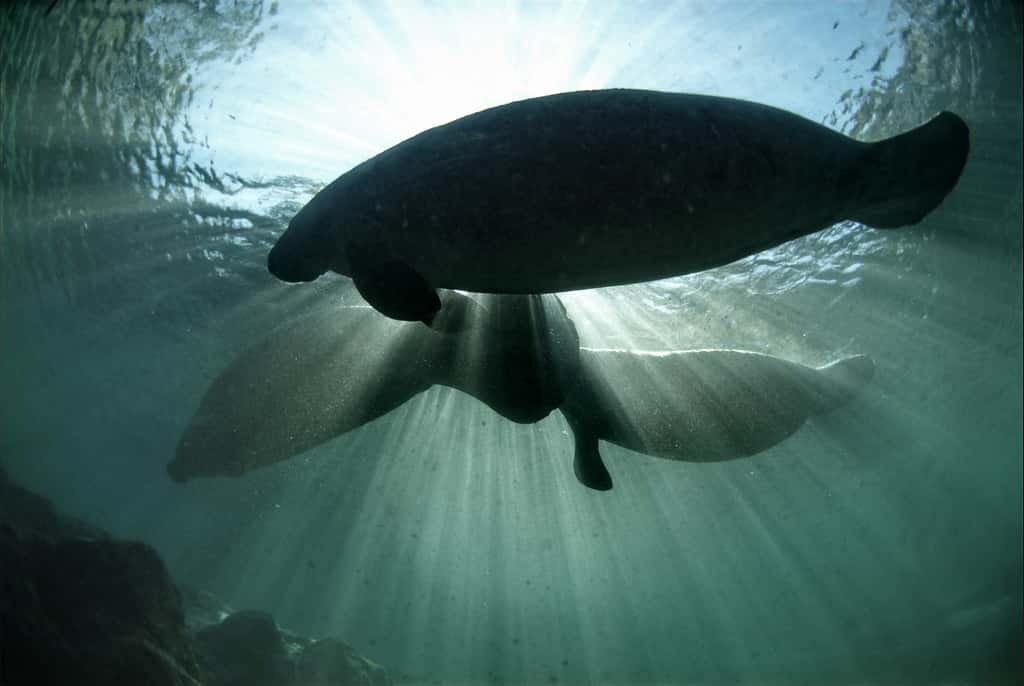
An adult manatee died after it was rescued in the Florida Keys following a suspected boat strike, wildlife officials said, a loss that renews attention on one of the leading causes of death for the beloved marine mammal. The Florida Fish and Wildlife Conservation Commission responded to the injured animal alongside a manatee rescue team, but the manatee did not survive, underscoring the continued threat that watercraft collisions pose to a species Floridians hold dear.
The death of a single manatee rarely stays a private matter in Florida, where the animals occupy an outsized place in the state's identity. Slow, gentle, and endlessly curious, manatees have become a symbol of the springs, rivers, and coastal shallows that define much of the peninsula. When one is lost to a boat strike, the incident tends to resonate well beyond the stretch of water where it occurred, reigniting a long-running conversation about how people and manatees can share the same crowded waterways safely.
What happened
Wildlife responders were called to assess an injured manatee in the Keys after it was found showing signs consistent with a boat strike. A rescue team worked with the state wildlife commission to reach and evaluate the animal, but the manatee ultimately died. Officials frequently perform examinations on manatees that die to determine a cause of death, and injuries consistent with watercraft collisions are among the most common findings statewide.
Rescuing an injured manatee is a delicate and labor-intensive undertaking. The animals are large and heavy, and reaching one in distress often requires a coordinated effort involving trained responders, specialized equipment, and careful handling to avoid adding to the animal's stress. Even when a rescue is carried out swiftly, the severity of a collision injury can leave little that responders are able to do, and some animals do not survive despite prompt attention.
The Keys are a popular destination for boaters and a stretch of coastline where manatees are frequently present, a combination that raises the risk of collisions, particularly in shallow waters where the slow-moving animals surface to breathe. The death is a reminder that even a single strike can be fatal for an animal that has little ability to quickly avoid an oncoming vessel.
Why the Keys pose particular risks
The waters around the Florida Keys draw heavy recreational boat traffic throughout much of the year, from anglers and divers to sightseers and personal watercraft. The same warm, shallow, seagrass-rich flats that make the region a magnet for boaters also provide the kind of habitat manatees favor, setting up a persistent overlap between vessel routes and the places the animals feed and rest.
Shallow water compounds the danger. Manatees spend much of their time near the surface and must come up to breathe, which places them squarely in the zone where a boat's hull and propeller travel. In murky or sun-glared conditions, an operator moving at speed may have only seconds to spot an animal, and by then it can be too late to change course or slow down.
The seasonal rhythms of the region add another layer of complexity. Periods of heavy visitor traffic can coincide with times when manatees move through an area, increasing the odds of an encounter. For boaters unfamiliar with local waters, the risk can be higher still, since they may not know where manatees tend to gather or where slow-speed zones apply.
Boat strikes and the toll on manatees
Watercraft collisions are consistently one of the leading identifiable causes of manatee deaths in Florida. Manatees move slowly, spend much of their time in shallow coastal waters and rivers, and must surface regularly to breathe, all of which place them directly in the path of boat traffic. Scars from propeller strikes are so common that researchers use the unique patterns to identify individual animals.
Beyond the immediate danger of a fatal blow, non-fatal strikes can leave manatees with severe injuries and long-term impairments. The cumulative toll of collisions, combined with other threats, has kept manatee conservation a persistent priority for state and federal wildlife agencies and a subject of intense public interest in Florida, where the manatee is an iconic symbol of the state's waterways.
The biology of the manatee helps explain why collisions are so often serious. The animals have no natural predators to speak of and did not evolve to dodge fast-moving threats, so their instinct to slowly drift or dive offers little protection against a vessel bearing down on them. Their large bodies also make it difficult for them to move out of harm's way quickly, particularly in the confined shallows where boats and manatees are most likely to meet.
Repeated injuries can shape the life of an animal that survives an initial strike. Wounds may heal slowly, and scarring can accumulate over the years, a visible record of how frequently the paths of boats and manatees cross. For wildlife biologists, that record is a stark measure of a threat that has proven stubbornly difficult to eliminate even as protections have expanded.
Protection zones and speed limits
To reduce collisions, Florida designates manatee protection zones in areas where the animals congregate, imposing seasonal or year-round speed limits on boaters. The Florida Fish and Wildlife Conservation Commission periodically updates and maintains these zones, and has been carrying out work to install and replace waterway markers that alert boaters to slow-speed areas and boating safety zones.
Officials say clear, well-maintained signage is essential to the effectiveness of the zones, since boaters cannot comply with limits they cannot see. Enforcement of speed rules, public education, and properly marked waterways all factor into the state's strategy for cutting down on strikes. Boaters are urged to obey posted speed limits, wear polarized sunglasses to spot animals below the surface, watch for the telltale swirl of a manatee's tail known as a footprint, and stay in marked channels where deeper water is less likely to hold surfacing manatees.
Slow-speed rules do more than give operators additional time to react. A vessel moving at a reduced speed sits lower and produces less forceful contact if a collision does occur, which can mean the difference between a survivable injury and a fatal one. The zones are designed with that principle in mind, targeting the places and times where manatees and boats are most likely to overlap.
Keeping the network of markers and signs in good repair is an ongoing task in a marine environment that is hard on equipment. Sun, salt, storms, and constant exposure to the elements wear down signage over time, and faded or missing markers can leave boaters unaware that they have entered a protected area. Regular maintenance and replacement of those markers is part of what keeps the zones functioning as intended.
A species that has rebounded but remains vulnerable
The Florida manatee has been the focus of one of the state's most closely watched conservation efforts. The population recovered substantially over past decades thanks to protection measures, and the animal's status has been the subject of ongoing debate among regulators, scientists, and advocates. Even with the long-term rebound, manatees remain vulnerable to a range of threats beyond boat strikes.
In recent years, wildlife officials have grappled with elevated manatee deaths tied to the loss of seagrass, a primary food source, particularly along the Atlantic coast where water quality problems have degraded the underwater meadows the animals depend on. That crisis, combined with the steady threat of watercraft collisions, has kept manatee mortality a central concern for those working to protect the species.
The layering of threats is what makes the manatee's situation so fraught. An animal weakened by a scarce food supply may be less able to recover from an injury, and a population already under strain has less margin to absorb losses from collisions. Conservationists often stress that no single measure will secure the manatee's future, and that progress depends on addressing the animals' habitat, food supply, and safety together rather than in isolation.
How the public can help
Wildlife officials encourage the public to play an active role in protecting manatees. Anyone who spots an injured, sick, distressed, or dead manatee is urged to report it promptly to the state wildlife commission's hotline so responders can assess the animal quickly. Fast reporting can improve the odds of survival for injured animals and helps biologists track threats and mortality patterns across the state.
Boaters are also reminded that feeding or giving water to manatees is prohibited and can harm the animals by encouraging behavior that draws them toward boats and marinas. The simplest and most effective protection, officials say, is slowing down in areas where manatees are present and staying alert for the animals near the surface.
Small habits can add up to meaningful protection. Operators who take a moment to scan the water ahead, keep to marked channels, and cut their speed when conditions make it hard to see below the surface reduce the chance of a collision for every manatee in the area. Sharing that awareness with other boaters, and setting an example for less experienced operators, extends the benefit beyond any single trip on the water.
What comes next
The death in the Keys is likely to add to the running tally that wildlife officials track each year as they monitor the health of the manatee population. Each loss feeds into a broader picture that guides decisions about protection zones, speed limits, and conservation priorities across Florida's coasts and inland waterways.
For a state where manatees draw tourists, inspire conservation campaigns, and hold a special place in the public imagination, the incident is a sobering reminder that everyday boat traffic remains a serious hazard for the animals. As the state continues to update protection zones and replace waterway markers, wildlife officials are counting on boaters to do their part by slowing down and keeping watch for the gentle giants that share Florida's waters.
The path forward, officials suggest, runs through the choices made by the people who use Florida's waterways every day. Rules, markers, and enforcement set the framework, but it is the moment-to-moment attention of individual boaters that most directly determines whether an encounter ends safely. In that sense, the responsibility for protecting the manatee is shared widely, resting not only with agencies and advocates but with everyone who takes a boat out onto the water the animals call home.
Spotted an issue with this article?
Have something to say about this story?
Write us a letterComments
No comments yet. Be the first to weigh in.
Related Coverage
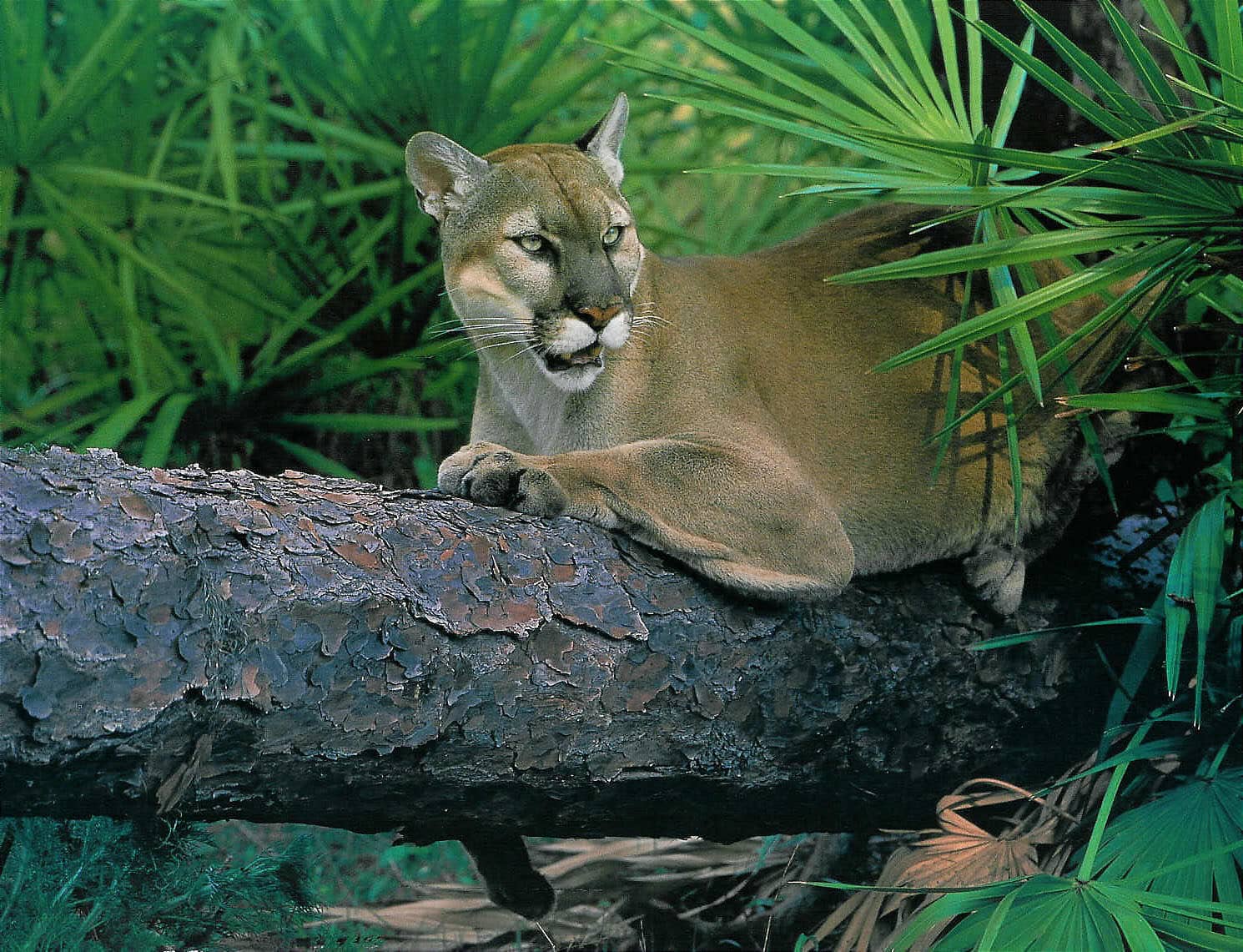
Florida Panther Deaths Reach 14 in 2026 as Two Young Females Die on Collier and Hendry Roads
3d ago

71-Year-Old Man Killed by Nearly 12-Foot Alligator While Fishing at Winter Garden Park
5d ago

Extreme Drought Vanishes From Florida Map After a Week of Rain
5d ago

Record Sargassum Season Fades as Key West and UM Researchers Prepare for the Next Wave
Oct 11