Miami Marlins Catch Fire in June Behind Their Young Core
The Miami Marlins put together a hot stretch in June 2026, stringing together encouraging results behind a young, cost-controlled roster that has begun to show real signs of life. After a slow climb earlier in the year, the team carried a record around 30-35 in early June and used a strong run of play to build momentum, a development that gave a rebuilding South Florida club genuine reason for optimism.
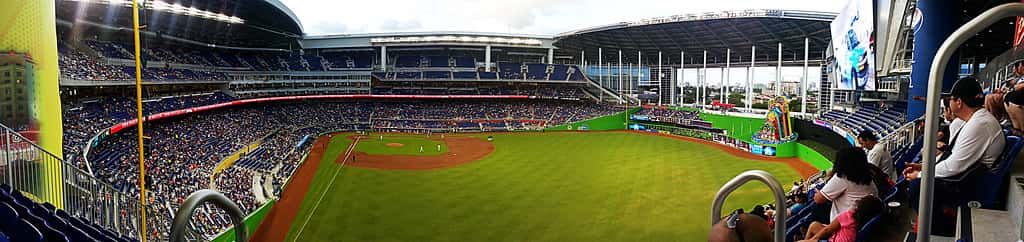
The surge was anchored by a home series against the Tampa Bay Rays at loanDepot park, a cross-state matchup that produced two of the team's most satisfying victories of the stretch. Contributions came from across the roster, with young players and veterans alike playing roles in the wins, exactly the kind of balanced effort a developing club hopes to sustain.
For a franchise built around a wave of young, controllable talent, momentum matters as much as the standings. A hot June offered evidence that the pieces the organization has assembled can come together, and it gave fans in South Florida something to follow as the season moved toward its midpoint.
Rebuilds are measured less by where a team sits in June than by the trajectory it establishes, and the Marlins' recent play suggested an upward arc. A record around 30-35 still left the club below .500, but the gap had narrowed through the strong stretch, and the manner of the wins offered as much encouragement as the results themselves. For a young roster, learning how to win is part of the process, and June provided lessons in exactly that.
A Statement Series Against the Rays
The highlight of Miami's June run came against Tampa Bay at loanDepot park, where the Marlins took back-to-back games from a strong Rays club. On June 6, Miami won 4-3 in a tight contest decided by timely hitting and a clean finish at the back of the game. The following day, June 7, the Marlins followed with a more comfortable 4-1 victory.
Beating a Tampa Bay team that has consistently contended in the American League carried added weight for a rebuilding club. Series wins against quality opponents are the kind of results that signal progress, and taking consecutive games from the Rays gave the Marlins a measure of validation as their young core continued to develop.
The two-game burst also fed the broader sense of momentum surrounding the team. For a club climbing out of an early-season hole, stacking wins against a respected opponent is precisely the type of stretch that can shift a season's trajectory and build confidence within the clubhouse.
The cross-state nature of the series gave the games extra meaning for fans across Florida. Matchups between the Marlins and the Rays pit the state's two major league franchises against each other, and for a Miami club eager to prove it belongs in conversations with established contenders, beating Tampa Bay on home turf delivered a satisfying answer. The wins were a reminder that a developing roster can challenge anyone on a given night.
Javier Sanoja's Standout Night
The June 6 victory featured a standout performance from Javier Sanoja, who homered and added two singles in a three-hit night that powered the Marlins to their 4-3 win. A multi-hit game with a home run is the kind of all-around showing that highlights the promise of Miami's younger players and the upside the organization is counting on.
Performances like Sanoja's are central to the Marlins' approach. A rebuild built on cost-controlled talent depends on young hitters establishing themselves and delivering in meaningful moments, and a three-hit night against a contending team is exactly the sort of contribution that fuels both wins and long-term belief.
For the Marlins, the value of such nights extends beyond a single box score. Each strong showing from a developing player adds to the evidence that the roster is maturing, and the accumulation of those performances is what ultimately turns a rebuilding club into a competitive one.
Tyler Zuber's First Career Save
The June 6 win also produced a memorable milestone in the bullpen, as Tyler Zuber earned his first career save to close out the 4-3 victory. Securing a first save in a one-run game against a strong opponent made the moment all the more notable, and it added a personal achievement to the team's collective success.
Reliable late-inning relief is a critical ingredient for any team hoping to win close games, and a developing club benefits enormously from finding arms that can handle high-leverage situations. Zuber's save, recorded in a tight contest, offered an early sign of a reliever stepping into an important role.
Milestones like a first career save also reflect the broader theme of Miami's season: young and emerging players seizing opportunities. As the Marlins sort through their roster and identify who can contribute to the next competitive team, moments like Zuber's help define the group's evolving identity.
Sandy Alcantara Back in the Rotation
One of the more significant developments for Miami has been the presence of right-hander Sandy Alcantara back in the rotation. A former centerpiece of the staff, Alcantara gives the Marlins a recognizable arm at the front of their pitching plans, and his return adds stability to a young roster.
His numbers at that point in the season reflected a pitcher working through his outings, with a record around 4-4 and an ERA in the neighborhood of 4.59. Those figures should be treated as approximate, and they capture a season still in progress rather than a final verdict. For a team in Miami's position, simply having Alcantara taking the ball regularly is meaningful.
A healthy, established starter offers more than innings. He can anchor a rotation, set an example for younger pitchers, and provide the kind of dependable presence that helps a developing club compete on a more consistent basis. As the Marlins build toward contention, Alcantara's role remains a focal point of the staff.
How his season unfolds from here will be one of the storylines worth tracking. If he rounds into form, he strengthens both the rotation and the team's competitive ceiling, and he gives Miami a steadying influence as the younger arms around him continue to develop.
There is also a roster-building dimension to Alcantara's presence. For a cost-controlled team, an established starter performing well is among the most valuable assets in the sport, both for what he provides on the mound and for the flexibility he affords the front office. A productive Alcantara raises Miami's floor in 2026 and gives the organization options as it plots its longer-term path.
Building Around a Young Core
The throughline of the Marlins' season is a roster built around young, cost-controlled players. That construction is the foundation of the club's rebuild, prioritizing controllable talent that can grow together and form the basis of a sustainable contender rather than relying on expensive short-term additions.
A hot June fits naturally into that framework. When a young roster starts winning, the victories carry developmental value beyond the standings, offering inexperienced players the chance to perform in meaningful games and to learn how to close out tight contests. The wins over Tampa Bay served exactly that purpose.
With a record around 30-35 in early June and the team climbing, the Marlins were not yet a finished product, but the trajectory pointed upward. For a rebuilding club, that direction matters: signs of life from a young core can validate an organizational plan and lay the groundwork for the seasons to come.
The Marlins' model echoes an approach familiar across the sport, in which patience and player development take precedence over immediate, expensive fixes. The payoff arrives gradually, as young players mature into reliable contributors and a roster gains cohesion. A hot June, viewed through that lens, represents an early dividend rather than a final result, a glimpse of what the group could become as it grows together.
The encouraging stretch also sharpens the questions facing the front office. Strong play can prompt a team to weigh whether to push forward or to stay the course of a measured build. For the Marlins, the priority remains development, but momentum has a way of raising expectations, and a young core that keeps winning will draw growing attention to how the organization manages its ascent.
The Florida Stakes
For South Florida, a Marlins team showing signs of life adds a fresh dimension to the region's baseball summer. A rebuilding club climbing the standings and beating quality opponents gives local fans a reason to engage, especially when the wins come at loanDepot park against a respected cross-state rival.
The appeal of a young roster is the sense of possibility it carries. Following emerging players as they establish themselves can be as compelling as chasing a pennant, and the Marlins' June surge offered glimpses of the talent the organization hopes will anchor future contenders.
A competitive stretch also strengthens the connection between the team and its community. As the Marlins continue to develop their core, a hot June provides momentum not only on the field but in the broader effort to build interest around a club working its way back toward relevance.
What's Next
The schedule ahead will reveal whether Miami can sustain its June momentum. A rebuilding team's progress is rarely linear, and the coming weeks will test whether the young core can maintain its production and continue stacking the kind of results that defined the early-June stretch.
Much will hinge on continued development from the roster's emerging players and steady contributions from established arms like Alcantara. If the Marlins can pair quality starting pitching with the timely hitting and late-inning relief that fueled their wins over Tampa Bay, they can keep building on a promising stretch.
Consistency will be the test. A rebuilding team often shows flashes before it shows staying power, and the months ahead will measure whether Miami can turn a hot stretch into sustained competitiveness. Avoiding prolonged slumps, getting healthy innings from the rotation, and continuing to develop its young hitters will all factor into whether the June surge becomes a turning point or a brief high.
For now, the Marlins head into the rest of the season carrying genuine momentum. With a young, cost-controlled roster climbing from a record around 30-35 and signs of life across the lineup and pitching staff, the team has given South Florida a reason to watch as it continues its push forward.
Spotted an issue with this article?
Have something to say about this story?
Write a letter to the editor