New College Takes Over USF Sarasota-Manatee Campus in Contested Transfer
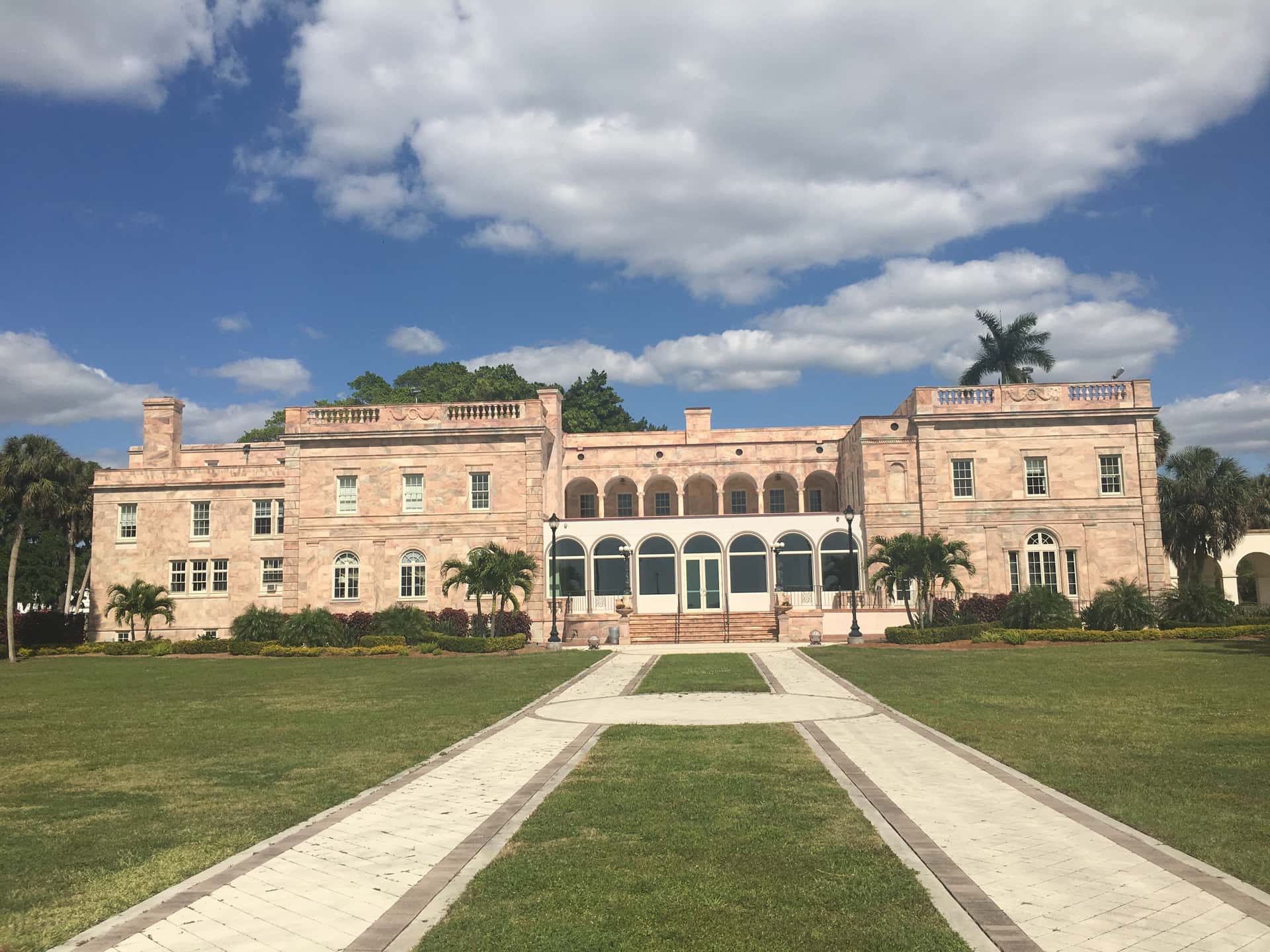
The University of South Florida's Sarasota-Manatee campus has changed hands, transferred to New College of Florida under a state budget deal that took effect at the start of the fiscal year. The move hands New College a 32-acre campus and its buildings while assigning the small honors college a substantial debt obligation, capping a contentious process that unfolded over the spring.
The transfer, approved by the Florida Legislature in May and finalized in the budget signed by the governor, shifts all facilities on the Sarasota-Manatee campus, including an in-progress STEM building valued at $6.5 million, to New College effective July 1. The deal is one of the more consequential reorganizations in Florida's public higher-education system in recent years.
For students, faculty, and staff, the change has raised practical questions about continuity, funding, and identity. State leaders have framed the transfer as a way to strengthen New College and consolidate resources, but the arrangement has generated uncertainty on a campus that until recently operated as part of the much larger USF system.
What the transfer includes
Under the budget deal, New College received the physical campus and its buildings, including the STEM facility under construction. The transfer covers the land and structures that made up the Sarasota-Manatee campus, giving New College a significantly larger physical footprint than it had previously maintained as a compact liberal-arts institution.
Notably, the transfer does not include everything associated with USF's operations there. Students, employees, and academic programs are not part of the handover, nor is the funding USF received from the Legislature, its computers and equipment, intellectual property, records, insignia, or even the bull mascot statue. The result is a transfer of real estate more than of an operating campus.
That distinction shapes what New College actually gained. Rather than absorbing a functioning branch campus with its faculty and students intact, the college acquired facilities that it will need to staff, program, and integrate into its own mission. The separation of buildings from people and programs has been among the more complex aspects of the arrangement.
The financial obligations
The transfer came with a significant financial condition. New College must assume responsibility for roughly $53 million of USF debt by December, and if it fails to do so, the deal is nullified. Part of that obligation stems from debt tied to newer student housing on the campus, which New College will now carry.
To manage that burden, the arrangement calls for New College to make payments to USF, reported at about $167,000 per month, to cover debt associated with new student dormitories. The recurring payments underscore the scale of the financial commitment involved and the pressure on New College to make the newly acquired facilities pay off.
For an institution of New College's size, the debt represents a meaningful undertaking. The college has been the focus of a high-profile state effort to reshape its mission and expand its enrollment, and the acquisition of the Sarasota-Manatee campus fits into that broader push, but it also raises the financial stakes for a school still in the midst of transformation.
Protections for current students
State officials built in protections meant to shield students already enrolled at the Sarasota-Manatee campus from disruption. USF students who were admitted to or enrolled at the campus before July 1 will be able to keep Sarasota-Manatee as their home campus, retain priority access to facilities, and complete their degrees with what officials described as minimal disruption.
Those assurances were designed to address anxiety among students who had chosen USF and suddenly found their campus changing hands. The ability to finish a USF degree on the same campus, even as ownership shifts to New College, was a central concern during the legislative debate and the months of uncertainty that followed.
Still, the practical experience of studying on a campus in transition remains to be seen. Managing shared facilities between two institutions, one operating a teach-out for existing students and the other building new programs, presents logistical challenges that will play out over the coming academic years as the arrangement is implemented.
A campus in transition
The takeover caps a period of uncertainty that hung over the Sarasota-Manatee campus through the spring. As the legislative deal moved forward, students and employees faced open questions about their futures, and the campus operated under a cloud of ambiguity about what the transfer would mean in practice.
The reorganization reflects broader ambitions for New College, which has been at the center of a state-driven effort to remake the institution. Expanding its physical capacity through the acquisition of an established campus aligns with goals of growing enrollment and raising the college's profile, though the transition period will test the school's ability to absorb the new responsibilities.
For USF, the loss of the Sarasota-Manatee campus reshapes its regional presence even as it retains its programs, employees, and students there for the duration of the teach-out. How the two institutions coordinate during that overlap will determine how smoothly the transition unfolds for the people who study and work on the campus.
The remaking of New College
The acquisition of the Sarasota-Manatee campus fits into a larger effort to reshape New College of Florida, an institution that has been at the center of a state-driven transformation. That effort has aimed to remake the small honors college, expand its enrollment, and reorient its identity, and the campus takeover represents one of the more concrete steps in that broader project.
Expanding the college's physical footprint through an established campus provides room for the growth that state leaders have envisioned. A larger campus with additional facilities, including the new STEM building, offers capacity that a compact institution would otherwise struggle to develop on its own, positioning New College to pursue the enrollment gains that are central to its remaking.
Whether the acquisition advances those goals will depend on execution. Absorbing a campus, managing its debt, and building new programs are complex undertakings, and the college's ability to turn the acquired facilities into a driver of academic strength and enrollment will help determine whether the transformation achieves what its architects intended.
Reaction and uncertainty
The transfer has generated a range of reactions across the Sarasota and Bradenton communities and within the higher-education system. For some, the reorganization represents an opportunity to strengthen a regional institution and expand educational options, while for others it has raised concerns about disruption and the loss of the campus's identity as part of USF.
Faculty, staff, and students who built their plans around USF's presence have faced uncertainty throughout the process, and the exclusion of employees and programs from the transfer has added to the questions about what the change will mean in practice. Managing that human dimension, alongside the financial and logistical challenges, remains a central task of the transition.
Local leaders and residents have a stake in how the campus evolves, given its role as an educational and economic anchor in the region. The community will be watching to see whether the transfer preserves and enhances access to higher education or whether the disruption of the changeover outweighs the benefits its supporters have promised.
A test for Florida higher education
The transfer represents an unusual maneuver within Florida's public higher-education system, in which a campus is moved from one institution to another through a budget deal. Such reorganizations are rare, and the outcome of this one will be watched as a potential model or cautionary tale for how the state manages its universities and colleges.
The arrangement raises broader questions about the coordination of resources across the state's institutions and the role of the Legislature in shaping their structure. By directing the transfer through the budget, lawmakers exercised significant influence over the configuration of higher education in the Sarasota region, illustrating the reach of legislative decisions into the operations of individual campuses.
How smoothly the transition unfolds will offer lessons for any future efforts to reorganize institutions. The complexity of separating facilities from programs and people, managing debt, and preserving educational continuity for students demonstrates the challenges inherent in such moves, and the experience will inform how the state approaches similar decisions down the road.
For the institutions involved, the transfer tests their capacity to manage change while maintaining their core missions. New College must absorb and integrate the campus while pursuing its transformation, and USF must manage the teach-out for its remaining students, and the ability of both to navigate those tasks will shape perceptions of whether the reorganization succeeded.
The regional dimension
For the Sarasota and Bradenton region, the campus represents an important educational and economic asset regardless of which institution operates it. A university presence supports the local economy, provides educational opportunities for residents, and contributes to the character of the community, giving local stakeholders a significant interest in how the transfer unfolds.
The change in ownership raises questions about how the campus will serve the region going forward, including what programs will be offered and how accessible they will be to local students. As New College integrates the facilities into its mission, the community will be attentive to whether the reorganization enhances or diminishes the educational options available in the area.
The regional stakes extend to the workforce and the local institutions that interact with the campus, from employers who hire graduates to organizations that partner with the university. How the transition affects those relationships will shape perceptions of the transfer in the community, adding a local dimension to a reorganization driven by decisions made in Tallahassee.
What comes next
The most immediate milestone is the December deadline for New College to assume the roughly $53 million in debt, a condition that must be met to keep the transfer intact. That looming date gives the arrangement a defined test in the near term, and its outcome will shape the campus's future.
Beyond the financial mechanics, the coming years will reveal how New College uses its expanded footprint. Whether the college can turn the acquired facilities, including the new STEM building, into a driver of enrollment and academic strength will help determine whether the transfer achieves the goals its supporters set for it.
For the Sarasota and Bradenton communities, the campus remains an important local institution regardless of which university's name is on the buildings. Residents, prospective students, and local leaders will be watching to see how the transition affects access to higher education in the region and whether the reorganization delivers the benefits state leaders promised.
Spotted an issue with this article?
Have something to say about this story?
Write us a letterComments
No comments yet. Be the first to weigh in.
Related Coverage

Lt. Gov. Jay Collins Says Florida Will Cover School Funding Lost as Immigration Crackdown Shrinks Enrollment
2h ago

Broward School Board Weighs Next Round of Closures as Empty Seats Reach 61,000
4h ago

Boy dies after 120-pound display board falls on him at Palm Bay's Riviera Elementary
1d ago
Pinellas pulls Sexton Elementary from closure list as six schools face Oct. 13 vote
1d ago