Federal Appeals Court Rejects Florida's Challenge to College Accreditation System
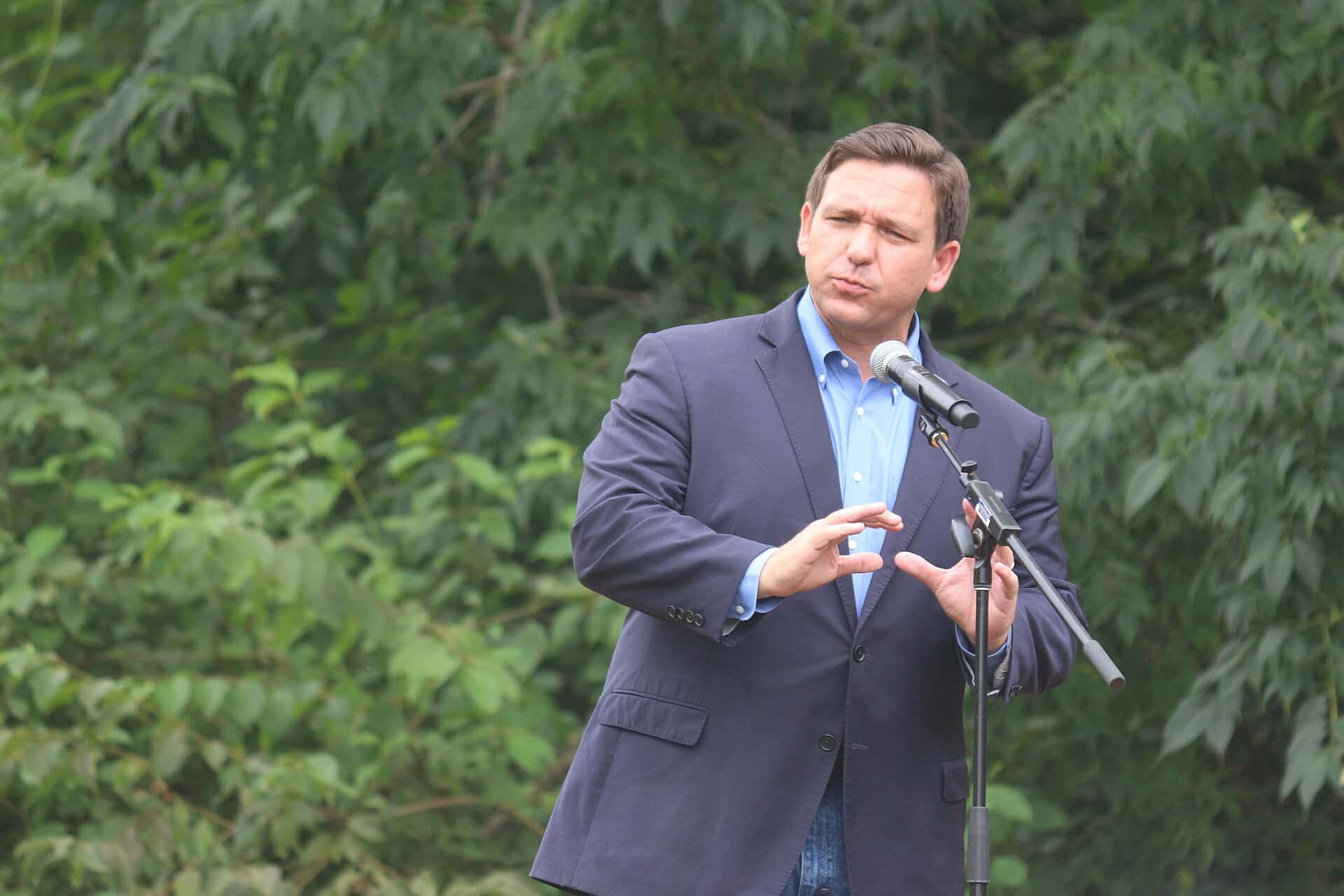
A federal appeals court on Monday, July 6, 2026, rejected the state of Florida's constitutional challenge to the federal system of college accreditation, affirming a lower court's 2024 dismissal of the case. The ruling leaves in place the existing accreditation framework that governs Florida's public universities and their eligibility for federal student aid. The decision brings to a close, at least at this stage, a legal fight that the DeSantis administration first launched in 2023 as part of a broader campaign to reshape how higher education is overseen in the state.
Accreditation is the quality-assurance process that certifies whether a college or university meets recognized standards, and it functions as the gateway to billions of dollars in federal financial aid. For Florida's 12 public universities, the ruling means the current accreditors and the rules they enforce remain the operating reality. The state had argued that the federal framework improperly constrained its authority over its own institutions, but the appeals court did not accept that argument, affirming the earlier dismissal rather than reviving the case for trial.
The outcome is a setback for a signature effort of the DeSantis administration, which has spent several years pressing to loosen the grip of national accrediting bodies and to give public universities more freedom to choose among accreditors. The decision does not end the state's broader push to remake higher education, but it forecloses one of the central legal avenues Florida had pursued to challenge the system directly.
What the Court Decided
The appeals court affirmed a lower court's 2024 dismissal of the lawsuit, meaning it agreed that the case should not proceed. Rather than ordering a new trial or sending the matter back for further proceedings, the court left the dismissal standing, which keeps the federal accreditation framework fully in effect for Florida's public universities. The ruling represents an endorsement of the earlier judicial conclusion that the state's constitutional claims did not warrant advancing.
Florida had framed its challenge in constitutional terms, contending that the federal accreditation system encroached on the state's authority to govern its own public institutions. The state of Florida filed the suit in 2023, and it advanced through the courts as part of the DeSantis administration's wider offensive against national accrediting bodies. With Monday's decision, the courts have now twice declined to accept the state's position, first at the district level and now on appeal.
The practical effect is that nothing changes in the near term for how Florida's public universities are accredited. The accreditors that currently certify those institutions retain their role, and the standards they apply continue to govern the universities' eligibility for federal programs. The ruling settles the immediate legal question while leaving the underlying policy dispute very much alive in other arenas.
Why Accreditation Matters
Accreditation is the mechanism by which colleges and universities demonstrate that they meet recognized standards of quality and accountability. Independent accrediting bodies, recognized under the federal framework, evaluate institutions on measures such as academic programs, governance, and financial stability. Without accreditation from a recognized body, an institution cannot participate in the federal student aid programs that many students rely on to afford their education.
That link between accreditation and federal aid is what gives the system its weight. Federal student aid, including grants and loans, flows only to students at accredited institutions, which makes accreditation a practical necessity rather than a mere formality. For a large public university system, the stakes are considerable, because a loss of recognized accreditation would jeopardize the aid that a significant share of students use to pay tuition and expenses.
The system is designed to protect students and taxpayers by ensuring that institutions receiving federal dollars meet baseline standards. Critics, including the DeSantis administration, have argued that the accrediting bodies have accumulated too much influence over institutional decisions and have used their standards to advance requirements the state opposes. Supporters counter that independent accreditation is a safeguard against declining quality and a check that keeps federal aid tied to legitimate educational outcomes.
Florida's 12 Public Universities
Florida operates a public university system made up of 12 institutions serving hundreds of thousands of students across the state. These universities depend on accreditation to maintain their standing and to keep their students eligible for federal financial aid. The ruling ensures that this arrangement continues without disruption, at least for now, preserving the status quo that has governed the institutions for years.
For students and families, the immediate significance of the decision is stability. The universities remain accredited under the existing framework, and the federal aid that students receive is not affected by the ruling. Any change to which accreditors oversee the institutions, or to the standards they must meet, would have carried potential consequences for that aid, so the preservation of the current system removes a source of uncertainty.
The universities themselves have operated throughout the litigation under the existing accreditors, and the ruling confirms that they will keep doing so. Administrators, faculty, and students have a clearer picture of the regulatory environment as a result, even as the broader political debate over accreditation continues. The decision draws a line under one question while leaving the larger direction of state higher-education policy to unfold through other means.
The DeSantis Campaign Against Accreditors
The lawsuit was one piece of a sustained effort by the DeSantis administration to reduce the power of national accrediting bodies over Florida's public universities. As part of that campaign, the state has pushed to let public universities switch accreditors rather than remain tied to a single body, arguing that greater choice would introduce competition and loosen the influence of any one organization. That push has proceeded on multiple fronts, of which the legal challenge was one.
The administration has also been sharply critical of accreditors over diversity requirements, contending that accrediting standards have been used to impose diversity-related expectations that the state opposes. This criticism has been a recurring theme in the administration's public statements and policy moves, and it reflects a broader disagreement over the role that accreditors should play in shaping institutional priorities. The state has cast the fight as a matter of restoring its own control over its universities.
Monday's ruling does not resolve those underlying disagreements. It closes off the constitutional challenge as a legal strategy, but the administration's efforts to enable accreditor switching and to contest diversity-related standards continue through legislation and administrative action. The campaign against national accrediting bodies remains active even as this particular case reaches its end.
Federal Aid on the Line
The connection between accreditation and federal student aid is at the heart of why the case matters so much for Florida. Because recognized accreditation is a prerequisite for participation in federal aid programs, any disruption to a university's accredited status could put at risk the grants and loans that students depend on. The ruling's preservation of the existing framework means that this critical link remains intact for Florida's public universities.
Had the state prevailed in a way that unsettled the accreditation system, questions could have arisen about how the transition would affect aid eligibility during any period of change. Switching accreditors, a goal the state has pursued separately, is a process that must be managed carefully to avoid gaps that could threaten aid. The stability confirmed by the ruling avoids, for the moment, the complications that a more abrupt shift might have introduced.
For the many Florida students who rely on federal aid to attend a public university, the practical bottom line is continuity. The financial support they receive is tied to their institutions' accredited standing, and that standing is unchanged by the decision. The ruling therefore protects, in the short term, an arrangement on which a large number of students and families depend.
A Broader Fight Over Higher Education
The accreditation lawsuit sits within a larger effort by Florida to reshape higher education according to the priorities of the DeSantis administration. That effort has spanned governance, curriculum, and the influence of outside bodies over public institutions, with accreditation representing one especially consequential battleground. The state's willingness to mount a constitutional challenge underscored how central the issue has been to its higher-education agenda.
The push to let universities switch accreditors reflects the administration's belief that breaking the hold of any single accrediting body would give the state more room to steer its institutions. Combined with its criticism of diversity requirements, the strategy has aimed at loosening what the administration views as external constraints on state authority. The legal defeat narrows the toolkit but does not alter the goals that have driven the campaign.
Because the ruling leaves the existing framework in place, the balance of power between the state and the accreditors remains where it has been. Florida's ability to reshape higher education through other channels, including legislation and administrative measures, is unaffected, but its attempt to overturn the federal system in court has not succeeded. The larger contest over the direction of the state's universities continues on those other fronts.
What's Next
The immediate question is whether the state will pursue further appeals or shift its energy entirely to legislative and administrative strategies. The affirmation of the dismissal narrows the legal options, and it remains to be seen, tentatively, whether Florida will seek additional review or accept the ruling as the end of this particular case. The state has not indicated a definitive course, and its next move will signal how it intends to proceed after the setback.
Regardless of any further appeal, the administration's separate push to enable accreditor switching and to contest diversity-related standards is likely to continue through other means. Those efforts do not depend on the outcome of the lawsuit, and they represent the more durable elements of the campaign to reshape oversight of Florida's public universities. The coming months may bring new legislative or administrative steps on those fronts.
For Florida's 12 public universities and their students, the near-term reality is stability under the existing accreditation framework, with federal aid eligibility preserved. The longer-term direction will depend on how the broader fight over higher education unfolds and on whether the state finds new avenues to advance goals that the courts have now declined to endorse. For now, the accreditation system that governs Florida's public universities stands unchanged.
Spotted an issue with this article?
Have something to say about this story?
Write us a letterComments
No comments yet. Be the first to weigh in.
Related Coverage

Every Florida Child Now Has a Trump Account, but Parents Must Claim It to Unlock the $1,000
3h ago

Businessman Samir Handal Pleads Not Guilty in Miami as Federal Case Over Haitian President's Assassination Expands
4h ago

Panhandle Roads and Bridges Reopen After Isaias, but Pensacola and Okaloosa Airports Stay Closed
1d ago

Ex-CIA official pleads guilty in $194 million fraud, will forfeit $102 million in Palm Beach and Hobe Sound real estate
1d ago