DeSantis Signs $117.6 Billion Florida Budget With About $810 Million in Vetoes
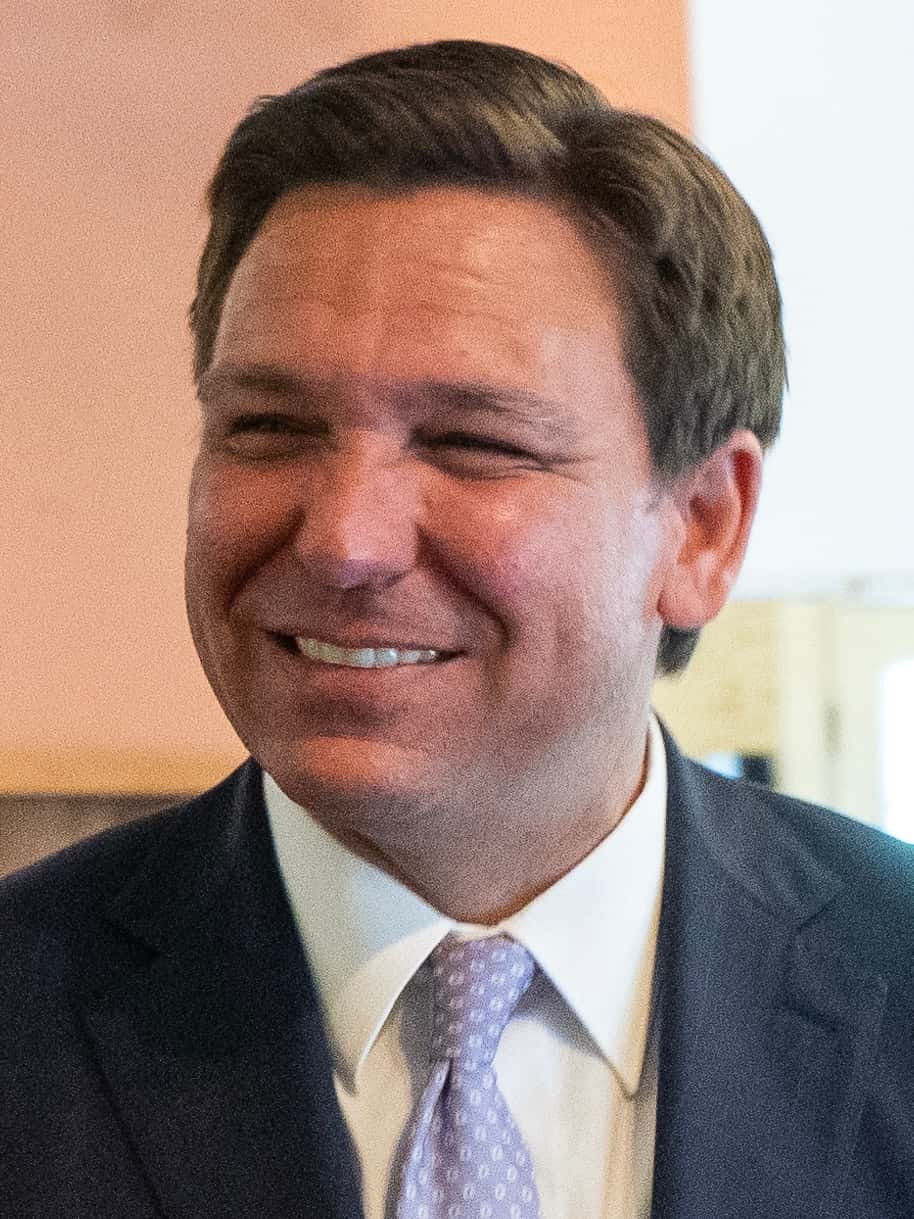
Gov. Ron DeSantis signed Florida's Fiscal Year 2026-2027 state budget on June 29, 2026, approving a $117.6 billion spending plan while striking about $810 million in line-item vetoes, in what stands as his eighth and final budget before he leaves office. The governor signed the measure, House Bill 5001E, at Hillsborough Community College in Tampa, framing the plan as a continuation of what his administration describes as a disciplined fiscal record. The budget took effect July 1, 2026, marking the start of the new fiscal year and setting the terms for state services, taxpayer relief, and reserves across Florida for the next twelve months.
The signing carries added weight because it is the last budget DeSantis will craft as governor. His administration used the moment to emphasize what it calls the fourth consecutive year of declining state spending, a claim it presents as evidence of restraint even as the overall budget remains one of the largest in state history. For Floridians, the plan determines funding for schools, roads, environmental restoration, and public safety, along with the tax holidays and cash reserves that shape household budgets and the state's long-term financial position.
Alongside the line-item vetoes within the main budget, DeSantis also rejected a companion bill that would have committed the state to decades of spending on corrections construction. The vetoes, both inside and outside the budget, drew attention to the governor's priorities in his final year and to the choices that will define the fiscal landscape his successor inherits.
A $117.6 Billion Spending Plan
At $117.6 billion, the budget funds the full range of state government operations, from public education and health care to transportation and environmental programs. The plan reflects the scale of a state that has grown rapidly in population and economic activity, and it allocates resources across agencies and programs that touch nearly every Florida resident in some form.
The administration has emphasized that the new budget continues a trend of declining year-over-year spending, which it presents as the fourth straight year of reductions. That framing sits alongside the budget's substantial size, a reflection of the reality that even a shrinking budget in Florida remains enormous given the state's population and needs. Supporters view the combination as evidence of fiscal discipline; the details of individual programs determine how that discipline is felt on the ground.
The budget's July 1 effective date means its provisions are already shaping the current fiscal year. Agencies, school districts, and local governments now operate under the appropriations and constraints the plan establishes, and the practical effects will unfold over the coming months as funds are distributed and programs are carried out.
The Tampa signing location, Hillsborough Community College, placed the announcement in one of Florida's largest metropolitan regions and at an institution tied to work-force training and higher education. The setting reinforced the administration's message about investment in education and opportunity, and it gave the final budget a backdrop meant to connect the spending plan to the students and workers it is intended to serve.
The Line-Item Vetoes
DeSantis issued roughly $810 million in line-item vetoes, using the governor's power to strike individual appropriations without rejecting the entire budget. Some reports cited a larger figure of about $1.6 billion, a number that counts a $750 million transfer to the budget stabilization fund that the governor blocked. The difference between the two figures reflects how the blocked transfer is categorized rather than a dispute over the underlying actions.
Line-item vetoes are a routine but closely watched part of Florida's budget process, allowing the governor to remove specific projects and spending items that lawmakers included. The vetoed items often include local projects and targeted appropriations, and their removal can have real consequences for the communities and programs that were counting on the money. The full list of vetoed items shapes which local priorities advanced and which were set aside.
The governor's office presented the vetoes as part of the administration's broader emphasis on restraint and reserves. By blocking the transfer to the budget stabilization fund and cutting other items, the administration signaled its preference for its own approach to managing the state's finances heading into a leadership transition.
The gap between the roughly $810 million and the larger figure of about $1.6 billion cited in some accounts illustrates how the size of a veto package can be described in different ways. Whether the blocked $750 million transfer to the stabilization fund is counted as a veto or treated separately changes the headline number, and both descriptions point to the same underlying decisions the governor made in finalizing the plan.
A Vetoed Corrections Bill
DeSantis also vetoed a companion measure, House Bill 5403E, that would have required the state to spend $50 million per year for 40 years on corrections capital projects. The bill's centerpiece was a new 600-bed corrections hospital that would have been funded through bonds, a financing approach that commits the state to long-term repayment obligations.
The 40-year commitment embedded in the bill would have locked in state spending far beyond the tenure of any current official, a feature that appears to have factored into the decision to reject it. Bond-financed construction spreads the cost of major projects over decades, but it also creates fixed obligations that constrain future budgets. By vetoing the measure, the governor declined to bind the state to that long-term arrangement.
The veto leaves the future of the proposed corrections hospital and the associated capital program uncertain. Lawmakers who supported the measure argued it would address needs within the corrections system, while the veto reflects the administration's reluctance to commit to decades of bonded spending in its final budget cycle.
Where the Money Goes
The budget directs funding to a set of priorities the administration has highlighted, including education, teacher pay, transportation, school safety, and Everglades restoration. Education funding and teacher compensation have been recurring themes in recent Florida budgets, and their treatment in the final DeSantis plan carries significance for districts and educators across the state.
Transportation investment supports the roads and infrastructure that a fast-growing state depends on, while school safety funding addresses an ongoing priority for families and administrators. Everglades restoration, a long-standing environmental commitment in Florida, continues to receive attention in the plan, reflecting the state's focus on water quality and the health of a signature natural resource.
The budget also includes tax holidays and reserves. Tax holidays offer temporary relief to consumers on certain purchases and have become a familiar feature of Florida budgets, while reserves provide a financial cushion against downturns and emergencies. Together, these elements shape both the immediate experience of taxpayers and the state's capacity to weather future challenges.
What the New Fiscal Year Means for Floridians
With the budget in effect as of July 1, Floridians are now living under its provisions. For families, the practical effects show up in schools, in the availability of tax holidays, and in the condition of roads and public services. For teachers and school employees, the funding decisions in the plan influence pay and the resources available in classrooms.
The reserves built into the budget matter for the state's long-term stability, particularly in a state exposed to hurricanes and other costly emergencies. A strong reserve position can help Florida respond to disasters and economic shifts without sudden disruptions to services, an especially relevant consideration as the plan takes effect at the start of the Atlantic hurricane season.
Tax holidays, meanwhile, tend to draw the most immediate public attention, since they let shoppers avoid sales tax on qualifying purchases during set periods. In Florida, these holidays have covered categories such as back-to-school supplies and disaster-preparedness items in past years, and they function as a visible form of relief that households can plan around as they manage their own budgets through the year.
The vetoes also shape the year ahead by determining which projects and programs did not receive funding. Communities whose local priorities were struck from the budget will feel those decisions directly, while the state retains greater flexibility in its reserves as a result. The balance between targeted spending and fiscal caution defines much of the plan's real-world impact.
A Final Budget and a Fiscal Legacy
Because this is the governor's eighth and final budget, it doubles as a statement about the fiscal record he leaves behind. The administration's emphasis on four consecutive years of declining spending is central to how it wants that record understood, and the final plan reinforces the themes of restraint and reserves that have marked recent budgets.
The budget also sets the starting conditions for the next governor, who will inherit the spending levels, reserves, and obligations that this plan establishes. Decisions made in this cycle, including the vetoes and the rejection of the long-term corrections financing, will influence the options available to future leaders and the debates that follow.
For Floridians, the practical significance lies less in the political framing and more in how the funded programs perform over the year. Schools, roads, environmental efforts, and public-safety initiatives will be judged by their results, and the budget's reserves will be tested by whatever the year brings.
What's Next
In the near term, state agencies, school districts, and local governments will implement the budget, distributing funds and carrying out the programs the plan authorizes. The effects on classrooms, roads, and services will become clearer over the coming months as appropriations move from paper into practice.
The vetoed corrections bill leaves open questions about how the state will address corrections capital needs going forward, and lawmakers may revisit the issue in a future session. The rejected budget stabilization transfer likewise leaves the handling of reserves to the administration's preferred approach for now.
As the fiscal year unfolds, attention will turn to how the budget performs against Florida's needs and challenges, and to how the next administration builds on or departs from the choices reflected in this final DeSantis spending plan. The budget's real legacy will be measured by its results across the state over the year to come.
Spotted an issue with this article?
Have something to say about this story?
Write us a letterComments
No comments yet. Be the first to weigh in.
Related Coverage

Miami shuts enclosed park slides after 13-year-old dies following Shenandoah Park incident
1d ago

Appeals Court Orders Hope Florida Grand Jury Report Expunged, Rules $10 Million Was Never Public Money
2d ago
Jacksonville Council Committees Clear $30 Million Gas Tax Loan to Rescue JTA Ahead of Oct. 13 Final Vote
2d ago

Florida Supreme Court Suspends Pinellas-Pasco Judge Jennifer Cruz Dubbeld 20 Days Over 2024 Campaign Misconduct
2d ago