Florida Manatees Gain Ground as Seagrass Slowly Returns to Lagoon
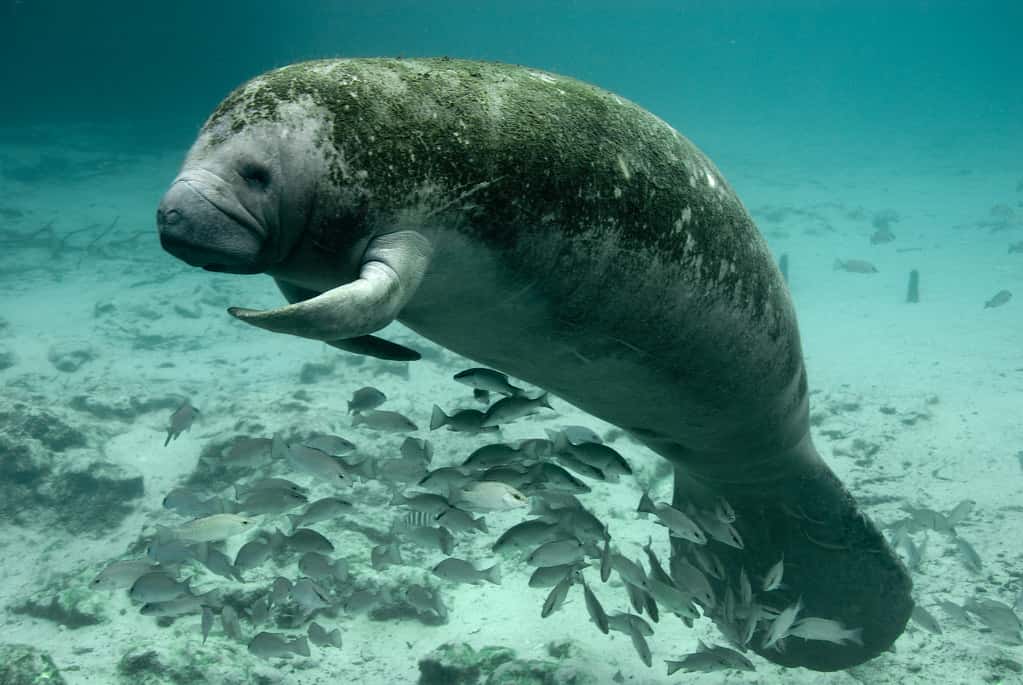
Florida's manatee population is now estimated at between 8,000 and 12,000 animals, a recovery from historic lows that has coincided with early signs of returning seagrass in the Indian River Lagoon, according to the Florida Fish and Wildlife Conservation Commission and restoration partners. A $9.4 million seagrass restoration effort launched in 2023 has helped the vital plant reappear in parts of the lagoon, though officials caution that the recovery remains slow and fragile.
The gains mark a turnaround for a species that suffered devastating losses earlier this decade, when a collapse of seagrass beds triggered mass starvation and an officially declared unusual mortality event. Seagrass is the primary food source for manatees, and its die-off along Florida's east coast left many of the animals without enough to eat.
Even with the improving outlook, the threats have not disappeared. As of late March 2026, manatee deaths for the year stood at 238, and nutrient pollution, boat strikes, and habitat loss continue to press on a population that serves as one of Florida's most recognizable natural icons. The trajectory is upward, but officials describe a recovery measured in small, hard-won steps.
A Population Back From Historic Lows
The current estimate of 8,000 to 12,000 manatees represents a meaningful rebound for a species once pushed to precarious numbers. Decades of conservation effort, including boating restrictions, habitat protections, and rescue and rehabilitation programs, have contributed to the long-term recovery of the Florida manatee.
The animals, a subspecies of the West Indian manatee, are found throughout Florida's coastal waters, rivers, and springs, where they gather in warm water during cooler months. Their slow movements and surface feeding make them a familiar sight to boaters, paddlers, and visitors to the state's spring-fed waterways, and a fixture of Florida's identity.
The population range reflects the difficulty of counting a marine mammal spread across a vast and varied habitat. Aerial surveys and other methods produce estimates rather than precise tallies, and the wide band between 8,000 and 12,000 illustrates the uncertainty inherent in tracking the species, according to state wildlife officials.
Whatever the precise number, the direction has been encouraging relative to the historic lows that once raised fears about the animal's survival in Florida. The recovery has been uneven and punctuated by setbacks, but the broad arc has trended upward over the long term.
The manatee's protected status has shaped that arc. State and federal safeguards have long governed how boaters, developers, and coastal residents interact with the animals and their habitat, and the framework of protections remains a central reason the population has climbed back from its lowest points. Conservationists caution, however, that legal protection alone cannot substitute for a healthy food supply and clean water.
The Seagrass Collapse and the Mortality Event
The optimism is tempered by the memory of a recent crisis. Earlier this decade, large-scale seagrass die-offs, concentrated in the Indian River Lagoon on Florida's east coast, stripped away the primary food supply for manatees in the region and led to widespread starvation.
The losses were severe enough that federal and state authorities declared an unusual mortality event, a designation reserved for significant and unexpected die-offs that demand an immediate response. Manatees were found emaciated, and rescue teams worked to feed and rehabilitate animals as the food shortage took its toll.
The root of the collapse lay in water quality. Nutrient pollution feeding algae blooms clouded the lagoon and blocked the sunlight that seagrass needs to grow, causing beds that had sustained manatees for generations to wither. The episode exposed how tightly the animals' fate is bound to the health of the underwater meadows they depend on.
That crisis reframed manatee conservation around the condition of seagrass and the water it grows in. Protecting the animals, officials recognized, would require restoring the habitat and addressing the pollution that had degraded it, a challenge far larger than any single rescue effort.
A $9.4 Million Bet on Restoration
In response, a $9.4 million seagrass restoration effort began in 2023, aimed at rebuilding the lost beds in the Indian River Lagoon. According to restoration partners, the work has helped seagrass reappear in parts of the lagoon, an early and welcome sign that the habitat can recover when conditions allow.
Restoring seagrass is painstaking work. It involves replanting and nurturing the beds while also improving the water clarity that lets the plants photosynthesize, a task that depends on reducing the nutrient loads that fueled the algae blooms in the first place. Progress hinges on both the planting itself and the broader battle over water quality.
Officials have been careful to frame the results as encouraging but preliminary. The reappearance of seagrass in parts of the lagoon does not amount to a full recovery, and the beds remain vulnerable to renewed pollution, algae blooms, and other stressors that could reverse the gains.
The effort reflects a recognition that manatee recovery cannot be separated from ecosystem restoration. Feeding programs and rescues address the immediate crisis, but the long-term survival of the population depends on rebuilding the food base, and that means restoring the lagoon itself.
The Indian River Lagoon holds particular importance in that calculation. Stretching along a long section of Florida's east coast, the estuary is one of the most biologically diverse in North America and historically supported vast seagrass meadows that fed manatees through the winter. Its decline made the lagoon the epicenter of the recent crisis, and its recovery is central to any lasting turnaround for the animals that depend on it.
The Threats That Remain
Even as seagrass returns, manatees face a persistent set of dangers. The 238 deaths recorded through late March 2026 underscore that the population continues to lose animals to a mix of causes, and that the recovery remains far from secure.
Nutrient pollution stands among the most consequential threats, because it drives the algae blooms that degrade water quality and threaten the seagrass manatees eat. Runoff carrying fertilizers, wastewater, and other nutrients into Florida's waterways feeds the cycle that led to the lagoon's collapse, and controlling it remains a central challenge for the state.
Boat strikes are another leading hazard. Manatees move slowly near the surface, which makes them vulnerable to collisions with vessels in Florida's heavily trafficked waters. Propeller wounds and blunt-force injuries account for a significant share of manatee deaths and injuries each year, prompting the speed zones and boating rules that govern many waterways.
Habitat loss compounds these pressures. Coastal development, dredging, and the degradation of springs and estuaries shrink the areas where manatees can feed, rest, and shelter in warm water. Together, pollution, boat strikes, and habitat loss form a web of threats that ongoing recovery efforts must continually work against.
An Icon of Florida and Its Economy
Manatees occupy a special place in Florida's identity and economy. Often called sea cows, the gentle herbivores draw visitors to springs, rivers, and wildlife refuges across the state, supporting a wildlife tourism sector built around the chance to see them in the wild.
Locations known for reliable manatee sightings have become destinations in their own right, generating economic activity for surrounding communities through tours, lodging, and related businesses. The animals' popularity gives their conservation a dimension beyond ecology, tying the health of the population to livelihoods that depend on wildlife tourism.
That prominence also makes the manatee a symbol in Florida's long-running debates over water quality and coastal development. The species' struggles have become a visible measure of the state's environmental health, and its recovery a marker of whether restoration efforts are working.
The animal's iconic status raises the stakes of the current recovery. A rebound in manatee numbers and a return of seagrass would signal progress not only for the species but for the broader waterways Floridians rely on, while a reversal would carry both ecological and economic weight.
Guidance for Boaters and the Public
For the people who share Florida's waters with manatees, wildlife officials continue to emphasize caution. Observing posted speed zones, watching for the animals near the surface, and keeping a respectful distance are standard guidance aimed at reducing the boat strikes that injure and kill manatees each year.
Beyond boating, the public role in manatee recovery extends to water quality. Reducing the nutrient pollution that fuels algae blooms depends in part on choices around fertilizer use, septic systems, and stormwater, areas where individual and community actions feed into the larger effort to protect seagrass.
Officials also urge the public to report sick, injured, or distressed manatees so that rescue teams can respond, a practice that proved important during the mortality event when animals needed intervention to survive. Public awareness has long been a component of the state's conservation approach.
The combination of boater guidance, pollution reduction, and public reporting reflects how much manatee recovery depends on human behavior. The animals' fate is closely linked to how Floridians manage their waterways, from the speed of a boat to the runoff that reaches the lagoon.
What's Next
The near-term outlook centers on whether the seagrass gains in the Indian River Lagoon can hold and expand. Restoration partners will continue monitoring the replanted beds and water quality, watching for signs that the recovery is taking root or, alternatively, that renewed pollution and algae blooms threaten the progress.
The 2026 death toll will remain a closely tracked figure through the year, offering an ongoing measure of the pressures on the population. Wildlife officials will weigh it against the longer-term recovery to judge whether the improving trend is durable or whether the threats are reasserting themselves.
Over the longer horizon, the manatee's fate will turn on Florida's ability to sustain water quality and habitat protection alongside the state's continued growth. The recovery so far shows that restoration can work, but the slow pace of the seagrass return is a reminder that keeping the icon of Florida's waterways safe will require sustained effort for years to come.
Spotted an issue with this article?
Have something to say about this story?
Write us a letterComments
No comments yet. Be the first to weigh in.
Related Coverage
Lead pellets from shot iguanas linked to first known crocodile poisoning death in Florida
2d ago

DeSantis and Cabinet protect more than 10,770 acres, from Putnam County woods to Martin County ranches
5d ago

Record King Tides and Heavy Rain Swamp South Florida Streets as Water Managers Warn the Season Peaks Oct. 27
6d ago

Florida's loggerhead sea turtles set preliminary nesting record
Oct 1