USF Research Spending Climbs to $531 Million, Fueling Space and Security Work
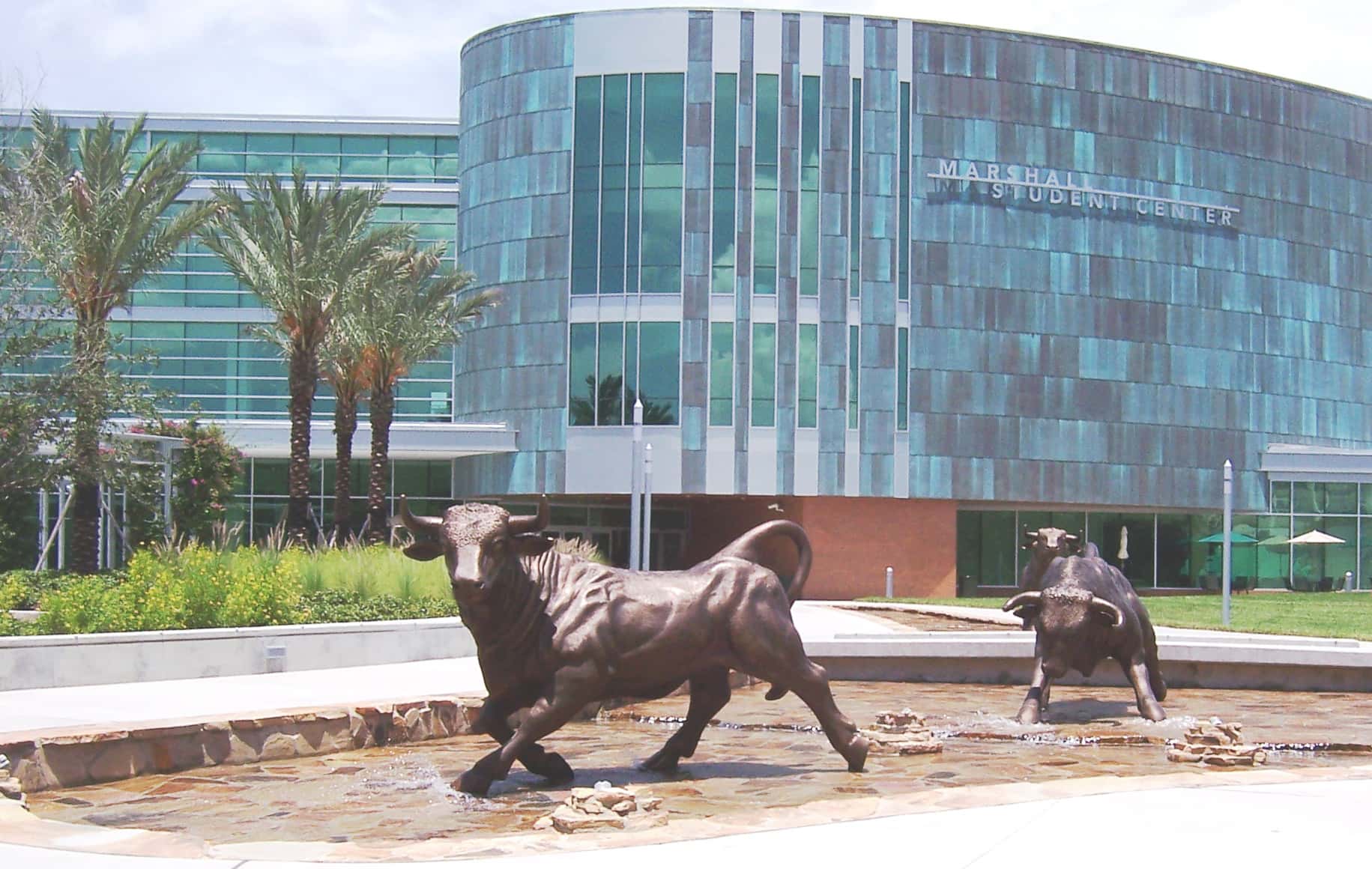
The University of South Florida reported about $531 million in research activity in fiscal year 2025, a roughly 15 percent increase over two years that strengthens the university's national research standing, according to USF. The growth places the Tampa-based institution among a rising tier of American research universities and reflects an expanding footprint in fields including national security and space.
The figures arrive alongside two notable milestones. USF became the first institution in Florida to implement an upgraded Secure Research Environment powered by Amazon Web Services, a system built to support sensitive national-security research. The university was also admitted into the Florida University Space Research Consortium, a statewide alliance advancing space research, and has expanded its work in that area.
For the Tampa Bay region, the developments carry implications beyond the campus. University research spending drives economic activity, supports high-technology jobs, and can help anchor a regional innovation economy, while USF's space work ties the metro more closely to Florida's Space Coast and the broader aerospace sector concentrated on the state's Atlantic side.
A $531 Million Research Enterprise
The roughly $531 million in fiscal 2025 research activity reflects the scale of USF's expanding research enterprise. Research expenditures are a standard measure universities and national rankings use to gauge the size and intensity of an institution's research operations, capturing spending on projects funded by federal agencies, industry, foundations, and the university itself.
According to USF, the total represents a roughly 15 percent jump over two years, a pace of growth that outstrips many peers and signals momentum in the university's research ambitions. Sustained increases in research spending typically indicate success in winning competitive grants and contracts, as well as investment in the faculty, facilities, and infrastructure that support the work.
The growth strengthens USF's standing in national research rankings, where research expenditures factor heavily into the tiers that classify American universities. Climbing those rankings can help institutions recruit faculty and graduate students, attract additional funding, and build the reputation that compounds over time.
USF has framed the milestone as evidence of its trajectory as a research university, one that has invested in raising its profile in recent years. The fiscal 2025 figure marks a point on that upward path, with the two-year growth rate underscoring the pace of the expansion.
The breadth of the research enterprise spans fields from health and medicine to engineering and the sciences, but the recent emphasis on national security and space has drawn particular attention. Those areas tend to attract substantial federal support, and a university able to build strength in them can accelerate its overall research growth while aligning with priorities that carry long-term funding.
A First-in-Florida Secure Research Environment
Among the developments accompanying the research growth is USF's adoption of an upgraded Secure Research Environment powered by Amazon Web Services, a step the university says makes it the first institution in Florida to implement the system. The environment is designed to support national-security research that requires stringent data protection and controlled access.
Secure research environments allow universities to handle sensitive and regulated data under the security controls that federal agencies and other sponsors require. For national-security work in particular, the ability to store, process, and analyze protected information within a compliant system is often a prerequisite for winning and conducting the research.
Building that capability positions USF to compete for a category of funded research that many institutions cannot readily pursue. The infrastructure signals to federal sponsors that the university can meet demanding security standards, potentially opening doors to contracts and collaborations tied to defense and security priorities.
Being first in the state to deploy the upgraded environment also gives USF a distinguishing capability within Florida's higher education landscape. As universities across the country compete for security-related research dollars, the infrastructure represents an investment in the kind of work that is increasingly central to federal research priorities.
The choice of a cloud-based platform reflects a broader shift in how universities handle sensitive research. Cloud environments can offer scalable computing power and standardized security controls that would be costly for an institution to build and maintain on its own, and pairing that model with strict compliance requirements allows researchers to work with protected data without sacrificing capacity. For USF, the arrangement provides a foundation it can expand as its security-related portfolio grows.
Joining the Florida Space Consortium
USF's admission into the Florida University Space Research Consortium marks another step in the university's expanding research portfolio. The consortium is a statewide alliance aimed at advancing space research, bringing together Florida institutions to collaborate and strengthen the state's role in the sector.
Membership connects USF to a network of universities and partners engaged in space-related work, offering opportunities for collaboration, shared resources, and joint pursuit of funding. For a university expanding its footprint in space research, joining the consortium provides a structured avenue into a field where partnerships and scale can be decisive.
Florida holds a distinctive position in the space economy, anchored by the launch facilities and aerospace activity concentrated along the Space Coast on the state's Atlantic side. A statewide consortium aligns university research with that broader ecosystem, aiming to channel academic expertise toward the growth of Florida's space sector.
USF's expanded space work, combined with its consortium membership, positions the Tampa Bay university to contribute to and benefit from that ecosystem. The move reflects a strategic emphasis on space as an area where the university sees room to grow its research and its relevance to the state's economy.
What It Means for Tampa Bay
The research growth carries economic weight for the Tampa Bay region. University research spending supports jobs, purchases goods and services from local businesses, and helps cultivate the skilled workforce that high-technology employers seek, making a large research enterprise an engine of regional economic activity.
Research universities also serve as anchors for innovation economies. The talent they train, the discoveries they generate, and the companies that sometimes spin out of their work can seed clusters of high-technology activity, and a growing research base strengthens the case for Tampa Bay as a destination for such investment.
The national-security and space focus areas align with sectors that offer high-wage employment and long-term growth potential. As USF builds capabilities in these fields, it positions the region to compete for the industries and federal investment that follow research strength, potentially diversifying an economy long tied to tourism and services.
For a metro area working to raise its profile as a center for technology and research, USF's trajectory provides a foundation. The university's expanding enterprise offers Tampa Bay a credible claim to a growing research economy, though translating research strength into broad regional gains depends on sustained investment and partnership.
Ties to the Space Coast
USF's growing space research deepens Tampa Bay's connection to Florida's Space Coast, the corridor along the state's Atlantic side where launch operations and aerospace companies cluster. While the two regions sit on opposite coasts, the state's space economy increasingly draws on institutions and talent from across Florida.
The Space Coast has experienced a surge of activity as commercial launch operators and aerospace firms have expanded, making Florida a central hub in the national and global space sector. University research feeds that ecosystem by advancing the science and engineering that underpin space activity and by training the workforce the industry needs.
Through the Florida University Space Research Consortium and its own expanded work, USF links Tampa Bay to that momentum. The connection illustrates how the benefits of Florida's space boom can extend beyond the immediate vicinity of the launch sites to universities and regions across the state.
The relationship is likely to grow more important as the space sector expands. A university positioned to contribute research and talent to the industry stands to share in its growth, and USF's moves suggest an intent to become a more significant player in Florida's space economy.
Building a Research Reputation
The combination of rising research spending and new capabilities in security and space reflects a broader effort by USF to build its research reputation. National research standing is cumulative, shaped over years by funding, faculty, facilities, and the outcomes of the work, and USF's recent gains contribute to that longer arc.
Growth in research expenditures often reinforces itself. Stronger funding supports better facilities and more faculty, which in turn help win additional grants, and rising rankings improve an institution's ability to recruit and compete. USF's roughly 15 percent two-year increase suggests the university has found traction in that cycle.
The focus on national security and space represents a deliberate emphasis on fields with strong federal support and clear ties to Florida's economy. By building specialized infrastructure and joining statewide alliances, the university is targeting areas where it can differentiate itself and pursue funding that aligns with national priorities.
Whether the momentum continues will depend on USF's ability to keep winning competitive funding and to convert its investments into research output and reputation. The fiscal 2025 results mark a strong point in the university's development, presented as a factual measure of growth rather than a guarantee of where the trajectory leads.
What's Next
USF's research figures for future fiscal years will show whether the roughly 15 percent two-year growth marks a durable trend or a peak. Continued increases would further strengthen the university's national standing, while a plateau would test the momentum behind the recent gains.
The new Secure Research Environment and the university's consortium membership set the stage for expanded work in national security and space, and the coming period will reveal how those capabilities translate into funded projects and partnerships. The success of the security infrastructure and space initiatives will help determine USF's standing in those competitive fields.
For Tampa Bay, the broader question is whether USF's research growth helps catalyze a wider high-technology economy and deepen the region's ties to Florida's space sector. The university's trajectory offers a foundation, and how the region and the state build on it will shape the economic payoff in the years ahead.
Spotted an issue with this article?
Have something to say about this story?
Write us a letterComments
No comments yet. Be the first to weigh in.
Related Coverage

Uthmeier Asks Pasco Judge to Force Meta to Remove Florida Users Under 14 and Cap Teens at Two Hours a Day
22h ago

Florida Attorney General James Uthmeier Sues TP-Link, Saying Its Routers Left Florida Home Networks Exposed
2d ago
FIU to install Florida's first on-campus trapped-ion quantum computer
3d ago
Florida's data center law: what SB 484 does as DeSantis touts it
6d ago