Orange County Judge Diana Tennis Resigns Rather Than Face Suspension Over 913 Political Donations
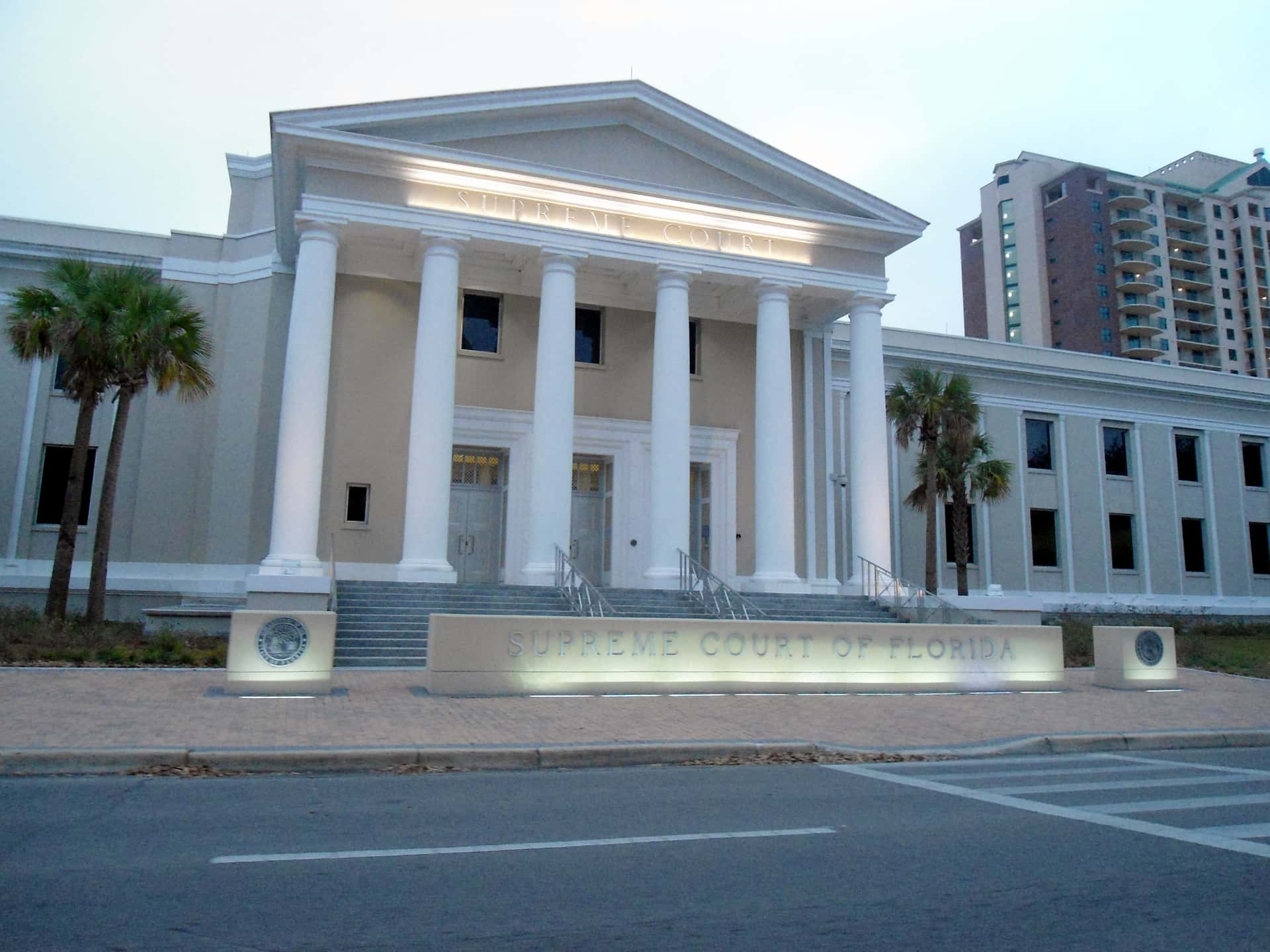
An Orange County circuit judge who presided over family court cases in Orange and Osceola counties has resigned rather than face a suspension over hundreds of political contributions that Florida's judicial ethics regulator found violated the state's Code of Judicial Conduct. Judge Diana Tennis stepped down after the Florida Supreme Court rejected a proposed public reprimand as insufficient and indicated it would impose a suspension and a fine instead.
What the investigation found
The Judicial Qualifications Commission, the body that investigates complaints against Florida judges, found that Tennis made 913 political contributions totaling more than $29,000 between January 2017 and January 2021. The contributions went to political campaigns and political action committees.
The case originated with a complaint filed in 2024 by an Apopka resident, which triggered the commission's inquiry. The volume of individual contributions, more than 900 across a four-year window, is what distinguishes this matter from the more typical judicial discipline case involving a single lapse or a small number of incidents.
Under Canon 7A(1)(e) of Florida's Code of Judicial Conduct, judges and judicial candidates are barred from soliciting funds for a political organization or candidate, paying assessments to one, or making financial contributions to one. The prohibition is categorical. It does not turn on the size of a contribution or on whether the recipient is running in a race the judge might ever hear a case about.
How the case reached this point
Commission filings indicate Tennis did not contest the findings. She expressed remorse and explained that she had believed the rules barred contributions only to state races rather than to all political campaigns and committees. That explanation went to her state of mind but not to whether the conduct violated the canon, which it plainly did on the commission's reading.
Tennis and the commission agreed to a proposed resolution under which she would receive a public reprimand, the sanction under which a judge appears before the Florida Supreme Court and is formally admonished. That agreement went to the Supreme Court, which under Florida's system must approve any discipline the commission recommends.
In June, the court rejected the proposed deal. It signaled that a reprimand alone did not match the conduct and that it would impose a suspension and a fine on top of any reprimand. That decision left Tennis facing a materially heavier sanction than the one she had agreed to, and her resignation followed.
How judicial discipline works in Florida
Florida's Judicial Qualifications Commission is a constitutional body composed of judges, attorneys and lay members. It receives complaints, investigates, and where it finds probable cause files formal charges. Most matters resolve through a stipulated agreement between the commission and the judge, which is then submitted to the Florida Supreme Court.
The Supreme Court holds the final authority. It can accept a stipulation, reject it, or impose different discipline, ranging from a private admonishment through public reprimand, fine, suspension and removal from office. The court's willingness to reject an agreed sanction as too lenient, which is what happened here, is not routine but is well within its authority.
Resignation ends the disciplinary proceeding as to the judgeship, because the commission's jurisdiction runs to sitting judges. It does not necessarily end all professional consequences, since a former judge remains a member of The Florida Bar and separate attorney discipline processes exist. Whether any Bar proceeding follows in this matter is a separate question from the judicial ethics case.
Why the political contribution rule exists
The prohibition on judicial political contributions rests on a straightforward premise: a judge who has given money to a candidate or a party has taken a public position in a partisan contest, and litigants appearing before that judge may reasonably wonder whether the judge's political commitments bear on the outcome of their case.
The concern is not primarily about actual bias in any individual case. It is about the appearance of partiality, which the code treats as its own harm. Judicial legitimacy depends substantially on public confidence that outcomes turn on law and facts rather than on the judge's political alignment, and contributions are a visible, documented signal of alignment.
Florida elects most of its trial judges in nonpartisan races, which is part of why the code draws the line where it does. Judicial candidates may raise and spend money for their own campaigns, subject to detailed restrictions, but they may not participate financially in other people's political campaigns.
The cases Tennis heard
Tennis presided over family court matters in the Ninth Judicial Circuit, which covers Orange and Osceola counties. Family court handles dissolution of marriage, child custody and timesharing, child support, domestic violence injunctions and related proceedings. These are among the most personally consequential cases in the state court system and often involve parties without lawyers.
Judicial reassignment following a resignation is handled administratively by the circuit's chief judge. Pending cases are redistributed among remaining judges, which typically produces some scheduling disruption while dockets are rebalanced. Litigants with hearings already set are generally notified of new judge assignments and hearing dates.
The resignation does not by itself invalidate rulings Tennis issued. A party seeking to reopen a decision would need an independent legal basis, and the existence of an ethics violation unrelated to the party's case would not ordinarily supply one.
What it means for Floridians
For residents of Orange and Osceola counties, the immediate practical effect is a vacancy on the circuit bench. Under Florida's system, a mid-term vacancy in a circuit judgeship is filled by gubernatorial appointment from a list of nominees supplied by the circuit's judicial nominating commission, rather than by a special election.
More broadly, the case is a reminder that judicial ethics rules in Florida are enforced and that the Supreme Court is willing to reject negotiated outcomes it regards as too soft. That signal reaches every sitting judge in the state, and it arrives in a year when courts have been unusually visible in Florida's political life.
It also underscores a point that trips up more judges than one might expect: the political contribution ban is absolute and applies to federal, state and local races alike. The belief that only state races were covered, which Tennis offered as her understanding, is a misreading of the canon rather than a gray area within it.
What family court handles
The docket Tennis presided over covers a category of cases that touches more Florida residents directly than any other. Family court handles dissolution of marriage, parenting plans and timesharing, child support, paternity, domestic violence injunctions, and modifications of prior orders as circumstances change.
A substantial share of family court litigants appear without attorneys. Self-represented parties navigate the process using court-provided forms and self-help resources, which places significant demands on judges and court staff and makes judicial temperament and clarity unusually important in these divisions.
Domestic violence injunction proceedings within family court operate on compressed timelines by necessity. Temporary injunctions can be entered on an emergency basis, with a full hearing following within days, and those decisions carry immediate consequences for both parties including firearm restrictions and residence exclusions.
Reassignment of a family court docket therefore has effects beyond scheduling. Litigants in the middle of contested custody matters lose the judge familiar with their case history, and successor judges have to work from the written record in disputes where credibility determinations made in earlier hearings frequently matter.
How Florida selects and disciplines judges
Florida uses a hybrid system for judicial selection. Circuit and county judges are elected in nonpartisan races, while appellate judges and Supreme Court justices are appointed by the governor from lists prepared by judicial nominating commissions and then face periodic merit retention votes rather than contested elections.
Mid-term vacancies in elected judgeships are filled by appointment rather than by special election, which means a resignation like this one shifts the seat from the electorate to the governor for the remainder of the term. The judicial nominating commission for the circuit solicits applications, interviews candidates and forwards a slate.
That structure gives governors substantial cumulative influence over Florida's trial bench, since vacancies from resignations, retirements and elevations occur continuously across 20 judicial circuits and 67 counties. Appointments made this way frequently become long tenures, since incumbent judges are rarely challenged in subsequent elections.
The Judicial Qualifications Commission operates independently of that selection process. Its members include judges selected by their peers, attorneys selected by The Florida Bar, and lay members appointed by the governor, a composition designed to prevent any single branch from controlling judicial discipline.
Its proceedings are confidential during the investigative phase and become public when formal charges are filed. That confidentiality protects judges from reputational damage arising from complaints that turn out to be unfounded, which are the majority of those the commission receives.
The case arrives during a period in which Florida's courts have been unusually prominent in the state's public life, from constitutional challenges to state legislation through high-profile criminal prosecutions. Judicial conduct questions land differently in that environment than they would in a quieter one.
For the Ninth Judicial Circuit, which serves a combined Orange and Osceola population well over two million, the vacancy adds to a caseload that has grown steadily with the region's population. Judicial resources in Florida's fastest-growing circuits have consistently lagged behind filings, a gap the Legislature addresses through periodic authorization of new judgeships.
What's next
The Ninth Judicial Circuit will operate with the vacancy while the judicial nominating commission solicits applications, interviews candidates and forwards a slate to the governor. That process typically takes several months from the date a vacancy is certified.
The Judicial Qualifications Commission's case file in the matter remains part of the public record of the proceeding, and the Florida Supreme Court's docket reflects the rejected stipulation. Those documents are the primary record for anyone examining how the case was resolved.
For the family court dockets themselves, the work continues. Cases will be reassigned, hearings rescheduled, and the circuit will absorb the workload until an appointment is made.
Spotted an issue with this article?
Have something to say about this story?
Write us a letterComments
No comments yet. Be the first to weigh in.
Related Coverage

Volusia County Council Takes Final Vote on Banning Large-Scale Data Centers as the Issue Splits Florida's Governor's Race
16h ago

Judge Disqualifies North Miami Mayor Alix Desulme From November Ballot Over Cashier's Checks, Leaving Race Unopposed
21h ago

Jacksonville's Five-Year Homelessness Plan Heads for a Third Deadline Extension as Duval's Homeless Count Rises
22h ago

Florida Republicans Hold 1.5 Million Voter Registration Edge Over Democrats Heading Into Nov. 3 Election
1d ago