Palm Beach County Schools Earn 10th Consecutive National Music Education Honor
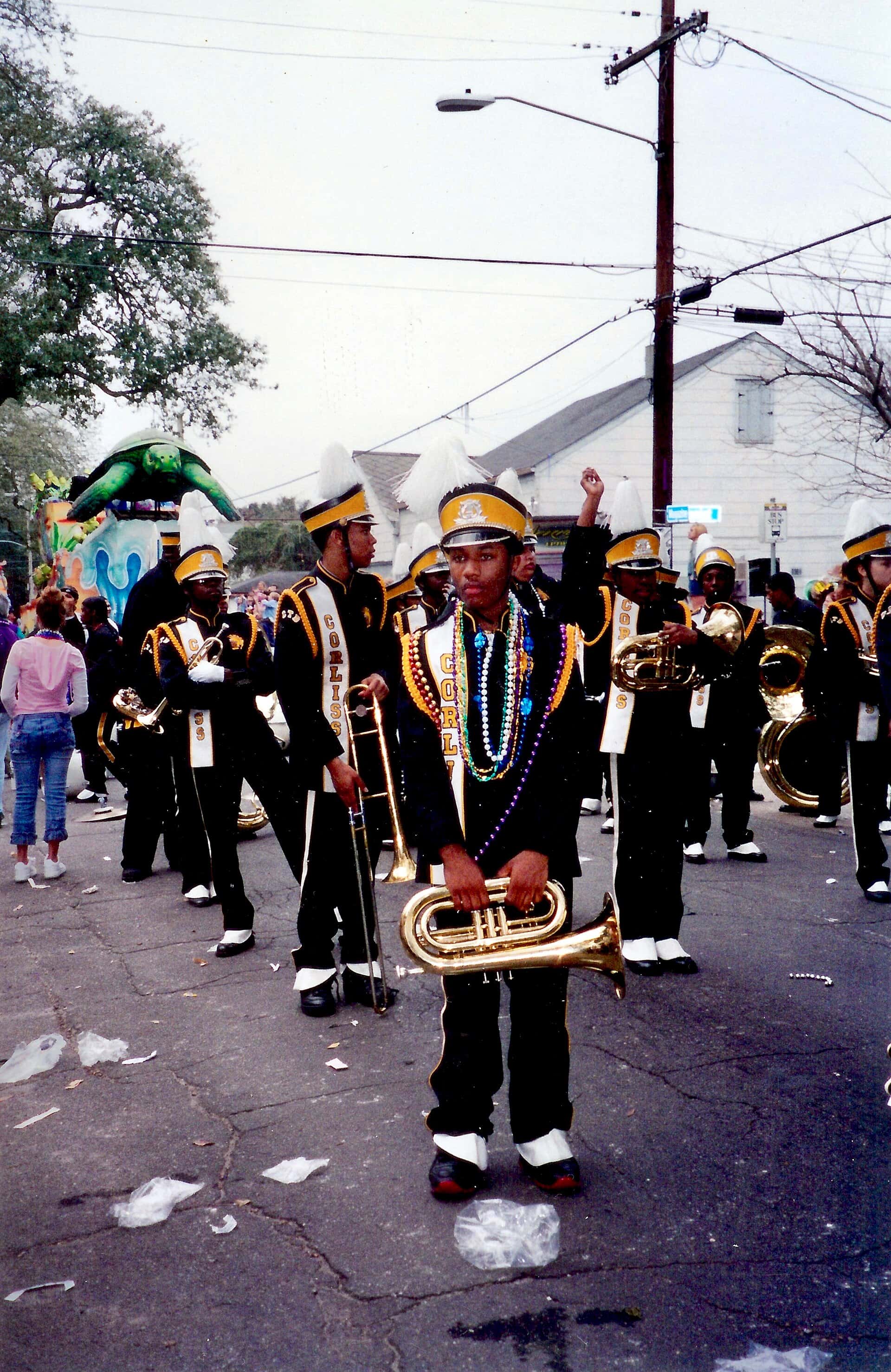
The School District of Palm Beach County received the NAMM Foundation's Best Communities for Music Education designation on May 6, marking the tenth consecutive year the district has earned the national honor. The recognition places Palm Beach County among a small group of school districts nationwide that have sustained the designation for a decade or longer, reflecting consistent investment in fine arts instruction even as Florida education funding has come under broader pressure. District officials credited a combination of community support, local funding mechanisms, and sustained instructional commitment for the recognition.
What the NAMM Foundation announced
According to the NAMM Foundation's announcement, the Best Communities for Music Education designation recognizes school districts that meet criteria related to music instructional access, teacher qualifications, instructional time, and community support for music programs. The designation is awarded annually following a survey-based application process that requires districts to document specific elements of their music program operations. The 2026 designation list includes school districts from across the country, with Palm Beach County among the longest-tenured continuous recipients.
The designation process evaluates several dimensions of a district's music program. Instructional access criteria consider what proportion of students have access to music instruction at each grade level and what proportion of those students choose to participate. Teacher qualification criteria consider whether music instruction is delivered by appropriately certified music educators rather than by classroom generalists. Instructional time criteria consider how much time per week students spend in music classes. Community support criteria consider funding sources, parent and booster organization activity, and other indicators of broader community engagement.
The NAMM Foundation, the nonprofit philanthropic arm of the National Association of Music Merchants, has administered the program for more than two decades as part of its broader mission to support music education. The foundation also operates grant programs, advocacy initiatives, and research projects related to music education. The Best Communities designation has become one of the more widely recognized industry honors for music education programs and is frequently cited by school districts in their marketing and community communications.
Palm Beach County's music program
The School District of Palm Beach County operates music programs across its elementary, middle, and high schools, with instruction beginning in elementary grades and continuing through high school. Elementary music programs typically include general music instruction for all students, with chorus, instrumental, and other specialized offerings becoming available in upper elementary grades. Middle school music programs typically include band, orchestra, and chorus offerings as elective courses. High school music programs offer those same ensemble experiences along with more specialized opportunities including jazz ensembles, marching band, and various chamber groupings.
The district's music teaching staff includes hundreds of certified music educators across the elementary, middle, and high school levels. The teaching staff includes educators with varied specializations across vocal music, instrumental music, music theory, and music technology. Recruitment of qualified music teachers has been a sustained focus, with the district participating in university partnership programs and in regional and national recruitment efforts to maintain staffing levels.
Specific program offerings vary across the district's schools, with each school's program reflecting student interest, available staffing, and historical program development. The district has worked to maintain consistent program quality across schools while also allowing schools to develop distinctive program emphases that reflect their student communities. The district-level music coordination provides curricular consistency, professional development, and resource support across the school network.
What the recognition means for students and families
For Palm Beach County students, the recognition signals continued availability of substantial music education opportunities through the school day and through extracurricular activity. Students who participate in music programs gain access to instruction, performance opportunities, and the developmental benefits that music education research has consistently demonstrated. Those benefits include academic correlates such as improved performance in reading and mathematics, social benefits including ensemble participation skills, and the intrinsic value of musical expression and appreciation.
For families considering education options in Palm Beach County, the recognition serves as one indicator of district priorities and program quality. Music education has often been described as a canary in the coal mine for school district overall health, with districts that maintain strong music programs typically maintaining strength in other elective and enrichment areas as well. The continued recognition signals that the district has not sacrificed music education to budget pressures that have affected districts in other parts of the state.
For students considering post-secondary pursuit of music, the district's program provides preparation that has positioned many alumni for admission to college music programs, conservatories, and professional performance opportunities. The district's alumni network includes professional performers, music educators, music industry professionals, and others who built their initial training through the Palm Beach County school system. Florida higher education institutions including the University of Miami's Frost School of Music, the University of South Florida, and Florida State University have received Palm Beach County students into their music programs over the years.
The funding context
Palm Beach County's continued strong music programs come during a period when Florida school funding overall has faced significant pressure. Other large districts in the state, including Broward County immediately to the south, have implemented substantial cuts to operating budgets as enrollment declines have flowed through to reduced state funding allocations. The continued strength of Palm Beach County's music programs reflects local funding mechanisms and community priorities that have supported sustained investment.
The district's local funding base includes property tax revenue and the sales tax referendum that voters have approved to support school operations and capital projects. The local funding sources provide a buffer against state-level funding pressures, although they do not insulate the district fully from state-driven dynamics. The district's overall budget reflects both state allocations and local revenue, with management decisions about how to allocate the combined funds across instructional priorities.
Booster organizations and community fundraising have historically supported music programs in Palm Beach County and in many other school districts. Band and orchestra booster groups raise funds for instruments, travel, festival participation, and other program elements that supplement direct district funding. The booster organizations represent a meaningful source of program support and a visible indicator of community engagement with music programs.
State funding for fine arts has been a subject of legislative attention in recent sessions, with line items and categorical allocations varying across budget cycles. The Florida Legislature's overall approach to public education funding has emphasized per-pupil flexibility, with districts setting their own allocation priorities within state funding parameters. Districts that prioritize fine arts within their discretionary spending, as Palm Beach County has, can maintain stronger programs even when state funding pressures affect other operational areas.
How Palm Beach County compares with peer districts
The ten-year streak places Palm Beach County among a small group of school districts nationwide with sustained recognition. Other long-tenured recipients include districts in suburban and exurban locations across the country, with the recognition pattern reflecting both district commitment and the demographic and economic factors that support strong school district performance. The presence of large school districts on the recognition list alongside smaller districts indicates that the designation criteria can be met by districts of varied scale.
Within Florida, several other school districts have earned recent recognition, although Palm Beach County's continuous streak distinguishes it from districts with more variable recognition patterns. Florida districts that have appeared on the recognition list include both large urban districts and smaller districts in regional locations. The pattern of Florida representation has been generally consistent with broader Florida school district participation in music education.
Nationally, the recognition program includes districts from states with varied policy approaches to education funding and curriculum requirements. Some states maintain stronger statewide requirements for fine arts instruction than others, and the recognition list reflects districts that have built strong programs within varied policy environments. The Palm Beach County recognition operates within Florida's specific policy environment, which provides some statewide framing around fine arts standards while leaving substantial discretion to local districts.
The educational research on music
Educational research on music instruction has accumulated over decades, with the body of evidence supporting both direct and indirect benefits of sustained music education. Direct benefits include the development of musical skills, knowledge, and appreciation that contribute to lifelong engagement with music as a form of cultural participation. Indirect benefits include correlates with academic performance in other subject areas, with social and emotional development, and with engagement and persistence in school more broadly.
The research on the cognitive effects of music instruction has been particularly active in recent years, with neuroimaging and behavioral studies examining how musical training affects brain development and cognitive function. The findings generally support the view that music instruction contributes positively to cognitive development, although researchers continue to refine understanding of the specific mechanisms and the conditions under which the benefits are most pronounced.
The social and developmental benefits of ensemble participation have also been the subject of substantial research attention. Participation in school music ensembles involves skills including cooperation, persistence through extended practice, public performance, and group identity formation. Those skills transfer to other educational and life contexts, supporting student development in ways that affect outcomes beyond the music classroom.
Researchers studying student music participation have noted that the longitudinal benefits of sustained involvement appear to be stronger than the benefits of more limited exposure. Students who participate in school music programs for multiple years tend to show stronger associated outcomes than students whose participation is more episodic. The implication for school districts is that maintaining program continuity from elementary through high school grades supports stronger student outcomes than offering music only at certain grade levels or in irregular patterns.
What's next for the program
District officials said the recognition validates continued commitment to music education across the district's schools. The district has indicated that music program offerings will continue across elementary, middle, and high school grades, with ongoing attention to maintaining program quality, supporting teacher staffing, and providing the equipment and facilities needed for high-quality instruction. Capital projects across the district include music classroom improvements at various campuses, with several school renovation projects scheduled to address acoustics, storage for instruments, and dedicated rehearsal space.
The district will continue to participate in the NAMM Foundation's annual recognition process, with eligibility for future designations dependent on continued program performance against the established criteria. The application process requires sustained effort each year to document program activities and to compile the data needed for the application. The district's continued participation signals ongoing commitment to the program even after a decade of recognition.
For Palm Beach County students, the continued music program offerings represent a continuing opportunity for musical development that has positioned generations of students for personal and professional growth in music and related fields. The recognition serves as both validation of past commitment and motivation for continued investment, providing a public marker of the district's identity as a community that values fine arts education alongside its other educational priorities. Florida communities watching the recognition will see Palm Beach County as a benchmark for what sustained district investment in music education can produce over the long term.
Spotted an issue with this article?
Have something to say about this story?
Write us a letterComments
No comments yet. Be the first to weigh in.
Related Coverage
Lt. Gov. Jay Collins Says Florida Will Cover School Funding Lost as Immigration Crackdown Shrinks Enrollment
6h ago
Broward School Board Weighs Next Round of Closures as Empty Seats Reach 61,000
8h ago

Boy dies after 120-pound display board falls on him at Palm Bay's Riviera Elementary
1d ago
Pinellas pulls Sexton Elementary from closure list as six schools face Oct. 13 vote
2d ago