Port Canaveral Pushes Toward 9 Million Cruise Passengers as Florida's Ports Keep Setting Records
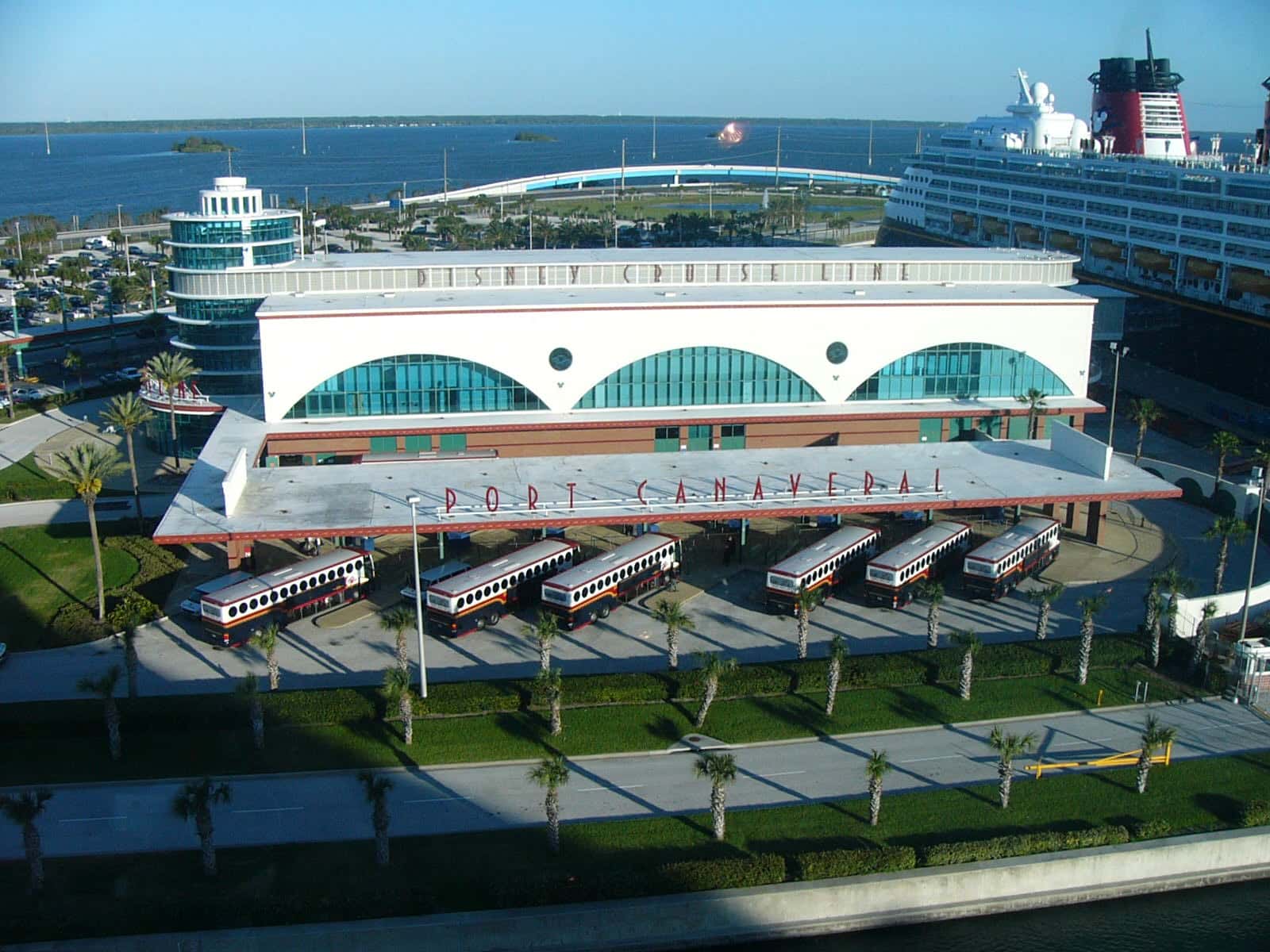
Port Canaveral is projecting 9 million multi-day cruise passenger movements in fiscal 2026, building on a record 8.6 million in fiscal 2025 that represented a 13 percent year-over-year increase and moved the Brevard County port past PortMiami on a revenue passenger movement basis. The port projects total revenues of roughly $237.4 million for the fiscal year, with 18 homeported ships generating approximately 1,083 ship calls.
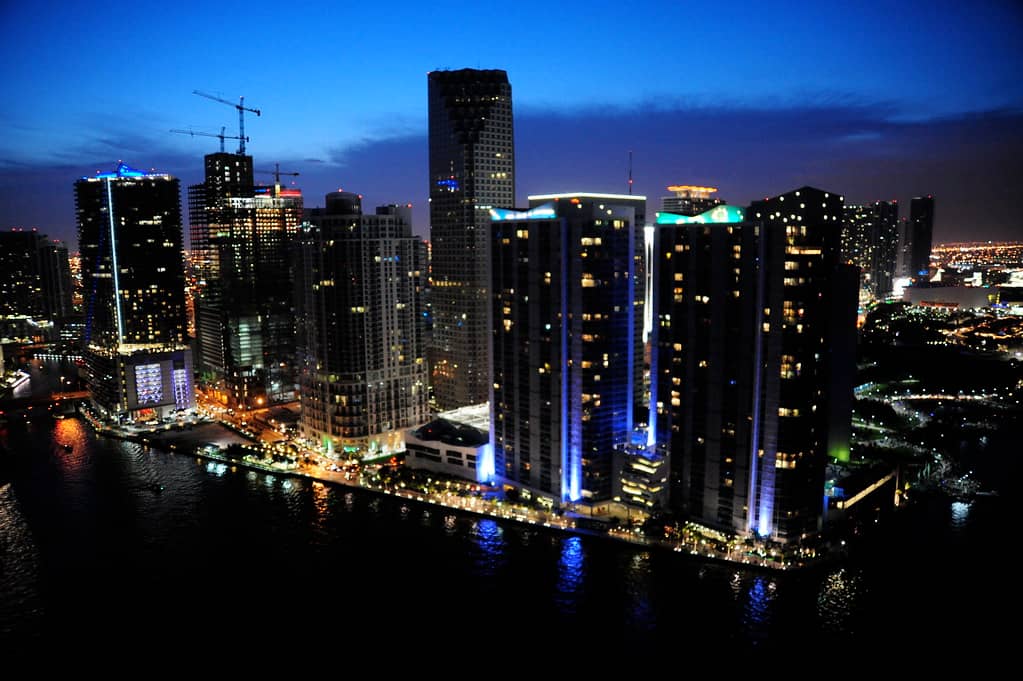
PortMiami, long the world's busiest cruise port by most measures, welcomed 8,564,225 cruise passengers in its most recent full year, a 4.02 percent increase over the prior record. The port set a single-day record of 75,201 passengers embarking and disembarking on November 30.
Taken together, the two ports move more cruise passengers than any comparable pair anywhere in the world, and the industry they anchor has become one of Florida's most significant economic sectors, with employment and supply chain effects that extend well beyond the terminals themselves.
Why Port Canaveral grew so fast
Port Canaveral's rise is a story about homeporting. A cruise port can serve as a port of call, where a ship stops for a day and passengers go ashore, or as a homeport, where voyages begin and end. Homeporting generates dramatically more economic activity, because passengers arrive a day early, stay in hotels, rent cars, eat in restaurants, and park vehicles for the duration of the cruise.
The port's location is central to that advantage. Its proximity to Orlando's theme park corridor allows cruise lines to package a cruise with a land vacation, and the drive market reaching Port Canaveral encompasses a large portion of the Southeast, which means a substantial share of passengers arrive by car rather than by air.
Terminal investment has followed. Port Canaveral has expanded berths and terminal capacity over the past decade, and the availability of modern infrastructure is what allows a port to attract the newest and largest ships, which carry the most passengers per call.
What PortMiami brings
PortMiami's advantages are different and equally durable. The port sits adjacent to Miami International Airport's catchment, serving an international passenger base that Port Canaveral does not reach at the same scale. Its Caribbean itineraries benefit from the southern starting position, which allows more destination time within a standard seven-day cruise.
The port continues attracting new vessels, hosting ships across multiple brands and welcoming new hardware into service. Cruise lines deploy their newest ships to their most important homeports, and Miami remains the industry's headquarters city, with several major cruise operators maintaining corporate offices in South Florida.
That corporate concentration matters economically beyond the terminals. Cruise line headquarters employ thousands in professional and administrative roles in Miami-Dade and Broward counties, positions that pay well above the tourism sector average.
The scale of the industry in Florida
Florida hosts the majority of United States cruise embarkations, with Port Canaveral, PortMiami, Port Everglades, Port Tampa Bay, and Jacksonville all operating cruise terminals of varying size. Industry forecasts have projected nearly 22 million Americans cruising in 2026, and a large share of those voyages will begin in Florida.
The economic footprint spans provisioning, fuel, maintenance, ground transportation, hotels, and the labor force that services each. A single large ship turning around at a Florida port takes on food, beverages, fuel, and supplies for thousands of passengers and crew, most of it sourced through regional distributors.
Port revenues themselves fund infrastructure, and Florida port authorities are typically independent special districts with their own boards and their own bonding authority. Port Canaveral's projected $237.4 million in fiscal 2026 revenue supports capital programs that do not draw on county general funds.
Competition between the ports
The competitive dynamic between Florida's cruise ports is genuine and has shaped capital spending across the state. Ports compete for homeport agreements with cruise lines, and those agreements often involve multi-year commitments with terminal construction or dedication as part of the arrangement.
Port Canaveral overtaking PortMiami on revenue passenger movements in fiscal 2025 marked a threshold that would have seemed unlikely a decade ago, and it reflects sustained investment paired with the Orlando market advantage. Whether the lead holds depends on deployment decisions cruise lines make years in advance.
The competition is not zero-sum, because the overall market has grown. Both ports set records in the same period, which indicates that Florida is capturing a larger share of an expanding industry rather than shuffling passengers between terminals.
Where the growth constraints are
The limiting factors on Florida cruise growth are increasingly on land rather than at sea. Terminal capacity, roadway access, and parking are the practical bottlenecks at peak turnaround days, when several thousand passengers disembark and an equal number embark within a compressed window.
Labor is a second constraint. Turnaround operations require substantial shoreside workforce, from baggage handling to provisioning to terminal operations, and Florida's tight labor market and high housing costs in coastal counties have made staffing more difficult across tourism-dependent sectors.
Destination capacity is a third. Caribbean ports of call have their own limits, and the industry has responded by developing private destinations, which concentrate passenger spending within cruise line operations but reduce pressure on host communities.
Environmental and community questions
Cruise growth carries environmental considerations that Florida ports have addressed with varying approaches. Shore power, which allows ships to plug into the electrical grid rather than run generators at berth, reduces emissions in port communities, and several ports have invested in the infrastructure.
Water quality and waste handling are governed by federal and international rules, with enforcement through the Coast Guard and the Environmental Protection Agency. Florida's coastal waters, including the Indian River Lagoon near Port Canaveral and Biscayne Bay near PortMiami, are ecologically sensitive systems where discharge standards matter.
Community impacts include traffic on turnaround days and the pressure that visitor volume places on local infrastructure. Brevard County and Miami-Dade County both manage roadway and transit planning around port peaks, and residents in adjacent neighborhoods experience the growth directly.
The Brevard County context
Port Canaveral sits in a county whose economy has been transformed twice over. The Space Coast built its identity around the federal space program, and the wind-down of the space shuttle program produced a difficult adjustment period for the region's workforce.
Commercial space activity has since restored and exceeded prior launch cadence, with regular operations from Cape Canaveral Space Force Station and Kennedy Space Center. The cruise industry's growth has run in parallel, giving Brevard County two substantial and largely uncorrelated economic engines.
That diversification has real value. A county dependent on a single sector absorbs shocks poorly, and Brevard's combination of aerospace, cruise tourism, and defense contracting has produced more stable employment than any of those sectors would alone.
Hurricane exposure and the cruise business
Florida cruise operations carry a seasonal risk that most industries do not face in the same form. A hurricane approaching the state can close ports, cancel sailings, and reroute ships, and the financial effect falls on cruise lines and on the regional economy simultaneously.
The 2026 season has been remarkable for its absence of disruption. No Atlantic hurricane had formed through the climatological peak in September, the longest such stretch in the modern satellite era, which has allowed ports to operate on schedule through what is normally the most disruption-prone period of the year.
Cruise lines have grown adept at itinerary modification, rerouting ships away from storms while keeping voyages operating. That capability limits cancellations but does not eliminate the effect on passengers whose destinations change, or on the ports that lose calls.
What it means for Floridians
For Central Florida residents, the cruise industry is a significant regional employer and an increasingly important component of the visitor economy. Jobs at the port, with provisioning contractors, and in the hospitality businesses serving cruise passengers represent thousands of positions across Brevard and adjacent counties.
For South Florida residents, the industry's presence is both employment and corporate, with cruise line headquarters operations adding professional jobs to the regional mix alongside terminal and maritime employment.
For Florida taxpayers generally, port authorities operating as self-funding entities means cruise infrastructure is largely paid for by the industry and its passengers rather than through general revenue, though roadway and utility connections serving ports do draw on public funds.
Local impact across the state
Port Everglades in Broward County remains among the busiest cruise ports in the world and anchors the Fort Lauderdale market, with a passenger profile that skews toward fly-in travelers and a strong position in longer itineraries.
Port Tampa Bay operates under a physical constraint the others do not face: the Sunshine Skyway Bridge limits the air draft of ships that can reach the port, which caps the size of vessels that can be homeported there. That has channeled Tampa's business toward mid-sized ships.
Jacksonville operates a smaller cruise facility, and the region has periodically discussed expansion. The economics of cruise terminal investment depend heavily on securing homeport commitments, which is why smaller Florida ports have found growth harder to achieve.
What's next
Port Canaveral's fiscal 2026 projections will be tested against actual passenger counts as the year closes out, and the port publishes results through its board reporting. Whether it holds its position relative to PortMiami depends substantially on deployment decisions already made by cruise lines.
New ship deliveries continue across the industry, and Florida ports compete for those vessels. Each new large ship assigned to a Florida homeport adds meaningful annual passenger volume, which is why terminal capacity investments are made well ahead of demand.
The broader question for the industry is demand durability. Cruise bookings have run strong through the post-pandemic recovery, and forecasts for 2026 point to continued growth, but the sector is discretionary spending and sensitive to consumer conditions. With the Federal Reserve raising rates in September for the first time since 2023, the consumer backdrop bears watching.
Spotted an issue with this article?
Have something to say about this story?
Write a letter to the editor