PortMiami Anchors Florida's Summer Cruise Boom as New Terminal Rises
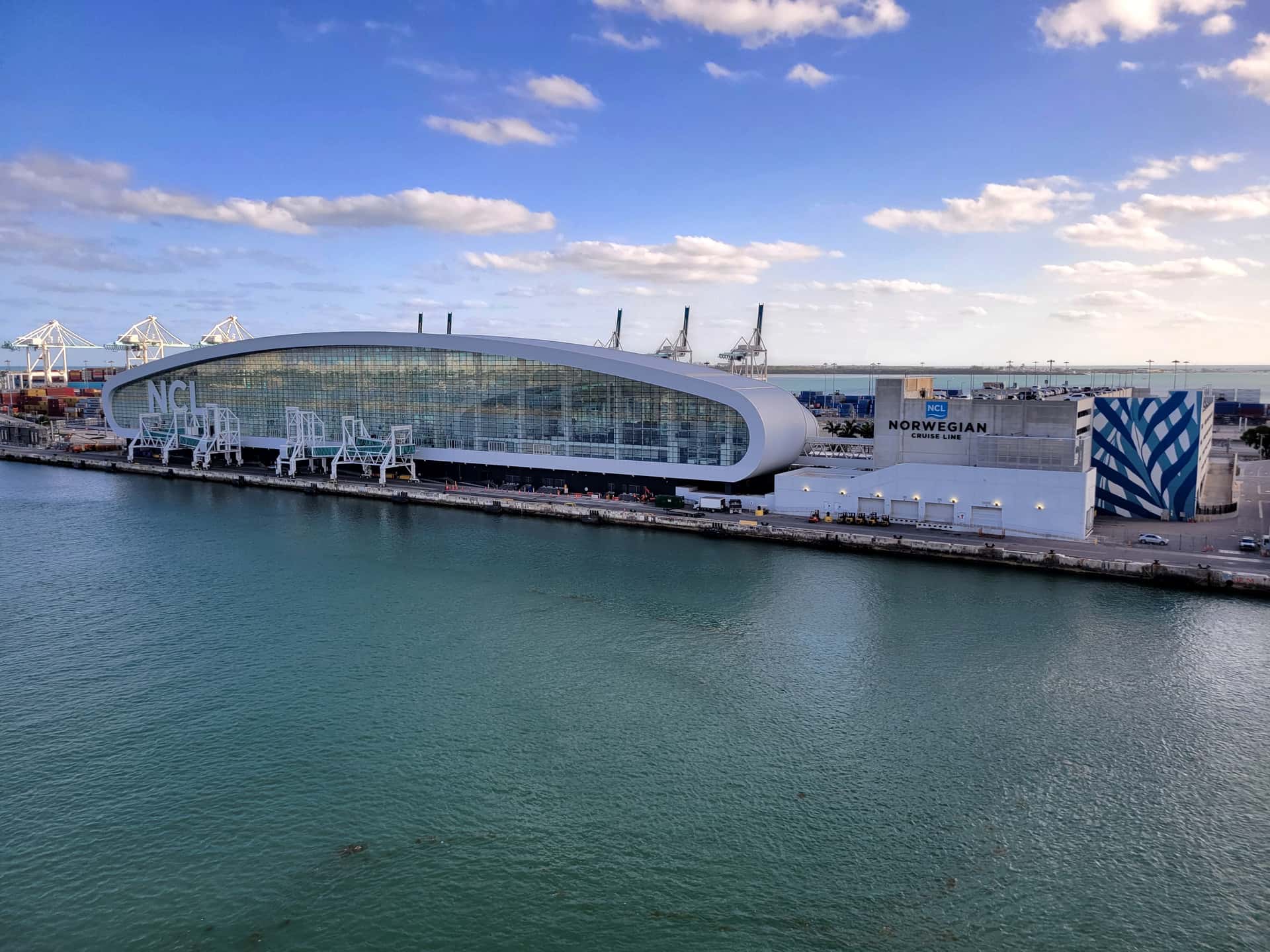
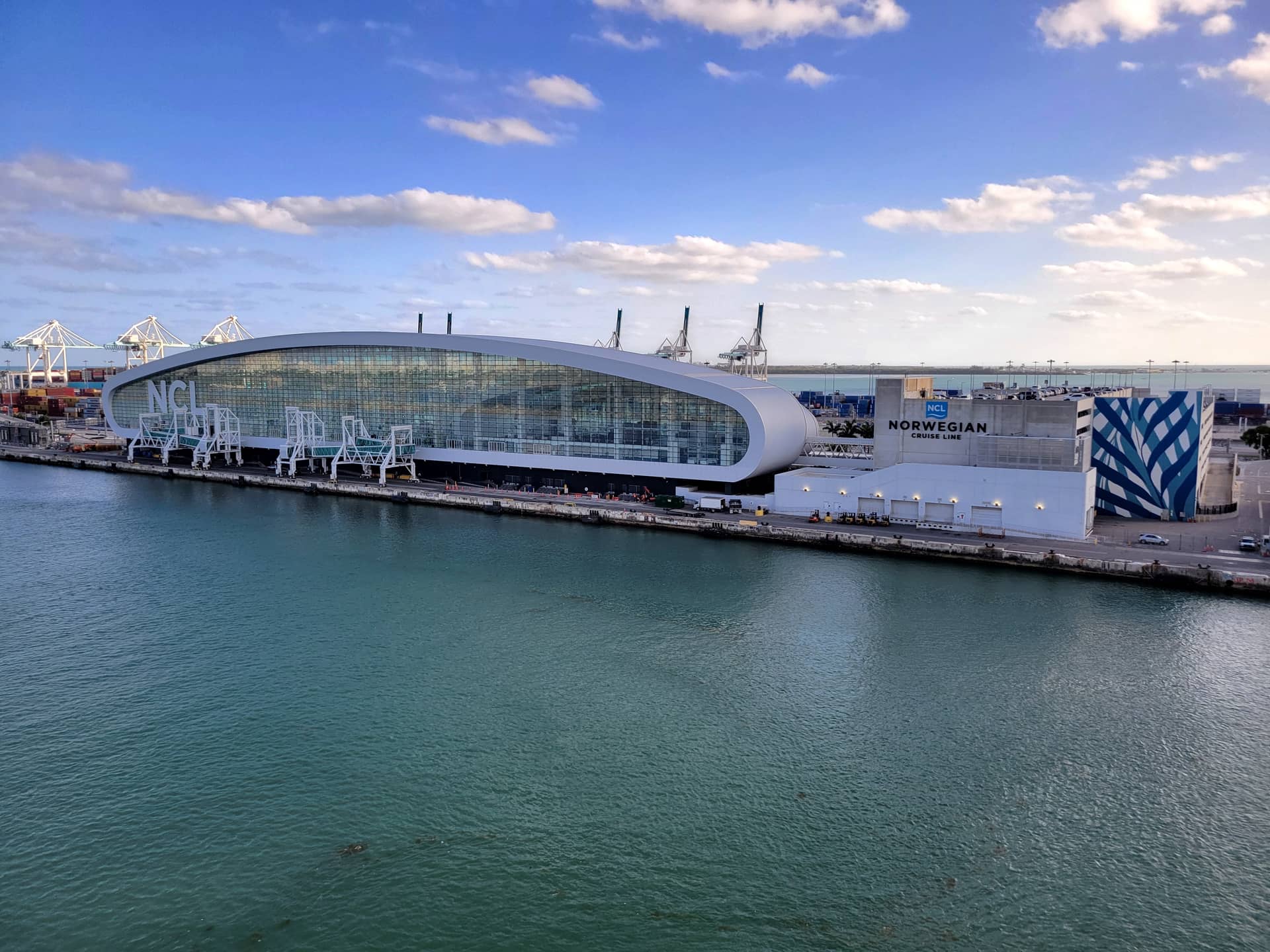
As summer cruising peaks in 2026, Florida's cruise industry remains a national economic engine centered squarely on the state, with PortMiami at its heart. The port ranks as the world's busiest cruise port, handling more than 7.2 million cruise passengers a year, a volume that anchors a sector reaching far beyond South Florida. The world's two largest cruise companies call the Miami area home: Carnival Corporation, the largest, is based in Doral near Miami, and Royal Caribbean Group, the second largest, is headquartered in Miami. Now PortMiami is investing in its future, building a new Royal Caribbean-exclusive terminal in a project of roughly $345 million designed to handle the largest Icon-class ships, which carry about 7,000 passengers per call. For Florida, the stakes are jobs, tourism spending, port revenue and the state's outsized role in global cruising. What comes next is a summer season that tests the industry's momentum and a terminal project that points toward continued growth.
The World's Busiest Cruise Port
PortMiami's standing as the world's busiest cruise port rests on the more than 7.2 million cruise passengers it handles each year. That throughput places it at the top of the global cruise industry, a position that draws ships, passengers and economic activity to South Florida on a scale matched nowhere else.
The volume reflects both the port's infrastructure and its location at the gateway to popular cruise destinations. Miami's position has made it a natural hub for the industry, and the port has built the terminals, berths and supporting facilities needed to move millions of passengers through each year.
That scale carries economic weight. Each passenger represents spending and activity that ripples through the local and state economy, from the operations of the port itself to the businesses that serve travelers before and after their voyages. PortMiami's leading position thus translates into a significant economic footprint for Florida.
The figure of more than 7.2 million passengers a year places PortMiami in a category of its own among cruise ports. Sustaining that volume requires a steady rotation of ships, well-coordinated terminal operations, and the capacity to handle peaks during the busiest seasons. The port's ability to manage that flow year after year has cemented its standing at the top of the global industry and made it a fixture of South Florida's economy.
Home to the Industry's Giants
Florida is not only a port for the cruise industry but its corporate home. Carnival Corporation, the world's largest cruise company, is based in Doral near Miami. Royal Caribbean Group, the second largest, is headquartered in Miami itself. The presence of the two biggest players in the industry concentrates corporate decision-making in the region.
That concentration brings headquarters jobs, executive operations and the broader business activity that accompanies major corporate presences. The companies' decisions about fleets, routes and investments are made in the Miami area, reinforcing the region's central role in the global industry.
The pairing of the world's busiest cruise port with the headquarters of its two largest companies gives Florida a uniquely dominant position in cruising. Few industries are so thoroughly anchored in a single region, and that concentration amplifies the economic stakes for South Florida and the state as a whole when the industry grows or contracts.
A $345 Million Bet on the Future
PortMiami is backing its leading position with new investment. The port is building a new Royal Caribbean-exclusive terminal, a project of roughly $345 million, with construction beginning around the summer of 2025 and completion targeted around 2027. The terminal represents a substantial commitment to expanding the port's capacity.
The new facility is designed to handle the largest Icon-class ships, which carry about 7,000 passengers per call. Accommodating vessels of that size requires terminals built to move large volumes of passengers efficiently, and the project aims to position PortMiami to serve the biggest ships in the industry's fleet.
The timing of the investment, with construction underway and completion a year or so off, signals confidence in the industry's continued growth. By building capacity for the largest ships, the port is betting that demand will support vessels carrying thousands of passengers per call, and that PortMiami will remain the destination of choice for the industry's flagship ships.
The Economic Engine for South Florida
The cruise industry's concentration in Florida makes it a powerful economic engine for the region. Jobs span the operations of the port, the headquarters of the major companies, and the wide range of businesses that support cruising, from provisioning ships to serving the millions of passengers who pass through.
Tourism spending adds another layer. Cruise passengers spend money in the region before and after their voyages, supporting hotels, restaurants, transportation and attractions. That spending flows through the local economy, amplifying the direct economic activity generated by the port and the cruise companies themselves.
Port revenue rounds out the picture. The fees and activity associated with handling more than 7.2 million passengers a year contribute to the port's finances and, by extension, to the public coffers that benefit from its operations. Together, jobs, tourism spending and port revenue make the cruise industry a cornerstone of the South Florida economy.
The concentration of the industry's headquarters in the region compounds those benefits. The corporate operations of Carnival Corporation in Doral and Royal Caribbean Group in Miami support professional jobs and business activity that complement the work generated by the port itself. The result is an economic ecosystem in which the operational and corporate sides of cruising both anchor in the same region, deepening the industry's roots in South Florida.
A Summer Season Under Watch
The summer of 2026 marks a peak period for cruising, putting the industry's momentum on display. The busy season tests the capacity of PortMiami and the broader Florida cruise infrastructure, as ships move large volumes of passengers through the region during the height of demand.
For the businesses tied to cruising, the summer season represents a critical window. Strong passenger volumes translate into robust activity across the economy that depends on the industry, while the season's performance offers a read on the health of cruising as it continues to recover and grow from earlier disruptions.
PortMiami's role as the world's busiest cruise port places it at the center of that seasonal activity. As the summer unfolds, the port's operations and the flow of passengers through its terminals serve as a barometer for the industry's strength, with implications for the jobs, spending and revenue that ride on its performance.
The summer season and the rising terminal carry different meanings for the many groups whose interests are bound up with cruising. Port workers and the broader local workforce watch the flow of ships and passengers as a measure of the stability of their livelihoods, since a strong season sustains the jobs tied to provisioning, terminal operations and passenger handling. A robust summer reassures those workers, while a softer one would be felt across the wide range of trades that keep the port running.
Local officials and the businesses that serve travelers have their own vantage point. For officials, the port is a source of revenue and a driver of the regional economy, but its growth also raises questions about traffic, infrastructure and the capacity of the surrounding area to absorb ever-larger volumes of visitors. For hotels, restaurants and transportation providers, the season is a chance to capture the spending of passengers passing through, and the prospect of larger ships calling at the new terminal points toward even greater volumes to serve in the years ahead.
The cruise companies themselves, headquartered in the Miami area, are watching the season as a read on demand for the voyages they sell and the vessels they continue to build. Their decisions about where to base ships and how to deploy their fleets shape the fortunes of the port and the region, making the summer's performance a signal that reaches from the waterfront to the corporate offices nearby. Across all these groups, the common thread is a shared stake in keeping Florida at the center of the industry.
Building for Bigger Ships
The push toward larger vessels shapes the industry's trajectory and PortMiami's investments. The new terminal's design for Icon-class ships carrying about 7,000 passengers per call reflects a broader trend toward bigger vessels that concentrate more passengers on each voyage.
Handling such ships requires infrastructure built to match their scale. A single Icon-class call brings thousands of passengers through a terminal at once, demanding facilities capable of moving them efficiently. The roughly $345 million terminal project responds to that demand, positioning the port to serve the industry's largest ships.
The focus on bigger ships carries implications for the region. Larger vessels can mean more passengers, and more passengers can mean more economic activity, provided the infrastructure keeps pace. PortMiami's investment in capacity for the biggest ships aligns the port with the direction of the industry, aiming to capture the growth that larger vessels represent.
Florida's Outsized Role in Global Cruising
The combination of the world's busiest cruise port, the headquarters of the two largest cruise companies, and major new infrastructure investment underscores Florida's outsized role in global cruising. Few places concentrate so much of the industry's activity and corporate weight in one region.
That dominance did not arise by chance. Miami's location, the port's investments over time, and the decisions of the major companies to base themselves in the area have combined to make Florida the center of gravity for cruising. The new terminal project extends that legacy, reinforcing the state's position for years to come.
That concentration also gives the region a measure of influence over the direction of the industry. With the headquarters of the two largest companies and the busiest port all anchored in the same area, decisions made in South Florida ripple outward to ports, itineraries and shipyards around the world. The investment now rising at PortMiami signals that the region intends to hold that position rather than cede ground, building the capacity needed to keep the industry's flagship ships sailing from its terminals.
For Florida, the industry's concentration means the fortunes of cruising and the fortunes of the state's economy are closely linked. As the industry grows, so do the jobs, spending and revenue it generates for the region. The summer 2026 season and the rising terminal both point toward an industry, and a state, intent on building on that dominance.
What's Next
The near term centers on the peak summer 2026 cruising season, as PortMiami and the broader Florida industry handle the height of passenger demand. The season's performance will offer a read on the industry's momentum and the economic activity it generates across South Florida.
Looking further ahead, the roughly $345 million Royal Caribbean-exclusive terminal, with completion targeted around 2027, points toward continued growth. Once finished, the facility is set to handle the largest Icon-class ships, expanding the port's capacity and reinforcing its standing as the world's busiest cruise port.
For Florida, the trajectory is one of continued investment and a deepening role at the center of global cruising. With the world's two largest cruise companies based in the Miami area and new infrastructure rising, the state appears positioned to sustain the jobs, tourism spending and port revenue that make cruising a pillar of the South Florida economy.
Spotted an issue with this article?
Have something to say about this story?
Write a letter to the editor