PortMiami Breaks Ground on $345 Million Royal Caribbean Cruise Terminal
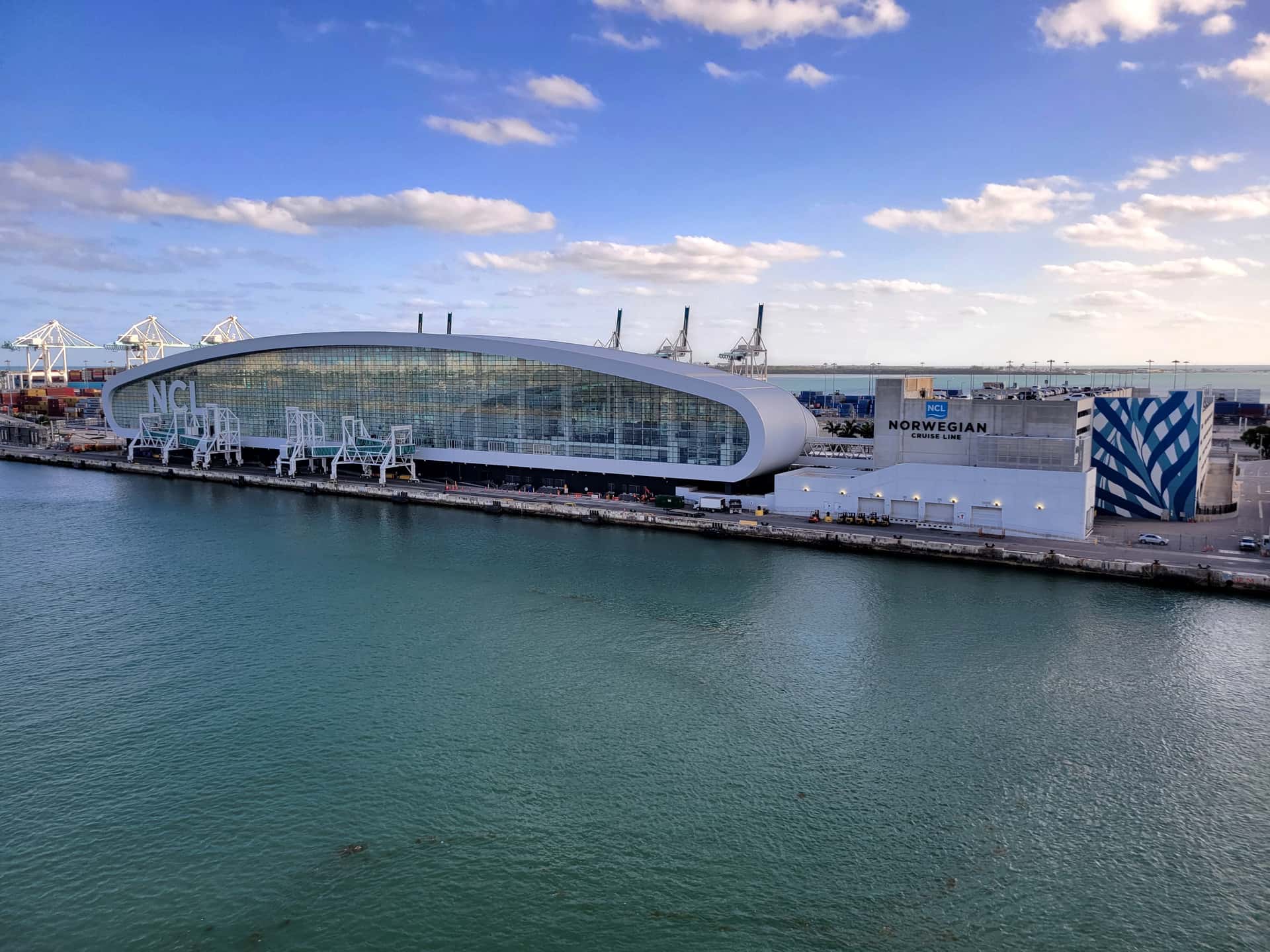
PortMiami, the world's busiest cruise port, is undertaking a major expansion that underscores South Florida's central role in the global cruise industry. The port is demolishing its old Terminal G to make way for a new cruise facility built exclusively for Royal Caribbean Group, a $345 million project whose construction began January 7, 2026, with completion targeted for the fourth quarter of 2027. The new terminal is designed to accommodate the world's largest passenger ships, including Royal Caribbean's Icon-class vessels, positioning Miami to host the biggest cruise ships afloat as demand for cruising continues to grow.
A Landmark Investment in South Florida
The $345 million price tag reflects the scale and ambition of the project. Replacing the aging Terminal G with a modern, purpose-built facility represents one of the more significant infrastructure investments at a port that already handles more cruise passengers than any other in the world. The dedicated Royal Caribbean Group facility signals the deepening partnership between the cruise giant and the port that serves as a cornerstone of its operations.
Construction began on January 7, 2026, and the project is scheduled for completion in the fourth quarter of 2027, giving the port nearly two years to deliver the new terminal. During that period, the port and its partners will manage the transition from the old facility to the new one, balancing ongoing cruise operations against the demands of a major construction site. The timeline points to a facility coming online well in advance of future deliveries of the largest vessels.
The decision to build a terminal exclusively for Royal Caribbean Group reflects the volume of business the cruise company generates at PortMiami. A dedicated facility allows for tailored design, streamlined boarding, and the infrastructure necessary to handle the largest ships efficiently. For travelers, that can mean a smoother embarkation experience, and for the port, it secures a long-term relationship with one of the industry's dominant players.
Built for the World's Largest Ships
Central to the project is its capacity to handle Royal Caribbean's Icon-class vessels, among the largest passenger ships ever built. These mega-ships carry thousands of passengers and crew, and accommodating them requires terminals capable of moving large numbers of people quickly and safely through embarkation and disembarkation. The new PortMiami facility is engineered with that scale in mind.
The ability to host the world's largest ships is more than a point of pride. As cruise lines invest in ever-larger vessels to capture economies of scale and offer expansive onboard amenities, ports that can accommodate them gain a competitive edge. By building for the Icon class, PortMiami ensures it remains a homeport of choice for the flagship ships that anchor cruise lines' itineraries and marketing.
For Miami, hosting these vessels translates into substantial passenger throughput. Each sailing of a mega-ship brings thousands of travelers through the terminal, many of whom spend time and money in the region before and after their voyages. The new facility is designed to handle that flow efficiently, reducing bottlenecks that can frustrate passengers and strain port operations.
A Hub for the Industry's Biggest Names
PortMiami's significance extends well beyond a single cruise line. The port serves as homeport for an array of the industry's biggest names, including Royal Caribbean International, Carnival Cruise Line, Norwegian Cruise Line, MSC Cruises, Disney Cruise Line, and Virgin Voyages. That concentration of major operators in one port reinforces Miami's status as a global cruise capital and a critical node in the worldwide cruise network.
The presence of so many cruise lines under one port's operations creates a powerful economic engine. Ships sailing from Miami draw passengers from across the country and around the world, many of whom arrive a day or more early, fill hotel rooms, dine in local restaurants, and patronize area attractions. The new Royal Caribbean terminal adds capacity to a system already operating at a high level of activity.
The diversity of cruise brands homeported at PortMiami also provides resilience. With multiple operators serving different market segments, from family-focused Disney sailings to adults-only Virgin Voyages cruises, the port is not dependent on any single line. The Royal Caribbean expansion strengthens one important relationship while the broader roster of operators continues to support the port's overall volume.
Carnival Rewards Loyal Guests
Even as the construction project moves forward, another change is reshaping the cruise experience for many travelers sailing from Miami. Carnival Cruise Line's new loyalty and rewards program took effect June 1, 2026. Under the change, guests at the top Diamond tier of Carnival's VIFP program retain that status permanently, a benefit that rewards the line's most dedicated cruisers and reflects the importance loyalty programs play in retaining customers.
Loyalty programs have become a key competitive tool in the cruise industry, where repeat customers form a valuable and reliable base. By granting permanent Diamond status to its top-tier guests, Carnival recognizes the travelers who sail most frequently and seeks to deepen their attachment to the brand. For passengers who cruise out of PortMiami, the change adds a tangible reward to their continued patronage.
The timing of the loyalty change, coinciding with the start of the summer cruise season, highlights how cruise lines compete for guests through both hardware, such as new ships and terminals, and softer benefits like rewards programs. As the industry ramps up for its peak travel months, these enhancements aim to keep guests booking and returning to the ports and lines they favor.
Economic Lifeblood for the Region
The cruise industry is woven deeply into South Florida's economy. Cruising supports thousands of jobs, from longshore workers and terminal staff to the hospitality, transportation, and retail sectors that serve arriving and departing passengers. PortMiami's status as the world's busiest cruise port makes it a major contributor to the regional economy and a source of employment across a wide range of fields.
The ripple effects extend across the broader Miami area. Cruise passengers frequently combine their voyages with stays in the city, generating business for hotels, restaurants, rideshare and taxi services, and tourist attractions. The provisioning of ships, from food and beverages to fuel and supplies, supports additional commerce, while the cruise lines themselves maintain corporate operations in the region. A $345 million terminal investment reinforces this economic ecosystem and signals confidence in its future.
The new Royal Caribbean facility is poised to add to that economic activity by enabling larger ships and more passengers to move through the port. More travelers means more spending in the surrounding economy, more demand for services, and more opportunities for the businesses that depend on cruise tourism. As the summer season ramps up, the expansion underscores the industry's role as a pillar of South Florida's prosperity.
Managing Construction Alongside Operations
Undertaking a major construction project at an active port presents logistical challenges that the demolition of Terminal G and the building of the new facility must navigate. PortMiami continues to handle a high volume of cruise traffic throughout the project, meaning the work has to proceed without disrupting the embarkation and disembarkation of passengers at the port's other terminals. Coordinating heavy construction with ongoing operations requires careful planning to keep both running smoothly.
The nearly two-year timeline, running from the January 2026 start to the targeted completion in the fourth quarter of 2027, provides a window to manage that balance. Demolishing the old terminal and erecting a modern replacement capable of serving the largest ships is a substantial undertaking, and the schedule reflects the scope of the work involved. Throughout the period, the port and its partners must sequence construction phases to minimize interference with the cruises that continue to sail.
For passengers and the businesses that depend on the port, the goal is a seamless transition in which the new terminal comes online without interrupting the flow of cruise tourism that sustains the regional economy. The investment of $345 million signals a commitment to delivering a facility that will serve the port for years to come, and the management of the construction process will shape how smoothly that future arrives. When complete, the terminal is expected to enhance capacity rather than constrain it.
Expansion Meets Rising Demand
The timing of the PortMiami expansion aligns with sustained growth in cruise travel. As the summer cruise season ramps up, demand for sailings remains strong, and cruise lines are responding with larger ships and enhanced offerings. The new terminal positions PortMiami to capture a share of that growth by ensuring it can handle the mega-ships that increasingly define the industry.
Building infrastructure ahead of demand is a strategic move for a port that aims to maintain its leading position. By investing now in a facility capable of serving the largest vessels, PortMiami avoids the risk of being unable to accommodate future ships and the passengers they carry. The 2027 completion target sets the stage for the port to welcome new generations of cruise ships as they enter service.
For Royal Caribbean Group, the dedicated terminal secures prime capacity at a port central to its business. For Miami, it cements a long-term relationship and the economic benefits that flow from it. The combination of expanded hardware and evolving loyalty offerings across the industry points to a cruise sector investing heavily in its future, with South Florida at the center of that investment.
What's Next
With construction underway since January 2026 and completion targeted for the fourth quarter of 2027, attention turns to how the project progresses and how the broader cruise season unfolds at PortMiami. The new Royal Caribbean Group terminal will eventually take its place alongside the facilities serving Carnival, Norwegian, MSC, Disney, and Virgin Voyages, expanding the port's capacity to host the largest ships afloat. In the nearer term, Carnival's revamped loyalty program and the busy summer travel period will shape the passenger experience across the port. As the world's busiest cruise port continues to grow, the expansion stands as a marker of confidence in cruising's future and in South Florida's enduring role as a global cruise capital.
Spotted an issue with this article?
Have something to say about this story?
Write a letter to the editor