PortMiami Sets Another Cruise Passenger Record as Florida Cements Its Hold on the Industry
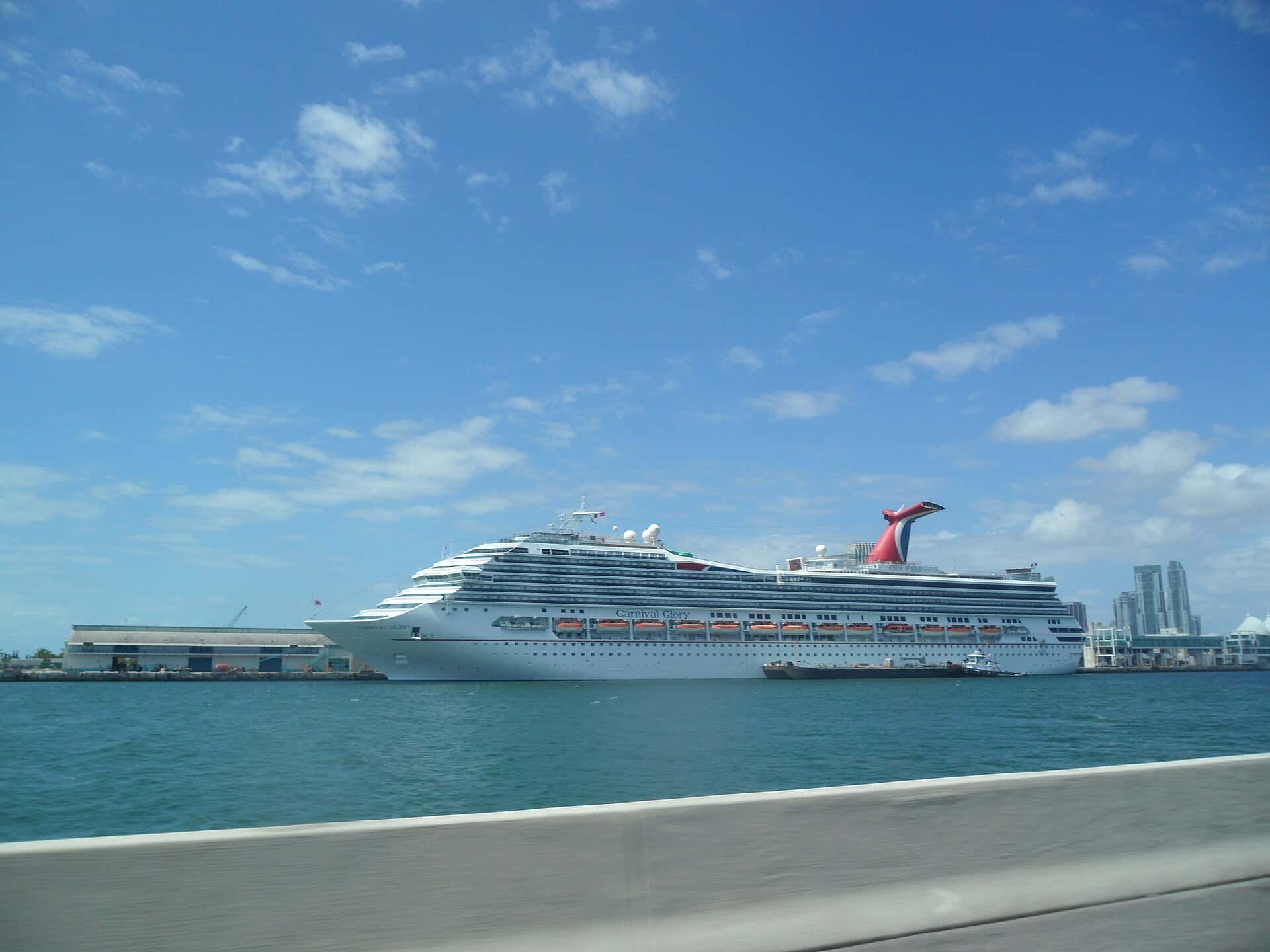
PortMiami welcomed 8,564,225 cruise passengers in fiscal year 2025, which ran from October 1, 2024, through September 30, 2025, setting a new record for the busy South Florida port. The figure marked a 4.02% increase over the prior record of 8,233,056 passengers, extending a streak of growth that has kept Florida at the center of the global cruise industry. For a state that bills itself as the cruise capital of the world, the milestone underscores how deeply the business is woven into the regional economy.
The record at PortMiami did not stand alone. Port Canaveral, on Florida's Space Coast, also set an annual passenger record, giving the state two of its leading ports posting all-time highs in the same period. Together, the two ports anchor a cruise economy that supports jobs, draws tourism spending, and generates state and local tax revenue, making the industry a significant pillar of Florida's broader tourism sector.
The growth has been visible in dramatic fashion. In April 2026, PortMiami berthed 10 cruise ships in a single day, its busiest day of the year, including some of the world's largest vessels. That concentration of ships and passengers showcased the port's capacity and its standing as a hub for the industry's biggest players, while also highlighting the logistical demands that come with handling such volume.
A Record Year at PortMiami
The headline figure of 8,564,225 passengers represents the culmination of years of steady expansion at PortMiami. Surpassing the previous record of 8,233,056 by just over 4% may sound modest in percentage terms, but at this scale it means hundreds of thousands of additional travelers passing through the port's terminals over the course of the fiscal year. Each of those passengers represents spending, travel, and economic activity tied to the region.
Fiscal year reporting, running from October through September, captures a full cycle of cruise activity, including the peak winter season when South Florida's warm weather draws travelers from colder climates. PortMiami's position at the southern tip of the peninsula gives it ready access to Caribbean itineraries that remain the backbone of the cruise market, a geographic advantage that has fueled its sustained growth.
The record also reflects the port's continued investment in capacity. Handling more than 8.5 million passengers requires extensive terminal infrastructure, staffing, and coordination, and the ability to absorb growing volume without breaking stride speaks to the port's standing among the world's leading cruise gateways. The 4.02% gain extends a trajectory that has made record-setting a near-routine occurrence at the port.
Each passenger who moves through PortMiami contributes to a wider chain of economic activity that reaches well beyond the terminals. Travelers spend on hotels, restaurants, transportation, and attractions before and after their voyages, and many extend their trips into stays across South Florida. The port's workforce, from terminal staff to provisioning crews and the businesses that supply the ships, depends on the steady flow of passengers. A record year therefore translates into measurable benefits for workers and businesses across the region, reinforcing the cruise sector's role as a driver of local employment and spending.
Two Florida Ports, Two Records
PortMiami's achievement was matched by Port Canaveral, which likewise set an annual passenger record in the same period. The dual milestones illustrate that Florida's cruise strength is not concentrated in a single location but spread across multiple major ports, each commanding a share of the global market. Port Canaveral's proximity to Central Florida's tourism corridor gives it a distinct draw, complementing PortMiami's South Florida base.
The simultaneous records reinforce Florida's claim as the cruise capital of the world. Few places can boast multiple ports of this scale operating at full strength at once, and the combination positions the state as the dominant point of embarkation for the industry. Travelers from across the country and around the world funnel through these Florida gateways to begin their voyages.
For the state, having two record-setting ports means the economic benefits are distributed across regions. South Florida and the Space Coast both reap the rewards of jobs, visitor spending, and tax revenue tied to cruise traffic. That geographic spread strengthens the resilience of Florida's cruise economy, since the fortunes of the industry are not pinned to any one port's performance.
The Busiest Day and the World's Largest Ships
The single-day spectacle in April 2026, when PortMiami berthed 10 cruise ships at once, captured the scale of the operation in vivid terms. As the port's busiest day of the year, it brought a surge of passengers, vehicles, and activity to the waterfront, including some of the world's largest cruise vessels. These mega-ships carry thousands of passengers each, and concentrating several of them in one day pushed the port's systems to their peak.
The presence of the world's largest ships at PortMiami signals its importance to the cruise lines that operate them. Building and deploying such vessels represents an enormous investment, and the lines route them to ports capable of handling their size and passenger loads. PortMiami's ability to accommodate these flagships places it at the forefront of where the industry's most significant assets call home.
Days like the one in April also demonstrate the port's capacity ceiling and the coordination required to operate near it. Berthing 10 ships demands precise scheduling of arrivals, departures, embarkation, and disembarkation, along with the movement of provisions, luggage, and crew. The successful handling of such a day reflects the operational maturity that has helped the port sustain its record-setting pace.
Strong Results from the Major Lines
The port records arrive alongside robust financial results from the cruise lines themselves. Carnival Corporation reported about $26.2 billion in 2026 global revenue, an increase of roughly 7%, while Royal Caribbean reported about $17.4 billion, up roughly 9%. Those gains reflect strong demand for cruising and the industry's continued recovery and growth, conditions that translate directly into the passenger volumes flowing through Florida's ports.
Major lines including Carnival, Royal Caribbean, Norwegian, and MSC sail from PortMiami, giving the port a roster that spans the industry's leading brands. That concentration of operators means PortMiami benefits from the collective strength of the sector rather than depending on any single company. When the major lines post growing revenue, the ports that serve as their embarkation points share in the momentum.
The financial health of the lines matters to Florida because it shapes their investment decisions, from deploying new ships to expanding itineraries. Strong revenue supports continued growth, and the lines' commitment to sailing from Florida ports reinforces the state's central role in their operations. The combination of record passenger counts and rising line revenue points to an industry in a period of expansion, with Florida positioned to capture much of the benefit.
The diversity of operators at PortMiami also insulates the port against shifts in any single company's fortunes. With Carnival, Royal Caribbean, Norwegian, and MSC all sailing from the port, demand is spread across multiple brands that target different segments of the travel market, from value-focused cruisers to those seeking premium experiences. That breadth helps the port maintain steady traffic even as individual lines adjust their fleets and itineraries, and it positions PortMiami to benefit from the overall growth of the sector rather than the success of one operator alone.
Growth Brings Congestion Challenges
The same growth that has produced record passenger counts has also created challenges, most visibly in traffic congestion around the port. The surge of vehicles tied to embarkation and disembarkation, particularly on the busiest days, strains the roadways serving the waterfront. Officials are working to address the congestion, recognizing that the visitor experience and the surrounding community both depend on manageable traffic flow.
Congestion is a byproduct of success, but it carries real costs. Long delays can frustrate passengers, complicate logistics for the lines, and affect residents and businesses near the port. Managing the flow of so many travelers and vehicles is an ongoing task that grows more demanding as passenger volumes climb, and it represents one of the practical limits the port must navigate as it expands.
Addressing these pressures is part of sustaining the cruise economy over the long term. The port's continued growth depends not only on terminal capacity but on the broader transportation network that moves passengers to and from the ships. Officials' efforts to ease congestion reflect an understanding that the industry's benefits to Florida rest on keeping the experience smooth even as the numbers grow.
The challenge is heightened by the trend toward larger ships, which unload and load thousands of passengers in concentrated windows. When several mega-ships turn over on the same day, the resulting surge of vehicles can overwhelm nearby roads if it is not carefully managed. Balancing the economic upside of growing passenger volumes against the strain on surrounding infrastructure is a defining task for the port and the local officials who share responsibility for the roadways that feed it.
What's Next
With PortMiami and Port Canaveral both posting records and the major cruise lines reporting rising revenue, the trajectory points toward continued growth for Florida's cruise economy. The deployment of ever-larger vessels and strong consumer demand suggest that passenger volumes could keep climbing, extending the run of record-setting years that has defined the state's ports.
The central question for the coming period is how Florida manages the growth. Easing traffic congestion around PortMiami, expanding capacity, and maintaining the infrastructure that supports millions of passengers will shape whether the industry's expansion continues smoothly. Officials' work to address these challenges will be tested as ships grow larger and busy days like the 10-ship arrival in April become more common.
For Florida, the cruise industry remains a cornerstone of tourism, supporting jobs and generating tax revenue that ripples through the economy. As the cruise capital of the world, the state stands to benefit from an industry in expansion, provided its ports can keep pace with the demand. The records set at PortMiami and Port Canaveral mark the latest chapter in that story, with the next likely to bring still higher numbers and the logistical work required to sustain them.
Spotted an issue with this article?
Have something to say about this story?
Write us a letterComments
No comments yet. Be the first to weigh in.
Related Coverage

Miami magistrate orders Trump to sit for BBC deposition by Dec. 11 or risk losing his $10 billion lawsuit
1h ago
Advocates Say ICE Plans to Deport Gravely Ill Krome and Broward Detainees to Africa; DHS Denies It
4h ago

ACA Open Enrollment for 2027 Opens Nov. 1: What Florida, the Nation's Largest Marketplace, Faces
4h ago

Trump Revives Cuba Intervention Talk at Florida Rally, Saying Warships Returning From Iran Could Stop Off the Island
22h ago