Rays Back Home at the Trop: Tampa Bay Stays in the AL Playoff Race
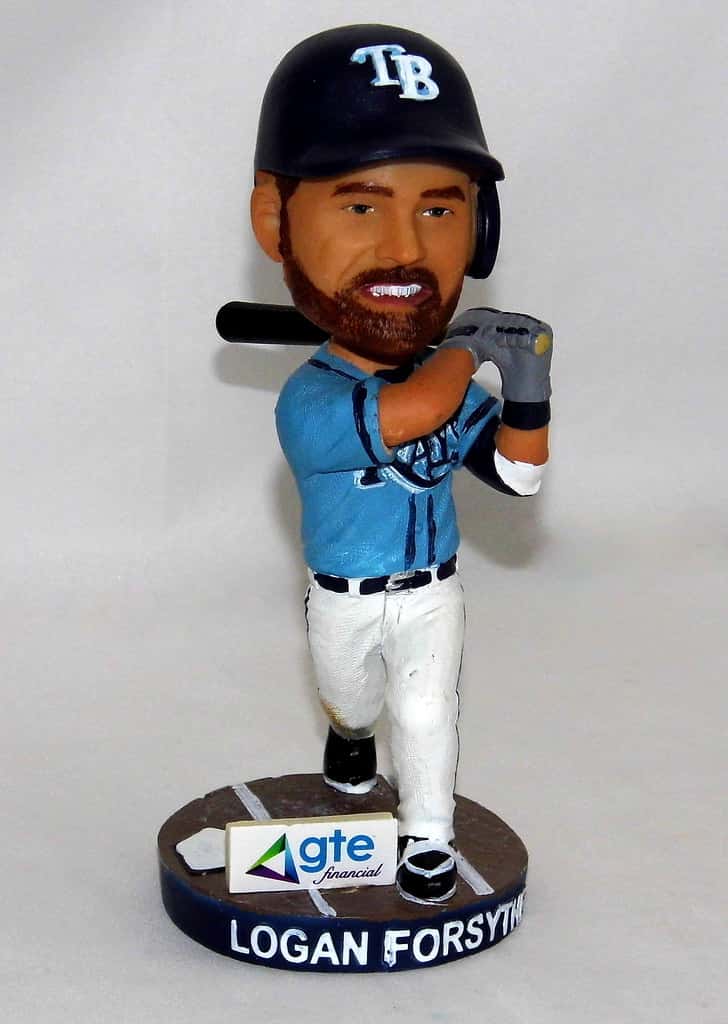
The Tampa Bay Rays are home again. After spending the 2025 season at George M. Steinbrenner Field in Tampa while Tropicana Field underwent repairs for roof damage caused by Hurricane Milton, the Rays have returned to their St. Petersburg ballpark for the 2026 season, and they have done so as a team firmly in the thick of the American League playoff race. Through the first half of the campaign, Tampa Bay has been competitive in a tight AL East, hosting opponents like the Washington Nationals at the Trop this past week.
The homecoming closes a difficult chapter for the franchise. Hurricane Milton's damage to Tropicana Field forced the Rays into a temporary home for an entire season, an arrangement that tested the organization, its players and its fans. Returning to the familiar confines of the domed stadium in St. Petersburg restores a measure of normalcy to a club that has long defied expectations regardless of its circumstances.
The return matters beyond the standings. For the franchise and for St. Petersburg, playing again at Tropicana Field reaffirms the Rays' presence in the city even as questions about the stadium's longer-term future linger. The on-field success only sharpens the moment, pairing a meaningful homecoming with a team that remains among the contenders in a competitive division.
What's next is the continuation of a season that has Tampa Bay positioned in the playoff mix, with more home games ahead at a ballpark that has once again become the center of the franchise's world.
A Long-Awaited Return to St. Petersburg
The 2026 season marks the Rays' first back at Tropicana Field since Hurricane Milton damaged the stadium's roof, an event that displaced the team for the entirety of the 2025 campaign. Playing a full season away from home is a substantial disruption for any organization, and the return to St. Petersburg restores the franchise to its established base after a year in temporary quarters.
The 2025 arrangement at George M. Steinbrenner Field in Tampa kept the Rays playing in their home region but away from the ballpark they have called home for years. That stretch required adjustments throughout the organization, from the players adapting to a different environment to the operations staff managing the logistics of a relocated season.
Returning to Tropicana Field brings those adjustments to an end. The familiar dome, with its distinctive playing conditions and its place in the Rays' identity, once again hosts the team's home schedule, giving players and fans alike the comfort of a return to routine after an unusual year away.
For a franchise that has built its identity around resilience, the homecoming is fitting. The Rays weathered a season of displacement and have come back to St. Petersburg with a competitive team, turning what could have been a setback into another chapter in the organization's long history of overcoming obstacles.
In the Thick of the AL Playoff Race
On the field, the Rays have given their returning home crowds plenty to cheer. Through the first half of the season, Tampa Bay has been competitive in the American League and remains in the playoff mix within a tight AL East, keeping the franchise among the contenders as the season progresses toward its later stages.
The AL East has long been one of baseball's most demanding divisions, and staying in the race requires consistency against strong competition. The Rays' position in the playoff hunt reflects the kind of steady, competitive play that has defined many of the franchise's most successful seasons, even as the broader landscape of the division remains closely contested.
This past week, the Rays hosted the Washington Nationals at Tropicana Field, one of the home series that have marked their return to St. Petersburg. Home games carry added significance this season given the year spent away, and each series at the Trop reinforces the team's reestablished presence in its home ballpark.
Where exactly the Rays stand in the standings is a matter best described in terms of contention rather than precise records, but the broader picture is clear: Tampa Bay remains in the thick of the AL playoff race, giving its fans a meaningful summer of baseball to follow at a newly reopened home.
The Rays' Resilient Roster-Building Model
Tampa Bay's continued competitiveness is no accident. The franchise has long operated under a distinctive roster-building model, one that emphasizes player development, shrewd evaluation and adaptability rather than the lavish spending that defines some of its division rivals. That approach has kept the Rays competitive across many seasons despite working with comparatively modest resources.
The model relies on identifying undervalued talent and developing it within a system designed to maximize each player's contribution. The Rays have built a reputation for finding contributors others overlook and for deploying their roster creatively, squeezing value from players and situations that might go unnoticed elsewhere.
That resilience proved especially relevant amid the disruption of the 2025 season. Navigating a year away from Tropicana Field while remaining competitive demanded the same adaptability that has characterized the franchise's roster decisions, and the team's continued presence in the playoff race in 2026 suggests the model endured the upheaval intact.
For the Rays, the roster-building approach is more than a strategy; it is an identity. The franchise's ability to compete in a tough division, even through a season of displacement, underscores how deeply that philosophy is woven into the organization's success and how it continues to shape the team's fortunes.
What the Return Means for the Franchise
The return to Tropicana Field carries meaning that extends beyond a single season's standings. For the franchise, playing again in St. Petersburg reaffirms its connection to the city and to the ballpark that has hosted Rays baseball for years, restoring a sense of continuity after the disruption of the previous season.
A home ballpark anchors a franchise in its community, and the year spent away highlighted how much the Rays' identity is tied to their home in St. Petersburg. The repaired stadium's reopening signals that the team's presence in the city continues, a reassurance for fans who endured a season of uncertainty about where and how their team would play.
The homecoming also reconnects the Rays with their local fan base in a direct and tangible way. Home games at the Trop give supporters the chance to return to familiar routines, gathering at the ballpark they know to watch a team that has remained competitive through a challenging stretch.
For an organization that has often had to chart its own path, the return to Tropicana Field represents stability regained. After a season defined by adaptation and displacement, the Rays are once again rooted in their home, playing meaningful baseball in front of the fans who have followed them through it all.
St. Petersburg and the City Connection
The Rays' return holds significance for St. Petersburg as well as for the franchise. A Major League Baseball team is a notable presence for any city, and the team's homecoming reaffirms St. Petersburg's place on the baseball map after a year in which the Rays played their home schedule elsewhere in the region.
The relationship between a team and its host city is shaped by the rhythms of the season, the home games that draw fans downtown and the broader sense of identity that a franchise lends to its community. The Rays' return to Tropicana Field restores those rhythms, bringing baseball back to St. Petersburg after the disruption caused by Hurricane Milton.
That connection unfolds against a backdrop of ongoing questions about the stadium's longer-term future, questions that have surrounded the franchise for years. The return to the repaired Trop addresses the immediate need for a home, even as the broader conversation about where the Rays will play in the years ahead continues.
For now, though, the focus in St. Petersburg is on the present: a team back in its home ballpark, competing in the playoff race and giving the city a summer of baseball to rally around. The longer-term questions remain, but the immediate reality is a homecoming the community can embrace.
The Stadium's Longer-Term Future
While the return to Tropicana Field resolves the immediate question of where the Rays will play in 2026, the longer-term future of the stadium and the franchise's home situation remains an open matter. The repaired ballpark serves the present season, but the broader trajectory of the Rays' home is a subject that has lingered around the organization.
Stadium questions are a familiar feature of the modern sports landscape, and the Rays have navigated their share of uncertainty on that front over the years. The damage from Hurricane Milton and the subsequent season away only added another layer to a conversation that predates the storm, keeping the future of the team's home in focus.
For the moment, the priority is the season at hand. The Rays are back at Tropicana Field, playing competitive baseball and giving their fans a reason to return to the ballpark, and the longer-term decisions about the stadium's future will play out on their own timeline in the months and years ahead.
The interplay between the season at hand and the questions about the future gives the franchise a dual narrative this summer. On one track is a competitive team chasing a playoff berth in front of its returning fans; on the other is a longer conversation about where Rays baseball will be played in the years to come, a discussion that will unfold well beyond the current campaign.
As for what is next on the field, the Rays will continue their 2026 schedule with more home games at the Trop and a season that has them positioned in the AL playoff race. Whatever the eventual answers about the stadium's future, the team's immediate task is to keep competing in a tight AL East and to make the most of its long-awaited return home.
Spotted an issue with this article?
Have something to say about this story?
Write a letter to the editor