Red Tide Stays Low on Florida's Southwest Coast, but the Threat to Manatees Endures
The organism responsible for Florida's red tide, Karenia brevis, was observed only at background concentrations in a single Pinellas County sample on the state's Southwest coast as of early June 2026. The bloom organism was not observed in Northwest Florida or along the East Coast, leaving the state largely free of the toxic algae that can foul beaches, sicken wildlife, and disrupt the Gulf Coast economy.
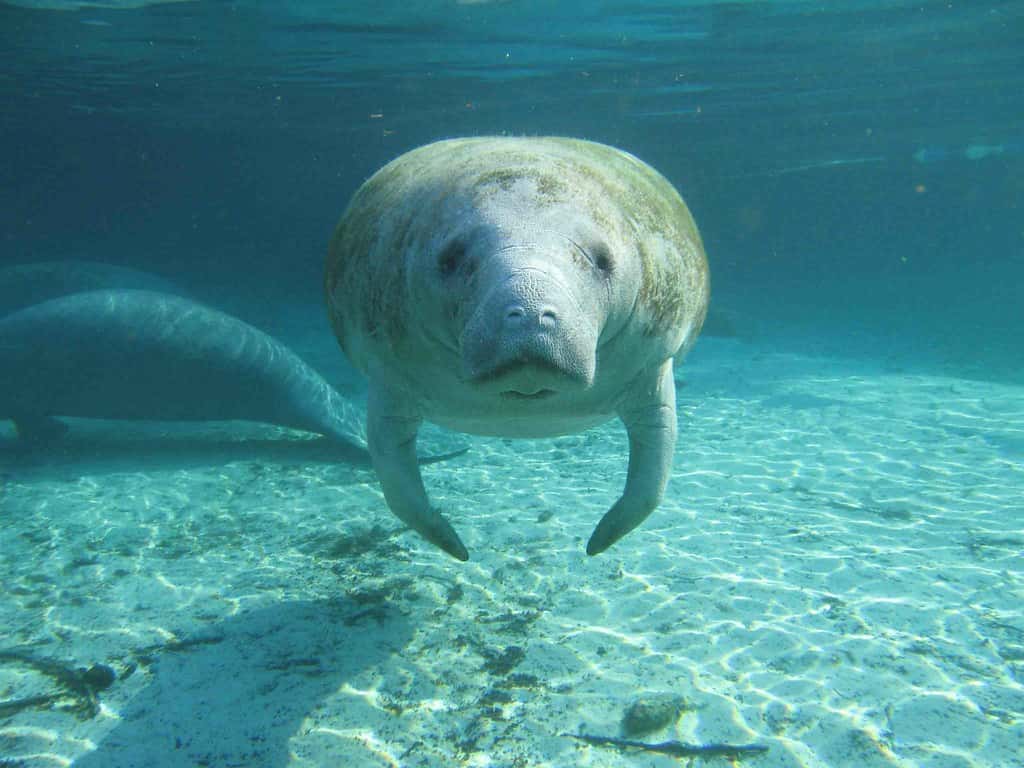
While the current readings offer reassurance, the threat that red tide poses to Florida's manatees endures regardless of any single season's conditions. The toxins produced during blooms can prove deadly to the state's beloved sea cows, coating their food and, after ingestion, causing paralysis that can leave the animals unable to surface and breathe.
The Florida Fish and Wildlife Conservation Commission, which monitors bloom conditions across the state's waters, tracks Karenia brevis as part of its broader effort to understand and respond to the recurring blooms. The low concentrations detected in early June represent a favorable starting point, but the dynamics of red tide mean conditions can change, and the underlying risks to manatees and coastal communities remain.
Where the Bloom Stands Now
As of early June 2026, the picture along Florida's coasts was notably calm. Karenia brevis appeared only at background concentrations, the lowest detectable level, in a single sample taken in Pinellas County on the Southwest coast. Background concentrations indicate the organism's presence without the elevated levels that characterize a bloom capable of widespread harm.
Crucially, the organism was not observed in Northwest Florida, the stretch of coast along the Panhandle, nor along the East Coast. That absence across large portions of the state means that, for the moment, most of Florida's coastline is free of red tide, sparing beaches and marine life from the effects that blooms can bring.
The concentration of the single detection in Pinellas County reflects the historical pattern of red tide on Florida's Southwest coast, where blooms have most frequently originated and intensified. Even so, a single background-level sample is far from a bloom, and the reading suggests that conditions in early June were quiet rather than alarming.
Monitoring by the Florida Fish and Wildlife Conservation Commission underpins this snapshot. The agency samples waters across the state to track where the organism appears and at what concentrations, providing the data that allows officials, residents, and businesses to gauge the current state of red tide.
How Red Tide Harms Manatees
The danger that red tide poses to manatees is both direct and severe. The toxins produced by Karenia brevis coat seagrass and other vegetation that manatees rely on for food. When the animals graze on contaminated plants, they ingest the toxin, setting in motion a process that can prove fatal.
After ingestion, manatees can become paralyzed. Because manatees are marine mammals that must surface to breathe, paralysis carries a particular peril: an animal unable to control its movements may be unable to reach the surface, leading to drowning. This sequence makes red tide one of the more insidious threats the species faces, striking through the very food the animals depend on.
The harm extends beyond the immediate toxicity. Large blooms can block sunlight from reaching the seafloor, and that loss of light kills seagrass, one of the manatee's key food sources. The destruction of seagrass beds compounds the danger, depriving manatees of nourishment even after a bloom subsides and the acute toxicity fades.
This dual threat, poisoning through contaminated food and the longer-term loss of the seagrass that sustains the species, makes red tide a serious concern for manatee conservation. Even a season of low concentrations does not erase the vulnerability, because the animals depend on the same coastal habitats where blooms recur.
A Natural Phenomenon Made Worse
Red tide is a natural phenomenon, a feature of Florida's coastal waters that predates the modern era and would occur even without human influence. Blooms of Karenia brevis have long been part of the Gulf ecosystem, arising from natural conditions in the water.
Yet the natural character of red tide does not mean human activity plays no role. The frequency, duration, and severity of blooms are worsened by nitrogen and phosphorus pollution that enters coastal waters. These nutrients, which can fuel the growth of the algae, come from sources tied to human activity, including fertilizer runoff and wastewater.
Fertilizer applied to lawns, agricultural fields, and landscaping can wash into waterways, carrying nitrogen and phosphorus that nourish blooms. Wastewater, whether from treatment systems or other sources, adds to the nutrient load. Together, these inputs can intensify blooms that might otherwise be smaller or shorter-lived, turning a natural event into a more damaging one.
This connection between pollution and bloom severity places red tide at the intersection of natural processes and human stewardship of the coast. While the phenomenon cannot be eliminated, the degree to which nutrient pollution amplifies it points to a dimension that management and policy can influence.
The Stakes for the Gulf Coast Economy
Florida's Gulf Coast depends heavily on the health of its beaches and waters, and red tide blooms can disrupt the tourism that drives much of the regional economy. When blooms reach the shore, they can leave beaches strewn with dead fish and fill the air with irritants, deterring the visitors whose spending sustains coastal communities.
The current low concentrations are therefore welcome news for the Gulf Coast economy as the summer travel season unfolds. With the organism observed only at background levels in a single Pinellas County sample and absent elsewhere, beaches across the region remain open and inviting, free of the disruptions that a significant bloom can bring.
Tourism is not the only economic interest at stake. Coastal businesses, from restaurants to recreational operators, rely on the steady flow of residents and visitors to the shore. A bloom that empties beaches ripples through these businesses, underscoring why the absence of red tide matters beyond its environmental dimension.
The favorable conditions in early June provide a measure of relief for the communities and businesses that depend on clean, accessible beaches. Still, the recurring nature of red tide means that economic vulnerability persists, and a bloom developing later in the season could change the outlook for the Gulf Coast.
Public Health and Respiratory Effects
Beyond its effects on wildlife and the economy, red tide carries public-health implications for people along the coast. Blooms of Karenia brevis can cause respiratory irritation, affecting beachgoers and residents who breathe air carrying the toxins aerosolized by surf and wind.
The respiratory effects can be particularly troublesome for individuals with existing conditions such as asthma, for whom exposure to red tide irritants can prove more than a passing nuisance. During significant blooms, health officials often advise sensitive individuals to limit time near affected beaches.
With concentrations currently at background levels and the organism absent from most of the state's coast, the public-health risk from red tide is minimal at present. The conditions that produce respiratory irritation generally accompany more substantial blooms, which the early June readings do not indicate.
Nonetheless, the potential for respiratory effects reinforces why monitoring matters. Should conditions shift and a bloom develop, the ability to track its location and intensity allows health officials to issue timely guidance, helping residents and visitors make informed decisions about beach activities.
Monitoring and Conservation Response
The Florida Fish and Wildlife Conservation Commission anchors the state's response to red tide through its monitoring of bloom conditions. By sampling waters across Florida's coasts, the agency tracks where Karenia brevis appears and at what concentrations, producing the data that informs public awareness and management decisions.
That monitoring is the foundation for understanding the current low-concentration picture. The detection of background-level organism in a single Pinellas County sample, alongside its absence in Northwest Florida and on the East Coast, reflects the kind of detailed tracking that the commission maintains to keep the state informed about red tide.
For manatee conservation specifically, the connection between red tide and the species' wellbeing makes bloom monitoring an important tool. Tracking blooms helps conservationists anticipate threats to manatees and to the seagrass habitats they depend on, supporting efforts to protect a species already facing pressures from habitat loss and other challenges.
The broader conservation effort recognizes that red tide is one of several threats to Florida's manatees, intertwined with the health of seagrass and the quality of coastal waters. Addressing the nutrient pollution that worsens blooms forms part of a larger commitment to the coastal ecosystems on which manatees and many other species rely.
What's Next
The low concentrations observed in early June provide a favorable starting point for the summer, but red tide's history on Florida's Southwest coast means conditions warrant continued attention. Blooms can develop and intensify, and the single background-level detection in Pinellas County, while reassuring, does not guarantee that the season will remain quiet.
Continued monitoring by the Florida Fish and Wildlife Conservation Commission will be essential to detecting any shift in conditions. Should a bloom develop, early detection allows officials to inform beachgoers, alert sensitive individuals to respiratory risks, and track threats to manatees and seagrass.
For manatees, the enduring nature of the red tide threat means that even a low-concentration season offers no lasting protection. The animals remain vulnerable to the toxins and to the loss of seagrass that blooms can cause, keeping red tide a persistent concern for conservation regardless of current readings.
The interplay between natural bloom dynamics and the nutrient pollution that worsens them will continue to shape Florida's experience of red tide. As the summer progresses, residents, businesses, and conservationists alike will be watching the Gulf Coast waters, hopeful that the calm conditions of early June endure through the season.
Spotted an issue with this article?
Have something to say about this story?
Write a letter to the editor