Rubio Touts Cuba and Venezuela Wins as Florida's Exile Communities Watch
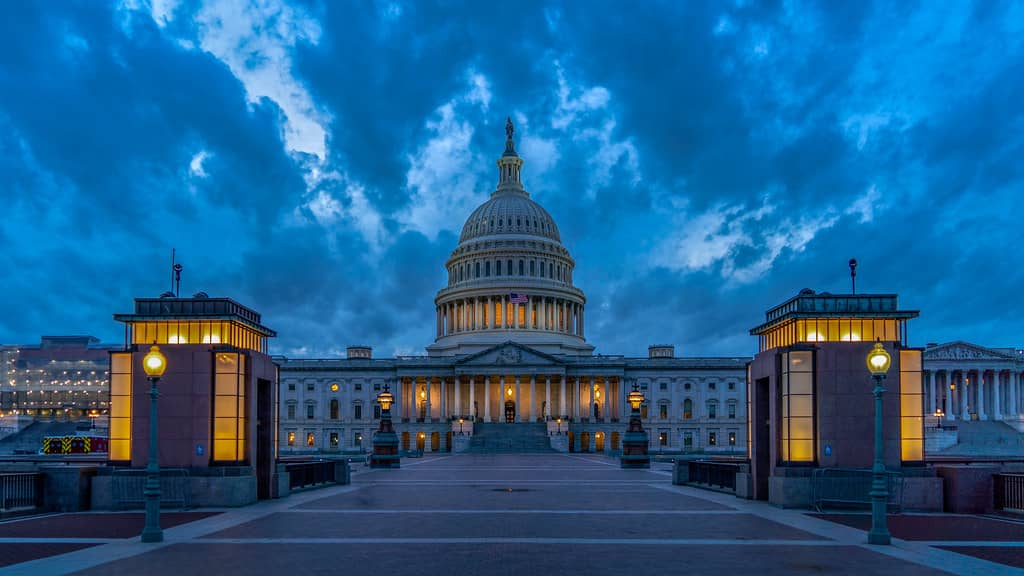
Secretary of State Marco Rubio, a former U.S. senator from Florida who also serves as acting national security adviser, testified on Capitol Hill in early June 2026 about Cuba and Venezuela policy, telling lawmakers the administration has "taken back control" of the Western Hemisphere in remarks watched closely by South Florida's large Cuban and Venezuelan diaspora communities. For the exile communities of Miami and the surrounding region, Rubio's testimony touched on issues at the center of their political identity.
Testifying on June 2, Rubio touted a January operation that, according to his testimony and reporting, removed Nicolas Maduro from power in Venezuela. Rubio characterized the outcome as one long sought by opponents of Cuba's government, which had been a Maduro ally. Those characterizations come from Rubio's own account before lawmakers and from reporting, rather than from independent confirmation in this publication's voice.
Rubio, who grew up in a Cuban American family in South Florida, has credited the exile community with shaping his foreign-policy views. His testimony placed the administration's approach to Cuba and Venezuela at the forefront, subjects of intense interest in a region where so many residents trace their roots to those two countries.
Rubio's testimony on the hemisphere
Appearing before lawmakers on June 2, Rubio addressed the administration's policy toward Cuba and Venezuela. He told lawmakers, according to his testimony, that the administration had "taken back control" of the Western Hemisphere, a framing that placed the region at the center of the administration's foreign-policy claims.
That phrase, attributed to Rubio's testimony, encapsulated the way he presented the administration's record in the hemisphere. As secretary of state and acting national security adviser, Rubio occupies a central role in shaping and articulating that policy, giving his testimony particular weight.
The hearing provided a forum for Rubio to lay out the administration's perspective on developments in the region. His remarks, delivered before Congress, became part of the public record on how the administration views its actions in the Western Hemisphere.
For audiences in South Florida, the testimony carried added significance. The region's diaspora communities follow U.S. policy toward Cuba and Venezuela with close attention, and a Cabinet secretary with Florida roots addressing those topics drew interest across the area.
The Venezuela operation
Central to Rubio's testimony was a January operation that, according to his account and to reporting, removed Nicolas Maduro from power in Venezuela. Rubio touted the operation as a significant achievement of the administration's policy in the hemisphere.
The removal of Maduro, as described in Rubio's testimony and in reporting, marked a major development for those who had long opposed his government. Rubio characterized the outcome as one long sought by opponents of Cuba's government as well, given that Cuba's government had been a Maduro ally.
These characterizations, the description of the operation and its significance, rest on Rubio's testimony and on reporting rather than on independent confirmation here. As such, they are presented as Rubio's account of events and the framing he offered before lawmakers.
For the diaspora communities of South Florida, the reported change in Venezuela resonates deeply. Many Venezuelan Americans in the region have closely followed political developments in their home country, and an account of Maduro's removal speaks directly to concerns that have animated the community.
The linkage Rubio drew between Venezuela and Cuba reflects a longstanding view among many in the exile communities that the fortunes of the two governments are intertwined. With Cuba's government having been an ally of Maduro, the reported developments in Venezuela carry implications, in Rubio's framing, for opponents of Havana's government as well. That connection deepens the relevance of the testimony for South Florida's overlapping diaspora communities.
Salazar presses on democratic transitions
Among those questioning Rubio was U.S. Representative Maria Elvira Salazar, a Republican from Miami, who pressed him at a House Foreign Affairs Committee hearing about democratic transitions in Cuba and Venezuela. Salazar's questions reflected the priorities of her South Florida district.
Salazar represents a Miami constituency with deep ties to the Cuban and Venezuelan diaspora, and her focus on democratic transitions in both countries aligned with the concerns of many of her constituents. Her exchange with Rubio brought those issues directly into the congressional hearing.
The questioning underscored how closely Florida's elected officials engage with policy toward Cuba and Venezuela. For a representative from Miami, the future of democracy in both nations is a matter of direct importance to the community she represents.
The exchange between Salazar and Rubio, two Florida figures with roots in the region's politics, highlighted the prominent role that South Florida plays in shaping and scrutinizing U.S. policy toward the two countries.
Salazar's emphasis on democratic transitions pointed to a question that extends beyond any single operation or development: what kind of governance follows in Cuba and Venezuela. For constituents who have watched events in both countries for years, the prospect of democratic change has been a central aspiration, and Salazar's questioning brought that aspiration into the formal setting of a congressional hearing.
Rubio's South Florida roots
Rubio's engagement with Cuba and Venezuela policy is bound up with his personal history. He grew up in a Cuban American family in South Florida, and he has credited the exile community with shaping his foreign-policy views.
That background gives Rubio a particular connection to the issues at the heart of his testimony. Having risen from South Florida's Cuban American community to become a U.S. senator and then secretary of state, he embodies the political ascent that the region's diaspora has achieved over decades.
His acknowledgment that the exile community shaped his views reflects the influence that South Florida's Cuban and Venezuelan populations have had on national policy. The community's priorities, particularly opposition to the governments in Havana and Caracas, have long featured in the politics of the region.
For many in South Florida, Rubio's prominence represents the culmination of the community's growing political voice. His role in articulating policy toward Cuba and Venezuela connects national decisions to the local history and concerns of the diaspora.
South Florida's diaspora communities
South Florida is home to large Cuban and Venezuelan diaspora communities whose members maintain close ties to their countries of origin. For these communities, U.S. policy toward Cuba and Venezuela is not an abstract foreign-policy matter but a deeply personal concern.
The Cuban American community, concentrated in areas such as Miami's Little Havana, has shaped the region's politics for generations. Many residents or their families left Cuba and have remained engaged in efforts related to the island's government and its future.
The Venezuelan diaspora, more recently established, has grown into a significant community in South Florida. Its members have followed events in Venezuela closely, and developments such as the reported removal of Maduro carry profound personal meaning for many.
Together, these communities give South Florida a unique stake in U.S. policy toward both countries. Rubio's testimony, addressing the very issues that define the diaspora's concerns, was therefore watched with particular attention across the region.
The neighborhoods where these communities are concentrated, from Little Havana to areas with growing Venezuelan populations, function as centers of political and cultural life tied to the homelands. Conversations about U.S. policy toward Havana and Caracas are woven into daily life there, and developments in Washington and in the two countries reverberate through the community's businesses, churches, and gathering places.
That depth of engagement is part of what makes South Florida distinctive in the national debate over Cuba and Venezuela. Few regions have as direct a personal connection to the issues, and few have produced as many political voices shaped by them. Rubio's prominence, alongside that of lawmakers such as Salazar, reflects how the diaspora's concerns have come to occupy a place in national policymaking.
Policy in a charged context
Rubio's testimony unfolded in a politically charged environment, with the administration presenting its actions in the hemisphere as significant accomplishments. The framing that the administration had "taken back control" of the Western Hemisphere, attributed to Rubio, reflected that posture.
For supporters within the diaspora, such claims align with long-held aspirations for change in Cuba and Venezuela. The account of Maduro's removal, as presented in Rubio's testimony, speaks to outcomes that many in the community have sought for years.
Because the key characterizations come from Rubio's testimony and from reporting, they are presented as his account rather than as independently verified conclusions. The distinction matters for understanding the testimony as a statement of the administration's perspective.
The hearing thus served as a venue where the administration's claims, the diaspora's interests, and the questions of Florida lawmakers intersected. That convergence placed South Florida's communities at the center of a national policy discussion.
Why the diaspora's reaction carries weight
The close attention that South Florida's communities pay to Cuba and Venezuela policy gives their reaction a significance that extends beyond the region. Because the diaspora populations are large, politically engaged, and concentrated in a state that figures prominently in national politics, how they receive the administration's claims can influence the broader conversation about U.S. policy in the hemisphere.
For residents with personal ties to Cuba and Venezuela, the issues Rubio addressed are not distant matters of foreign affairs but questions bound up with family histories and aspirations for the future of their home countries. That personal dimension shapes how the community evaluates developments such as the reported removal of Maduro, weighing them against years of hope for change. The depth of that engagement means the diaspora's response serves as a meaningful gauge of how the administration's account is landing among those most directly invested in it.
The prominence of figures such as Rubio and Representative Salazar further amplifies the connection between South Florida and national policy. With a secretary of state who traces his roots to the region and lawmakers who represent its diaspora communities, the concerns of South Florida are carried directly into the highest levels of policymaking. That linkage ensures that the community's attention to Cuba and Venezuela continues to shape, and be shaped by, the debates unfolding in Washington.
What's next
Policy toward Cuba and Venezuela will continue to draw attention in the months ahead, particularly the questions of democratic transitions that Representative Salazar raised at the hearing. How the administration approaches those transitions will be closely followed.
The reported developments in Venezuela, including the account of Maduro's removal, set the stage for ongoing scrutiny of what follows. Diaspora communities in South Florida will watch for how the situation evolves and what it means for the country's future.
Reaction within South Florida's Cuban and Venezuelan communities is likely to remain a barometer of how the administration's claims are received. As residents with personal ties to both countries assess the developments, their responses will reflect the stakes the issues hold for the region.
For now, Rubio's testimony has placed Cuba and Venezuela policy squarely before Congress and the public. With a secretary of state who traces his roots to South Florida and lawmakers from the region pressing the issues, the diaspora communities of Miami and beyond will remain closely engaged with the policy debates ahead.
Spotted an issue with this article?
Have something to say about this story?
Write a letter to the editor